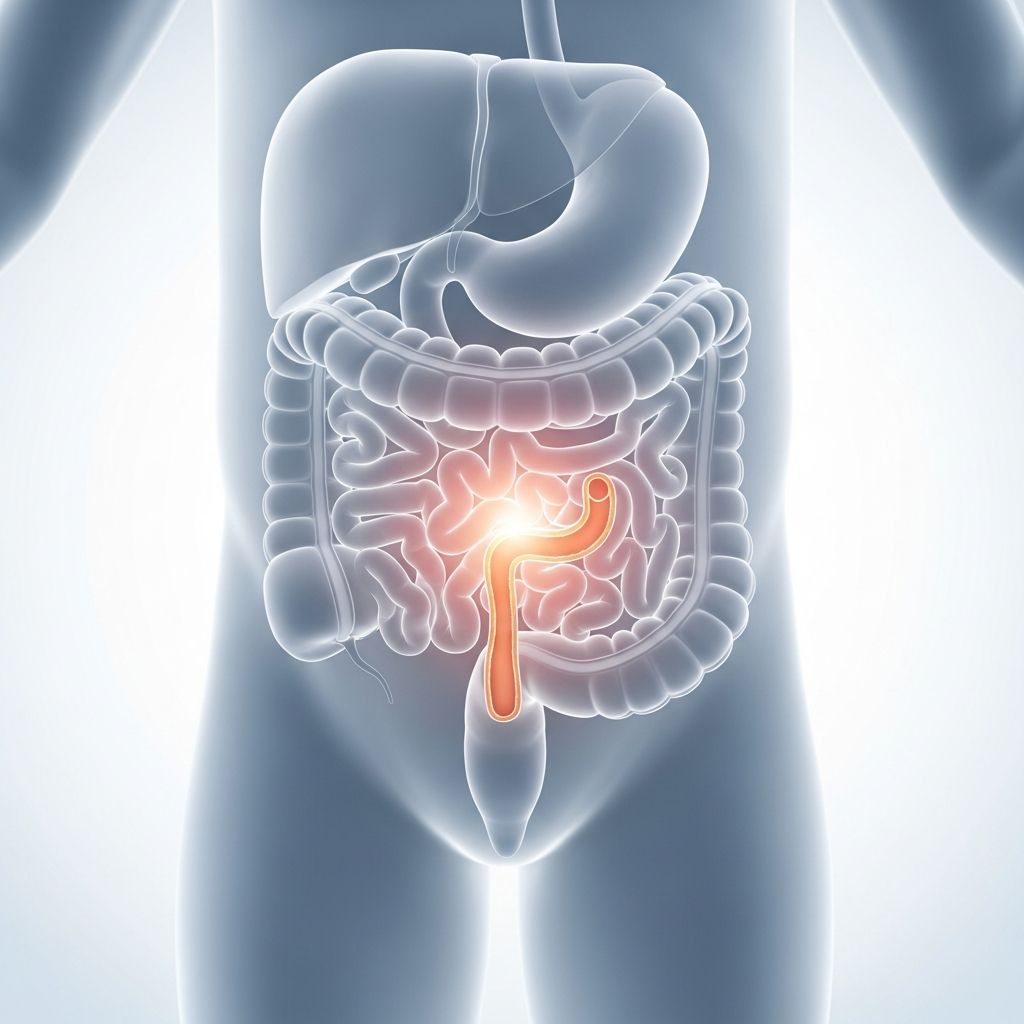
Short bowel syndrome (SBS) is a serious condition where a child’s small intestine is too short or dysfunctional, impairing nutrient and fluid absorption essential for growth and health. It often arises after surgical removal of intestinal sections or from congenital issues, leading to challenges like malnutrition and dehydration that demand specialized care.
Defining Short Bowel Syndrome and Its Impact on Young Lives
In pediatric cases, SBS typically means the small intestine is less than 200 centimeters long, far below the normal range, hindering the absorption of vital nutrients, vitamins, and fluids. This malabsorption disrupts normal development, causing weight loss, stunted growth, and electrolyte imbalances. Unlike adults, children face heightened risks because their growing bodies require consistent nutrition for milestones like bone development and immune function.
The condition manifests differently by age: newborns may struggle with feeding tolerance, while older kids experience fatigue and poor school performance due to chronic deficiencies. Early intervention is crucial to mitigate long-term effects like osteoporosis from vitamin D shortages or weakened immunity from zinc deficits.
Primary Causes in Infants and Children
SBS in children stems mainly from congenital anomalies or emergency surgeries. Key triggers include:
- Necrotizing enterocolitis (NEC): Common in premature infants, where intestinal tissue dies, necessitating resection. It’s the leading surgical cause in neonates.
- Intestinal birth defects: Such as gastroschisis (abdominal wall defect exposing intestines), atresia (blocked or missing segments), or malrotation leading to volvulus (twisting).
- Hirschsprung’s disease: Missing nerve cells in the intestine, occasionally extending to the small bowel and requiring removal.
- Trauma or ischemia: Rare in kids but possible from injuries or blood flow interruptions.
Unlike adults where Crohn’s disease dominates, pediatric SBS is predominantly congenital or neonatal-related, affecting equal numbers of boys and girls with unknown exact prevalence due to its rarity.
Recognizing Key Symptoms and Complications
Symptoms emerge rapidly post-resection or diagnosis, signaling malabsorption. Common signs include:
- Persistent diarrhea with foul-smelling, greasy stools indicating fat malabsorption.
- Dehydration: Thirst, dark urine, dry skin, and sunken eyes from fluid loss.
- Nutritional deficits: Weight loss, muscle wasting, edema in legs, and poor growth.
- Fatigue and weakness: From anemia, electrolyte imbalances like low magnesium or potassium.
- Developmental delays: Slowed height gain, delayed milestones in infants.
Untreated, SBS risks severe issues: bacterial overgrowth causing infections, liver disease from prolonged parenteral nutrition, or osteoporosis from mineral shortages. Infants may show abdominal distention, while toddlers exhibit flaky skin and hollow temples from temporal wasting.
How SBS is Diagnosed in Pediatric Patients
Diagnosis combines clinical history, physical exams, and tests. Doctors assess bowel length via surgical notes or imaging, then evaluate absorption:
| Test Type | Purpose | Details |
|---|---|---|
| Blood Tests | Nutrient Levels | Check electrolytes, vitamins (A, D, E, K), minerals (zinc, magnesium), and albumin for malnutrition. |
| Stool Studies | Malabsorption Confirmation | Analyze fat content, elasticity, and pH to quantify diarrhea causes. |
| Imaging | Bowel Assessment | X-rays, CT, or MRI visualize remaining intestine and rule out obstructions. |
| Endoscopy/Biopsy | Tissue Analysis | Examine mucosa for inflammation or dysfunction. |
Functional tests like breath tests detect bacterial overgrowth. Pediatric gastroenterologists tailor approaches, often using growth charts to track progress.
Nutrition: The Foundation of SBS Management
Nutrition therapy is central, aiming to maximize absorption while minimizing complications. Strategies progress from parenteral to enteral feeding:
- Parenteral Nutrition (PN): Intravenous delivery of nutrients, fluids, and electrolytes, lifesaving initially but risky for liver damage with long-term use.
- Enteral Nutrition: Tube feeding with specialized formulas high in calories, medium-chain triglycerides (easier to absorb), and glutamine to promote bowel adaptation.
- Oral Diets: Small, frequent meals of low-fiber, high-carb foods; avoid simple sugars that worsen diarrhea. Soluble fiber supplements like pectin may help.
Bowel adaptation—where remaining intestine hypertrophies over 1-2 years—allows many children to reduce PN dependency. Multivitamin/mineral supplements address gaps.
Medical Interventions and Medications
Medications support nutrition:
- Antidiarrheals: Loperamide or codeine slow gut motility.
- Acid Blockers: PPIs reduce gastric acid, aiding nutrient uptake.
- Teduglutide: GLP-2 analog promotes intestinal growth in select cases (approved for adults, emerging in peds).
- Antibiotics: For bacterial overgrowth.
Regular monitoring prevents deficiencies; growth hormone or other therapies may aid adaptation in research settings.
Surgical Options for Long-Term Improvement
When adaptation stalls, surgeries enhance function:
- STEP Procedure: Serial transverse enteroplasty lengthens bowel by cutting and stapling in zigzag pattern.
- Intestinal Lengthening: Segments dilated bowel to increase absorptive area.
- TAPOS: Tapering and lengthening for dilated, inefficient bowel.
Transplant is last-resort for PN failures, with risks like rejection but improving outcomes.
Daily Care Tips for Families
Parents play key roles: track intake/output, administer meds, monitor weight weekly. Home PN requires training. Encourage play to boost appetite; dietitians customize plans. Emotional support combats isolation—connect with SBS groups.
Prognosis and Hope for the Future
With multidisciplinary care, 60-80% of children wean off PN within 2 years via adaptation. Survival exceeds 90% short-term, though long-term depends on residual bowel. Advances in GLP-2 therapies and transplants brighten futures.
Frequently Asked Questions (FAQs)
Can children with SBS lead normal lives?
Yes, many achieve oral independence and catch-up growth with therapy, though some need lifelong support.
How long does bowel adaptation take?
Typically 1-2 years, varying by age and remaining bowel.
Is SBS preventable?
Not always, but prenatal care reduces NEC risks in preemies.
What diet works best for SBS kids?
High-calorie, MCT-oil enriched, low-oxalate; consult specialists.
Are there support resources?
Yes, organizations like NORD and IFFGD offer parent networks.
References
- Short Bowel Syndrome – StatPearls — NCBI Bookshelf. 2023-10-01. https://www.ncbi.nlm.nih.gov/books/NBK536935/
- Short Bowel Syndrome — NORD (National Organization for Rare Disorders). 2023-08-15. https://rarediseases.org/rare-diseases/short-bowel-syndrome/
- Symptoms, Causes And Diagnosis Of Short Bowel Syndrome — IFFGD. 2024-02-20. https://iffgd.org/gi-disorders/short-bowel-syndrome-2/symptoms-causes-of-sbs/
- Symptoms & Causes of Short Bowel Syndrome — NIDDK (NIH). 2023-11-10. https://www.niddk.nih.gov/health-information/digestive-diseases/short-bowel-syndrome/symptoms-causes
- What is Short Bowel Syndrome (SBS)? — Gattex (Takeda). 2024-01-05. https://www.gattex.com/short-bowel-syndrome/
- Short Bowel Syndrome — UF Health. 2023-09-12. https://ufhealth.org/conditions-and-treatments/short-bowel-syndrome