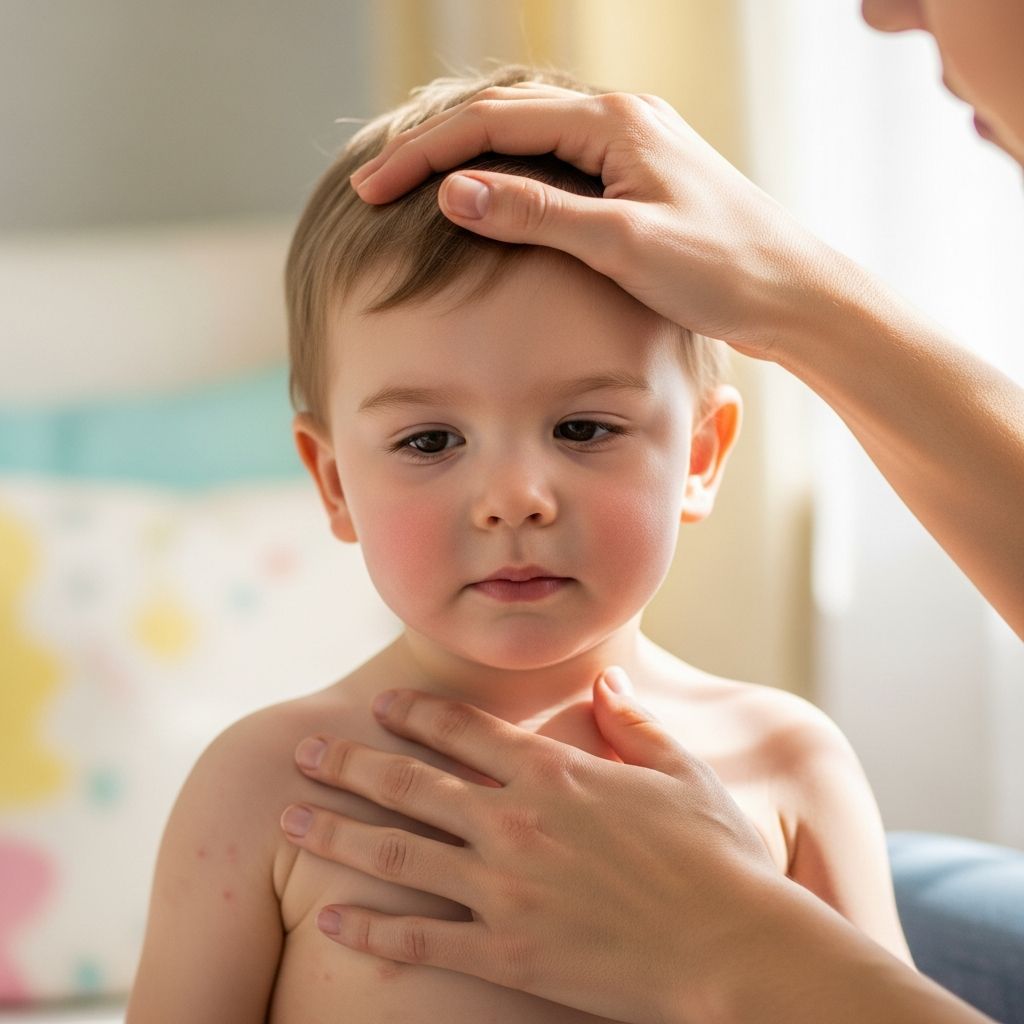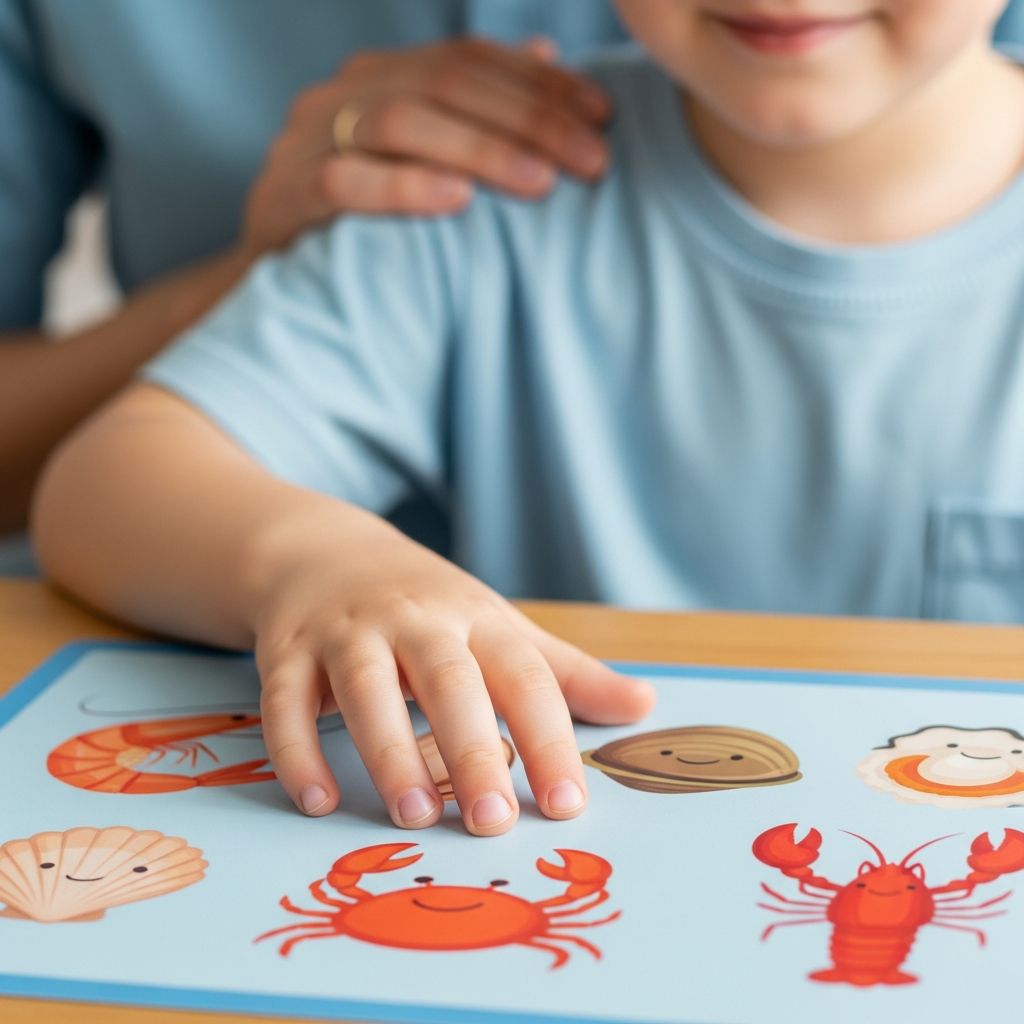
Shellfish allergies are among the most common food allergies in older children and adults, and they can cause reactions that range from mild hives to life-threatening anaphylaxis.
Parents play a crucial role in spotting early signs, seeking a diagnosis, and creating safe routines so their child can live a full, active life despite the allergy.
What Counts as Shellfish?
Shellfish is a broad term for sea creatures with shells, and it includes two main groups: crustaceans and mollusks.
- Crustaceans: Shrimp, crab, lobster, crayfish.
- Mollusks: Clams, mussels, oysters, scallops, squid, octopus, snails.
Many children react more often to crustaceans than to mollusks, and some may be allergic to one group but not the other, which is why careful testing and medical advice are essential.
Why Shellfish Allergies Happen
Shellfish allergies occur because the immune system incorrectly labels certain shellfish proteins as dangerous and attacks them.
This immune response is driven by antibodies called immunoglobulin E (IgE), which trigger chemicals like histamine that cause itching, swelling, breathing difficulties, and other allergy symptoms.
The Role of Specific Proteins
In many shellfish allergies, the body reacts strongly to a muscle protein known as tropomyosin, which is found in a wide variety of shellfish species.
Because tropomyosin is similar across different shellfish, a child allergic to one type, such as shrimp, may react to other related species as well.
Who Is More Likely to Be Allergic?
- Children with a family history of allergies, asthma, or eczema have a higher chance of developing food allergies, including shellfish.
- Older children, teens, and adults are more commonly diagnosed with shellfish allergy than infants, and the allergy often persists for life.
Common Symptoms Parents Should Watch For
Most reactions begin within minutes to an hour after a child eats shellfish or foods contaminated with shellfish proteins.
Symptoms can involve the skin, digestive system, breathing, or circulation, and they can appear alone or in combination.
Mild to Moderate Symptoms
- Itchy mouth or tingling around the lips and tongue.
- Hives, redness, or itchy patches on the skin.
- Swelling of the lips, eyelids, or face.
- Nausea, belly pain, vomiting, or diarrhea.
- Nasal congestion, runny nose, or sneezing.
Signs of a Severe Reaction (Anaphylaxis)
Anaphylaxis is a fast-moving, whole-body reaction that can be life-threatening without prompt treatment.
- Difficulty breathing, wheezing, or a tight feeling in the chest or throat.
- Hoarse voice, trouble speaking, or a sensation that the throat is closing.
- Dizziness, confusion, or fainting.
- Rapid, weak pulse or a sudden drop in blood pressure.
- In very young children, limpness, extreme paleness, or sudden quietness can be warning signs.
If anaphylaxis is suspected, use epinephrine right away if prescribed and call emergency services immediately, even if symptoms start to improve.
Diagnosis: How Doctors Confirm a Shellfish Allergy
Because shellfish reactions can be serious, any concerning symptom after eating shellfish should prompt an appointment with a healthcare professional, ideally an allergist.
A thorough evaluation helps distinguish true shellfish allergy from food poisoning, infection, or intolerance, which may cause similar stomach symptoms but do not involve the immune system.
What to Expect at the Appointment
- Detailed history: The doctor will ask what your child ate, how quickly symptoms appeared, how long they lasted, and how they were treated.
- Skin prick tests: Small amounts of allergen extract are placed on the skin to check for a reaction such as a raised, itchy bump.
- Blood tests: Laboratory tests can look for specific IgE antibodies to different shellfish.
In some cases, when results are unclear and the risk appears manageable, the allergist may suggest a supervised food challenge in a clinical setting, where your child eats small, increasing amounts of shellfish under close observation.
There Is No Simple Cure—Yet
At present there is no widely available cure that permanently removes a child’s shellfish allergy, which means strict avoidance of the allergen remains the primary strategy.
Researchers are exploring different types of immunotherapy and modified proteins as potential treatments, but these options are still under investigation and not routine care.
Everyday Management: Keeping Your Child Safe
While the diagnosis can feel overwhelming, most families learn to manage shellfish allergies effectively by combining avoidance strategies, emergency planning, and clear communication with caregivers.
Shellfish to Avoid
Your child’s allergist will outline what needs to be removed from the diet, but common items typically include:
- Shrimp, crab, lobster, crayfish.
- Clams, mussels, oysters, scallops.
- Squid, octopus, and other mollusks if your child is sensitive to them.
- Mixed seafood dishes, sauces, and broths made with shellfish stock.
Hidden Sources and Cross-Contact
Shellfish proteins can appear where parents might not expect, and small amounts can still cause reactions in sensitive children.
- Shared fryers or grills used for shrimp and other foods.
- Seafood soups, stews, and sauces, even if pieces of shellfish are removed.
- Asian cuisines, paella, gumbo, and mixed seafood platters.
Cross-contact occurs when shellfish touches another food, surface, or utensil, transferring allergenic proteins, so separate cookware and thorough cleaning are critical in mixed kitchens and restaurants.
Label Reading Basics
Parents should become skilled at reading ingredient lists and allergen statements on packaged foods, checking every label every time.
- Look for clear mentions of shrimp, crab, lobster, crawfish, clams, mussels, oyster, or scallops.
- Be cautious with generic terms like “seafood,” “fish flavoring,” or “natural flavors” on imported or less-regulated products.
- When in doubt, contact the manufacturer or choose a safer alternative.
Emergency Medicines and Action Plans
Because shellfish reactions can escalate quickly, children diagnosed with a significant allergy are usually prescribed an epinephrine auto-injector.
Epinephrine is the first-line treatment for anaphylaxis and should be used at the first sign of a severe reaction or when symptoms involve more than one body system.
Medications Commonly Recommended
- Epinephrine auto-injector: Carried at all times, including at school and during activities, with adults trained in when and how to use it.
- Antihistamines: Sometimes recommended for mild skin symptoms, but never as a replacement for epinephrine in serious reactions.
After epinephrine is given, emergency medical services should be called immediately because a second wave of symptoms can occur and professional monitoring is essential.
Helping Your Child Feel Confident and Included
Beyond the medical details, children with food allergies need emotional support and age-appropriate education so they can advocate for themselves.
- Teach your child never to share food, drinks, or utensils with classmates or friends.
- Practice polite ways to say no when offered unclear foods.
- Reassure your child that many other kids have food allergies and that safe fun is still possible.
School, Parties, and Eating Out
Allergy safety depends on clear communication with teachers, coaches, relatives, and restaurant staff, especially since shellfish is common at social events and on menus.
Working with Schools
- Provide written emergency instructions and copies of the action plan from your child’s allergist.
- Ensure epinephrine is accessible and that staff members know where it is stored and how to use it.
- Discuss classroom celebrations, field trips, and cafeteria procedures in advance.
Restaurant and Travel Tips
- Choose restaurants that can safely accommodate food allergies and are willing to answer detailed questions.
- Avoid buffets and seafood-heavy establishments where cross-contact is harder to control.
- Carry safe snacks when traveling so your child always has something they can eat confidently.
Shellfish Allergy vs. Fish Allergy
Shellfish and finned fish are biologically different, and being allergic to one does not automatically mean a child is allergic to both.
However, many experts advise caution because seafood is often prepared and served together, making cross-contact a significant concern even when only shellfish allergy is documented.
| Feature | Shellfish | Finned Fish |
|---|---|---|
| Type of animal | Crustaceans and mollusks (e.g., shrimp, crab, clams). | Vertebrate fish with backbones (e.g., salmon, tuna). |
| Typical allergen | Muscle proteins such as tropomyosin. | Different fish proteins, not the same as shellfish allergens. |
| Cross-allergy pattern | Often reactive across multiple shellfish species. | May react to several finned fish but not necessarily to shellfish. |
Frequently Asked Questions
Can a child outgrow a shellfish allergy?
Shellfish allergies tend to persist into adulthood more often than some other food allergies, such as milk or egg allergy.
Regular follow-up with an allergist can help determine whether the allergy remains stable, improves, or changes over time, and whether retesting or a supervised food challenge is appropriate.
Is smelling shellfish dangerous for my child?
For most children, the greatest risk comes from eating shellfish or touching contaminated surfaces, not from smelling cooked seafood.
However, steam and splatter from cooking shellfish can carry tiny protein particles, so children with severe allergies should avoid areas where shellfish is being prepared.
What should I tell relatives and babysitters?
Anyone caring for your child should know exactly which foods are unsafe, what early symptoms look like, where the epinephrine is stored, and when to call emergency services.
Written instructions and a brief practice session using a trainer device can boost confidence and ensure that caregivers respond quickly in an emergency.
Can my child still go to seafood restaurants?
Some families choose to avoid seafood restaurants entirely because of the high risk of cross-contact on grills, in fryers, and in shared cooking oil.
Others may dine only at places that understand food allergy safety and agree to follow strict precautions, but it is essential always to bring epinephrine and remain cautious.
Should siblings also be tested?
Having one child with a food allergy can indicate a higher overall risk in siblings, but it does not guarantee that brothers or sisters will share the same allergy.
Parents who are concerned about siblings, especially if they have eczema, asthma, or other allergies, can discuss screening and introduction strategies with their pediatrician or allergist.
Key Takeaways for Parents
- Shellfish allergies involve the immune system and can cause serious, rapid reactions, making early recognition and medical evaluation crucial.
- There is no simple cure yet, so strict avoidance of shellfish, combined with clear labeling checks and cross-contact prevention, is the cornerstone of safety.
- Epinephrine is the first and most important treatment for anaphylaxis, and children at risk should always have access to an auto-injector and an emergency plan.
- With planning, education, and supportive adults, children with shellfish allergies can participate in school, sports, travel, and celebrations with confidence.