Understanding Separation Anxiety as a Developmental Milestone
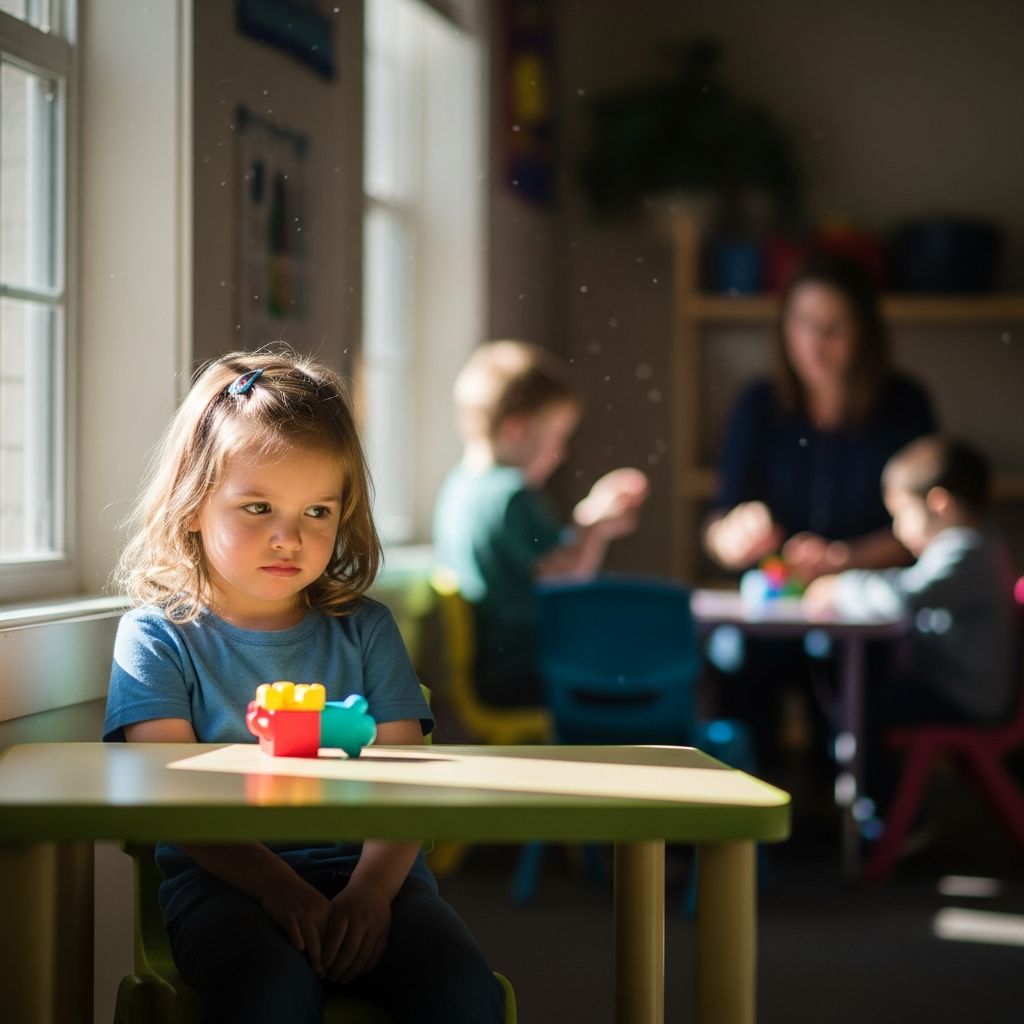
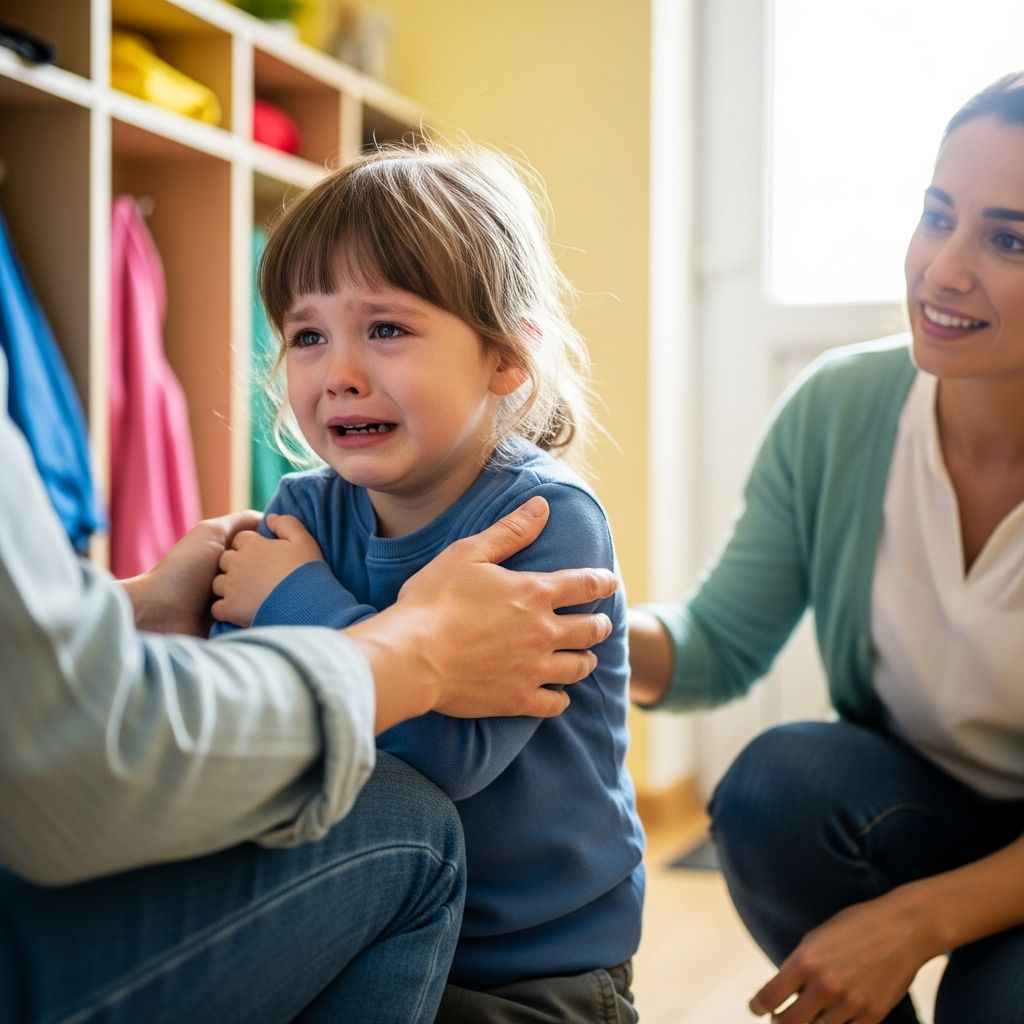
Every parent faces moments when their child clings to their leg during drop-off at preschool or becomes visibly upset when a caregiver leaves the room. These reactions are often part of normal childhood development rather than cause for alarm. Separation anxiety represents a natural phase in emotional growth where children experience distress when separated from their primary caregivers or familiar environments. This developmental stage typically emerges between 6 and 12 months of age, peaks around ages 2 to 3 years, and gradually diminishes as children mature and develop a stronger sense of object permanence—the understanding that people and things continue to exist even when out of sight.
Young children are naturally self-focused in their cognitive development, which makes them vulnerable to anxiety about separation. They may struggle to comprehend that a parent’s absence is temporary or that caregivers will reliably return. As children’s brains mature and their reasoning abilities expand, they typically develop greater confidence in their caregivers’ dependability and become more comfortable with brief periods of separation.
The intensity and duration of normal separation anxiety vary considerably among children. Some youngsters may exhibit mild reluctance at drop-off, while others display more dramatic protests. However, these reactions generally resolve within minutes to a few hours after the caregiver leaves, and they decrease in frequency over time as the child becomes accustomed to routine separations.
Identifying When Separation Anxiety Becomes a Clinical Concern
Separation anxiety disorder (SAD) represents a more serious condition where anxiety about separation persists well beyond typical developmental expectations and significantly interferes with a child’s daily functioning. While normal separation anxiety is a temporary, manageable phase, SAD involves intense and prolonged distress that prevents children from engaging in age-appropriate activities.
The distinction between normative anxiety and disorder hinges on several key factors:
- Intensity and severity that exceeds what peers of the same age typically experience
- Duration persisting beyond six months despite ongoing exposure to separation
- Interference with school attendance, academic performance, and social relationships
- Physical symptoms such as panic attacks, headaches, or gastrointestinal distress
- Presence of nightmares, sleep refusal, or behavioral regression
SAD can emerge as early as the preschool years and has an average age of onset around 7 years old. Research indicates that SAD affects approximately 1 to 4 percent of children, making it the most commonly diagnosed anxiety disorder in pediatric populations. Without appropriate intervention, this condition can persist into adolescence and adulthood, potentially contributing to other mental health challenges.
Core Symptoms and Behavioral Manifestations
Children with separation anxiety disorder display a constellation of emotional, behavioral, and physical symptoms that extend far beyond typical developmental anxiety. Understanding these manifestations helps parents recognize when professional evaluation becomes necessary.
Emotional and Behavioral Indicators
The emotional experience of children with SAD centers on persistent worry and fear surrounding separation. Excessive fear about caregiver safety represents one of the most prevalent concerns, with children constantly worrying that parents or loved ones will experience illness, accidents, or death during times of separation. Children may also harbor intense worry about personal harm, including fears of being lost, kidnapped, or experiencing accidents that would prevent reunion with caregivers.
Behavioral responses often include:
- Intense distress, crying, or tantrums when separation occurs or is anticipated
- Clinginess and refusal to be left alone, even in familiar settings with known caregivers
- Persistent refusal to attend school or engage in previously enjoyed activities
- Reluctance or outright refusal to sleep away from home or without a parent nearby
- Avoidance of social situations that necessitate separation from parents
- Aggression or anger directed toward people perceived as separating them from caregivers
- Shadowing or constant physical proximity to the caregiver within the home
In home settings, children with SAD may refuse to be in rooms alone, demand constant access to parents, and experience significant distress if a caregiver leaves their line of sight even temporarily.
Physical Symptoms
SAD frequently manifests through bodily complaints that emerge during or preceding separation experiences. Common physical symptoms include recurring headaches, stomachaches, nausea, vomiting, and dizziness. These symptoms are genuine experiences of distress rather than deliberate attempts to manipulate situations, though they often intensify when separation approaches. Some children develop panic attacks characterized by sudden, intense anxiety that reaches peak intensity within minutes, accompanied by racing heart, trembling, or difficulty breathing.
Sleep and Nighttime Difficulties
Sleep disturbances frequently accompany SAD, including refusal to sleep alone, nightmares with separation themes, and bed-wetting in previously toilet-trained children. These sleep issues compound daytime anxiety and can exacerbate academic and behavioral difficulties through chronic sleep deprivation.
Contributing Factors and Risk Elements
Genetic and Neurobiological Influences
Mental health professionals recognize that SAD develops through interaction between biological predisposition and environmental factors. Genetic vulnerability to anxiety represents a significant risk factor, with children of parents who experience anxiety disorders or depression showing elevated likelihood of developing SAD themselves. At the neurobiological level, an imbalance in brain chemicals—specifically norepinephrine and serotonin—appears to play a substantial role in the development and maintenance of separation anxiety symptoms.
Attachment Patterns and Relationship Dynamics
Attachment theory provides crucial insight into separation anxiety development. The emotional bond between child and primary caregiver fundamentally shapes the child’s sense of security and confidence in exploring the world. Children who develop secure attachment demonstrate confidence that caregivers will reliably return and meet their needs, allowing them to tolerate separation more effectively. Conversely, children with anxious-ambivalent attachment patterns—characterized by difficulty managing separations and inconsistent parental responsiveness—show heightened vulnerability to SAD. These children may become extremely distressed even during brief separations and receive limited comfort upon reunion, perpetuating cycles of anxiety.
Environmental Stressors and Life Transitions
Significant life changes and environmental stressors frequently trigger or intensify separation anxiety. Major transitions including parental separation or divorce, relocation to new homes, parental illness or death, and changes in school or caregiving arrangements can precipitate SAD onset. Additionally, parental behaviors significantly influence anxiety development. When parents model anxious responses to separation, communicate excessive worry about their child’s safety away from home, or demonstrate overprotective behaviors, children internalize these patterns and adopt similar anxiety responses.
Traumatic experiences or exposure to frightening events can also trigger the development of separation anxiety disorder, particularly if the trauma involved actual or threatened separation from a caregiver.
Understanding the Broader Impact on Child Development
Unaddressed separation anxiety disorder carries significant implications for multiple domains of child development and functioning. When children persistently avoid school due to separation fears, they miss critical academic instruction and fall behind academically. The social consequences are equally concerning, as children with SAD often isolate themselves from peers, avoid playdates and group activities, and fail to develop important social skills and friendships.
The emotional burden extends to family relationships as well. Parents and caregivers may feel constrained by their child’s demands for constant proximity, experiencing reduced personal autonomy and increased stress. This dynamic can inadvertently reinforce the child’s anxiety, as the caregiver’s accommodation of avoidance behaviors teaches the child that separation truly is dangerous.
Long-term consequences of untreated SAD include increased risk for developing additional anxiety disorders, depression, and other mental health conditions in adolescence and adulthood. Early intervention therefore represents a critical investment in a child’s long-term emotional and social wellbeing.
Strategies for Supporting Children with Separation Anxiety
Building Gradual Tolerance Through Exposure
Effective management of separation anxiety often involves systematic, gradual exposure to separation experiences in controlled, supportive contexts. Rather than forcing abrupt separations that heighten anxiety, parents benefit from creating progressively longer periods of separation while providing reassurance and predictability. This might involve starting with very brief separations (a few minutes in the next room), gradually extending duration and distance, and maintaining consistent routines that signal the caregiver’s reliable return.
Establishing Predictable Routines and Communication
Children with separation anxiety experience reduced distress when separation is predictable and accompanied by clear communication. Establishing consistent goodbye rituals, providing advance notice before departures, and explaining where parents are going and when they will return helps children develop a sense of control and predictability. Reassurance during hellos is equally important, as consistent reunion experiences reinforce the child’s understanding that separation is temporary.
Professional Treatment Options
When separation anxiety significantly impairs functioning, professional evaluation and treatment become essential. Therapy approaches, particularly cognitive-behavioral therapy (CBT), help children identify anxious thoughts, develop coping skills, and gradually confront feared situations in supported ways. Mental health professionals can also assess whether medication might be beneficial alongside behavioral interventions. Parents should consult with pediatricians or mental health specialists when separation anxiety persists beyond six months, significantly interferes with school or social functioning, or involves panic symptoms.
Frequently Asked Questions
Q: At what age is separation anxiety considered abnormal?
A: While mild separation anxiety is developmentally appropriate between 6 months and 3 years, it becomes concerning when it persists intensely beyond age 4 to 5, continues for more than six months despite repeated exposure, or significantly interferes with school attendance and daily functioning.
Q: Can separation anxiety disorder develop suddenly?
A: Yes, SAD can appear to develop suddenly following a traumatic experience such as illness, injury, parental separation, or death in the family. However, underlying predisposition typically exists, and the traumatic event triggers clinical manifestation rather than creating the condition entirely.
Q: How can parents avoid reinforcing separation anxiety?
A: Parents should avoid excessive reassurance-seeking, consistent accommodation of avoidance behaviors, and modeling of anxious responses to separation. Instead, maintain calm, matter-of-fact departures, follow through with planned separations, and gradually expose children to manageable separation experiences.
Q: Is separation anxiety disorder hereditary?
A: Genetic predisposition to anxiety increases risk, and children of parents with anxiety disorders show elevated likelihood of developing SAD. However, genetics alone does not determine whether SAD develops; environmental factors and parenting approaches significantly influence outcomes.
Q: When should professional help be sought?
A: Parents should consult mental health professionals when separation anxiety persists beyond six months, prevents school attendance, includes panic attacks, significantly disrupts family functioning, or causes substantial distress to the child and family.
References
- Separation Anxiety Disorder: Symptoms and Causes — Mayo Clinic. 2024. https://www.mayoclinic.org/diseases-conditions/separation-anxiety-disorder/symptoms-causes/syc-20377455
- Separation Anxiety in 5-Year-Olds: A Parent’s Guide to Coping and Understanding — Handspring Health. 2024. https://www.handspringhealth.com/post/understanding-5-year-old-separation-anxiety
- Separation Anxiety Disorder | Child Development — JAMA Network. 2021. https://jamanetwork.com/journals/jama/fullarticle/2785946
- Separation Anxiety Disorder — StatPearls, NCBI Bookshelf, National Institutes of Health. 2024. https://www.ncbi.nlm.nih.gov/books/NBK560793/
- Separation Anxiety and Separation Anxiety Disorder — HelpGuide. 2024. https://www.helpguide.org/family/parenting/separation-anxiety-and-separation-anxiety-disorder
- Separation Anxiety Disorder: What It Is, Symptoms & Treatment — Cleveland Clinic. 2024. https://my.clevelandclinic.org/health/diseases/separation-anxiety-disorder
- Separation Anxiety Disorder — St. Louis Children’s Hospital. 2024. https://www.stlouischildrens.org/conditions-treatments/separation-anxiety-disorder