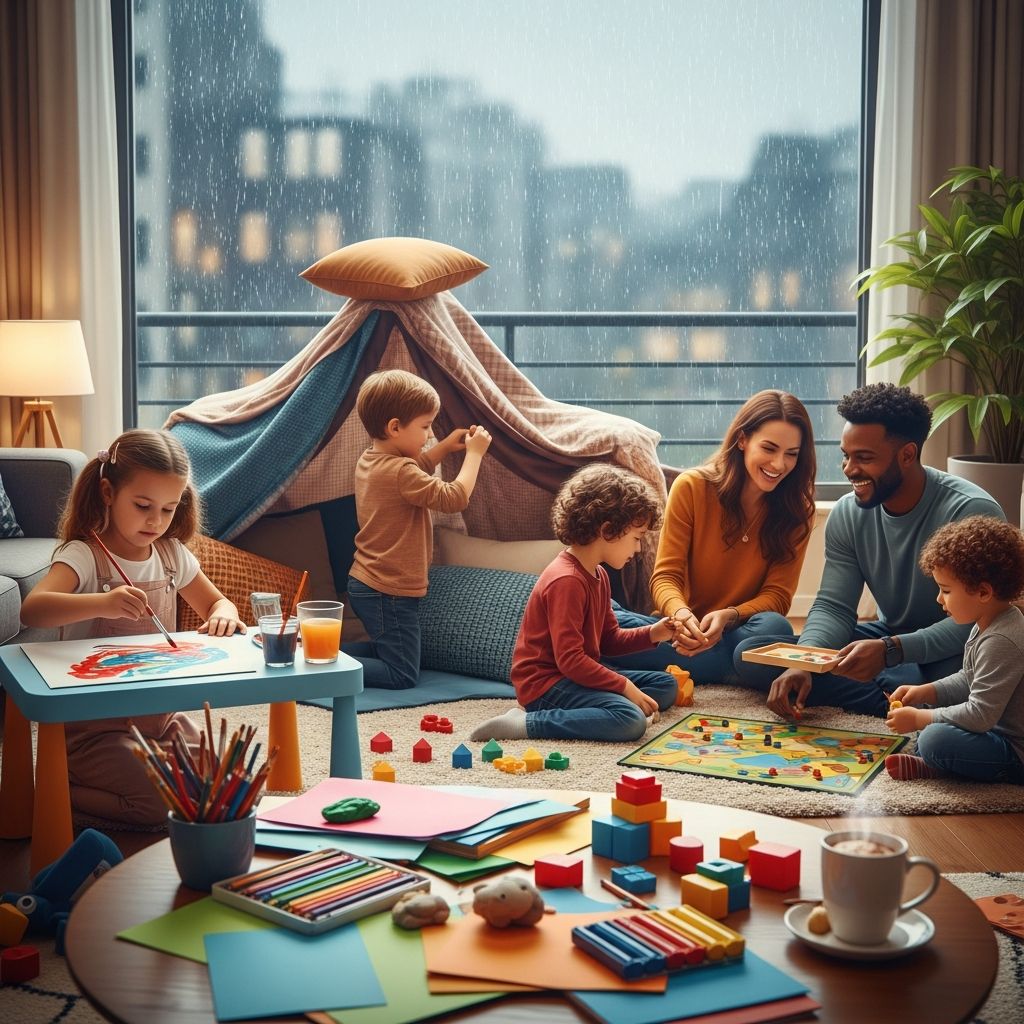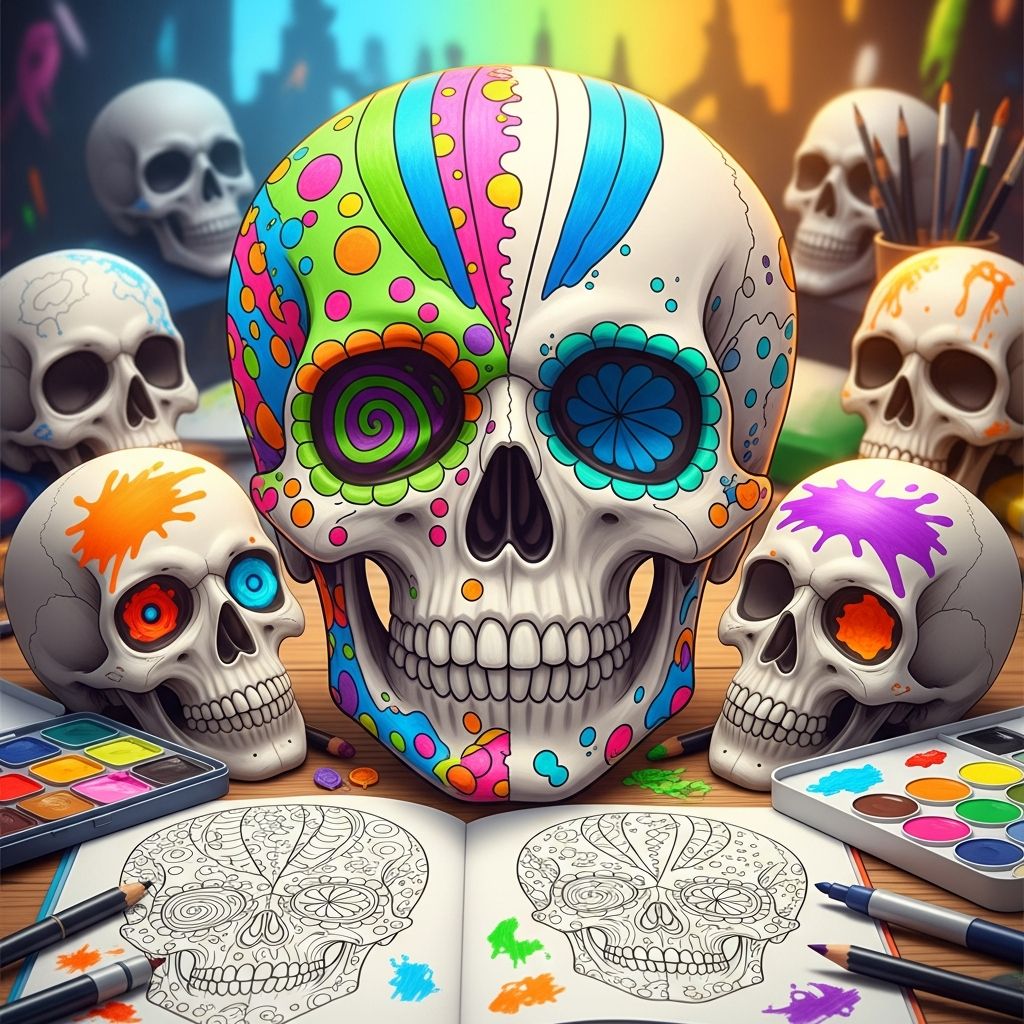
Skull coloring pages are far more versatile than a quick Halloween activity. When used thoughtfully, they become tools for creativity, emotional expression, cultural learning, and even fine motor development. This guide shows how to turn simple skull outlines into engaging projects for kids and adults alike, while keeping everything age-appropriate and fun.
Why Skulls Make Great Coloring Subjects
Skulls are instantly recognizable and highly adaptable, which makes them perfect for a wide range of coloring styles. From cute cartoon designs to intricate patterns, a single skull outline can support many different moods and artistic approaches.
- They have clear, bold shapes that are easy for beginners to color while still offering room for advanced shading.
- They can be styled as spooky, silly, elegant, or symbolic, depending on the context.
- They connect naturally to holidays and themes like Halloween, pirates, fantasy creatures, and cultural celebrations.
Benefits of Skull Coloring for Kids
Coloring is not just a time-filler; it supports important developmental skills. Skull pages, with their repeating shapes and details, offer especially good practice for control and planning.
- Fine motor practice: Children strengthen hand muscles and improve pencil grip while filling small spaces such as teeth, eye sockets, and patterns.
- Focus and patience: Following contours and finishing detailed sections encourages kids to stay with a task for longer periods.
- Emotional expression: Kids can explore moods—creepy, funny, mysterious—through color choices and decorations.
Why Adults Love Skull Coloring Too
Skull coloring is not just for children. Adults often gravitate toward skull motifs because they balance edginess with symbolism and can be as simple or as complex as desired.
- Stress relief: Repetitive coloring in a defined space can be calming, similar to a short meditation session.
- Personal style: Skulls work well for gothic, punk, rock, boho, or minimalist aesthetics, making them ideal for decor, journals, and gifts.
- Creative experimentation: Adult colorists can explore blending, shading, metallic accents, and mixed media techniques on the same basic outline.
Skull Styles and Themes to Explore
Instead of using one generic skull image, consider trying different themed pages. Each theme can change the mood and difficulty level of the activity.
1. Friendly Cartoon Skulls
Cartoon skulls, often with big eyes and rounded shapes, are ideal for younger kids or anyone who prefers a lighthearted look. These designs typically avoid realistic detail and focus on playful expressions.
- Use bright, cheerful colors instead of traditional bone tones.
- Add accessories like bow ties, hats, headphones, or glasses to personalize each skull.
- Turn cartoon skulls into characters with names and backstories for storytelling games.
2. Classic Spooky Skulls
These are the designs people associate with Halloween: hollow eyes, defined teeth, darker shading. They work well for older kids, teens, and adults who enjoy a slightly eerie aesthetic.
- Experiment with shadows around eye sockets and cheekbones using gray or muted tones.
- Add background elements like bats, tombstones, or misty clouds for a full scene.
- Use limited color palettes—such as black, gray, and one accent color—for a dramatic effect.
3. Decorative Sugar-Style Skulls
Decorative skulls inspired by traditional sugar designs are rich in flowers, patterns, and symmetry. These work best when accompanied by a respectful note that they draw inspiration from cultural practices, not a direct copy.
- Fill the skull with symmetrical motifs: flowers, swirls, hearts, and dots.
- Use vivid, contrasting colors to highlight different shapes within the design.
- Encourage older kids and adults to research the cultural context and discuss themes of remembrance and joy.
4. Fantasy and Creature Skulls
Dragon, monster, or alien skulls open the door to imagination. Because they are fictional, kids can invent their own anatomy and patterns.
- Try unusual color schemes—glowing blues, neon greens, or fiery oranges.
- Combine skulls with horns, wings, tentacles, or crystals for extra visual interest.
- Use these pages as prompts for creative writing or role-playing games.
5. Nature-Inspired Skull Designs
Skulls surrounded by leaves, flowers, mushrooms, or animals create a calmer, more reflective mood. These designs can be either realistic or stylized.
- Blend earthy tones for the background—greens, browns, and soft yellows.
- Incorporate seasonal themes, like autumn leaves for fall or blossoms for spring.
- Use them to start conversations about nature, life cycles, and ecosystems in an age-appropriate way.
Suggested Color Palettes for Skull Pages
When you are unsure which colors to choose, having a few go-to palettes can help. The table below offers starting points that can be adapted to any skull style.
| Theme | Suggested Colors | Works Best For |
|---|---|---|
| Playful & cute | Soft pinks, sky blue, mint, lavender, light yellow | Cartoon skulls, kids’ party activities |
| Classic spooky | Black, charcoal, dark purple, deep red, muted brown | Halloween decor, older kids and teens |
| Decorative & ornate | Bright red, turquoise, gold, magenta, lime green | Patterned skulls, festival-style designs |
| Nature themed | Forest green, olive, burnt orange, cream, soft blue | Skulls with flowers, leaves, or animals |
| Metallic & edgy | Silver, gunmetal, copper, black, electric blue | Adult coloring, posters, journal covers |
Materials and Tools for Better Results
The beauty of coloring pages is that they can be enjoyed with simple supplies, but a few thoughtful choices can dramatically improve the experience.
- Paper: Thicker paper or cardstock works better if you plan to use markers, water-based paints, or turn the finished page into a craft.
- Coloring tools: Crayons are great for young children; colored pencils and fine-tip markers suit detailed sections like teeth and patterns.
- Extras: Glitter glue, metallic pens, stickers, and washi tape can highlight features like eye sockets, patterns, or borders.
Fun Skull Coloring Activities and Crafts
Instead of stopping once the page is colored, consider turning finished skulls into keepsakes, decorations, or learning tools. Here are several creative projects for home or classroom use.
Make Wearable Skull Masks
Skull masks are perfect for dress-up play, themed parties, or school performances. They can be cute, creepy, or theatrical depending on the design and colors used.
- Print or draw a skull template on cardstock and color it fully.
- Cut around the outline and carefully cut out eye holes.
- Attach a craft stick to the bottom or punch holes on the sides for string or elastic.
- Decorate with sequins, feathers, or fabric scraps for extra flair.
Design Skull Banners and Garlands
Banners made from multiple skull pages can transform a room for a party or seasonal display. They are also an easy collaborative project for groups.
- Invite each child or family member to color one skull in their own style.
- Cut out the skulls, punch holes, and thread them onto ribbon or yarn.
- Hang the garland across a mantel, doorway, or bulletin board.
Turn Skulls into Bookmarks
Skull bookmarks encourage reading while giving kids a small, manageable project. They are especially popular around spooky-season reading challenges.
- Color and cut out a vertical skull design or a narrow section of a larger page.
- Glue it to a strip of cardstock and trim the edges.
- Laminate or cover with clear tape for durability.
- Add a ribbon or tassel at the top for a polished look.
Create Wall Art and Posters
Some skull images are striking enough to become framed art. This works especially well with detailed or symmetrical designs.
- Choose a design with strong lines and interesting negative space.
- Use your best coloring techniques, taking your time with shading and blending.
- Mount on contrasting colored paper and frame or hang with clips.
Use Skulls as Writing Prompts
Skull pages can easily inspire storytelling and creative writing. This turns a visual activity into a literacy exercise without feeling like homework.
- After coloring, ask children to write a short story about the skull character or scene.
- Encourage them to describe how the skull ended up in that setting or what it represents.
- For group activities, collect stories into a class or family booklet.
Safety and Age-Appropriateness Tips
Because skull imagery is associated with fear and danger in some contexts, it is important to tailor designs to the age and sensitivity of the children involved. The goal is fun, not nightmares.
- For preschoolers, choose smiling or cartoonish skulls without graphic details.
- Older kids may enjoy slightly spookier designs, but it helps to discuss the difference between fiction and reality.
- Be mindful of cultural symbols and teach respect when using designs inspired by real traditions.
Using Skull Coloring in Learning Settings
Skull coloring can also support curriculum goals when planned thoughtfully. It can be integrated into art classes, language arts, or cultural studies units.
- Art education: Teach concepts like symmetry, contrast, pattern, and shading using skull motifs.
- Cultural awareness: Discuss how different cultures use skull imagery in celebrations, stories, and art, while emphasizing respect and accuracy.
- Language skills: Pair coloring with vocabulary lists, descriptive writing, or oral presentations about each finished piece.
Simple Planning Checklist for Skull Coloring Sessions
To keep your activity organized, especially with groups, use a quick mental checklist. This prevents last-minute stress and ensures that everyone has what they need.
- Choose an age-appropriate skull style (cartoon, decorative, spooky, or nature-based).
- Gather and test materials: paper, coloring tools, scissors, glue, and any craft extras.
- Decide on a goal: simple relaxation, party decor, a classroom project, or a learning activity.
- Allow time for sharing and displaying finished work so participants feel proud of their efforts.
Frequently Asked Questions About Skull Coloring Pages
Are skull coloring pages too scary for young children?
They do not have to be. By choosing friendly, cartoon-style skulls with soft shapes and bright colors, you can keep the activity fun and non-threatening. Avoid realistic or overly dark imagery for very young kids and focus on humor and playfulness instead.
How can I make skull coloring more educational?
Pair the coloring page with a short discussion or mini-lesson. You might talk about shapes and symmetry, explore cultural uses of skull imagery, or use the finished page as a prompt for a story or poem. This turns a simple craft into a multi-layered learning experience.
What if a child is nervous about skull images?
Listen to their concerns and offer alternatives. Some children may prefer cute animals, stars, or flowers. If they still want to join the group, choose the least spooky designs and let them add plenty of cheerful decorations such as hearts, rainbows, or silly accessories.
Which coloring tools work best for detailed skull designs?
Fine-tip markers and colored pencils are ideal for small spaces like teeth, tiny patterns, and intricate borders. Crayons are better suited to larger, simpler shapes. For special effects, metallic gel pens or white gel pens on darker areas can add striking highlights.
Can completed skull pages be reused or repurposed?
Absolutely. Instead of recycling them immediately, turn finished skull art into bookmarks, greeting cards, party banners, or pieces in a scrapbook. This gives extra value to the time spent coloring and encourages kids to see their work as something worth keeping and sharing.
Bringing It All Together
Skull coloring pages offer a surprising mix of playful creativity, artistry, and meaningful conversation. By choosing age-appropriate designs, exploring different themes, and turning finished pages into fun projects, families and educators can make the most of this engaging activity. Whether your goal is quiet relaxation, memorable decorations, or hands-on learning, a single skull outline can open the door to many imaginative possibilities.