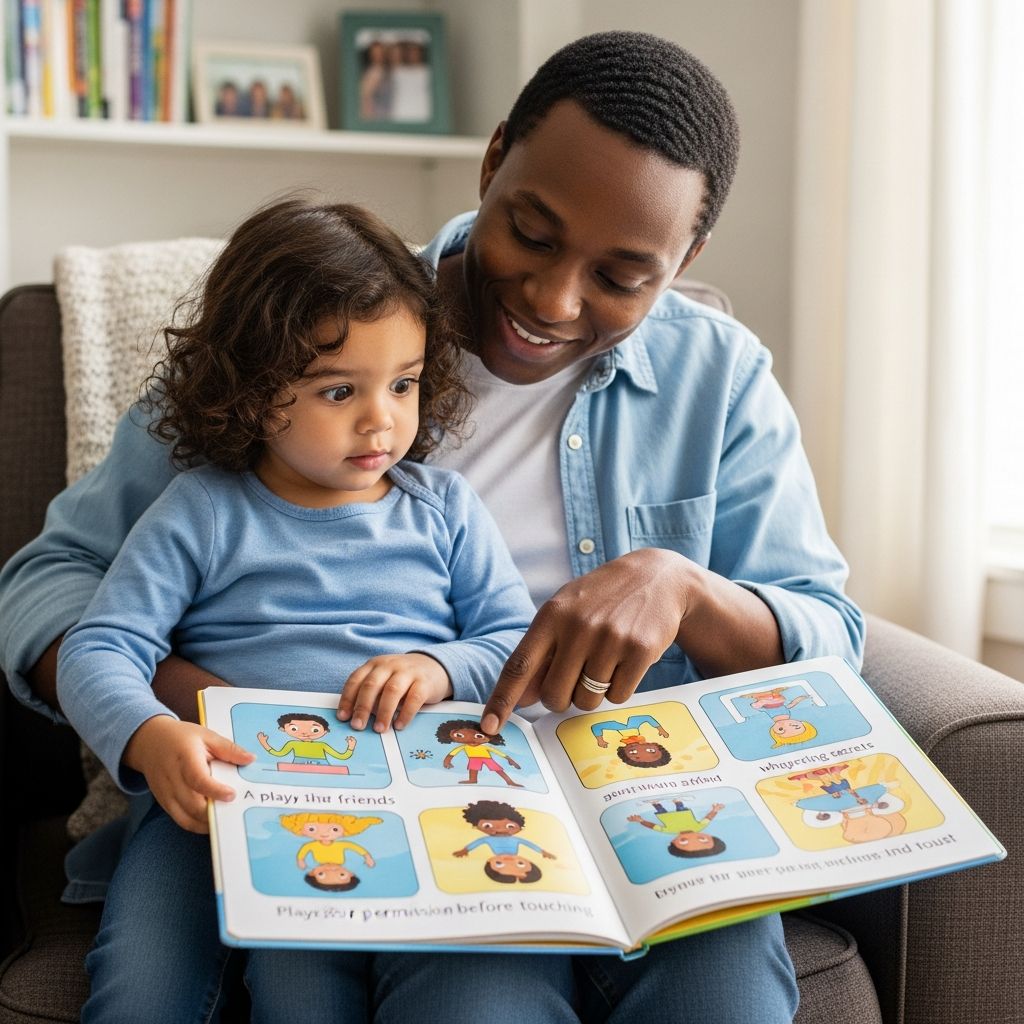
Most parents work incredibly hard, yet common advice they hear every day does not always match what developmental research shows about how children actually grow, learn, and behave. Many well-intended strategies—like constant praise, strict control, or hoping siblings “figure it out”—can quietly undermine the outcomes parents want most: resilience, honesty, empathy, curiosity, and genuine connection.
Why “Common Sense” Parenting Can Mislead Us
Parenting instincts are powerful, but they are shaped by culture, anecdotes, and the way we were raised, not by controlled evidence. When scientific studies examine everyday practices like praising children, enforcing rules, or managing sleep, the results often challenge what feels obvious.
This gap between intuition and research creates a strange situation: parents can feel like they are doing everything “right” and still watch motivation drop, lying increase, or sibling rivalry escalate. Understanding why this happens opens the door to more effective, compassionate approaches.
The Hidden Cost of Constant Praise
Praise is one of the most commonly used parenting tools, and it seems harmless—even essential. Children need encouragement, but research suggests that the type of praise matters more than the amount.
When kids hear that they are inherently “smart” or “talented,” they may begin to protect that label by avoiding challenges or giving up quickly when they struggle. In contrast, praise that emphasizes effort and strategies helps children see ability as something they can grow.
How Praise Can Backfire
- Label-based praise (“You are so smart”) can teach children that success is about who they are, not what they do.
- Outcome-only praise (“Great grade!”) can make kids fear failure, because mistakes feel like threats to their identity.
- Inflated or insincere praise can make children suspicious, especially as they get older and notice the mismatch between words and reality.
What To Say Instead
Parents do not need to stop praising; they just need to shift focus. Effective praise draws attention to the process, not permanent traits.
- Notice effort: highlight persistence, problem-solving, or careful practice.
- Spot specific choices: comment on how a child organized their work or managed frustration.
- Encourage a growth mindset: talk about the brain learning from hard tasks, not just easy wins.
| Less Helpful Phrase | Why It Hurts | More Helpful Alternative |
|---|---|---|
| “You are so smart.” | Frames intelligence as fixed and fragile. | “You worked hard to figure that out.” |
| “You are a natural at this.” | Suggests effort is unnecessary or a sign of weakness. | “Practicing every day really changed your skills.” |
| “You are the best on your team.” | Invites comparison and pressure to stay on top. | “You supported your teammates and stayed focused today.” |
Sleep: The Silent Shaper of Behavior and Learning
Sleep often gets squeezed by homework, activities, and screen time, but it quietly influences almost every aspect of a child’s life. Chronic sleep loss can look like inattention, irritability, clumsiness, or even laziness, when the underlying issue is simply exhaustion.
Studies of school-aged children and teenagers show that even a small shortfall in nightly sleep can affect academic performance, emotional regulation, and impulse control. Many kids who are labeled as “unmotivated” or “defiant” are actually overtired.
Signs Your Child May Need More Sleep
- They need repeated wake-up attempts and are very groggy in the morning.
- Mood swings, meltdowns, or quick frustration are common at the end of the day.
- Teachers report inattention, daydreaming, or inconsistent performance.
- Weekends involve dramatically later wake-up times, suggesting a sleep deficit.
Creating a Family Sleep Culture
Instead of treating sleep as a minor detail, families can treat it as a cornerstone of health and learning. This means not only setting bedtimes, but also shaping the environment and rituals that make restful nights more likely.
- Establish a predictable pre-sleep routine: dim lights, calming activities, and tech-free time.
- Protect bedtimes from creeping later due to activities or devices.
- Talk with older kids about how sleep fuels sports, creativity, and memory, not just mood.
Kids and Race: Why Silence Sends a Message
Many adults avoid discussing race with children out of fear of saying the wrong thing or “putting ideas into their heads.” However, children notice differences early and actively search for patterns and explanations.
When parents remain silent, children often fill in the gaps with assumptions drawn from media, peer groups, and who they see in positions of authority. Explicit, age-appropriate conversations can interrupt stereotypes before they harden.
Starting the Conversation
- Use everyday moments (books, playground interactions, community events) as low-pressure starting points.
- Model inclusive friendships and respect in your own relationships, not just in words.
- Answer questions simply and honestly rather than deflecting or shushing them.
Why Kids Lie—Even When They “Know Better”
Many parents see lying as a direct moral failure, yet it is also a developmental milestone linked to imagination, perspective-taking, and social awareness. Children usually learn to lie because they are trying to avoid punishment, protect relationships, or meet adult expectations.
Harsh reactions, trick questions, and frequent “tests” of honesty can unintentionally push children toward more sophisticated lying, rather than guiding them toward truthfulness.
Unintentional Traps Adults Set
- Asking questions when the answer is obvious (“Did you spill this?” while staring at the puddle).
- Reacting with intense anger to even small missteps, making truth feel unsafe.
- Praising honesty in theory but punishing it more severely than dishonesty in practice.
Building a Culture of Honesty
Encouraging honesty involves making truth-telling emotionally safer and more rewarding than lying. This does not mean ignoring misbehavior, but separating honesty from the act itself.
- Thank children explicitly when they admit mistakes, even while enforcing a reasonable consequence.
- Use language that emphasizes learning: “What can we do differently next time?”
- Avoid cornering questions; state what you see and invite collaboration, such as “It looks like the marker got on the wall. Let’s figure out how to clean it.”
Siblings: Training Ground for Conflict and Cooperation
Siblings often spend more time with each other than with parents, yet their relationship is frequently dismissed as naturally competitive and chaotic. Under the surface, sibling interactions are powerful training grounds for negotiation, empathy, and conflict resolution.
When parents focus solely on breaking up fights or assigning blame, children may not learn how to repair conflict or build shared enjoyment. Guiding them toward cooperative play and fair problem-solving is more effective than constantly playing referee.
Helping Siblings Become Teammates
- Encourage play where both children contribute ideas, rather than one always leading.
- Teach language for negotiation: “Can we take turns?” or “How can we do this so we both like it?”
- Notice and comment on moments of kindness or collaboration between siblings.
| Pattern | Typical Reaction | More Constructive Response |
|---|---|---|
| Older child always “in charge” of play | Letting it continue as long as there is no fight | Prompting shared decision-making and checking the younger child’s enjoyment |
| Frequent fights over objects | Immediately confiscating the item from both children | Coaching turn-taking and asking them to propose a fair solution first |
| One child labeled “the bully” | Reinforcing labels during conflict | Focusing on specific behaviors and practicing repair and empathy skills |
Teen Rebellion: Conflict as a Sign of Connection
Adolescence is often portrayed as a war zone: slammed doors, eye rolls, and endless arguments. While friction can be draining, research suggests that certain kinds of disagreements can actually signal a healthy relationship rather than a broken one.
Teens who feel safe to argue respectfully with their parents often also feel more comfortable sharing their real lives, which can reduce risky behavior over time. The key is not to eliminate conflict but to shape how it unfolds.
Turning Arguments Into Dialogue
- Listen for the underlying concern or value in your teen’s position, not just the tone.
- Use clear, consistent boundaries, but leave room for negotiation and earned flexibility.
- Admit when you change your mind; it shows that talking to you matters.
Discipline: Consistent, Warm, and Clear
Parents often feel forced to choose between being warm and being firm, but children respond best when adults are both. Consistent rules combined with emotional warmth build trust, predictability, and internal self-control.
Inconsistent rules, extreme strictness, or almost no boundaries can all lead to more anxiety and more deceit. Children watch closely to see whether rules are fair, enforced, and explained.
Elements of Effective Discipline
- Clarity: Children know what the rules are and why they exist.
- Consistency: Consequences are predictable rather than dependent on adult mood.
- Connection: Even when consequences are given, the relationship remains respectful and caring.
Practical Shifts Parents Can Make This Week
Small, concrete changes often matter more than sweeping overhauls. Choosing one or two areas to experiment with may be less overwhelming and more sustainable than trying to change everything at once.
- Replace one label-based compliment each day with effort-focused feedback.
- Protect bedtime by turning off devices 30 minutes earlier.
- Thank your child explicitly the next time they tell the truth about a mistake.
- Plan one activity siblings can genuinely enjoy together, with your guidance at first.
- Choose one teen-related rule where you are willing to listen and consider a compromise.
Frequently Asked Questions
Is it wrong to tell my child they are smart?
There is nothing inherently wrong with calling a child smart, but relying on that kind of praise can create pressure to always perform perfectly. Balancing occasional trait-based comments with frequent recognition of effort, strategies, and persistence helps children stay open to challenges and less afraid of mistakes.
How much sleep does my child really need?
Sleep needs vary by age and by individual, but most school-aged children and teenagers require more rest than their current schedules provide. If mornings are constantly difficult, emotions are volatile, or behavior shifts dramatically by the end of the day, treating sleep as a priority is usually a valuable first step.
What should I do when my child lies?
Staying calm, acknowledging any honesty they show, and exploring why they felt the need to lie can be more productive than focusing solely on the rule they broke. Over time, children are more likely to tell the truth when they trust that honesty will lead to support and problem-solving, not only punishment.
How can I stop my kids from fighting all the time?
Most sibling conflict will not disappear, but its quality can improve when parents actively teach negotiation, repair, and shared enjoyment. Rather than always deciding who is right, guide children to propose solutions, practice fair turn-taking, and notice when playing together actually feels good.
Does arguing with my teen mean I am failing?
Not necessarily; respectful arguments can show that your teen believes their voice matters and that you are still a significant figure in their life. The goal is not to avoid all conflict, but to maintain mutual respect, clear limits, and ongoing communication even when you disagree.
Choosing Science-Aligned, Compassionate Parenting
Parents cannot control every influence in a child’s life, but they can adjust everyday patterns—how they praise, how they respond to lies, how they manage sleep, how they handle sibling conflict, and how they tolerate teen pushback. These shifts may seem subtle, yet they gradually reshape how children see themselves, their relationships, and their capacity to grow.
Blending warmth with evidence-informed strategies does not make parenting easy, but it does make it more likely that effort translates into the outcomes families hope for: honest, confident, caring kids who know that they can learn, change, and stay connected—even when life is messy.