Your body is like the most advanced machine ever built, and you live inside it every day. It never takes a break: even when you are asleep, it is busy breathing, pumping blood, digesting food, and helping your brain dream. This guide explains the main body systems and how they work together, using simple language for curious kids.
Meet Your Body’s Big Team: The Main Systems
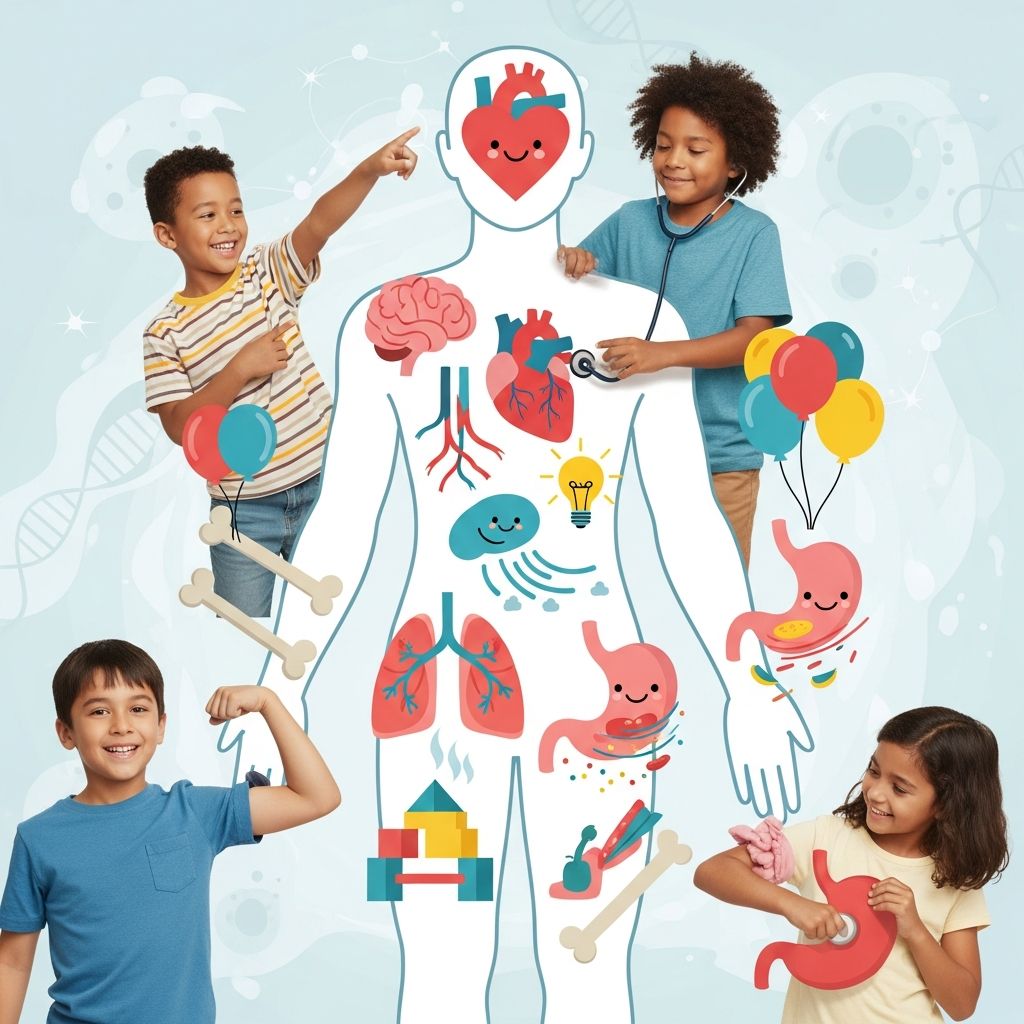
Scientists and doctors often talk about body systems. A system is a group of parts that work together to do important jobs. Here are some of the most important systems that keep you alive and active:
- Nervous system – your body’s control center and message network
- Circulatory system – moves blood, oxygen, and nutrients around
- Respiratory system – lets you breathe air in and out
- Digestive system – turns food into fuel and building blocks
- Muscular and skeletal systems – your body’s movers and support frame
- Immune system – protects you from germs and infections
- Endocrine system – uses hormones to control growth, energy, and more
- Urinary and skin systems – help remove waste and protect your body
Each system has its own job, but none of them works alone. They constantly share information and help one another.
Your Brain and Nerves: Command Center of You
The nervous system includes your brain, spinal cord, and millions of nerves that spread through your whole body. According to child health experts, the brain uses networks of nerve cells to control movement, thinking, and feelings.
The Brain’s Main Jobs
- Thinking and memory – solving problems, remembering names, doing homework
- Controlling movement – telling your muscles when to move and how
- Managing feelings – helping you feel happy, worried, excited, or calm
- Automatic control – running things you do not think about, like breathing and heartbeat
How Nerves Send Messages
Nerves are like super-fast wires that carry tiny electrical signals between your brain and the rest of your body. Signals travel through special cells called neurons. These messages tell muscles when to move, skin when to send pain signals, and organs what to do.
Your Beating Heart and Blood Highway
The circulatory system is made of your heart, blood, and blood vessels. The heart is a strong muscle that pumps blood about once every second. Health organizations explain that this system delivers oxygen and nutrients to cells and carries away waste.
What Blood Does
- Red blood cells bring oxygen from your lungs to your whole body.
- White blood cells fight germs that can make you sick.
- Platelets help your blood clot when you get a cut.
- Plasma is the liquid that carries these cells along.
Arteries and Veins
Blood moves through long tubes called blood vessels:
- Arteries carry blood away from the heart, full of oxygen.
- Veins bring blood back to the heart after the oxygen has been used.
This never-ending loop is what keeps every part of you supplied with what it needs.
Lungs and Breathing: Getting Oxygen In
Your respiratory system lets you breathe air in and out. The main parts are the nose, mouth, windpipe, and lungs. When you inhale, air travels down to your lungs, where tiny air sacs called alveoli pass oxygen into your blood.
Breathing Step by Step
- You breathe in through your nose or mouth.
- Air goes down your windpipe and into your lungs.
- Oxygen moves from your lungs into your blood.
- Your heart pumps oxygen-rich blood around your body.
- You breathe out carbon dioxide, a waste gas your body does not need.
Food to Fuel: Your Digestive System
When you eat, your digestive system breaks food into very tiny pieces that your body can use. Good nutrition is key for children’s growth, energy, and health.
The Food Journey
| Body Part | What It Does With Food |
|---|---|
| Mouth | Teeth grind food; saliva starts breaking it down. |
| Esophagus | A stretchy tube that pushes food to the stomach. |
| Stomach | Churns and mixes food with strong juices. |
| Small intestine | Breaks food down more and absorbs nutrients. |
| Large intestine | Absorbs water and forms solid waste (poop). |
Helpers: Liver and Pancreas
- The liver makes bile to help digest fats and handles many chemicals.
- The pancreas makes juices that digest food and hormones like insulin that help control blood sugar.
Muscles and Bones: Move, Jump, and Stand Tall
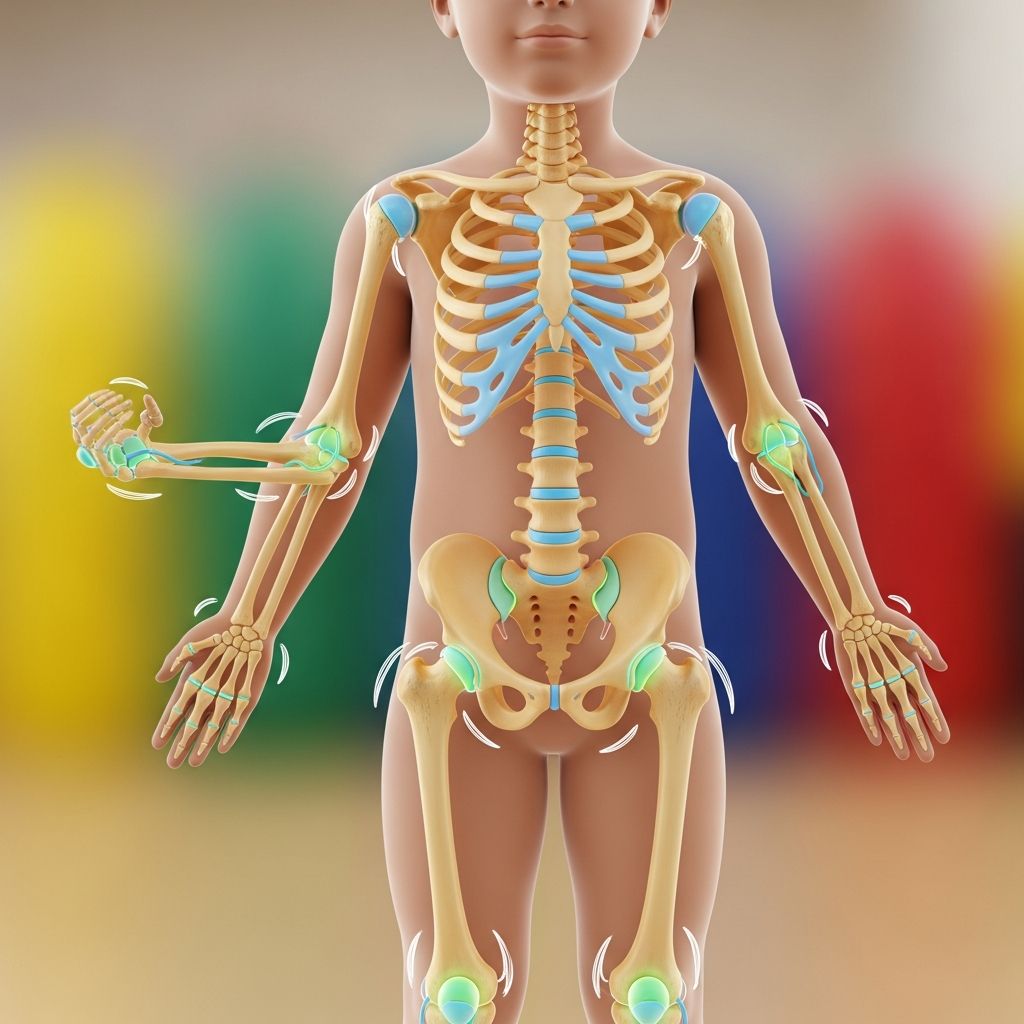
Your skeletal system (bones) and muscular system (muscles) work together so you can move and stay upright.
What Your Bones Do
- Give your body shape and support
- Protect soft organs (your skull protects your brain, ribs protect your heart and lungs)
- Store minerals like calcium to keep bones strong
- Make new blood cells inside bone marrow
Types of Muscles
- Skeletal muscles – attached to bones; you control them to walk, run, or smile.
- Smooth muscles – work automatically in organs like the stomach and intestines.
- Cardiac muscle – found only in the heart; it beats without you thinking about it.
Children need daily physical activity to build strong muscles and bones and support healthy growth.
Your Body’s Shield: The Immune System
Germs like viruses and bacteria can cause disease, but your immune system is there to protect you. The World Health Organization notes that infections are a major cause of illness for children, especially when health care or vaccines are limited.
How Your Immune System Protects You
- Barriers like skin and nose hairs keep many germs out.
- White blood cells recognize and attack invaders.
- Antibodies remember germs so your body can fight them faster next time.
Vaccines: Training for Your Defenses
Vaccines are special shots that train your immune system to recognize certain germs without making you seriously ill. Health organizations around the world recommend vaccines as one of the best ways to prevent dangerous childhood diseases.
Hormones and Growing Up: The Endocrine System
The endocrine system uses chemical messengers called hormones to control many body functions. Glands release hormones into your blood, and these messages tell parts of your body how to act.
Important Glands
- Pituitary gland – helps control growth and many other hormones.
- Thyroid – affects how fast your body uses energy.
- Pancreas – controls blood sugar with insulin and other hormones.
- Adrenal glands – help you respond to stress and danger.
During childhood and especially around puberty, hormones guide the big changes in your height, body shape, and even emotions.
Waste Removal: Kidneys, Bladder, and Skin
Your body makes waste all the time, and it needs to get rid of it to stay healthy.
Urinary System
- Kidneys filter your blood, removing extra water and waste.
- Ureters carry liquid waste (urine) to the bladder.
- Bladder stores urine until you go to the bathroom.
Skin: Your Largest Organ
Your skin is more than just a cover. It:
- Protects you from germs, cuts, and sun damage
- Helps control your body temperature (you sweat when you are hot)
- Lets you feel touch, pain, heat, and cold
Five Senses: How You Explore the World
Your senses help you understand what is happening around you and keep you safe.
- Sight – eyes help you see light, color, and movement.
- Hearing – ears pick up sounds and help with balance.
- Smell – nose recognizes different odors, from flowers to smoke.
- Taste – tongue senses sweet, salty, sour, bitter, and more.
- Touch – skin feels pressure, pain, and temperature.
The brain combines signals from all these senses so you can react quickly, like moving your hand away from something hot.
Cells: Tiny Building Blocks of Life
Every part of your body is made of tiny units called cells. You have trillions of them. Different cells do different jobs:
- Muscle cells help you move.
- Nerve cells carry messages.
- Skin cells form a protective layer.
- Blood cells carry oxygen or fight infection.
When you grow, your cells divide to make more cells. When you heal from a cut, new cells replace damaged ones.
Growing Up Healthy: Habits That Help Your Body
Your body works hard for you, so it needs your help too. Experts in child health say that nutrition, physical activity, sleep, and regular checkups are all important for children’s physical health and development.
Healthy Eating Tips
- Fill your plate with colorful fruits and vegetables.
- Choose whole grains when you can.
- Drink mainly water and milk instead of sugary drinks.
- Limit very salty, sugary, or fried foods.
Move Your Body Every Day
- Play active games outside (tag, riding a bike, jumping rope).
- Join sports or dance if you enjoy them.
- Take breaks from screens to stretch and move around.
Sleep and Checkups
- Have a regular bedtime and calming routine.
- Keep screens out of bed to fall asleep more easily.
- Visit your doctor and dentist for regular checkups, not just when you feel sick.
- Stay up to date on vaccines to prevent serious diseases.
Frequently Asked Questions About How the Body Works
Why does my heart beat faster when I run?
When you run, your muscles need more oxygen and energy. Your heart beats faster to pump extra blood, carrying oxygen and nutrients quickly to your working muscles.
Why do I breathe harder after exercising?
Your body uses more oxygen and makes more carbon dioxide when you are active. Breathing faster helps bring in more oxygen and push out carbon dioxide so your cells can keep working.
What are germs, and why do I get sick?
Germs are tiny living things like viruses and bacteria that can get into your body and cause disease. Your immune system usually fights them off, but sometimes they win for a while and you feel sick until your defenses catch up.
Why do I need to eat vegetables if I don’t like them?
Vegetables give your body vitamins, minerals, and fiber that help your heart, eyes, skin, and immune system work well. Even if you do not love them yet, trying small bites in different ways can help you find ones you like.
How can I keep my body healthy?
You can help your body by eating balanced meals, staying active every day, getting enough sleep, washing your hands, brushing your teeth, wearing safety gear like helmets, and going to regular checkups with your doctor and dentist.
References
- Information about young children (ages 4–11) — Centers for Disease Control and Prevention. 2023-09-18. https://www.cdc.gov/parents/children/index.html
- Supporting Children’s Physical Health — ChildCare.gov, U.S. Department of Health and Human Services. 2022-06-01. https://childcare.gov/consumer-education/support-my-childs-health-development/supporting-childrens-physical-health
- Child health — World Health Organization. 2023-10-11. https://www.who.int/health-topics/child-health
- Bright Futures: Guidelines for Health Supervision of Infants, Children, and Adolescents, 4th Edition — American Academy of Pediatrics. 2017-10-01. https://www.aap.org/en/practice-management/bright-futures/bright-futures-materials-and-tools/bright-futures-guidelines-and-pocket-guide/
- HealthyChildren.org — American Academy of Pediatrics. 2024-05-01. https://www.healthychildren.org