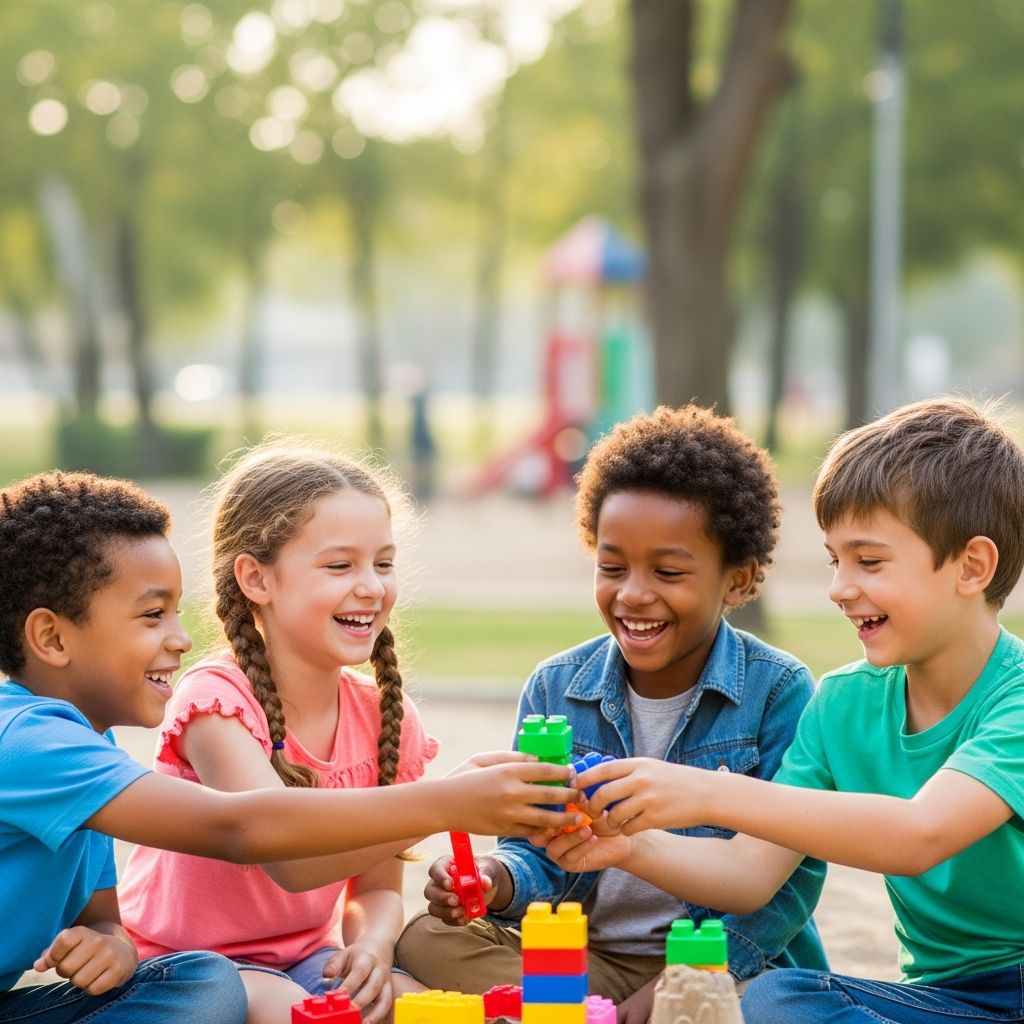
Forming friendships is a cornerstone of childhood development, influencing emotional well-being, social skills, and even academic success. As children grow, their understanding of friendship evolves from simple play-based interactions to deep, reciprocal relationships. Parents play a vital role in guiding this process by providing opportunities for interaction and teaching essential social tools.
Understanding the Evolution of Peer Bonds
Children’s friendships progress through distinct phases, each reflecting cognitive and emotional milestones. This progression, first outlined by developmental psychologist Robert Selman, helps parents gauge what’s typical at each age and intervene when needed.
Early Foundations: Play-Based Connections (Ages 3-7)
In the initial stage, known as momentary playmates, young children see friends as anyone available for immediate fun. Proximity and shared activities define these bonds, with little regard for loyalty or future plans. A child might declare someone a friend simply because they are playing nearby, but switch without distress if another child offers a more appealing toy.
This phase aligns with egocentric thinking, where perspective-taking is limited. Parents can support growth by arranging playdates in consistent settings like parks or preschool, encouraging repeated interactions that build familiarity.
Pragmatic Exchanges: One-Way Assistance (Ages 4-9)
As cognitive skills advance, children enter a phase of one-way assistance. Friends become those who provide tangible benefits, like sharing snacks or toys. Reciprocity is understood but not always mutual; a child expects favors without necessarily returning them right away.
Here, fairness begins to emerge rigidly. If expectations aren’t met, friendships can dissolve quickly. To nurture balance, parents should model turn-taking during family games and discuss feelings post-play, asking questions like, “How did it feel when your friend shared?”.
Fair-Weather Alliances: Two-Way Cooperation (Ages 6-12)
Middle childhood brings two-way fair-weather cooperation. Children now consider mutual benefits, cooperating as long as it serves both parties. They grasp turn-taking and basic rules but remain judgmental, often harshly self-critiquing appearances or behaviors.
Small groups form around shared interests, like sports or games. Conflicts arise over rigid reciprocity—”You owe me because I let you go first last time.” Parental guidance involves teaching negotiation: role-play scenarios where kids practice compromising without score-keeping.
Deepening Intimacy: Mutual Sharing (Ages 9-15)
Preteens shift to intimate, mutually shared relationships. Friends become confidants for secrets, problems, and emotions. Loyalty is prized, and acts of kindness stem from genuine care rather than obligation. This stage often features intense “best friend” dynamics, especially among girls, who may feel betrayed by divided attentions.
Compromise improves, but possessiveness can lead to drama. Encourage independence by facilitating group activities and discussing healthy boundaries, emphasizing that true friends support individual pursuits.
Mature Interdependence: Lifelong Connections (Adolescence+)
By adolescence, friendships reach autonomous interdependence. Emotional closeness persists, but with acceptance of differences and other relationships. Friends offer trust, support, and space for personal growth, enduring separations like college moves.
This maturity fosters resilience. Parents can reinforce it by celebrating diverse friendships and modeling adult bonds that balance closeness with autonomy.
Key Strategies for Fostering Social Skills
Beyond stages, practical steps empower kids to connect. Structured opportunities, like clubs or sports, provide low-pressure mixing.
- Organize Play Opportunities: Regular playdates or classes expose kids to peers, building comfort through repetition.
- Teach Conversation Starters: Practice openers like “What’s your favorite game?” to ease initiations.
- Model Empathy: Narrate your interactions: “I felt happy when my friend listened—how about you?”
- Encourage Inclusivity: Prompt inviting others: “Ask if they want to join your game.”
- Promote Conflict Resolution: Use “I feel… I need…” statements to express needs calmly.
Age-Specific Tips Table
| Age Group | Focus Skill | Parent Action |
|---|---|---|
| 3-5 | Parallel Play Transition | Provide toys for sharing; supervise gently |
| 6-8 | Turn-Taking | Board games with clear rules |
| 9-12 | Negotiation | Role-play disagreements |
| 13+ | Boundary Setting | Discuss group dynamics |
Navigating Common Social Challenges
Not all kids form friends effortlessly. Shy children may hover on sidelines; those with ADHD or autism face extra hurdles in reading cues. Watch for isolation signs: withdrawal, frequent complaints of exclusion, or aggression masking hurt.
Intervene subtly—don’t rescue, but coach. For bullies or excludees, address root causes like low self-esteem. Schools often offer social skills groups; seek pediatric advice for persistent issues.
The Lasting Impact of Strong Friendships
Quality peer ties buffer stress, boost self-esteem, and predict adult success. Longitudinal studies link early friendships to better mental health and academics. Conversely, chronic loneliness raises anxiety risks.
Invest now: friendships teach resilience, empathy, and joy. Your support lays the groundwork for a socially adept adult.
Frequently Asked Questions (FAQs)
What if my child struggles to make friends?
Observe patterns and provide targeted practice, like structured clubs. Consult professionals if isolation persists beyond a few months.
How much parental involvement is ideal?
Guide without hovering—observe from afar post-age 7 to build independence.
Do gender differences matter in friendships?
Girls often prioritize emotional intimacy earlier; boys favor activity-based bonds. Both evolve similarly.
Can screen time hinder friendships?
Excessive use limits real interactions; balance with outdoor play.
When do best friendships form?
Typically ages 9-12, peaking in intensity before maturing.
References
- Friendship in children: A research-based guide to peer relationships — Parenting Science. 2023. https://parentingscience.com/friendship-in-children/
- The 5 Stages of Childhood Friendships — Boston Tutoring Services. 2024-04. https://bostontutoringservices.com/blog/2024/04/stages-childhood-friendships/
- The 5 Stages of Children’s Friendships — Kids First. 2023. https://kids-first.com.au/the-5-stages-of-childrens-friendships/
- 19.5.1: Friendships — Social Sci LibreTexts (Pittsburg State University). 2023. https://socialsci.libretexts.org/Courses/Pittsburg_State_University/The_Developing_Child/19:_Social_and_Emotional_Development_in_Middle_Childhood/19.05:_Peer_Relationships/19.5.01:_Friendships
- The Stages of Friendship — Currey Ingram Academy. 2023. https://blog.curreyingram.org/blog/the-stages-of-friendship