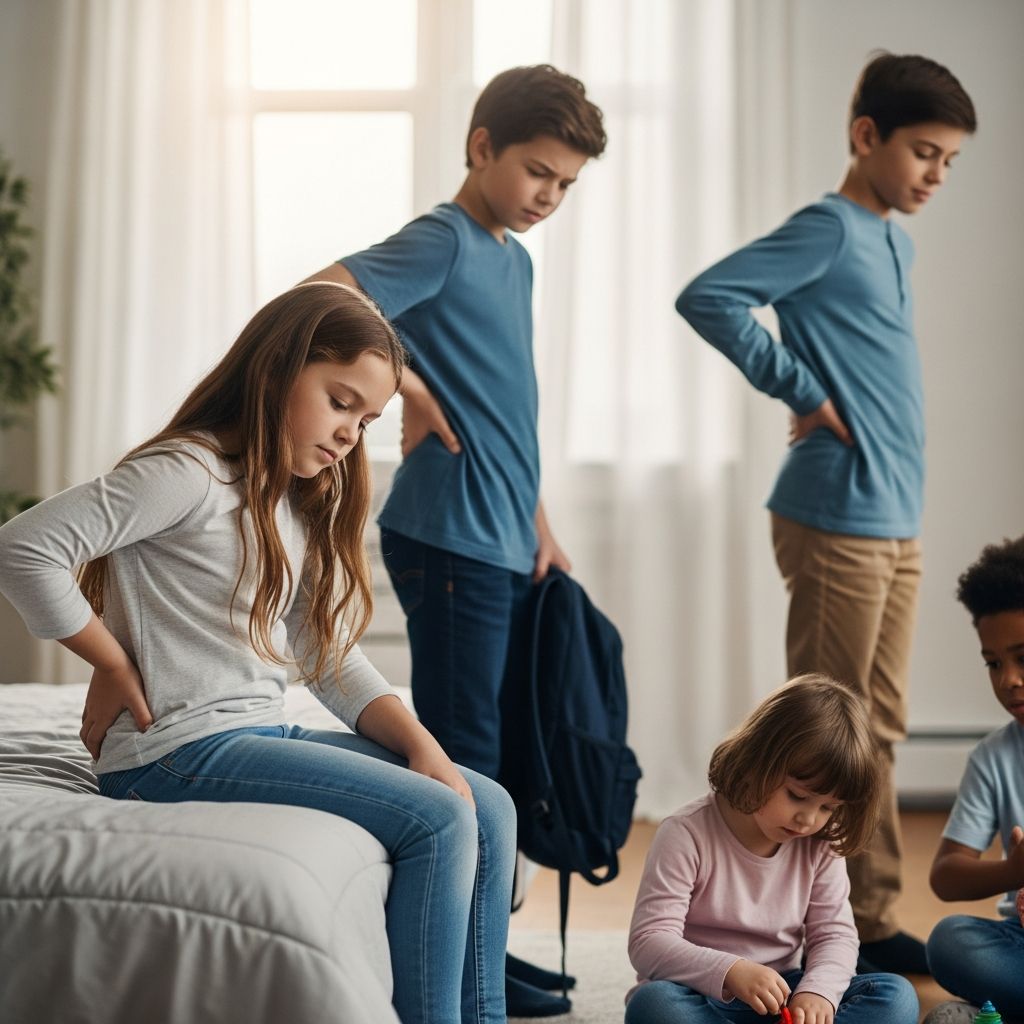
Salmonella bacteria cause a widespread intestinal infection known as salmonellosis, which particularly affects young children due to their developing immune systems. Parents play a crucial role in recognizing early signs and implementing preventive measures to avoid severe outcomes.
Understanding the Nature of Salmonella Bacteria
Salmonella is a group of rod-shaped bacteria thriving in the intestines of humans and animals, leading to foodborne illnesses when ingested in contaminated sources. Over 2,500 serotypes exist, but non-typhoidal strains like Salmonella enteritidis and Typhimurium are most common in pediatric cases, often linked to undercooked poultry or reptile contact.
These pathogens survive harsh conditions, including stomach acid, to invade intestinal lining cells, disrupting water absorption and triggering inflammation. In children, this results in heightened vulnerability, with symptoms manifesting more intensely than in adults. Globally, Salmonella contributes to millions of cases annually, underscoring the need for parental vigilance.
Primary Transmission Routes for Kids
- Contaminated Foods: Raw or undercooked eggs, poultry, meat, and unpasteurized milk are prime culprits, as animal feces harboring bacteria contaminate these during processing.
- Pet and Reptile Exposure: Turtles, lizards, and frogs shed Salmonella in feces; children touching them or their habitats without handwashing risk infection.
- Person-to-Person Spread: In daycare or homes, poor hygiene after diaper changes or toilet use facilitates transmission via fecal-oral route.
- Environmental Factors: Polluted water or unclean surfaces in kitchens amplify risks during food prep.
Children under 5 face elevated dangers from exploratory behaviors like mouthing objects, making hygiene education essential from toddlerhood.
Recognizing Early Warning Signs in Young Ones
Symptoms typically emerge 12 to 96 hours post-exposure, peaking within days. Common indicators include watery or bloody diarrhea, high fever (often 102°F or higher), severe abdominal cramps, nausea, vomiting, and headaches.
| Symptom | Typical Onset | Severity in Children |
|---|---|---|
| Diarrhea | Day 1-2 | Frequent, loose stools leading to rapid dehydration |
| Fever | Concurrent | 102-104°F, persistent chills |
| Stomach Pain | Immediate | Cramping, bloating sensations |
| Vomiting | Variable | Intermittent, worsens fluid loss |
In infants, watch for lethargy, reduced wet diapers, dry mouth, or sunken eyes signaling dehydration. Severe cases may progress to bloodstream invasion (bacteremia), reactive arthritis, or meningitis, especially in immunocompromised kids. Duration averages 4-7 days, but complications extend recovery.
When Symptoms Demand Immediate Medical Attention
Most cases resolve with home care, but seek urgent care if a child shows bloody stools, fever over 102°F lasting more than 3 days, signs of dehydration (no tears, dizziness), or symptoms persisting beyond a week. High-risk groups—infants under 3 months, sickle cell patients, or those on chemotherapy—require prompt evaluation.
Healthcare providers diagnose via stool cultures, sometimes blood tests for systemic spread. Early intervention prevents hospitalization, which occurs in about 20% of pediatric cases.
Effective Management and Treatment Approaches
Primary treatment emphasizes hydration to counter fluid loss from diarrhea. Oral rehydration solutions (ORS) with precise electrolyte balances outperform plain water or juices, preventing hyponatremia.
- For Mild Cases: Frequent small sips of ORS, breast milk for infants, or clear broths. Avoid dairy, caffeine, and sugary drinks that exacerbate diarrhea.
- Severe Dehydration: IV fluids in hospitals restore balance swiftly.
- Medications: Antipyretics like acetaminophen ease fever; avoid anti-diarrheals (e.g., loperamide) in kids under 12, as they prolong bacterial shedding.
Antibiotics are reserved for invasive infections, using ceftriaxone or azithromycin for 7-14 days based on sensitivities. Routine use risks resistance and carrier states. In enteric fever variants, corticosteroids like dexamethasone reduce mortality in delirious patients. Nutritional support with bland diets (bananas, rice, applesauce, toast—BRAT) aids gut recovery post-acute phase.
Proven Strategies to Safeguard Your Family
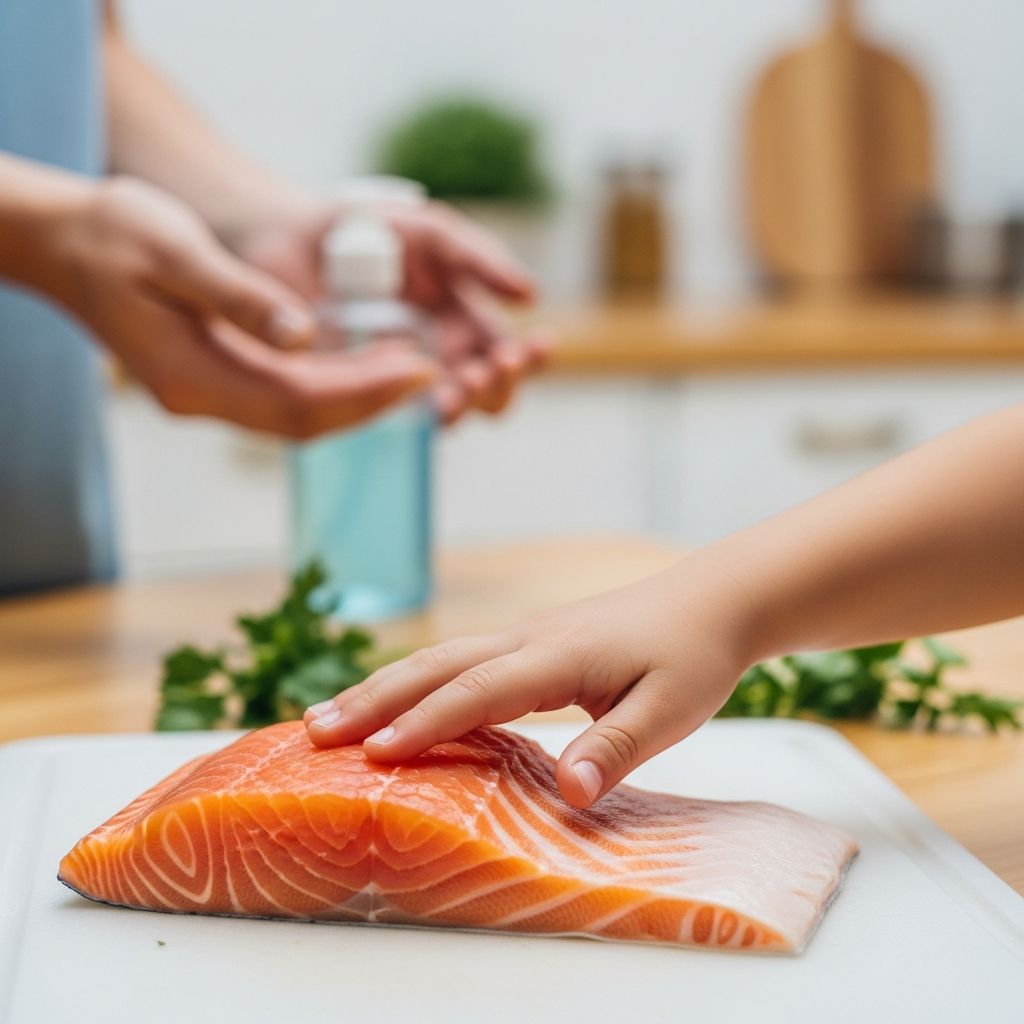
Prevention hinges on breaking transmission chains through daily habits. The FDA and CDC advocate the ‘clean, separate, cook, chill’ mantra for food safety.
- Kitchen Hygiene: Wash hands, utensils, and surfaces with soap after raw meat handling. Sanitize cutting boards.
- Cooking Standards: Heat poultry to 165°F, eggs until yolks solidify. Use food thermometers.
- Pet Protocols: Supervise reptile interactions; wash hands immediately after. Keep tanks out of kitchens.
- Child Training: Teach handwashing before meals, after play, and post-toileting. No sharing utensils during outbreaks.
- Outbreak Awareness: Recall alerts for contaminated produce or eggs; pasteurize juices.
Vaccines exist for travelers to high-risk areas but not routine pediatric use. Probiotics show promise in shortening diarrhea duration, though evidence varies.
Special Considerations for Vulnerable Children
Infants, preschoolers, and those with chronic illnesses face amplified risks. Colostrum-deficient newborns or stressed young animals in farms mirror human vulnerabilities, with fever preceding diarrhea. Pregnant mothers should avoid high-risk foods to prevent fetal exposure.
Chronic carriers, rare in kids, harbor bacteria in gallbladders, necessitating prolonged antibiotics or surgery in adults. Post-infection, monitor for irritable bowel-like symptoms or joint pains signaling complications.
Common Myths and Facts About Salmonella
| Myth | Fact |
|---|---|
| Antibiotics cure all cases | They can prolong shedding; used only for severe infections |
| Only food causes it | Reptiles and poor hygiene are major vectors too |
| It’s always fatal | Fatalities are rare (<1%) with proper care; 450 US deaths yearly mostly in elderly |
Frequently Asked Questions (FAQs)
Can my child return to school with Salmonella?
Wait until diarrhea-free for 48 hours without anti-diarrheals and fever-free. Notify school for cleaning protocols.
Is Salmonella contagious between siblings?
Yes, via contaminated surfaces or hands. Isolate affected child and disinfect rigorously.
How effective is hand sanitizer versus soap?
Soap and water are superior for fecal bacteria; sanitizer insufficient alone.
Should I give yogurt during infection?
Probiotic yogurts may help, but avoid dairy if lactose intolerant during acute phase.
What if symptoms recur after recovery?
Consult a doctor; could indicate reinfection, carrier status, or complications like Reiter’s syndrome.
Long-Term Health Impacts and Monitoring
Most children recover fully without sequelae, but 2-5% develop post-infectious issues like arthritis or Guillain-Barré syndrome. Track growth, stool patterns, and energy levels post-illness. Annual well-child visits allow screening for persistent carriers in at-risk families.
Public health tracks outbreaks via PulseNet, enabling rapid recalls. Parents reporting symptoms aid surveillance. By fostering hygiene cultures, families minimize recurrence risks.
References
- Salmonella – StatPearls — NCBI Bookshelf / NIH. 2023-10-01. https://www.ncbi.nlm.nih.gov/books/NBK555892/
- Salmonella infection – Diagnosis & treatment — Mayo Clinic. 2023-08-15. https://www.mayoclinic.org/diseases-conditions/salmonella/diagnosis-treatment/drc-20355335
- Salmonellosis: Background, Management and Control — Cornell University College of Veterinary Medicine. 2022-05-20. https://www.vet.cornell.edu/animal-health-diagnostic-center/programs/nyschap/modules-documents/salmonellosis-background-management-and-control
- Salmonella: Outbreaks, Causes, Symptoms & Treatment — Cleveland Clinic. 2024-01-10. https://my.clevelandclinic.org/health/diseases/15697-salmonella
- Causes and Symptoms of Salmonellosis — Minnesota Department of Health. 2023-11-05. https://www.health.state.mn.us/diseases/salmonellosis/basics.html
- Treatment of Salmonella Infection — CDC. 2024-02-12. https://www.cdc.gov/salmonella/treatment/index.html
- Salmonella (Salmonellosis) — FDA. 2023-09-28. https://www.fda.gov/food/foodborne-pathogens/salmonella-salmonellosis