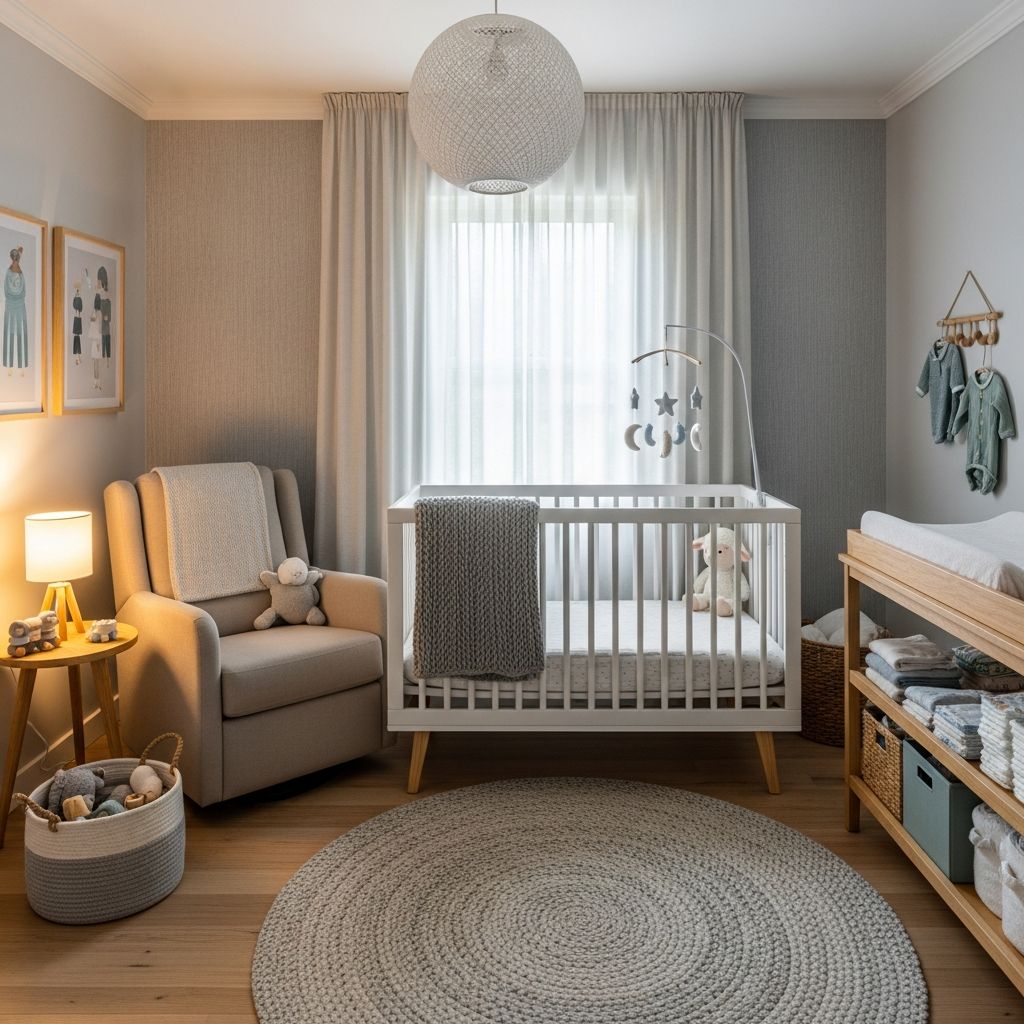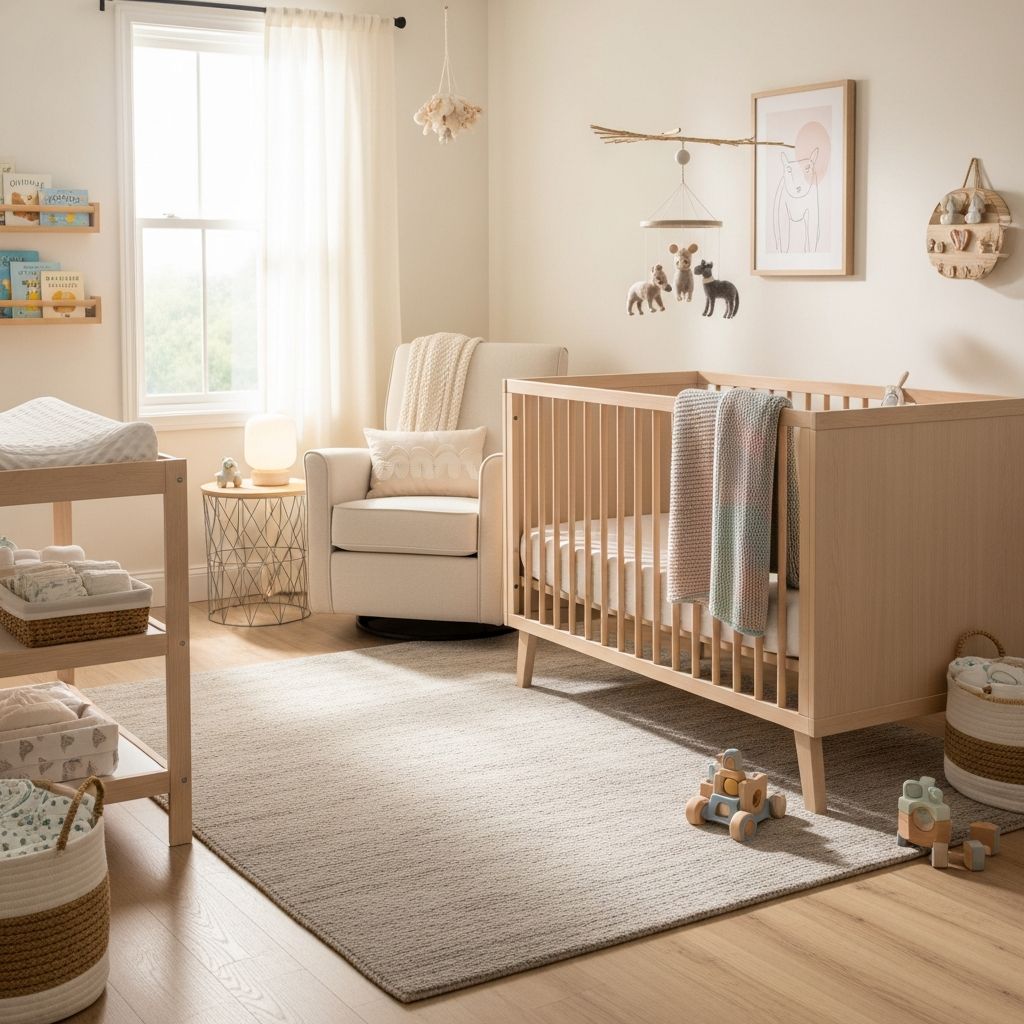
Designing a nursery involves balancing aesthetics with unwavering safety standards. Parents aim for spaces that soothe and inspire while protecting infants from common hazards. This guide explores foundational elements like flooring choices, furniture arrangements, lighting strategies, and decor options to build an environment that’s both beautiful and secure.
Foundations of a Secure Nursery Floor
The floor serves as the base for all nursery activities, from tummy time to first steps. Selecting appropriate materials minimizes slip risks and allergens. Opt for cushioned surfaces like interlocking foam mats or thick area rugs made from natural fibers such as wool or organic cotton. These provide softness underfoot and reduce injury from falls.
Avoid traditional wall-to-wall carpeting, which harbors dust mites and pet dander. Instead, use removable carpet tiles that install without adhesives, preventing exposure to volatile organic compounds (VOCs). Non-slip backings on rugs ensure stability, crucial for crawlers and walkers. Place a durable entry mat at the door to trap outdoor dirt, maintaining cleanliness and adding a welcoming touch.
- Choose low- or zero-VOC flooring finishes for better indoor air quality.
- Incorporate play mats in high-traffic zones for extra padding.
- Regular vacuuming with HEPA filters keeps surfaces allergen-free.
Strategic Furniture Placement for Functionality
Furniture layout optimizes workflow while prioritizing safety. Core pieces include the crib, changing station, dresser, and a glider chair. Position the crib away from windows, vents, and doors to avoid drafts and cords. Ensure at least 3 feet of clearance around it for easy access.
Anchor all furniture to walls using brackets to prevent tip-overs, a leading cause of nursery injuries. Select items with rounded edges and stable bases. Multifunctional dressers that double as changing tables save space in smaller rooms. A nearby rocker or glider with a side table supports nighttime routines comfortably.
| Furniture Item | Safety Features | Style Tips |
|---|---|---|
| Crib | Meets CPSC standards, slats <2.375 inches apart | Neutral wood tones for timeless appeal |
| Changing Table | Contoured pad, straps, 30+ inches high | Open shelves for quick access |
| Glider Chair | Smooth motion, sturdy frame | Upholstered in breathable fabrics |
Non-Toxic Materials for Healthier Air
Infants spend significant time on or near nursery surfaces, making material choices vital. Prioritize GREENGUARD Gold certified paints and finishes, which limit chemical emissions. Organic cotton or bamboo fabrics for bedding resist allergens and irritants. Avoid PVC-based plastics in toys and mattresses due to phthalate risks.
Furniture crafted from solid wood or FSC-certified sources ensures durability without formaldehyde off-gassing. Wall treatments like peel-and-stick decals offer decoration without solvents. Ventilation plays a role—use exhaust fans and air purifiers to maintain fresh air circulation.
Illuminating Safely: Lighting Layers
Proper lighting supports sleep cycles and caregiving tasks. Combine ambient, task, and accent layers. Dimmable overhead fixtures provide flexibility, while clip-on lamps illuminate changing areas without glare. Nightlights with motion sensors offer soft glows for midnight checks.
Secure cords with wraps and anchors, keeping them high or hidden. LED bulbs stay cool to the touch, reducing burn risks. Blackout curtains control daylight, aiding naps, and double as cord barriers when properly installed.
- Install outlet covers on all unused sockets.
- Use cord shorteners for blinds and lamps.
- Opt for smart plugs for remote control.
Creating Dedicated Zones for Play and Rest
Divide the nursery into distinct areas: sleep, change, and play. A dedicated play zone with padded floors encourages exploration safely. Use baby gates to section off spaces if needed. Storage solutions like bins and shelves keep toys organized, minimizing clutter hazards.
Incorporate sensory elements mindfully—soft textures, subtle patterns. A small tent or playpen adds enclosure without confinement. Ensure zones flow logically for parental convenience, like placing the changing table near the crib.
Elevating Aesthetics with Thoughtful Decor
Style enhances emotional well-being without compromising safety. Neutral palettes with pastel accents create calm. Wallpaper or murals in low-VOC options add personality. Hang mobiles high above reach, secured firmly. Framed art at adult eye level prevents toppling.
Textiles like curtains and throws in machine-washable, flame-retardant fabrics layer warmth. Mirrors placed securely encourage self-discovery. Personal touches, such as name signs, blend sentiment with style.
Essential Safety Gear Integration
Beyond basics, integrate monitors, humidifiers, and sound machines. Wall-mount video monitors to eliminate cords. Choose cool-mist humidifiers to prevent scalds. Baby-proof cabinetry with locks if storing supplies.
Smoke and carbon monoxide detectors are non-negotiable, tested monthly. A first-aid kit stocked for infants stays accessible yet locked.
Color Psychology and Timeless Schemes
Colors influence mood—blues and greens soothe, yellows energize. Gender-neutral schemes like soft grays and sages endure beyond infancy. Test samples in natural light for true tones. Accent walls draw the eye safely.
Maintaining Your Nursery Over Time
Safety evolves with baby’s milestones. Monthly checks for loose screws, worn fabrics. Transition crib to toddler bed per guidelines. Refresh decor seasonally for engagement.
Frequently Asked Questions
What are the must-have safety certifications for nursery items?
Look for CPSC, ASTM, JPMA, and GREENGUARD certifications ensuring compliance with rigorous standards.
How can I make a small nursery feel spacious?
Use light colors, mirrors, vertical storage, and multifunctional furniture to maximize flow and openness.
Are blackout curtains safe for nurseries?
Yes, when cordless or with tension rods and safety anchors to eliminate strangulation risks.
What flooring is best for allergy-prone babies?
Hardwood with washable rugs or foam tiles, easy to clean and hypoallergenic.
Can I use adult furniture in the nursery?
Yes, if stable, anchored, and appropriately sized; thrift finds often work well with modifications.
References
- 6 Design Tips for Creating Baby-Safe Nursery Rooms — Woombie. 2023-05-15. https://woombie.com/blog/post/6-design-tips-for-creating-baby-safe-nursery-rooms
- 13 Nursery Design Ideas That Never Go Out Of Style — Newton Baby. 2024-02-10. https://www.newtonbaby.com/blogs/nursery/nursery-design
- Nursery Inspiration — Farrow & Ball. 2025-01-20. https://www.farrow-ball.com/room-inspiration/nursery-ideas
- Nursery Design Ideas To Inspire — Studio McGee. 2024-08-05. https://studio-mcgee.com/nursery-design-tips/
- 31 Timeless Modern Nursery Ideas — West Elm. 2025-03-12. https://www.westelm.com/pages/ideas-and-advice/31-timeless-modern-nursery-ideas/