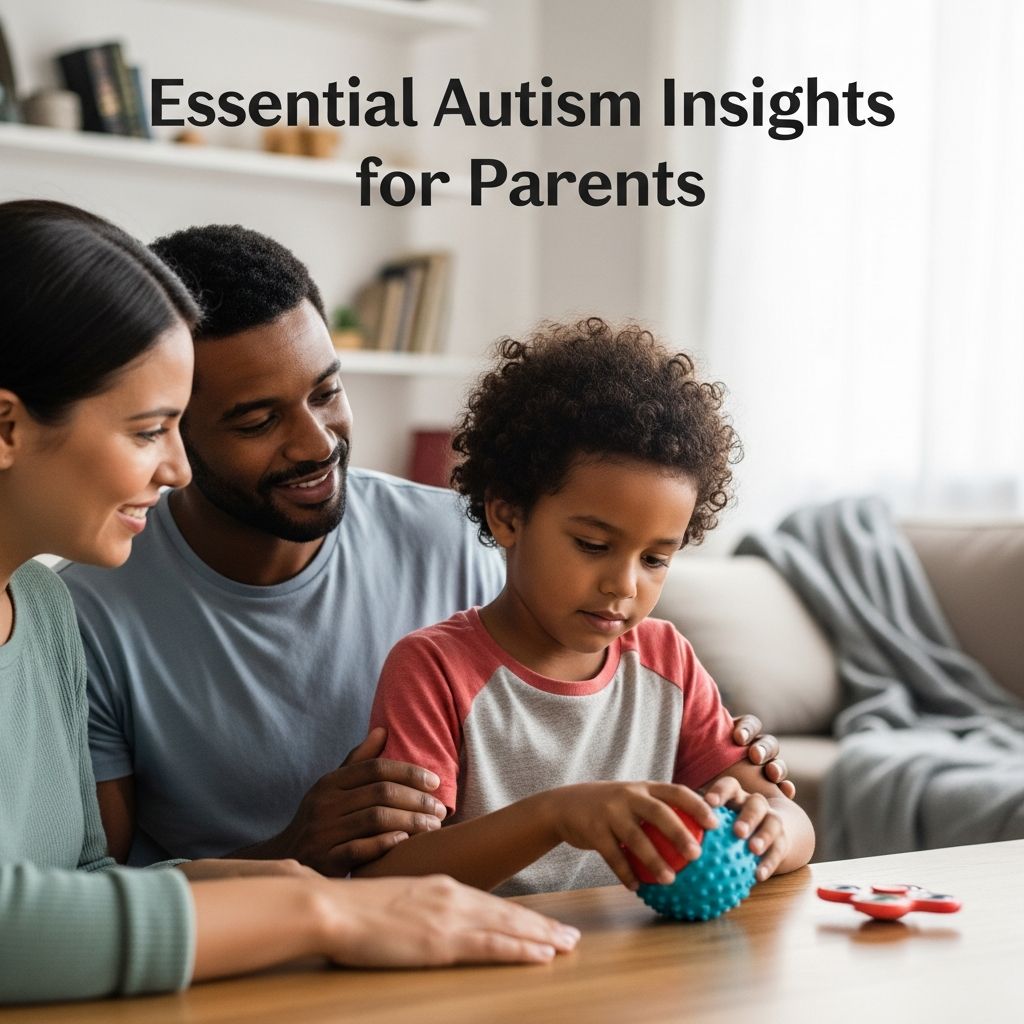
Autism spectrum disorder (ASD) affects millions worldwide, with diagnosis rates steadily climbing due to enhanced awareness and screening. Parents navigating this journey need reliable information to understand their child’s unique needs and access appropriate support. This article delves into prevalence trends, demographic patterns, diagnostic processes, associated challenges, and proven strategies for fostering development.
Current Trends in Autism Prevalence
The latest data reveals a notable increase in autism diagnoses among children. In the United States, approximately 1 in 36 children receives an ASD diagnosis, marking a rise from previous estimates of 1 in 44. This trend reflects broader global patterns, where the World Health Organization estimates about 1 in 100 children worldwide are affected, though rates vary by region due to differences in diagnostic access.
Recent CDC reports from 2025 highlight even higher figures, with 1 in 31 eight-year-olds identified across monitoring sites, up from 1 in 36 in prior years. Factors driving this include improved outreach, reduced stigma, and better screening in underserved communities. For context, profound autism—requiring lifelong intensive support—affects about 26.7% of diagnosed eight-year-olds.
- U.S. Historical Shift: From 1 in 150 in 2000 to 1 in 31 today, a 312% increase over two decades.
- Global Variance: Higher in high-resource areas; underreported in low-income countries.
- 2026 Projections: Estimates suggest ongoing births with autism traits, with tools tracking around 165,338 worldwide by mid-year based on prevalence models.
Demographic Patterns: Who Is Diagnosed and Why
Autism manifests differently across demographics, influencing diagnosis rates. Boys face a diagnosis risk nearly four times higher than girls, with ratios around 4:1, though emerging research suggests underdiagnosis in females due to subtler presentations.
Racial and ethnic disparities are shifting. Current U.S. data shows higher prevalence among Asian/Pacific Islander (3.34%), Hispanic (3.16%), Black (2.93%), and White (2.43%) children aged eight. This inversion from past trends stems from expanded services in diverse communities.
| Group | Prevalence Rate (%) | Per 1,000 Children |
|---|---|---|
| Asian/Pacific Islander | 3.34 | 33.4 |
| Hispanic | 3.16 | 31.6 |
| Black | 2.93 | 29.3 |
| White | 2.43 | 24.3 |
Adult prevalence stands at 1 in 45, underscoring lifelong impacts. State-level variations exist, with California reporting up to 1 in 19 among eight-year-olds.
The Diagnosis Journey: Timing and Indicators
Early identification is crucial, yet the median diagnosis age hovers at 47 months—nearly four years—for many children. Only half are identified by age three, delaying interventions. Signs often emerge in early childhood, including social communication challenges, repetitive behaviors, and sensory sensitivities.
Improved tools and awareness contribute to earlier detections, especially at age four (1 in 34 prevalence). Parents should monitor milestones: limited eye contact, delayed speech, or intense interests in specific objects. Professional evaluation via developmental screenings is essential.
- Early Signs: Atypical social responses, echolalia, or motor delays.
- Diagnostic Range: From 1 in 103 (some Texas sites) to 1 in 19 (California).
- Co-Occurring ID: 39.6% of cases involve intellectual disability.
Common Co-Occurring Conditions and Their Management
Autism rarely occurs in isolation. Up to 30% of children experience epilepsy, while anxiety, ADHD, and sleep issues are prevalent, complicating daily life. These overlaps necessitate holistic care plans.
Mental health support is vital, as many face heightened emotional regulation challenges. Educational data shows 73.6% of autistic students earn high school diplomas, 19% certificates, and 8% drop out—rates demanding tailored IEPs.
| Condition | Prevalence in ASD | Impact |
|---|---|---|
| Epilepsy | Up to 30% | Seizures, medication needs |
| Anxiety/ADHD | Common | Behavioral, focus issues |
| Sleep Disorders | Frequent | Daytime fatigue, irritability |
| Profound Autism | 26.7% | Lifelong support required |
Strategies for Supporting Child Development
Evidence-based interventions transform outcomes. Applied Behavior Analysis (ABA) builds skills through positive reinforcement. Speech and occupational therapies address communication and sensory needs. Parental training empowers families to implement strategies at home.
Customized IEPs in schools provide structure, while social skills groups foster peer interactions. Early intensive behavioral intervention (EIBI) yields significant gains in IQ and adaptive behaviors, per longitudinal studies.
- Home Tips: Create predictable routines, use visual schedules, encourage special interests.
- School Support: Advocate for IEPs, sensory-friendly environments.
- Long-Term: Focus on independence skills like self-care and vocational training.
Navigating Myths and Advancing Awareness
Increased rates spark misconceptions of an “epidemic,” but experts attribute rises to diagnostic advancements, not environmental surges. No evidence links vaccines to autism, as affirmed by CDC and WHO. Advocacy reduces stigma, ensuring equitable services.
Johns Hopkins analysis confirms monitoring improvements drive data shifts, emphasizing research into true incidence.
Frequently Asked Questions (FAQs)
What is the current autism prevalence in U.S. children?
Approximately 1 in 36 children, with recent CDC data showing 1 in 31 eight-year-olds.
Why are boys diagnosed more often than girls?
Boys show more overt traits; girls may mask symptoms, leading to underdiagnosis. Ratio is about 4:1.
At what age is autism typically diagnosed?
Median age is 47 months, though early signs appear in infancy.
Can children with autism lead independent lives?
Many do with support; outcomes vary by severity and interventions.
What causes the rise in autism diagnoses?
Better screening, awareness, and access, not an actual increase in cases.
Empowering Families for the Future
Armed with facts, parents can advocate effectively. Connect with organizations like Autism Speaks or the Autism Society for resources. Prioritize early action, multidisciplinary care, and community support to help children thrive.
References
- 2026 Autism Statistics – Insights for Families and Advocates — Prospera Healthcare. 2026. https://prosperahealthcare.com/autism-statistics/
- How Many Babies Have Been Born With Autism This Year? Updated — Blue Gems ABA. 2026. https://bluegemsaba.com/autism-birth-counter/
- Autism statistics and facts | Autism Speaks — Autism Speaks. 2025. https://www.autismspeaks.org/autism-statistics-asd
- Autism Society of America Responds to New CDC Report — Autism Society of America. 2025-04-15. https://autismsociety.org/autism-society-of-america-responds-to-new-cdc-report-on-updated-autism-prevalence-rates/
- Autism – World Health Organization (WHO) — World Health Organization. 2023. https://www.who.int/news-room/fact-sheets/detail/autism-spectrum-disorders
- Is There an Autism Epidemic? — Johns Hopkins Bloomberg School of Public Health. 2025. https://publichealth.jhu.edu/2025/is-there-an-autism-epidemic