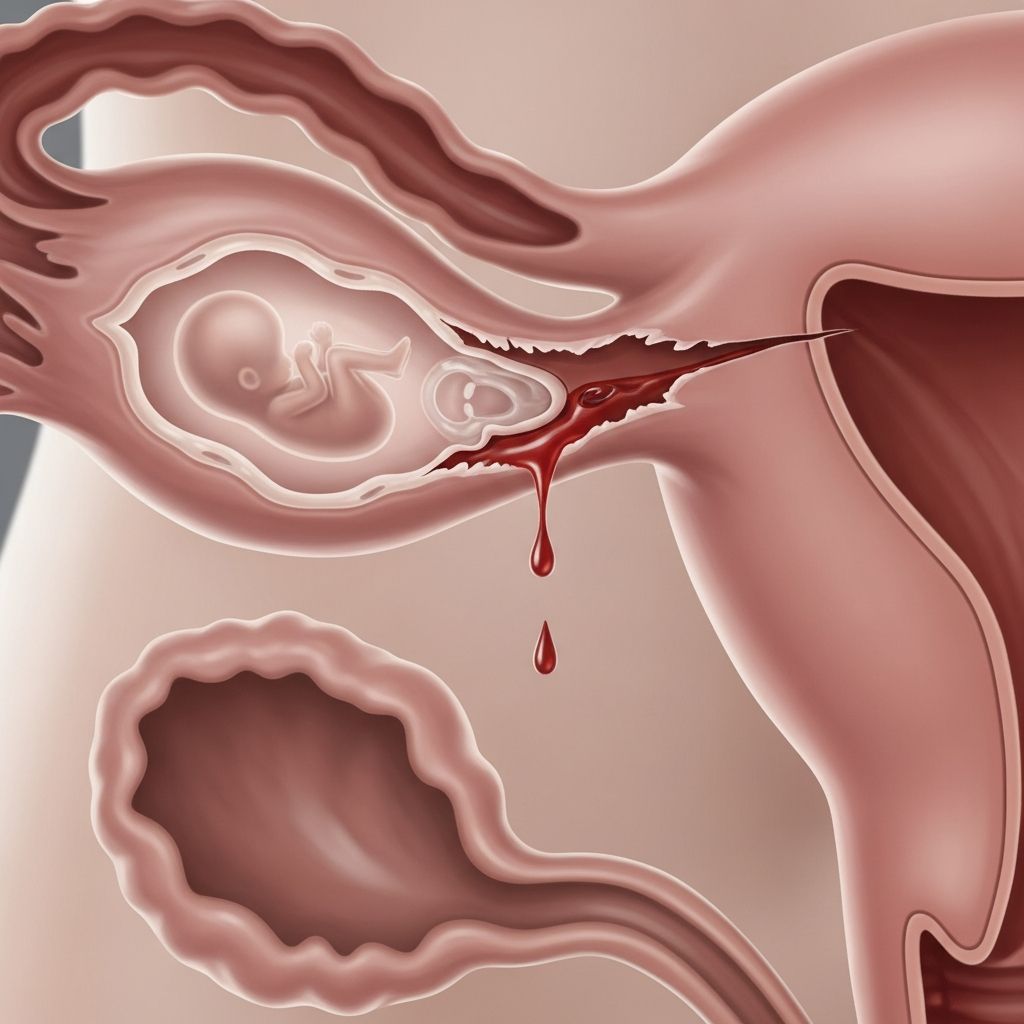
A ruptured ectopic pregnancy represents a medical crisis where a pregnancy implanted outside the uterus, typically in a fallopian tube, bursts open, leading to internal bleeding. Early recognition of symptoms and prompt treatment are vital to prevent severe complications like shock or organ damage.
Understanding Ectopic Pregnancies
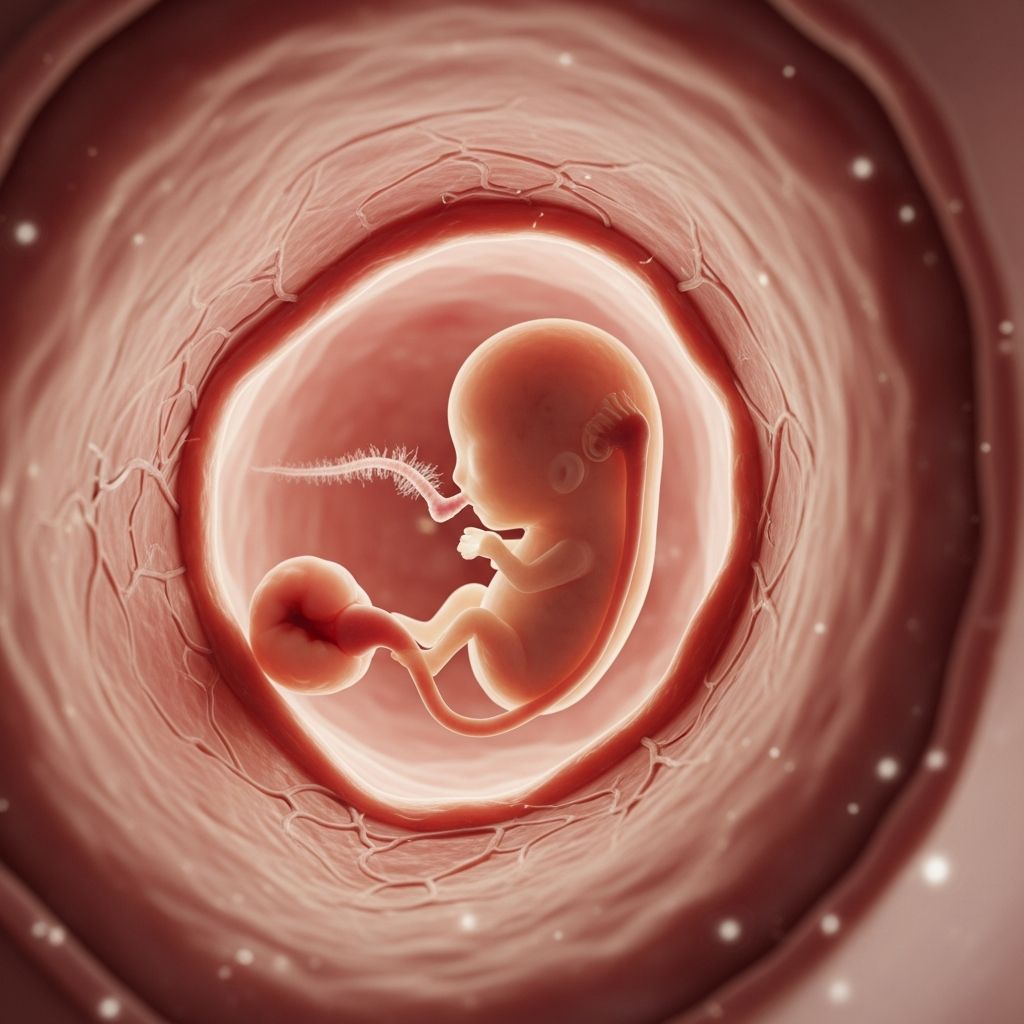
An ectopic pregnancy happens when a fertilized egg implants and grows outside the uterine cavity, most often in one of the fallopian tubes. Normally, the egg travels through the tube to reach the uterus, but blockages or damage can trap it, causing growth in an unsuitable location. This condition affects about 1-2% of pregnancies and accounts for a notable portion of pregnancy-related deaths if it ruptures.
The fallopian tubes lack the space and structure to support fetal development, leading to stretching and eventual rupture as the embryo enlarges. Other rare sites include the ovary, abdominal cavity, or cervix, but tubal locations dominate clinical cases.
Why Ruptures Occur: Key Risk Factors
Several factors increase the likelihood of an ectopic pregnancy progressing to rupture. Conditions damaging the fallopian tubes, such as pelvic inflammatory disease (PID) from infections like chlamydia or gonorrhea, create scarring that hinders egg transport.
- Prior ectopic pregnancy: History raises recurrence risk due to persistent tubal issues.
- Pelvic surgeries: Procedures like tubal ligation, reversals, or appendectomies leave scar tissue.
- Endometriosis: Adhesions distort reproductive anatomy.
- Smoking: Impairs ciliary function in tubes, slowing egg movement.
- Infertility treatments: Heighten multiple pregnancy chances, indirectly boosting ectopic risk.
- Congenital tube defects or prior abdominal infections/surgeries.
Women with these risks should monitor early pregnancy symptoms closely and seek evaluation if pregnancy is suspected.
Early Warning Signs Before Rupture
Initial symptoms mimic normal pregnancy or miscarriage, complicating detection. Common early indicators include:
- Unilateral pelvic or lower abdominal pain: Often sharp, cramping, starting mild then worsening, usually on the implantation side.
- Abnormal vaginal bleeding: Lighter than a period, brownish or spotting, from decidual shedding in the uterus due to low hCG.
- Missed periods or amenorrhea: Confirming possible pregnancy.
- Prune-juice-like vaginal discharge: Characteristic of decidual breakdown.
Physical exam may reveal cervical motion tenderness, adnexal mass, or pouch of Douglas fullness. These signs warrant immediate ultrasound and beta-hCG testing to rule out ectopic.
Critical Indicators of Rupture
Rupture transforms symptoms into an emergency as blood floods the abdomen. Key signs demand instant care:
| Symptom | Description | Why It Happens |
|---|---|---|
| Sudden severe abdominal/pelvic pain | Intense, sharp, possibly with rebound tenderness and guarding | Tissue tear and peritoneal irritation |
| Shoulder tip pain | Referred pain from diaphragmatic blood irritation (C3-C5 nerves) | Hemoperitoneum stimulating phrenic nerve |
| Dizziness, fainting, weakness | Lightheadedness from blood loss | Hypovolemia leading to hypotension |
| Shock signs | Tachycardia, pallor, clammy skin, low blood pressure | Hemorrhagic shock |
| Rectal pressure | Sensation of fullness | Blood pooling in pouch of Douglas |
These combined symptoms signal rupture; call emergency services immediately.
How Clinicians Diagnose the Condition
Diagnosis combines history, exam, labs, and imaging. Serum beta-hCG levels below expected for gestational age raise suspicion, especially with empty uterus on ultrasound. Transvaginal ultrasound visualizes adnexal masses, free fluid (blood), or cardiac activity outside uterus.
In stable patients, serial hCG and progesterone checks help; discriminatory levels guide intervention. Unstable cases prioritize resuscitation and surgery.
Immediate Treatment Approaches
Treatment hinges on stability and ectopic size. Options include:
- Expectant management: Rare, for declining hCG and resolving symptoms in very early, asymptomatic cases.
- Medical therapy: Methotrexate halts cell growth in stable patients without rupture. Avoids surgery but requires follow-up; sun sensitivity is a side effect.
- Surgical intervention: Gold standard for rupture. Laparoscopy (preferred) or laparotomy removes pregnancy/tube. Salpingostomy preserves tube; salpingectomy removes it if damaged.
Hemodynamic stabilization precedes all: IV fluids, blood transfusion if needed.
Aftercare and Physical Recovery
Post-treatment, monitor hCG to zero (2-3 weeks for methotrexate, faster post-surgery). Pain meds, rest, and avoid intercourse/ tampons until cleared. Light bleeding may persist; fever signals infection.
Emotional support addresses grief, as ectopic means pregnancy loss. Counseling aids coping.
Long-Term Outlook and Fertility
Most women conceive post-ectopic, but risks persist: 10-15% recurrence. Tube-sparing surgery preserves fertility better, though adhesion risk exists. IVF helps if bilateral damage.
Preconception: Treat PID, quit smoking, space pregnancies 3+ months post-event.
Frequently Asked Questions
Can a ruptured ectopic pregnancy be survived?
Yes, with rapid intervention; survival rates exceed 90% in modern care due to timely surgery.
How soon after symptoms should I seek help?
Any pelvic pain/bleeding in early pregnancy needs same-day evaluation to avert rupture.
Does methotrexate always work?
Success in 85-95% stable cases, but rupture risk remains until hCG drops.
Will I lose fertility after treatment?
Not necessarily; 60-70% achieve intrauterine pregnancy afterward.
Is shoulder pain always a rupture sign?
It’s highly suggestive with other symptoms, indicating hemoperitoneum—seek ER care.
References
- Ectopic Pregnancy – TeachMeObGyn — TeachMeObGyn. 2023. https://teachmeobgyn.com/pregnancy/early/ectopic-pregnancy/
- Ectopic Pregnancy: Risks, Symptoms & Treatment — Dr. Haddad OBGYN. 2024. https://drhaddad.org/pregnancy-delivery/ectopic-pregnancy-obgyn-detroit/
- Ectopic Pregnancy — American College of Obstetricians and Gynecologists (ACOG). 2023-10-01. https://www.acog.org/womens-health/faqs/ectopic-pregnancy
- Ectopic pregnancy — MedlinePlus, U.S. National Library of Medicine. 2024-05-01. https://medlineplus.gov/ency/article/000895.htm
- Ectopic Pregnancy — StatPearls, NCBI Bookshelf. 2023-07-17. https://www.ncbi.nlm.nih.gov/books/NBK539860/
- Ectopic Pregnancy — Cleveland Clinic. 2023-11-07. https://my.clevelandclinic.org/health/diseases/9687-ectopic-pregnancy