Many new mothers assume breastfeeding acts as a foolproof contraceptive, but scientific evidence shows it’s far from reliable. While nursing suppresses ovulation temporarily through elevated prolactin levels, fertility can return unpredictably, leading to surprise pregnancies. This comprehensive guide examines how lactation influences reproductive hormones, identifies when conception becomes possible, and outlines safe practices for continuing to nurse during pregnancy.
How Lactation Affects Your Reproductive Cycle
Breastfeeding triggers the release of prolactin, a hormone that prioritizes milk production over ovulation. This state, known as lactational amenorrhea, delays the return of menstrual cycles postpartum. In the early months, frequent night feedings enhance this suppression, as constant nursing keeps prolactin high.
However, as babies sleep longer stretches or solids are introduced, nursing frequency drops, allowing follicle-stimulating hormone (FSH) and luteinizing hormone (LH) to rise. Ovulation can resume before the first period, meaning pregnancy is possible without warning signs. Studies indicate that strict exclusive breastfeeding delays fertility for about 6 months in most cases, but real-world adherence varies widely.
- Factors accelerating fertility return: Introducing bottles, pacifiers, or formula; starting work and pumping; baby sleeping through nights.
- Extended suppression: On-demand nursing every 2-3 hours, including nights, up to 6 months postpartum.
Prolactin doesn’t fully halt estrogen or progesterone production; instead, it creates a temporary anovulatory window that’s not contraception-equivalent.
Understanding Lactational Amenorrhea Method (LAM)
The LAM protocol offers short-term protection if three criteria are met: baby under 6 months, no periods since birth, and exclusive breastfeeding (no substitutes, on-demand day/night). When followed rigorously, it prevents pregnancy in 98-99% of cases for the first 6 months.
| Criterion | Details | Effectiveness Impact |
|---|---|---|
| Age <6 months | Baby exclusively nursed | High if all met |
| No menses | Postpartum bleeding doesn’t count | Breaks if spotting occurs |
| Fully breastfeeding | No intervals >4-6 hours | Pumping reduces efficacy |
Post-6 months or criterion breach, switch to other methods immediately. LAM fails more often with working mothers or partial feeding.
Early Indicators of Pregnancy During Nursing
Pregnancy symptoms can mimic nursing side effects, complicating detection. Heightened sensitivity confuses fatigue or nausea with sleep deprivation or diet changes.
- Intensified exhaustion: Beyond newborn fatigue, persistent despite rest.
- Breast changes: Increased tenderness, tingling, or visible veins differing from let-down sensations.
- Milk alterations: Sudden supply drop, thicker colostrum-like milk, or taste changes baby rejects.
- Cramping: Mild, ongoing uterine twinges without bleeding, unlike menstrual cramps.
- Nausea surge: Morning sickness unrelated to feeding times.
- Thirst escalation: Unquenchable need for fluids.
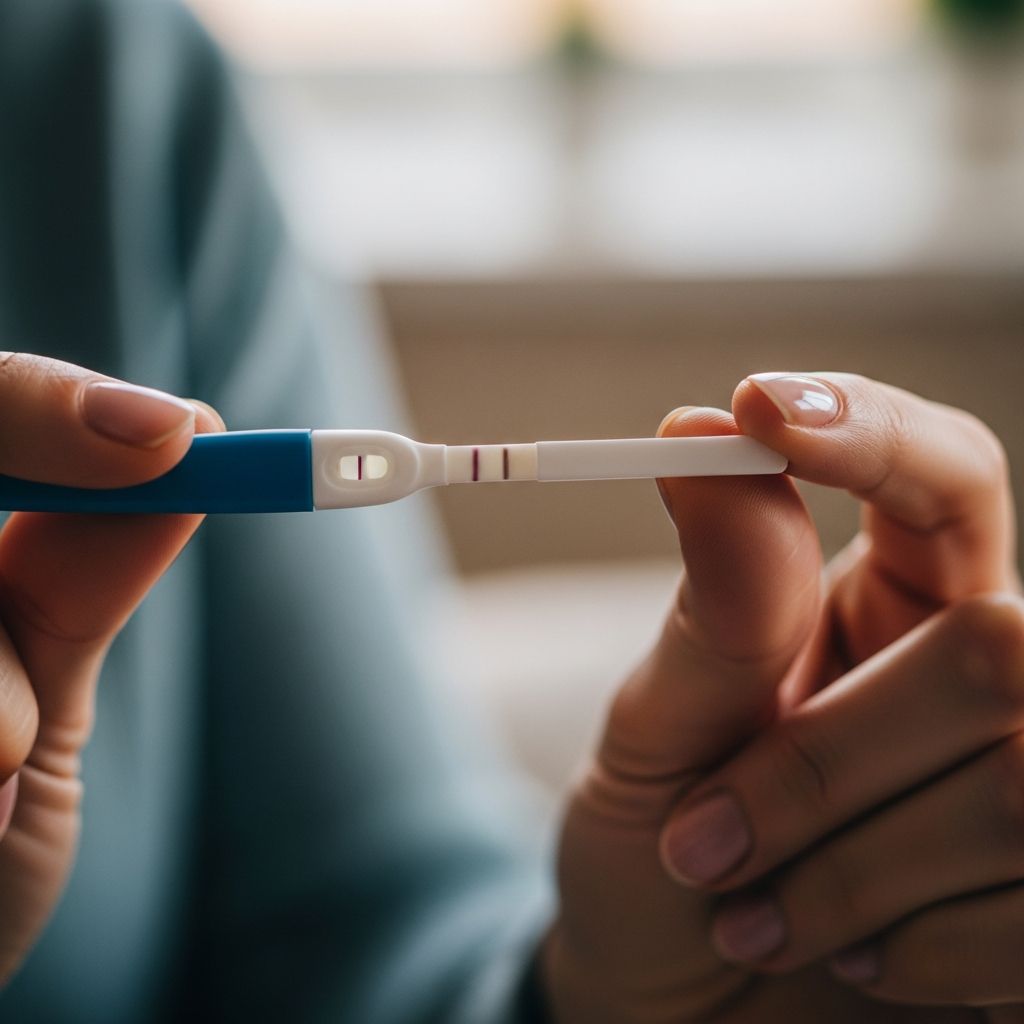
Test 2-3 weeks after suspected ovulation or at first missed period. Blood tests confirm earlier than urine strips.
Is It Safe to Keep Breastfeeding If Pregnant?
For most healthy pregnancies, continuing to nurse poses minimal risk. Oxytocin from let-down causes gentle Braxton Hicks contractions, harmless before third trimester. Minimal pregnancy hormones transfer via milk without harming the older child.
Monitor for complications: history of miscarriage, bleeding, preterm labor, or multiples warrant weaning consultation. High-risk cases avoid nipple stimulation to prevent excessive uterine activity.
- Safe for low-risk: Singleton, no prior losses, past first trimester.
- Caution advised: Spotting, cramps, shortened cervix, or IVF pregnancy.
Nutritional demands double; prioritize protein, calcium, iron via diet/supplements. Stay hydrated to maintain supply.
Navigating Tandem Nursing: Two Babies, One Mom
Tandem breastfeeding—nursing newborn and toddler—demands coordination but offers bonding and supply boost via dual demand. Position with double football hold or lay-back for comfort.
Supply may dip mid-pregnancy due to hormonal shifts, rebounding post-delivery with frequent newborn feeds. Toddler may wean naturally from taste/availability changes or nurse more for comfort.
- Supply management: Power pump pre-birth; nurse newborn first to stimulate.
- Scheduling: Cluster feed evenings; alternate breasts.
- Nutrition boost: 500 extra calories daily, focus on oats, nuts, leafy greens.
Emotional adjustments common: guilt, jealousy, exhaustion. Lactation support eases transition.
Contraceptive Options Compatible with Breastfeeding
Breastfeeding-exclusive methods fail long-term; integrate reliable birth control early. Progestin-only options safest immediately postpartum, avoiding estrogen’s supply-dampening effect.
| Type | Examples | Start Timing | Pros/Cons |
|---|---|---|---|
| Progestin-only pill | Mini-pill | Day 21 postpartum | Daily; strict timing |
| IUD (hormonal) | Mirena | Immediate post-placenta | 5-year; <1% failure |
| Implant | Nexplanon | Immediate | 3-year; arm insert |
| Non-hormonal | Copper IUD, condoms | Post-6 weeks check | No hormones; fitting needed |
| Permanent | Tubal ligation | Post-delivery | Irreversible |
Discuss pre-discharge; combine barrier methods initially for dual protection.
Nutritional and Lifestyle Support for Nursing Pregnant Women
Dual demands strain reserves: aim 2,500-3,000 calories, emphasizing whole foods. Iron-rich meats/leafies combat anemia; calcium sources prevent bone loss.
- Hydration: 128 oz water daily.
- Rest: Nap with baby; delegate chores.
- Exercise: Prenatal yoga, walking—avoid high-impact.
- Monitoring: Weekly weigh-ins, midwife checkups.
Supplements: prenatal vitamins, vitamin D, omega-3s.
Frequently Asked Questions
Does breastfeeding completely prevent ovulation?
No, it delays but doesn’t eliminate it. Ovulation precedes first period in many.
Can I use hormonal birth control while nursing?
Progestin-only yes; estrogen-containing after 6 weeks if supply stable.
Will pregnancy hormones harm my nursing child?
Trace amounts pass harmlessly.
When should I wean if high-risk pregnancy?
At first complications like bleeding or preterm signs—consult OB.
How accurate is LAM beyond 6 months?
Ineffective; pregnancy risk rises sharply.
References
- Breastfeeding While Pregnant — American Pregnancy Association. 2023. https://americanpregnancy.org/healthy-pregnancy/breastfeeding/breastfeeding-while-pregnant/
- Yes, You Can Get Pregnant While Breastfeeding — Cleveland Clinic. 2023-10-12. https://health.clevelandclinic.org/can-you-get-pregnant-while-breastfeeding
- Can I breastfeed during pregnancy? — UT Southwestern Medical Center. 2017-08-29. https://utswmed.org/medblog/breastfeeding-during-pregnancy/
- What are the signs of pregnancy while breastfeeding? — Vinmec International General Hospital. 2023. https://www.vinmec.com/eng/blog/what-are-the-signs-of-pregnancy-while-breastfeeding-en