Reaching 8 weeks of pregnancy marks an important milestone: your tiny embryo is rapidly transforming into a more recognizable baby, and your body is working around the clock to support that growth. This stage can feel exciting, overwhelming, and uncomfortable all at once, and it helps to know what is typical and when to seek support.
How Far Along You Really Are
When people talk about being “8 weeks pregnant,” they are usually counting from the first day of the last menstrual period, not from the day of conception. That means your baby has been developing for about 6 weeks, even though your pregnancy is dated as 8 weeks. Health professionals use this system because it offers a clear, shared starting point for tracking growth and planning appointments.
At this point, you are still in the first trimester, a phase often marked by dramatic hormonal changes, early pregnancy symptoms, and the crucial formation of your baby’s major organs and body structures.
Your Baby’s Growth at Week 8
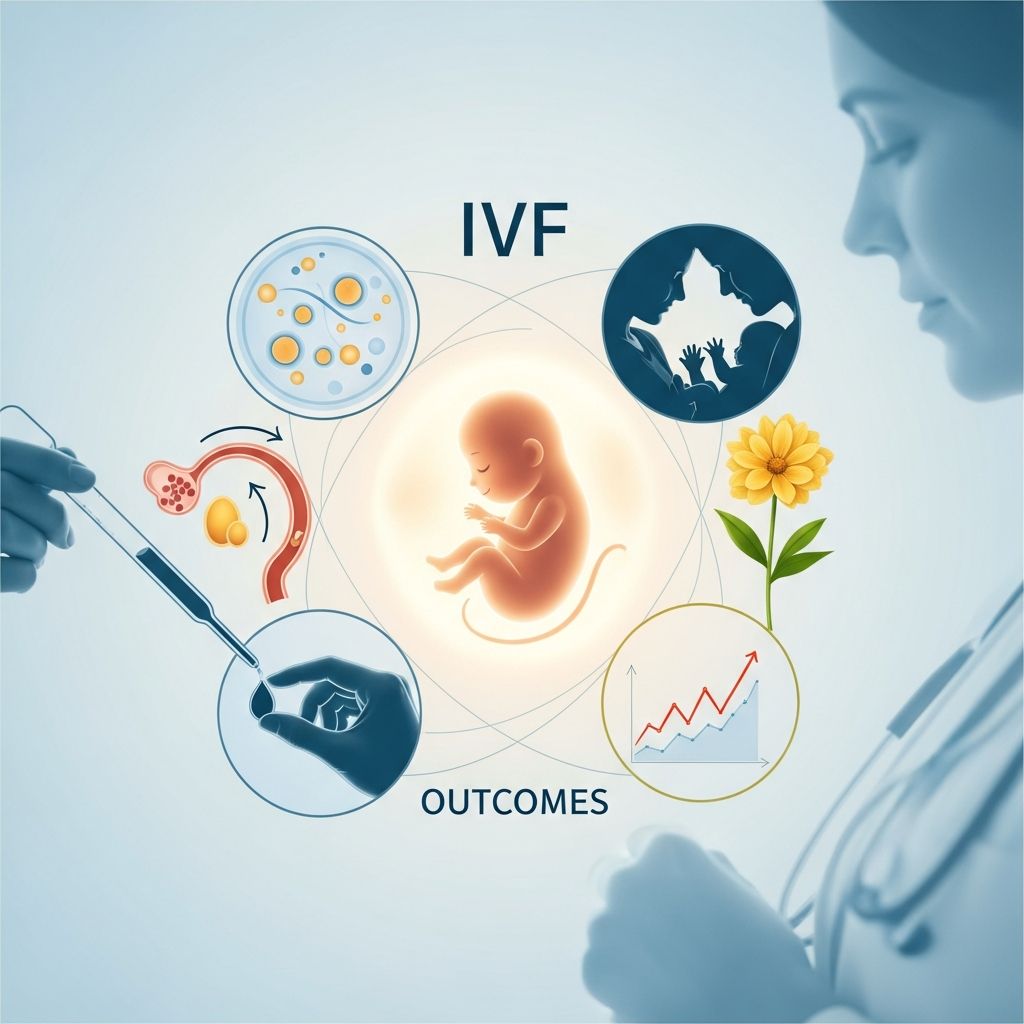
By week 8, your baby is still very small but already impressively complex. The basic layout of the body is in place, and many internal systems are forming or refining their structure.
- The head is relatively large compared with the body because the brain is growing quickly.
- Arm and leg buds are lengthening and beginning to form more defined joints, hands, and feet.
- Early facial features such as the eyes, nose, and upper lip are becoming more recognizable.
The heart has already begun to beat in a steady rhythm, and structures that will become the digestive, respiratory, and nervous systems are gaining definition. Though you cannot feel movement yet, your baby can make small, spontaneous motions inside the uterus.
Week 8 Baby Snapshot
| Feature | What’s Happening at 8 Weeks |
|---|---|
| Size | Baby is roughly the length of a small berry and growing quickly. |
| Head and Brain | The head is large compared with the body while the brain and skull structures develop. |
| Limbs | Arm and leg buds are longer; early elbows, hands, and feet are forming. |
| Face | Eyes, ears, nose, and upper lip continue to take shape. |
| Internal Organs | Heart, liver, and other organs are present and refining their form and function. |
What Your Body May Feel Like
Even though your baby is small, your body is making major adjustments to hormones, blood volume, and metabolism. These changes support the pregnancy but can leave you feeling far from your usual self.
- Breast changes: Your breasts may feel tender, fuller, or more sensitive as blood flow increases and milk-producing tissue begins to prepare for feeding.
- Increased urination: Hormonal shifts and a growing uterus can make you feel like you need to use the bathroom more often.
- Fatigue: Feeling unusually tired is extremely common; your body is using a great deal of energy to form the placenta and support rapid fetal growth.
Many people also notice bloating, food aversions, or a stronger sense of smell, all of which can contribute to nausea and general discomfort.
Understanding Nausea and Vomiting
Nausea, with or without vomiting, often peaks around weeks 8–10 of pregnancy and is sometimes referred to as “morning sickness,” although it can occur at any time of day. For many, it is triggered by strong smells, certain foods, or going too long without eating.
- Eating small, frequent meals can reduce queasiness.
- Plain, dry foods such as crackers may be easier to tolerate first thing in the morning.
- Sipping water or clear fluids regularly can help prevent dehydration.
If you cannot keep food or liquids down for more than 24 hours, or you feel dizzy, weak, or unable to function, contact a health professional promptly to rule out more severe conditions such as excessive pregnancy-related vomiting.
Common Week 8 Symptoms
Every pregnancy is unique, but several symptoms are especially frequent in the eighth week. Some people experience almost all of them, while others feel only a few or none at all.
- Mood swings: Emotional ups and downs can stem from hormones, sleep changes, and adjusting to the reality of being pregnant.
- Mild cramping: Gentle, occasional cramps may result from the uterus stretching; however, strong pain or cramping combined with bleeding requires immediate medical advice.
- Changes in digestion: Constipation, gas, or heartburn may appear as hormones relax smooth muscles in the digestive tract.
- Food cravings and aversions: You may suddenly seek out certain flavors or be put off by foods you usually enjoy.
Make a note of your symptoms so you can discuss them with your prenatal provider, especially if anything feels intense, worrisome, or very different from one day to the next.
Your First Prenatal Visits
For many parents, the first full prenatal appointment happens around week 8. At this visit, your provider typically reviews medical history, confirms the pregnancy, and helps estimate your due date. They may also order blood tests, urine tests, and other screenings to check your general health.
In some cases, an early ultrasound is performed. This imaging can show the gestational sac, the embryo, and often a visible heartbeat. Seeing and hearing these first signs can make the pregnancy feel more real, but the main purpose of these tests is to ensure that your pregnancy is developing as expected.
Questions to Ask at Week 8
- What symptoms are typical for this stage, and which ones should I call about right away?
- Which medications, supplements, or herbal products are safe to take during pregnancy?
- How much weight gain is suggested during the first trimester for my body type?
- When will future checkups and any additional ultrasounds be scheduled?
Writing down questions before your appointment helps you make the most of the visit, especially if you are feeling tired, anxious, or overwhelmed by information.
Caring for Your Body and Mind
Self-care during week 8 is not a luxury; it is a practical way to support both your health and your baby’s development. Small, consistent habits are more helpful than occasional big efforts.
- Rest: Aim for enough sleep each night and short rest breaks during the day when possible.
- Balanced meals: Focus on a variety of fruits, vegetables, whole grains, lean protein, and healthy fats, adjusting textures and flavors as needed to manage nausea.
- Gentle movement: If your provider approves, light activities such as walking or prenatal stretching can boost circulation, mood, and digestion.
- Hydration: Keep water nearby and sip regularly; flavored or slightly chilled fluids may be easier to handle if plain water makes you queasy.
Equally important is emotional care. Sharing your feelings with a trusted friend, partner, or counselor and seeking community through prenatal groups or online forums can provide reassurance and reduce isolation.
Safety Tips for Week 8
Certain choices in early pregnancy can have lasting effects, so this is a good time to review safety basics with your healthcare provider and loved ones. The goal is not perfection, but informed decisions that prioritize you and your baby.
- Avoid smoking, vaping, and recreational drugs, and speak with a professional if you need help stopping.
- Limit or avoid alcohol, as no clear safe level in pregnancy has been established.
- Use seat belts correctly, with the lap belt under your belly and across your hips, even this early on.
- Check with your provider before starting new exercise routines, supplements, or over-the-counter medications.
If your job involves heavy lifting, exposure to chemicals, or other hazards, ask about ways to make your work environment safer during pregnancy.
Emotional Changes and Relationships
The eighth week is often when the reality of pregnancy sinks in, which can trigger a wide range of feelings. Some people feel joyful and energized, while others feel anxious, ambivalent, or emotionally raw. All of these reactions can be normal, particularly when combined with physical symptoms and exhaustion.
Partners and family members may also be adjusting to the news. Clear communication about what you are going through physically and emotionally can help your support network understand how to assist you, whether that means taking over chores, offering listening time, or attending appointments together.
When to Call a Healthcare Professional
While many discomforts during week 8 are not dangerous, some symptoms require prompt medical attention. Do not hesitate to reach out if you are uncertain; providers expect questions, especially early in pregnancy.
- Heavy vaginal bleeding, passing clots, or strong cramps that do not ease with rest.
- Severe or persistent abdominal pain on one side or both sides.
- Inability to keep food or fluids down, signs of dehydration, or rapid weight loss.
- Sudden swelling, severe headache, or visual changes.
- Feelings of intense sadness, panic, or hopelessness that last more than a few days.
Calling for advice in these situations is a responsible way to protect your health and your developing baby, and most issues are easier to manage when addressed early.
Simple Checklist for Week 8
- Confirm or schedule your first full prenatal visit if you have not had one yet.
- Begin or continue taking a prenatal vitamin recommended by your provider.
- Write down symptoms, questions, and any medications or supplements you use.
- Experiment with small meals and snacks to find foods that sit well with your stomach.
- Identify at least one person you can talk to about your emotions and concerns.
Frequently Asked Questions About Being 8 Weeks Pregnant
Is it normal not to “look” pregnant at 8 weeks?
Yes. Many people do not show any visible baby bump at 8 weeks, especially in a first pregnancy. Your uterus is still tucked low in the pelvis, so changes in your waistline are often due to bloating or fluid rather than the size of the baby itself.
Can I exercise during week 8?
In most uncomplicated pregnancies, gentle to moderate physical activity is encouraged, as it can improve mood, circulation, and sleep. However, it is important to ask your provider about your individual situation, particularly if you had a very intense workout routine before pregnancy or have any medical conditions.
Should I be worried if my symptoms seem to come and go?
Some fluctuation in symptoms is common. For instance, your nausea might be intense on one day and milder on another, or your breast tenderness may lessen briefly. If symptoms disappear suddenly and you notice bleeding, strong cramps, or feel that something is very wrong, contact a healthcare professional for guidance.
Can I still have sex at 8 weeks pregnant?
Unless your healthcare provider has advised against it for medical reasons, sex is generally safe throughout a healthy pregnancy, including at 8 weeks. Mild cramping or light spotting afterward can occur because of increased blood flow to the cervix, but heavy bleeding or strong pain should always be checked by a professional.
When will the nausea get better?
Many people notice improvement in nausea and vomiting near the end of the first trimester, though the exact timing varies. If your symptoms feel unmanageable at any point, your provider can discuss strategies and, if appropriate, medications to help you feel more comfortable while keeping you and your baby safe.
Looking Ahead From Week 8
As you move beyond week 8, the basic structures of your baby will continue to refine, and some early symptoms may intensify before eventually easing. With each appointment and each week, you will gather more information about your pregnancy and learn which habits help you feel your best.
Staying informed, listening to your body, and reaching out for support when needed can make this early stage of pregnancy more manageable and meaningful. Week 8 is just one step in a longer journey, but it is an important time to build healthy routines and a strong partnership with your prenatal care team.