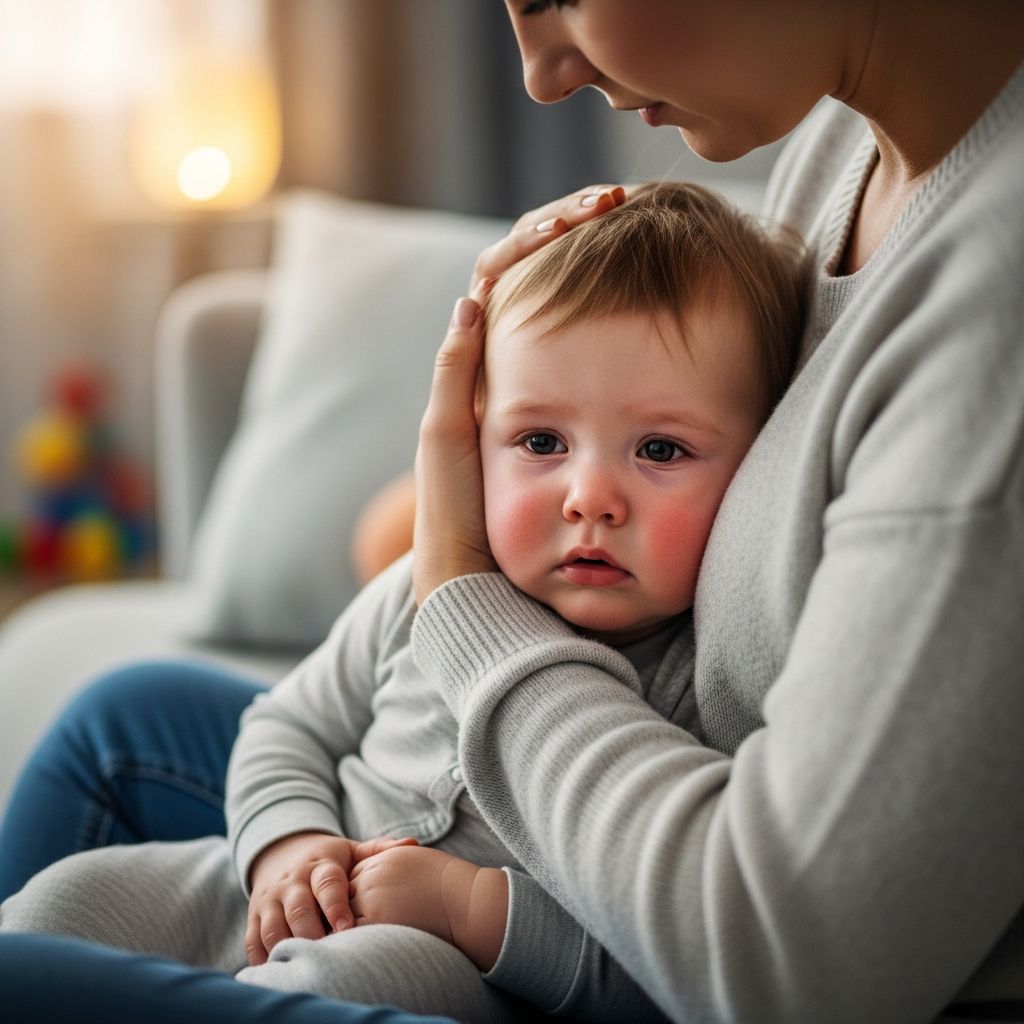
Rotavirus is a highly contagious virus that mainly affects the stomach and intestines, and it is one of the most common causes of severe diarrhea in babies and young children worldwide. Although most children recover, the infection can quickly lead to dehydration, which sometimes requires hospital care.
This guide explains what parents and caregivers need to know: how rotavirus spreads, what symptoms to watch for, how to keep a sick child hydrated, and how vaccination greatly lowers the risk of serious illness.
What Is Rotavirus?
Rotavirus is a virus that infects the digestive tract, especially the small intestine, causing sudden onset vomiting and watery diarrhea. Before vaccines were widely used, nearly every child had at least one rotavirus infection by age 5.
Key facts about rotavirus include:
- Main target: Infants and children under 5 years old are affected most often and most severely.
- Body system involved: The virus damages cells lining the small intestine, leading to poor absorption of fluids and salts and causing large-volume watery stools.
- Global impact: Rotavirus has been a leading cause of severe diarrhea and dehydration-related hospitalizations and deaths in young children around the world, especially where access to medical care is limited.
How Rotavirus Spreads
Rotavirus is extremely contagious and can spread quickly in homes, daycares, and anywhere young children share space and objects.
Common ways the virus is transmitted include:
- Fecal–oral route: Tiny amounts of stool from an infected person get onto hands, surfaces, toys, or food. When another child touches these and then their mouth, the virus enters their body.
- Person-to-person contact: Diaper changes, helping a child use the toilet, or caring for a vomiting child without washing hands thoroughly afterward.
- Contaminated surfaces: Rotavirus can survive for hours or days on hard surfaces such as changing tables, crib rails, or toys if they are not properly cleaned.
Children usually become sick about two days after exposure to the virus.
Who Is at Highest Risk?
Anyone can get rotavirus, but some children are more likely to get severely ill or dehydrated.
| Group | Why They Are at Higher Risk |
|---|---|
| Infants (especially under 2 years) | Smaller body size means they lose fluids quickly; may not be able to drink enough to replace losses. |
| Premature or low-birth-weight babies | Immature immune systems and lower reserves make complications more likely. |
| Children with chronic illnesses or weak immune systems | Less able to fight infection; more prone to prolonged or severe symptoms. |
| Children in group settings (daycare, nursery) | Close contact, shared objects, and diaper changes increase exposure. |
Typical Symptoms of Rotavirus Infection
Symptoms usually start suddenly about 1–2 days after a child catches the virus. In many children, the illness follows a similar pattern.
Early Phase: Fever and Vomiting
- Fever: Often the first sign. It may be mild to moderate and usually improves after the first couple of days.
- Vomiting: Begins suddenly and can be frequent, especially in the first 24 hours.
- Stomach or abdominal pain: Cramping or discomfort around the belly is common.
Main Phase: Watery Diarrhea
- Watery, frequent diarrhea is the hallmark of rotavirus infection.
- Stools may be very loose and occur many times per day.
- Diarrhea often lasts 3–8 days.
- In most children, there is no blood in the stool; blood can suggest a different cause and requires urgent medical advice.
Other Possible Symptoms
- Loss of appetite or refusal to eat or drink.
- Unusual sleepiness, fussiness, or irritability.
- General weakness and tiredness due to fluid and salt loss.
Adults who catch rotavirus usually have no symptoms or only a mild stomach upset, but they can still spread the virus to vulnerable children.
Dehydration: The Most Serious Concern
The greatest danger from rotavirus is dehydration—a large loss of body water and essential minerals such as sodium and potassium. Vomiting and diarrhea together can cause dehydration very quickly, particularly in infants.
Warning Signs of Dehydration in Children
Parents and caregivers should watch closely for these signs, which may indicate that a child needs medical evaluation.
- Dry mouth and tongue
- Very few or no tears when crying
- Fewer wet diapers than usual (no urine for three or more hours) or dark yellow urine
- Sunken eyes or sunken soft spot (fontanelle) on a baby’s head
- Cool, pale, or blotchy-looking skin
- Unusual sleepiness, low energy, or confusion
- Fast heart rate or rapid breathing in more serious cases
Severe dehydration is a medical emergency and may require intravenous (IV) fluids in the hospital.
How Doctors Diagnose Rotavirus
A health care professional usually suspects rotavirus based on the child’s age, symptoms, and whether similar illness is affecting others in the community or household.
Diagnosis may include:
- History and physical exam: The doctor asks about the timing of fever, vomiting, and diarrhea, and examines the child for signs of dehydration.
- Stool testing: In some cases, a stool sample may be tested to look for rotavirus or other germs.
- Blood tests: Rarely needed, but may be done in severe cases to check salts and kidney function.
Treatment: Managing Symptoms and Preventing Dehydration
There is no specific antiviral medicine that cures rotavirus. Treatment focuses on keeping the child hydrated and comfortable until the infection runs its course.
Fluids: The Cornerstone of Care
Replacing lost fluids and salts is the most important part of treatment.
- Use an oral rehydration solution (ORS) recommended by a health professional; these contain the right balance of salts and sugar to help absorption.
- Offer small sips frequently (for example, a teaspoon every few minutes) if your child is vomiting.
- Continue breastfeeding or giving formula. In most cases, milk does not need to be stopped; your pediatrician can advise for your child’s situation.
- Avoid sugary drinks such as soda or undiluted juice, which can worsen diarrhea.
Food and Rest
- Once vomiting improves, allow your child to eat small portions of familiar foods if they are interested.
- There is usually no need for a special restrictive diet; instead, focus on gentle, easy-to-digest options.
- Encourage plenty of rest. Children often feel tired and weak during recovery.
Medications: What to Know
- Fever and pain medicines: A doctor may recommend acetaminophen or ibuprofen for fever or discomfort, using child-appropriate doses. Aspirin should not be given to children due to the risk of Reye’s syndrome.
- Anti-diarrheal drugs: Over-the-counter diarrhea medicines are not usually recommended for young children unless a doctor specifically prescribes them.
- Antibiotics: These do not help because rotavirus is a virus, not a bacterium.
Always follow your child’s health care professional’s advice about medicines and home care.
When to Call the Doctor or Seek Emergency Care
Contact a health care professional promptly if your child:
- Has diarrhea lasting more than 24 hours, or very frequent watery stools
- Has a fever of 102°F (38.9°C) or higher, or any fever in a baby under 3 months
- Is vomiting repeatedly and cannot keep liquids down
- Shows signs of dehydration (dry mouth, no tears, fewer wet diapers, unusual sleepiness)
- Has severe belly pain, a swollen abdomen, or blood or pus in the stool
Seek emergency care immediately if your child becomes difficult to wake, seems confused, has trouble breathing, or looks extremely ill.
Rotavirus Vaccines: Strong Protection Against Severe Disease
Rotavirus vaccines have dramatically reduced hospitalizations and severe diarrhea caused by rotavirus in countries that use them widely. The vaccines do not prevent every case of diarrhea but are very effective at preventing the most serious outcomes.
How the Vaccines Work
- Rotavirus vaccines contain weakened forms of the virus that stimulate the immune system without causing severe illness.
- They are given by mouth, not by injection, during a baby’s first months of life.
- The exact schedule can vary by country and brand, but doses are typically completed in early infancy.
Benefits of Vaccination
- Strong protection against severe rotavirus diarrhea and hospitalization.
- Reduced risk of life-threatening dehydration and related complications.
- Lower chance of outbreaks in childcare settings and communities.
Parents should discuss the rotavirus vaccine with their child’s health care provider as early as possible, since the first dose must be given at a young age for maximum safety and effectiveness.
Everyday Prevention: Hygiene and Home Practices
Even in vaccinated populations, good hygiene helps limit the spread of rotavirus and other stomach viruses.
Handwashing Habits
Proper handwashing with soap and water for at least 20 seconds is one of the most effective defenses.
- After changing diapers or helping a child use the toilet
- Before preparing food or feeding a child
- After cleaning up vomit or stool
- After using the bathroom yourself
Cleaning and Disinfection
- Clean and disinfect high-touch surfaces like changing tables, potty seats, crib rails, and toys regularly, especially during and after an illness episode.
- Wash soiled clothing or bedding promptly in hot water.
- Dispose of diapers in covered bins and wash hands immediately afterward.
Keeping Sick Children Home
- Children with active vomiting or diarrhea should stay home from daycare or school until symptoms have clearly improved, following local health or facility policies.
- This protects other children and staff and reduces the chance of community outbreaks.
Frequently Asked Questions (FAQs)
How long does rotavirus illness usually last?
Rotavirus symptoms often begin with 1–2 days of fever and vomiting, followed by several days of watery diarrhea. In most children, the main illness lasts about 3–8 days, although stools may take a bit longer to fully return to normal.
Can my child get rotavirus more than once?
Yes. A child can be infected multiple times, especially before vaccination or early in life. However, later infections are often milder because the immune system has some partial protection from earlier encounters with the virus.
If my child is vaccinated, can they still get rotavirus?
Rotavirus vaccines are very effective at preventing severe diarrhea and hospitalizations but do not prevent every mild infection. A vaccinated child may still have diarrhea from rotavirus or other germs, but the illness is usually much less serious than in an unvaccinated child.
Is rotavirus the same as the “stomach flu”?
The term “stomach flu” is often used loosely for many different stomach and intestinal infections. Rotavirus is one specific virus that causes vomiting and diarrhea, but other viruses—such as norovirus—can cause similar symptoms. Testing may be needed to know exactly which germ is responsible.
Should I stop breastfeeding if my baby has rotavirus?
In most cases, you should continue breastfeeding if your baby is able to nurse. Breast milk provides fluids, nutrition, and immune factors that can support recovery. Always follow your baby’s health care professional’s individualized advice.
Can adults catch rotavirus from children?
Yes, adults can become infected, particularly if they care for sick children. However, adults usually develop no symptoms or only mild illness. Even without symptoms, infected adults can pass the virus to others, which is why careful handwashing is so important.
References
- About Rotavirus — Centers for Disease Control and Prevention (CDC). 2023-05-15. https://www.cdc.gov/rotavirus/about/index.html
- Rotavirus – Symptoms & causes — Mayo Clinic. 2024-01-19. https://www.mayoclinic.org/diseases-conditions/rotavirus/symptoms-causes/syc-20351300
- Rotavirus Infection — Merck Manual Consumer Version. 2023-09-01. https://www.merckmanuals.com/home/children-s-health-issues/common-viral-infections-in-infants-and-children/rotavirus-infection
- Rotavirus Infections — Children’s Hospital of Philadelphia. 2022-06-10. https://www.chop.edu/conditions-diseases/rotavirus-infections
- Rotavirus Infection in Children — University of Rochester Medical Center Health Encyclopedia. 2021-11-05. https://www.urmc.rochester.edu/encyclopedia/content?contentid=P02540&contenttypeid=90
- Diarrhea Caused by Rotavirus in Children Less than 5 Years of Age — Journal of Clinical Microbiology (PMC). 2004-12-01. https://www.ncbi.nlm.nih.gov/pmc/articles/PMC535229/