Pelvic inflammatory disease (PID) is a serious infection of the female reproductive organs that can affect teens and young adults who are sexually active. It can lead to long-term problems like chronic pain, pregnancy complications, and infertility if it is not treated quickly and correctly.
This guide explains PID in clear, teen-friendly language so you can recognize warning signs, understand your options, and protect your health.
What Is Pelvic Inflammatory Disease?
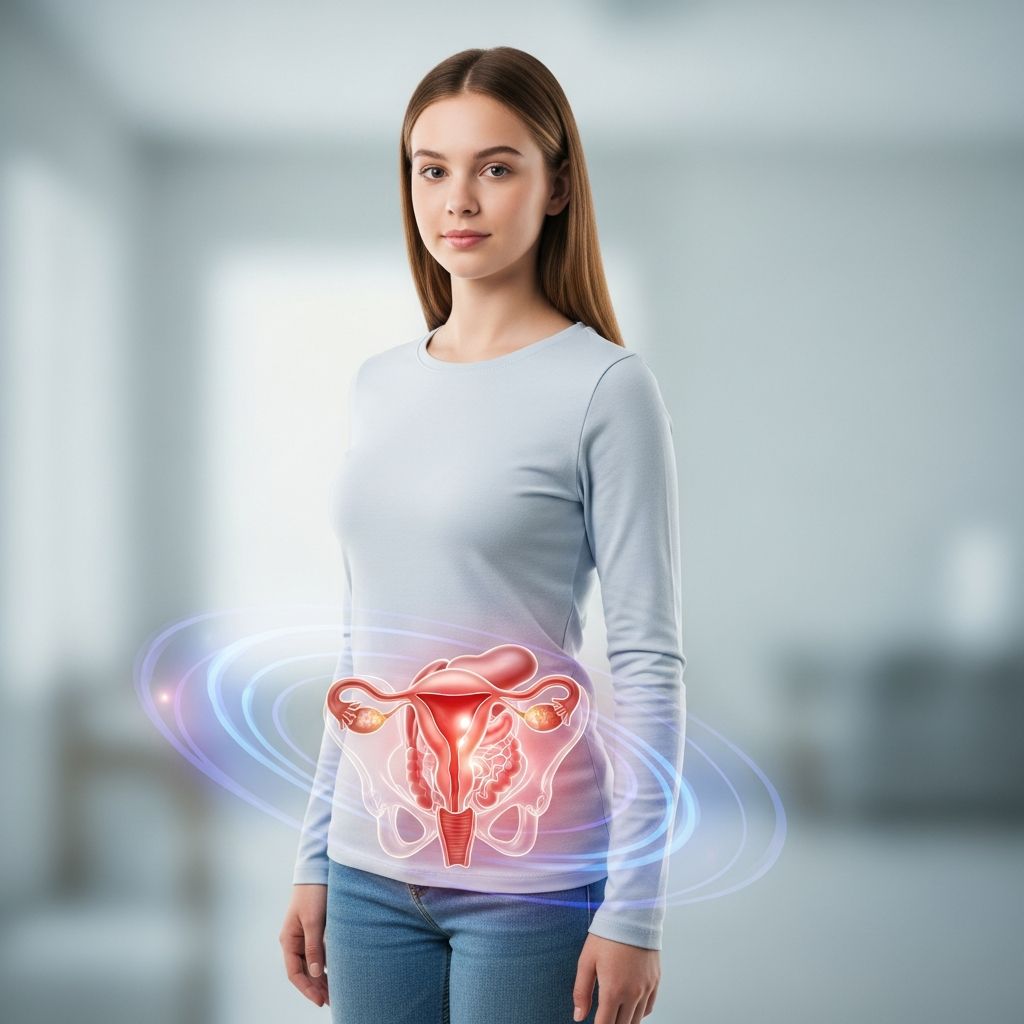
Pelvic inflammatory disease is an infection that affects one or more parts of the reproductive system, such as the uterus, fallopian tubes, and ovaries. It usually starts when bacteria move up from the vagina or cervix into the upper reproductive organs.
Often, these bacteria come from sexually transmitted infections (STIs), especially chlamydia and gonorrhea. But sometimes PID can develop from other types of infections or after certain medical procedures involving the uterus.
- Uterus: The organ where a baby can grow during pregnancy.
- Fallopian tubes: Thin tubes that carry eggs from the ovaries to the uterus.
- Ovaries: Organs that release eggs and make hormones like estrogen.
How PID Develops in the Body
PID usually does not appear suddenly out of nowhere. It most often begins with an infection in the lower genital tract, such as the vagina or cervix, and then spreads upward if it is not treated.
- Bacteria enter the body, often through unprotected sex.
- The infection starts in the cervix or vagina.
- Over time, the bacteria travel upward into the uterus and fallopian tubes.
- Inflammation and scarring can develop in the tubes and surrounding tissues.
Even a mild or unnoticed STI can eventually lead to PID. That is why regular STI testing is important, even if you feel healthy.
Who Is at Higher Risk for PID?
Any sexually active person with a uterus can develop PID, but certain situations increase the risk. Knowing these can help you make safer choices.
- Having sex without condoms or other barrier protection.
- Having multiple sexual partners or partners who have other partners.
- Starting sexual activity at a younger age.
- Having a history of chlamydia, gonorrhea, or other STIs.
- Previous episodes of PID, which can make future infections more likely.
- Not getting regular STI testing when sexually active.
Being at higher risk does not mean that PID is your fault. It means you have more reason to pay attention to your symptoms, get tested, and protect yourself.
Common Symptoms of PID
PID can be tricky because symptoms may be mild, vague, or even absent, especially in the early stages. Some teens only notice that “something feels off” instead of obvious, intense pain.
Possible signs and symptoms include:
- Lower belly or pelvic pain that may be dull, crampy, or constant.
- Pain during sex, especially with deep penetration.
- Unusual vaginal discharge (different color, smell, or amount).
- Burning, pain, or discomfort when peeing.
- Irregular bleeding, such as spotting between periods or after sex.
- Fever, chills, or feeling generally unwell.
- Nausea or vomiting in more severe cases.
Some people have almost no symptoms until serious damage has already happened. Do not wait for intense pain to take symptoms seriously.
Warning Signs That Need Urgent Care
Certain symptoms suggest that the infection may be severe and requires immediate medical attention, often in an emergency room or urgent care setting.
- Strong, sharp pain in the lower abdomen that suddenly worsens.
- High fever or chills that do not improve with rest.
- Vomiting that makes it hard to keep down fluids or medicine.
- Fainting or feeling like you might pass out.
- Positive pregnancy test along with pelvic pain or bleeding.
These symptoms can signal complications such as a severe pelvic infection, a large abscess, or an ectopic pregnancy (a pregnancy growing outside the uterus). Prompt care can protect your health and even save your life.
How Doctors Diagnose PID
There is no single test that can magically confirm PID. Instead, health care providers use a combination of questions, physical exams, and lab tests to decide whether PID is likely.
What to Expect at the Visit
A visit for possible PID usually involves:
- Medical history: Questions about symptoms, periods, sexual activity, past STIs, and birth control.
- Physical exam: Checking your belly and pelvic area for pain or tenderness.
- Pelvic exam: An internal exam using a speculum and gloved fingers to check the vagina, cervix, and uterus.
- Samples and swabs: Collecting fluid from the cervix or vagina to test for STIs like chlamydia and gonorrhea.
- Urine and blood tests: Looking for infections, inflammation, or pregnancy.
In some cases, imaging tests such as an ultrasound may be used to look for abscesses or rule out other causes of pain, like ovarian cysts or ectopic pregnancy.
Diagnostic Tools Overview
| Tool or Test | What It Checks | Why It Matters |
|---|---|---|
| Pelvic exam | Tenderness of uterus, cervix, and ovaries | Helps identify inflamed or painful areas |
| STI swabs | Presence of chlamydia, gonorrhea, and other bacteria | Finds likely causes of PID |
| Urine test | Signs of infection and pregnancy | Rules out urinary infection and checks for pregnancy |
| Blood work | Markers of infection, such as high white blood cell count | Shows how severe the infection may be |
| Ultrasound or imaging | Structures in the pelvis | Detects abscesses and other serious problems |
Treatment: How PID Is Managed
PID is usually treated with antibiotics. The goal is to remove the infection, reduce pain, and prevent long-term damage. Starting treatment early gives the best chance of full recovery.
Typical Treatment Steps
- Antibiotics: Often a combination of medicines taken for 10–14 days or longer, depending on your doctor’s instructions.
- Possible injection: Sometimes treatment starts with a shot in the clinic followed by pills at home.
- Pain relief: Over-the-counter or prescribed pain medication may be used to ease discomfort.
- Follow-up visit: A checkup is usually recommended to be sure symptoms are improving.
It is crucial to finish all antibiotics, even if you feel better after a few days. Stopping too early can leave some bacteria alive, which may cause the infection to return or become harder to treat.
When Hospital Care Is Needed
Some teens with PID are treated in the hospital instead of at home. This can happen when:
- Symptoms are very severe or sudden.
- There is a suspected abscess in the pelvis or fallopian tubes.
- Vomiting or illness makes it hard to keep pills down.
- The diagnosis is uncertain and other serious conditions need to be ruled out.
- There is concern for ectopic pregnancy.
In the hospital, antibiotics are usually given through an IV, and you are watched closely. Once you improve, you may switch to pills and continue treatment at home.
Sex Partners and PID
PID often happens because of an STI, which means that sexual partners may also be infected even if they feel completely healthy. Treating only one person can lead to repeated infections and more damage.
- Partners should be tested for STIs and treated if needed.
- Sexual activity should be avoided until everyone has completed treatment and a health care provider gives the OK.
- Honest communication about infections and protection helps prevent reinfection.
Health clinics and health departments can help notify partners confidentially if you feel uncomfortable doing it yourself.
Possible Long-Term Effects of PID
Prompt treatment can greatly reduce the chance of permanent problems. However, untreated or repeated PID can cause lasting damage in the reproductive organs.
Potential Complications
- Scarring of the fallopian tubes: This can block or narrow the tubes.
- Chronic pelvic pain: Ongoing pain in the lower belly area that lasts for months or years.
- Infertility: Difficulty getting pregnant in the future because eggs cannot travel properly.
- Ectopic pregnancy: Pregnancy that develops in a tube instead of the uterus, which can be life-threatening.
- Tubal or pelvic abscess: A pocket of pus that may need drainage or surgery.
Having PID once increases the risk of having it again, especially if STIs are not fully treated or safe sex practices are not used consistently. Each repeat episode adds more risk to future fertility and comfort.
Protecting Yourself: Prevention Strategies
Not all cases of PID can be avoided, but many can. The key is to reduce the chance of getting STIs and to treat infections quickly when they do occur.
Safer Sex and Testing
- Use condoms or other barrier protection every time you have vaginal, anal, or oral sex.
- Limit the number of sexual partners and avoid overlapping relationships.
- Get regular STI testing if you are sexually active, even if you feel fine.
- Talk openly with partners about STI testing and protection before having sex.
- Avoid sex with someone who has symptoms like sores, discharge, or pain until they have been checked by a provider.
If you test positive for an STI, take all medication exactly as directed and attend follow-up visits. Quick treatment lowers the chance that the infection will spread and turn into PID.
Everyday Health Habits That Help
- Do not douche; it can push bacteria upward and upset the natural balance in the vagina.
- Follow instructions carefully after any medical procedure involving the uterus or cervix.
- Pay attention to new or unusual symptoms and seek care early.
- Build a relationship with a trusted clinic or provider where you feel safe asking questions.
Talking to Parents, Guardians, or Trusted Adults
It can feel awkward or scary to bring up STIs, sex, or pelvic pain with an adult. Still, having support makes it easier to get care, understand your options, and follow through with treatment.
- Choose a calm, private time to start the conversation.
- Use honest language, such as “I am having pain and I need to see a doctor.”
- If you do not feel comfortable talking to a parent, consider another trusted adult, such as a school nurse, counselor, or older family member.
In many places, teens can get confidential sexual health care, including STI testing and treatment, without a parent being present. Laws vary, so checking local rules or asking a clinic can help you understand your rights.
Emotional Impact of PID
Dealing with PID can bring up a mix of emotions: fear, embarrassment, anger, or sadness. Some teens worry about what partners, friends, or family might think, or fear that their bodies are “ruined.”
- Remember that infections are medical conditions, not a measure of your worth.
- Support groups, therapists, or counselors can help with anxiety or shame.
- Learning accurate information about your body can reduce fear and confusion.
Feeling upset is normal, but you do not have to handle it alone. Reaching out for support is a sign of strength, not weakness.
Frequently Asked Questions About PID
Can someone get PID without having sex?
Most cases of PID are related to sexual activity and STIs, but a small number can occur for other reasons. Infections after childbirth, miscarriage, or gynecologic procedures can occasionally lead to PID, even in people who are not currently sexually active.
Is PID contagious like an STI?
You cannot “catch” PID the way you catch a cold, but you can catch the infections that lead to PID. STIs such as chlamydia and gonorrhea can be passed between partners during sex, and these infections can then move upward and cause PID if untreated.
Will PID always make me infertile?
No. Many people who have PID, especially when treated early and thoroughly, are able to get pregnant in the future if they choose. However, repeated or severe infections increase the risk of fertility problems, which is why prevention and quick treatment are so important.
Can PID come back after treatment?
Yes, PID can return, particularly if a new STI is acquired or if sex occurs with an infected partner who was not treated. Using condoms regularly, getting partners treated, and following up with your health care provider reduce the chance of repeat episodes.
What if I am too embarrassed to get checked?
Many teens feel nervous or embarrassed about pelvic exams and STI testing, but health care providers do these exams every day and are trained to be respectful and professional. Taking care of your health is more important than temporary embarrassment, and most people are relieved once they have answers and a plan.
Can I still have sex while being treated for PID?
It is strongly recommended to avoid sexual activity until you and any partners have fully completed treatment and a provider says it is safe. Having sex too soon can delay healing and increase the chance of passing infections back and forth.
Key Takeaways for Teens
- Pelvic inertial disease is a serious infection of the reproductive organs that often starts with an untreated STI.
- Symptoms can be mild or confusing, so pay attention to changes such as pelvic pain, unusual discharge, or pain during sex or peeing.
- Early diagnosis and full treatment with antibiotics greatly reduce the risk of long-term problems.
- Condom use, regular testing, and open conversations with partners and health care providers are powerful tools for prevention.
- Taking care of your sexual and reproductive health is an important part of caring for your whole self, now and in the future.