What Parents Need to Know About Fungal Skin Infections
Fungal infections affecting the skin are among the most common conditions parents encounter in pediatric care. One particularly prevalent infection is ringworm, a fungal condition that despite its name has nothing to do with actual worms. Instead, it results from microscopic fungi that thrive on the skin’s outer layers. Understanding this condition is essential for parents because early recognition and appropriate management can significantly reduce complications and minimize discomfort for affected children.
Ringworm infections occur across various age groups and can spread through direct contact with infected individuals, animals, or contaminated surfaces. The condition is particularly common in children due to their frequent physical contact with peers, animals, and shared environments like schools and daycare facilities. While ringworm typically responds well to treatment, awareness of its characteristics helps parents take swift action when symptoms appear.
Recognizing the Signs: How Ringworm Appears on Different Body Areas
The manifestation of ringworm varies considerably depending on which part of the body is affected. Recognizing these variations is crucial because misidentification can delay treatment and allow the infection to spread or worsen.
Body and Trunk Manifestations
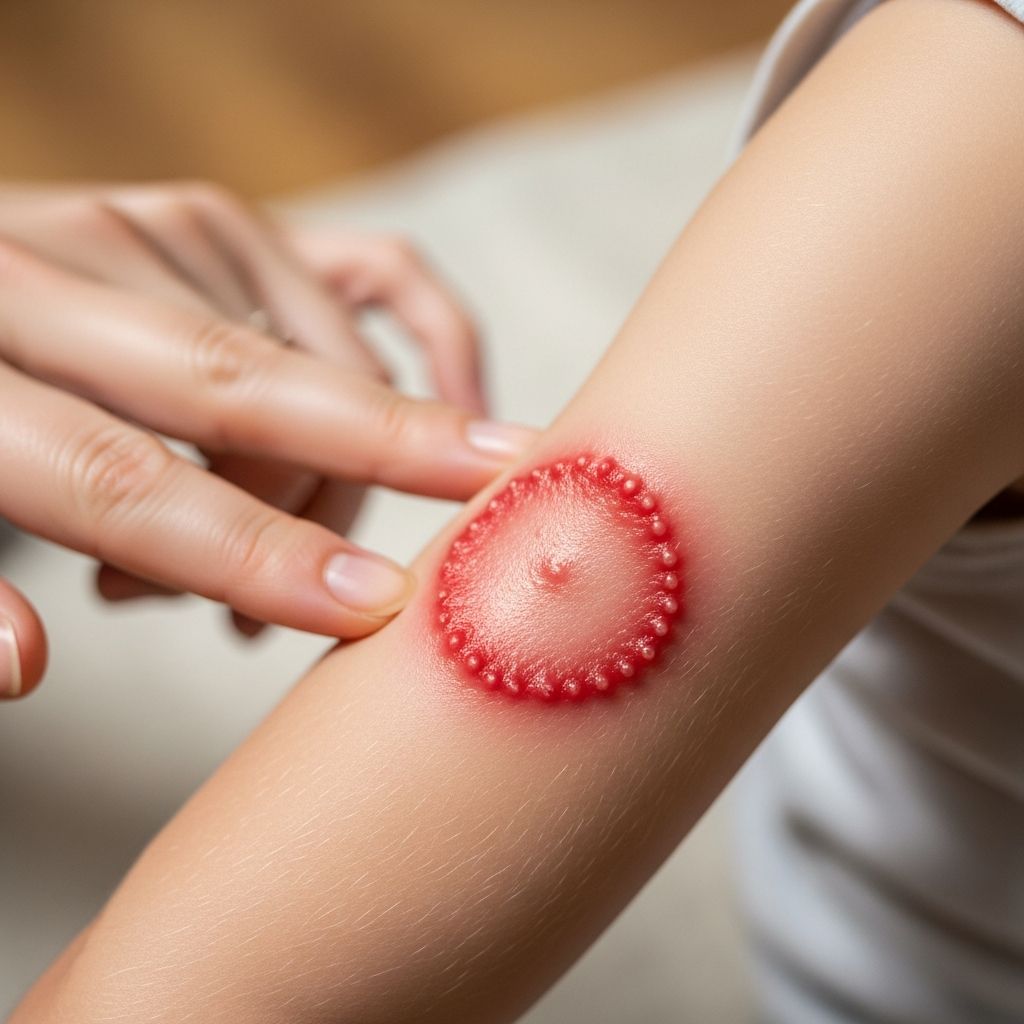
When ringworm affects the torso and general body areas, it typically presents as round or oval-shaped patches with distinctive characteristics. The affected area usually features a scaly, raised border that appears red or pink on lighter skin tones and brown or gray on darker skin. As the infection progresses, the center of the patch often clears while the edges continue to expand, creating the characteristic ring-like appearance that gives the condition its common name. These patches typically measure between half an inch and one inch in diameter initially but can gradually enlarge over time. The affected area is usually mildly itchy, and many parents notice the infection on only one side of the body initially.
Scalp and Hair-Bearing Areas
Ringworm affecting the scalp requires particular attention because it presents differently and demands more aggressive treatment than body infections. Scalp ringworm causes bald patches with thick, crusty buildup. Parents may observe black dots appearing within the bald spots, which represent infected hair at the scalp level. The scalp may appear inflamed and itchy, and in some cases, the infection produces oozing sores. Additionally, children may develop swollen lymph nodes in the neck area as their immune system responds to the infection. In older children with facial hair, ringworm may appear as redness, swelling, and pus-filled bumps on the face and neck area, sometimes with localized hair loss.
Foot and Hand Involvement
When ringworm affects the feet—a condition commonly called athlete’s foot—children may experience itching, burning, or stinging sensations between the toes. The skin in affected areas becomes dry and scaly, and in some cases, the skin between toes may turn white and appear mushy, sometimes accompanied by an unpleasant odor. Ringworm on the hands might manifest as deep cracks in the skin or ring-shaped patches appearing on the back of the hands. Hand infections often develop when children touch infected feet and then transfer the fungus to their hands.
Nails
Nail infections from ringworm cause discoloration of the nails, which may appear thickened, brittle, or crumbly. This type of infection requires more intensive treatment and longer recovery periods than skin-only infections.
Understanding the Source: How Ringworm Spreads
Ringworm transmission occurs through multiple pathways, which is why understanding these routes helps parents implement effective prevention strategies. The infection spreads through direct skin-to-skin contact with infected individuals, making schools and sports activities potential transmission sites. Children frequently catch ringworm from puppies and kittens that carry the fungus. Additionally, the fungus thrives on contaminated surfaces and shared objects, so exposure can occur through locker room floors, shared towels, sports equipment, and bathroom surfaces. The fungus can persist on these surfaces for extended periods, creating ongoing transmission risks.
Treatment Approaches: From Over-the-Counter to Prescription Options
The treatment strategy for ringworm depends on the infection’s severity, location, and the child’s age. Understanding the range of available options allows parents to work effectively with healthcare providers to select the most appropriate approach.
Topical Antifungal Treatments
For mild to moderate ringworm infections affecting the body, over-the-counter topical antifungal creams are typically the first-line treatment. Common options include clotrimazole (marketed as Lotrimin AF) and terbinafine (Lamisil AT), both of which contain potent antifungal agents. These medications are applied directly to the affected area and should be applied to the rash itself plus approximately one inch beyond its visible borders to ensure complete coverage.
Application frequency typically involves using these creams once or twice daily as directed on the product label, with treatment continuing for two to four weeks. A critical aspect of successful treatment involves continuing medication for at least seven days even after the visible rash has completely disappeared. This extended treatment period ensures that all fungal spores are eliminated and prevents recurrence. Parents should wash their hands thoroughly before and after applying these medications to avoid spreading the infection to other body areas or to other family members.
Oral Antifungal Medications
Scalp and nail infections typically require oral antifungal medications because topical creams cannot penetrate these areas effectively. These prescription medications, taken as pills or syrup, work systemically throughout the body to eliminate the fungal infection. Treatment duration for scalp infections typically ranges from one to three months, depending on the infection’s severity and the specific medication prescribed.
In cases where ringworm is widespread across multiple body areas, oral medications may also be recommended even for non-scalp infections. Parents should ensure that children take the complete prescribed course of medication, even if visible improvement occurs within the first week or two of treatment, as premature discontinuation can allow the infection to recur or spread to other areas.
Adjunctive Treatments
Antifungal shampoos and body washes can complement treatment strategies, particularly for scalp infections, by helping prevent spread to other individuals in the household. However, these should be used alongside other prescribed treatments rather than as standalone solutions. Healthcare providers may recommend prescription antifungal shampoos specifically formulated for scalp ringworm to enhance treatment effectiveness.
Essential Care Practices During Treatment
Beyond medication application, maintaining proper hygiene practices is fundamental to successful ringworm treatment and preventing spread throughout the household.
- Maintaining cleanliness: Wash the affected area daily with warm water and antibacterial soap, ensuring thorough drying with a clean towel afterward. Moisture creates an environment where fungi thrive, so complete drying is essential.
- Dedicated towel use: The infected child should use separate, clean towels for affected areas, preventing cross-contamination with other family members.
- Daily clothing changes: Fresh clothes should be worn each day, particularly undergarments and items that contact infected areas.
- Hand hygiene after cream application: Hands should be washed thoroughly after applying antifungal medications to prevent spreading fungal spores to other body areas or objects.
- Treatment of related infections: If the child has athlete’s foot or other fungal infections, these should receive simultaneous treatment to prevent cross-contamination.
Timeline for Recovery and When Results Appear
Understanding realistic treatment timelines helps parents maintain patience and commitment to the treatment regimen. Most mild ringworm cases resolve within two to four weeks of appropriate treatment. Body ringworm typically clears completely within four to six weeks when treated properly. However, scalp and nail infections require significantly longer treatment periods, sometimes extending up to three months for severe cases.
It is important to note that visible improvement may occur before the infection is completely eliminated. Parents should continue applying medications for the full recommended duration, as premature cessation often results in infection recurrence. In some cases, ringworm may reappear after treatment completion, necessitating a repeat course of medication.
When to Seek Professional Medical Evaluation
While many ringworm infections respond well to over-the-counter treatments, specific situations warrant professional medical consultation. Parents should contact their child’s healthcare provider if:
- Symptoms do not improve within two weeks of starting treatment with over-the-counter medications
- The rash appears to be spreading or worsening despite treatment
- Ringworm affects the scalp, nails, or beard area, as these typically require prescription oral medications
- Multiple patches are present across the body
- Signs of secondary bacterial infection appear, such as increased warmth, swelling, pus drainage, or crusting
- The child develops an allergic reaction to antifungal medication
Prevention Strategies: Protecting Your Child and Family
Implementing preventive measures significantly reduces the likelihood of ringworm infection in children and helps prevent spread within households.
- Animal health screening: Ensure that household pets and animals your child contacts regularly are healthy and free from fungal infections. Puppies and kittens are common sources of transmission.
- Locker room and shower hygiene: Encourage children to wear shower shoes in communal bathing areas and to avoid walking barefoot on locker room floors where fungi commonly survive.
- Personal item sharing restriction: Discourage sharing of towels, hairbrushes, combs, hats, helmets, and sports equipment, particularly in school and athletic settings.
- Wound care: Keep any cuts or scrapes clean and covered, as broken skin provides entry points for fungal organisms.
- Moisture control: Help children maintain dry skin, particularly in areas prone to sweating such as feet and groin areas. Change damp clothing promptly after sports or swimming.
- Regular hygiene education: Teach children proper handwashing techniques and the importance of personal hygiene, especially after contact with animals or potentially contaminated surfaces.
Important Cautions: Treatments to Avoid
While exploring treatment options, parents should be aware that certain approaches are ineffective or potentially harmful for ringworm. Steroid creams should not be used to treat ringworm, as they may actually worsen the infection by suppressing local immune responses. Similarly, coal-tar soaps may irritate sensitive skin and should be avoided when treating ringworm. Any treatment approach should be discussed with a healthcare provider before application, particularly for young children or those with sensitive skin conditions.
Return to School and Social Activities
A common question parents have involves when children can safely return to school or daycare. Generally, children can return to school shortly after beginning appropriate treatment, though specific policies vary by institution. Most schools and daycare facilities allow attendance once antifungal treatment has been initiated, as the infection becomes non-contagious relatively quickly with proper medication. However, parents should verify their specific institution’s policies and may need to provide documentation from a healthcare provider confirming that treatment has begun.
Managing Recurrent Infections
Some children experience recurring ringworm infections even after successful treatment. This can occur if environmental sources of infection persist, such as infected pets that have not received treatment, or if the initial infection was not completely eliminated. In these cases, reviewing prevention strategies and ensuring complete treatment of secondary sources (including pets) becomes essential. Healthcare providers can offer additional guidance for managing persistent or recurrent infections.
Frequently Asked Questions About Ringworm in Children
Is ringworm contagious, and how long does it remain contagious?
Yes, ringworm is contagious through direct skin contact with infected individuals, animals, or contaminated surfaces. The infection becomes significantly less contagious once appropriate antifungal treatment begins, typically within several days of starting medication. However, the child should minimize direct skin contact and follow hygiene practices throughout the treatment period.
Can I treat ringworm with home remedies instead of medication?
While keeping the area clean and dry is important, home remedies alone are generally insufficient to eliminate ringworm infection. Over-the-counter antifungal medications are recommended as the first-line treatment. If your child does not improve within two weeks of home care or over-the-counter treatment, professional medical evaluation is necessary.
How can I prevent my other children from catching ringworm from an infected sibling?
Use separate towels for the infected child, wash shared bedding and clothing regularly, discourage direct skin contact until treatment is underway, and ensure the infected child practices good hand hygiene. Treating the infection promptly significantly reduces transmission risk to other family members.
Do I need to treat my pet if my child has ringworm?
If your pet may be the infection source, veterinary evaluation is recommended. Your veterinarian can determine whether your pet has a fungal infection and prescribe appropriate treatment. Untreated animal infections can lead to recurrent ringworm in your child despite successful treatment.
Why does my child’s ringworm still look the same after one week of treatment?
Visible improvement takes time, and it is normal for ringworm to appear unchanged for the first one to two weeks of treatment even though the fungal infection is being eliminated. Continue treatment as prescribed, and if no improvement appears after two weeks, consult your healthcare provider.
Is it safe to use over-the-counter antifungal cream on very young children?
Most over-the-counter antifungal creams are safe for children, but it is always best to consult your healthcare provider before treating a very young child, especially infants. They can recommend age-appropriate treatment options and proper application methods.
References
- When Your Child Has Ringworm — UMass Memorial Health. 2024. https://www.ummhealth.org/health-library/when-your-child-has-ringworm
- Ringworm — The Royal Children’s Hospital. 2024. https://www.rch.org.au/kidsinfo/fact_sheets/ringworm/
- Ringworm in Kids: Symptoms, Treatments & Prevention Tips — Kidsville Pediatrics. 2024. https://www.kidsvillepeds.com/blog/1199934-dealing-with-ringworm-pediatric-tips-for-parents/
- Ringworm in Children: Care Instructions — My Health Alberta. 2024. https://myhealth.alberta.ca/Health/aftercareinformation/pages/conditions.aspx?hwid=bz1037
- Ringworm — Seattle Children’s Hospital. 2024. https://www.seattlechildrens.org/conditions/a-z/ringworm/
- Ringworm — Nemours KidsHealth. 2024. https://kidshealth.org/en/parents/fungal-ringworm.html
- Treatment of Ringworm and Fungal Nail Infections — Centers for Disease Control and Prevention (CDC). 2024. https://www.cdc.gov/ringworm/treatment/index.html
- Ringworm (Tinea Corporis): What It Looks Like, Causes & Treatment — Cleveland Clinic. 2024. https://my.clevelandclinic.org/health/diseases/4560-ringworm