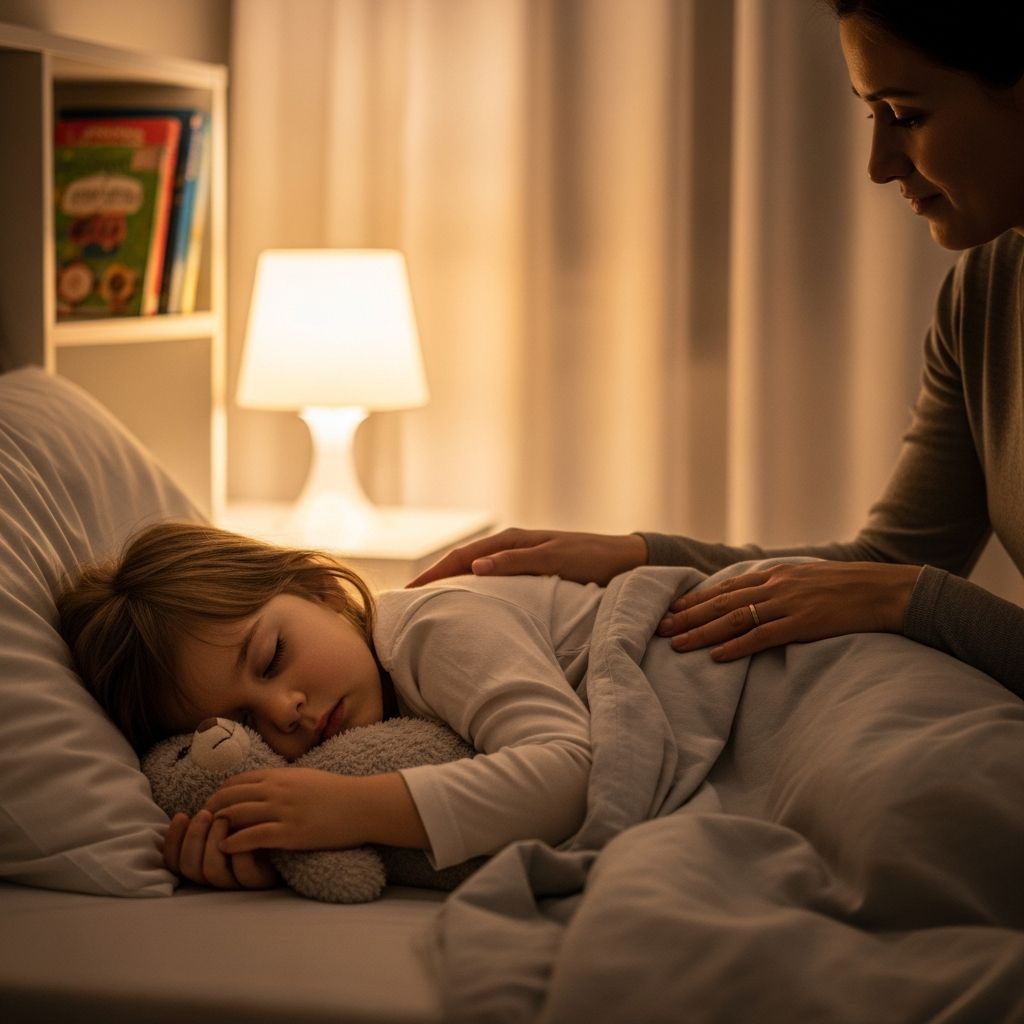
Few things rattle parents more than a child who just will not sleep. Long nights, repeated wakings, and endless bedtime battles can leave everyone exhausted, discouraged, and worried that something is “wrong.” Yet most sleep struggles are not emergencies; they are messages about your child’s needs, development, and emotions.
This guide offers a calm, relationship-based way to think about your child’s sleep. Instead of jumping straight to rigid rules or quick fixes, it will help you understand what is going on, decide when to seek help, and build gentle habits that support both rest and emotional security.
Why Sleep Struggles Feel So Overwhelming
Sleep touches everything: your energy, your patience, your work, and your child’s mood and behavior. When nights fall apart, it is easy to slip into fear and self-blame. You may start to wonder whether you have created bad habits or missed some crucial window to teach your child to sleep.
Underneath those worries is usually something simpler: you care deeply about your child’s well-being and you are exhausted. Recognizing that you are not failing, you are just human and tired, is the first step toward responding more calmly and effectively.
Normal Sleep Challenges by Age
Before assuming a serious problem, it helps to know that many sleep issues are part of normal development. Children’s sleep is not a straight line; it moves in waves, with easier and harder phases.
| Age | Typical Night Challenges | What Might Be Going On |
|---|---|---|
| 0–6 months | Frequent night wakings, irregular schedule | Immature sleep cycles, frequent feeding needs, adjusting to day–night rhythm |
| 6–18 months | Waking to feed or be held, resistance at bedtime | Separation anxiety, rapid development, strong need for soothing and closeness |
| 18 months–3 years | Bedtime battles, calling out, night wakings | Growing willpower, fear of separation, big emotions with limited self-regulation |
| 3–7 years | Nightmares, fears of the dark, difficulty winding down | Vivid imagination, exposure to new experiences, need for reassurance and routine |
| 7+ years | Trouble falling asleep, restless nights, early waking | School stress, screens, over-scheduling, anxiety, or changing circadian rhythms |
These ranges are approximate, not rules. Some infants sleep long stretches early, others wake often well into toddlerhood; some preschoolers breeze through nights while others struggle with fear and separation. The goal is not to force your child into a chart, but to understand that variability is normal.
When Worry Is Helpful (And When It Is Not)
A certain amount of concern can motivate helpful change, such as improving routines or asking for medical advice. But chronic worry can pull you into late-night internet rabbit holes, tense interactions with your child, and panic that makes everyone more wired and less able to sleep.
It helps to separate two kinds of worry:
- Helpful worry: Leads to concrete, proportional actions such as tracking sleep, adjusting naps, or scheduling a pediatric visit.
- Unhelpful worry: Spawns catastrophic thoughts like “my child will never sleep” or “I’ve ruined them,” which leave you feeling helpless and ashamed.
Ask yourself: “Is there a specific, realistic step I can take about this concern?” If the answer is yes, take it. If the answer is no and your mind just spins, focus instead on calming your body and reconnecting with your child.
Signs You Should Talk to a Professional
Most sleep difficulties improve with time, routine, and emotional support, but some patterns deserve medical or developmental attention. Trust your instincts and consult a health professional if you notice any of the following:
- Persistent loud snoring, gasping, pauses in breathing, or very labored breathing during sleep.
- Nighttime episodes with stiffening, jerking, unusual movements, or confusion that do not resemble typical nightmares.
- Extreme daytime sleepiness, frequent falling asleep in unsafe situations, or dramatic behavior or learning changes tied to poor sleep.
- Very short sleep durations for age over many weeks, with no chance to nap or rest.
- Feeding issues, poor growth, chronic pain, or medical conditions that seem connected to sleep difficulties.
Raising these concerns is not overreacting; it is part of being a careful, attentive parent. When serious problems are ruled out or treated, you can approach the remaining sleep issues with more confidence and less fear.
Understanding the Emotional Side of Sleep
Sleep is not only a biological process; it is also emotional. Falling asleep means separating from you, entering the dark, and letting go of control. For many children, that is a big ask.
Common emotional reasons children resist sleep include:
- Separation fear: Worry that you will leave, forget them, or not come back.
- Fear of the dark or imagination: Shadows, thoughts, and remembered images feel overwhelming at night.
- Unprocessed feelings: Upsets from the day that were never fully expressed show up as “I’m not tired” and endless stalling.
- Need for power and autonomy: Saying “no” to bed is one of the few powerful moves a young child has.
When you see sleep struggles as emotional communication rather than misbehavior, your response shifts from “How do I make this stop?” to “What is my child trying to tell me, and how can I help them feel safe?”
Calming Yourself So You Can Calm Your Child
On very little sleep, even small protests can feel unbearable. You may find yourself snapping, threatening, or bargaining in ways you do not like. Instead of piling guilt on top of exhaustion, treat your reactions as signals that you need care too.
Helpful ways to soothe yourself at bedtime or during night wakings include:
- Taking three slow breaths before entering your child’s room or responding to their calls.
- Quietly naming your feelings in your mind: “tired,” “frustrated,” “overwhelmed,” which can reduce their intensity.
- Preparing a simple mantra, such as “My child is having a hard time, not giving me a hard time.”
- Asking for backup from a partner, friend, or relative when possible so you are not carrying nights alone.
When you are calmer, you are better able to offer firm yet gentle limits, comfort your child generously, and choose strategies that match your values.
Designing a Gentle Bedtime Routine
A predictable, warm routine can act like a bridge from the busyness of the day to the quiet of night. The key is not complexity but consistency and connection. Children relax more when they know what comes next and that you are emotionally present.
Consider the following principles when designing your evening:
- Start before everyone is exhausted: Begin winding down 30–60 minutes before the ideal sleep time.
- Signal the shift: Use dimmer lights, softer voices, and slower movements to cue your child that night is coming.
- Build connection in: Include at least one step that clearly says, “You matter and I like being with you,” such as cuddling, storytelling, or simple conversation.
- Repeat in the same order: The exact steps can vary, but the sequence should be stable enough that your child can predict it.
Sample Connected Bedtime Flow (To Adapt, Not Copy)
Every family is different, but many routines follow a similar arc:
- Transition from play to a calming activity (a snack, a short walk, or cleaning up together).
- Body care (bath or wash-up, pajamas, teeth, toilet or diaper).
- Quiet connection (book, song, or a brief “high–low” chat about the day).
- Final wind-down (lights low, consistent phrase, cuddle, then your chosen sleep arrangement).
Think of the routine as something you and your child do together, not something you impose on them. Involving them in choosing pajamas, picking a book, or turning off the light can meet their need for control in small, healthy ways.
Responding to Night Wakings Without Power Struggles
Even with a solid bedtime routine, many children wake at night. Your response can both comfort them and gradually guide them toward longer stretches of sleep. What you choose depends on your values, your child’s temperament, and your family’s circumstances.
Here are some respectful approaches to consider:
- Check basic needs first: Hunger, pain, illness, or a wet diaper can all wake a child. Address these before assuming it is “behavioral.”
- Offer calm presence: Sit or lie nearby, speak softly, and use touch if your child finds it soothing. Keep lights dim and conversation minimal to avoid full wake-ups.
- Gradual retreat: If your long-term goal is more independent sleep, slowly increase distance over days or weeks—moving from holding, to sitting by the bed, to being by the door, always responding if your child escalates into distress.
- Consistent response: Whatever you choose, repeating it consistently for a stretch of time helps your child understand what to expect and reduces confusion.
There is no single correct amount of parental presence at night. The measure is not how quickly your child sleeps alone, but how safely and lovingly everyone in the family is sleeping.
Balancing Limits and Empathy
A gentle approach to sleep does not mean saying yes to every request or allowing hour-long bedtime negotiations. Children feel safer when you combine empathy with clear boundaries: “I understand” and “Here is the limit” can coexist.
Some examples of this balance include:
- Validating feelings while holding the line: “You really want another story and it is hard to stop when you are having fun. Tonight we are done with stories; I can tell you a short made-up one while we cuddle for a minute.”
- Offering limited choices: “Would you like me to sit on the bed or on the chair while you fall asleep?” rather than “Do you want to go to bed?”
- Staying with their upset: Allowing tears and protests while you remain calm and present, instead of withdrawing affection or scolding for feeling angry or scared.
Over time, this combination of kindness and firmness teaches your child that their feelings are acceptable but do not have to control every decision.
Adjusting Expectations and Letting Go of Comparisons
Much of the anxiety around children’s sleep comes from comparison—stories from friends, social media posts, or charts that appear to show what “normal” looks like. It is easy to forget that every family has unseen struggles and every child’s body and nervous system are unique.
Healthy expectations for your child’s sleep usually include:
- Recognizing that waking at night can be common for young children and is not automatically a sign of failure.
- Accepting that improvement often comes in small steps, not overnight transformations.
- Making peace with the idea that what works for another family may not suit your values, your child’s temperament, or your circumstances.
Your goal is not to win the “best sleeper” prize; it is to support a secure, well-rested child in a way that feels aligned with your family’s needs and beliefs.
Supporting Your Own Rest and Resilience
You matter in this picture. A sleep plan that ignores your physical and emotional limits will not last. Small adjustments can make a large difference in how sustainable nighttime care feels.
Consider experimenting with:
- Rotating night duties with another adult when possible, so each of you gets some longer stretches of sleep.
- Protecting a short daily pocket of time for yourself, even 10–15 minutes, for something that restores you.
- Lowering nonessential expectations in high-intensity phases—simpler meals, less housework, fewer extra commitments.
- Connecting with other parents for emotional support and realistic stories that counter the myth of the perfectly sleeping child.
When your needs are not entirely buried, patient and compassionate responses become easier, even in the middle of the night.
Frequently Asked Questions About Children’s Sleep
Is it my fault that my child does not sleep well?
Blaming yourself is natural but rarely accurate or helpful. Children’s sleep is shaped by biology, temperament, environment, and life changes, not by any single parenting choice. You always have the opportunity to adjust routines, offer more connection, and seek support without framing yourself as the problem.
Will comforting my child at night “spoil” them or create bad habits?
Responding to your child’s distress does not spoil them; it teaches them that they are not alone with big feelings. While patterns do form around sleep, those patterns can be gently reshaped over time. Meeting emotional needs first often makes it easier to introduce new sleep expectations later.
How long should I try a new sleep approach before deciding whether it works?
Most changes take at least one to two weeks of consistent practice to show clear results. There may even be a brief increase in protests as your child adjusts to something new. If an approach feels harsh, fights your values, or clearly worsens your child’s anxiety, it is reasonable to stop sooner and try a gentler alternative.
What if my child seems wired at bedtime even when they are tired?
Many exhausted children appear hyper or silly rather than droopy. This “second wind” can come from stress hormones released when they are overtired or overstimulated. Bringing bedtime a little earlier, protecting a quiet wind-down period, and allowing them to release pent-up emotions during the day can help their bodies shift into a calmer state at night.
When is it appropriate to seek specialist help?
If your child’s sleep struggles are intense, long-lasting, or tied to breathing issues, medical concerns, or serious anxiety, talking with your pediatrician or a sleep-aware child professional is wise. You do not need to wait until you are at a breaking point; asking for support is part of responsible parenting, not a sign that you have failed.
Moving Forward With Compassion
Your child’s sleep does not define your worth as a parent. What matters most is the atmosphere you create: one of safety, connection, and steady leadership, even when nights are rocky. By calming your own fears, respecting your child’s feelings, and building simple, consistent routines, you give your family the best chance at better rest over time.
Change rarely comes in a single night, but every small step toward more peaceful evenings and more confident responses in the dark is progress. You and your child are learning together—and that learning is happening, even between yawns.