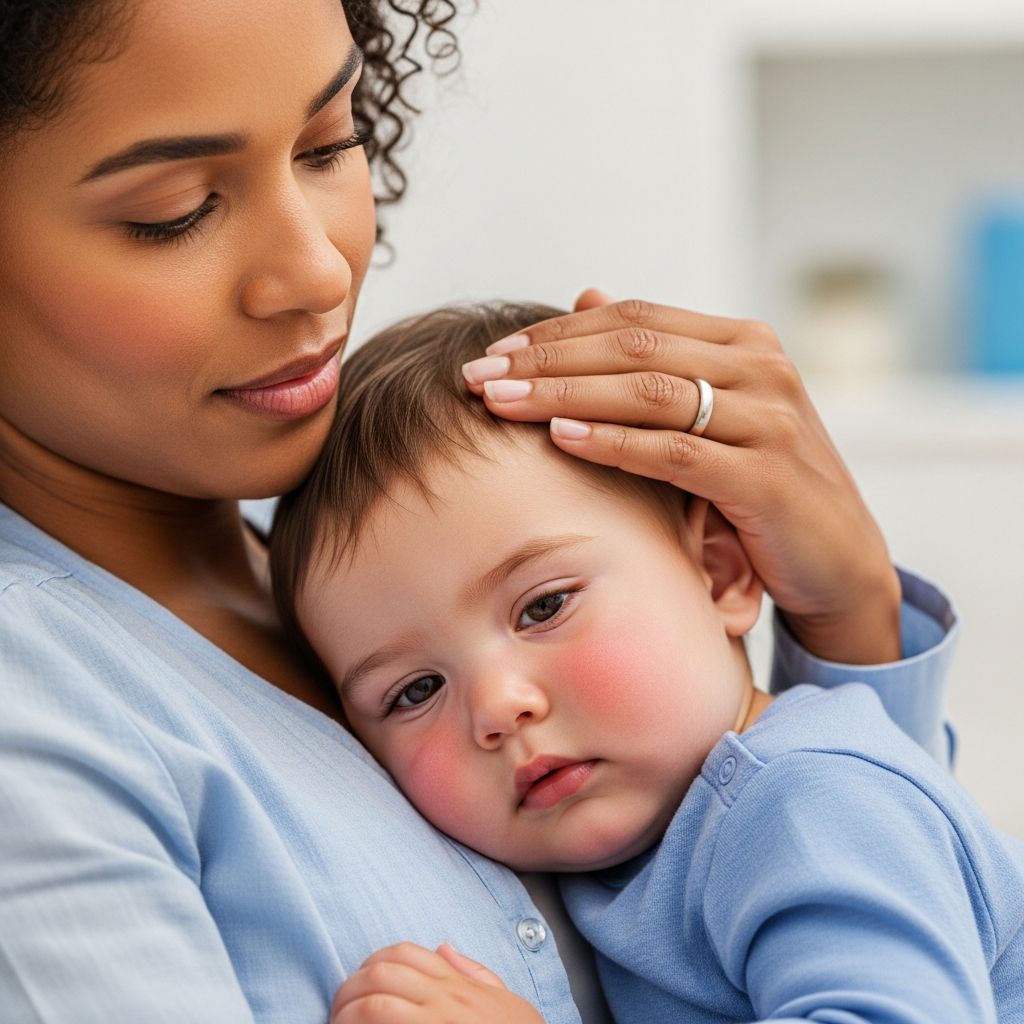
Respiratory syncytial virus, commonly called RSV, is a very common childhood infection that mainly affects the lungs and breathing tubes. Almost all children encounter RSV in the first few years of life, but while it often looks like a simple cold, it can sometimes cause serious breathing problems in babies and young children.
This guide explains RSV in clear language so parents and caregivers can recognize symptoms early, care for a sick child at home safely, and know exactly when it is time to call the doctor or visit the emergency room.
What Is RSV and How Does It Affect the Lungs?
RSV is a virus that infects the respiratory tract, including the nose, throat, windpipe, and lungs. In older children and adults, it usually causes mild, cold-like symptoms. In babies and toddlers, however, RSV can lead to inflammation and swelling in the small airways of the lungs, a condition known as bronchiolitis.
When these tiny airways swell and fill with mucus, it becomes harder for air to move in and out. This can cause wheezing, fast breathing, and visible effort with each breath. Because babies have very small airways to begin with, even a little swelling can make breathing much more difficult.
- RSV is most active during cold and flu season in many regions.
- Most infections are mild, but infants, especially those under 6 months, are at higher risk of complications.
- Children with underlying heart, lung, or immune problems are more likely to have severe disease.
How RSV Spreads in Homes, Daycares, and Schools
RSV spreads easily from person to person through droplets from the nose and mouth. Coughing, sneezing, and close contact allow the virus to move quickly through families, daycares, and classrooms. The virus can also survive on surfaces for several hours, which means shared toys, doorknobs, and tablet screens can become sources of infection.
A child can get RSV by touching a contaminated surface and then rubbing their eyes, nose, or mouth. Because young children often touch their faces and may not wash their hands well, RSV can move rapidly through groups of kids.
- RSV can live on hard surfaces (like tables and crib rails) long enough to infect another person.
- Kissing a baby’s face when you have a cold can pass the virus directly.
- Siblings who attend school or daycare often bring RSV home to younger brothers or sisters.
Early Signs and Common Symptoms of RSV
RSV often begins like a standard cold. Symptoms usually appear a few days after a child is exposed to the virus and can build gradually over time. Parents may notice that their child seems to be getting “a little sniffly” and then worsens over the next several days.
Common early symptoms include:
- Runny or stuffy nose
- Sneezing
- Mild cough
- Low-grade fever
- Decreased appetite or feeding less than usual
As RSV affects the lower airways more, additional symptoms can appear:
- Worsening cough
- Wheezing (a whistling sound when breathing out)
- Rapid or labored breathing
- Trouble breastfeeding or taking a bottle because of congestion
Danger Signs: When RSV Becomes an Emergency
While many children ride out RSV at home, some develop serious breathing difficulties and need urgent medical care. Parents should watch closely for any signs that their child is working hard to breathe or is not getting enough oxygen.
Seek emergency care or call your local emergency number immediately if you notice any of the following:
- Breathing very fast or very slow
- Grunting, moaning, or pausing in breathing
- Skin pulling in between or under the ribs with each breath
- Flaring nostrils with every breath
- Blue or gray color on the lips, tongue, or fingernails
- Extreme sleepiness, limpness, or difficulty waking
- Not drinking well and having very few wet diapers
These signs suggest that the child may not be getting enough oxygen or fluids and needs prompt evaluation in an emergency department.
RSV Risk Factors: Which Children Need Extra Attention?
RSV can be serious in any child, but certain groups are more likely to need hospital care. Understanding risk factors helps parents decide how closely to monitor symptoms and how quickly to seek medical advice.
Children at higher risk for severe RSV illness include:
- Premature babies, especially those born before 29 weeks of pregnancy
- Infants younger than 6 months during RSV season
- Children with chronic lung diseases such as bronchopulmonary dysplasia
- Children with certain heart conditions, especially those affecting blood flow to the lungs
- Children with weakened immune systems
- Babies exposed to secondhand smoke or living in crowded homes
If a child has any of these risk factors, parents should contact the child’s healthcare provider early when RSV-like symptoms start, even if they seem mild at first.
How Doctors Diagnose RSV in Children
In many cases, a doctor can suspect RSV based on the child’s symptoms, age, and the time of year. A physical exam helps the provider listen to the lungs, check breathing effort, and look for signs of dehydration or poor oxygen levels.
Additional tests may be considered if the child is very young, has underlying medical conditions, or appears quite ill:
- Nasal swab to check for RSV and other viruses
- Pulse oximetry to measure oxygen levels in the blood
- Chest X-ray if pneumonia or a different lung problem is suspected
Not every child with RSV needs lab tests. Many are managed based on clinical symptoms alone, especially if they are stable and can safely stay at home.
Treatment Overview: Why Care Is Mostly Supportive
RSV is a viral infection, so antibiotics do not cure it. Most children improve with supportive care that focuses on easing symptoms, maintaining breathing and hydration, and monitoring for complications. Recovery often takes one to two weeks, with symptoms typically peaking around days three to five of illness.
The main goals of treatment are:
- Keep the child comfortable and well hydrated
- Clear nasal congestion to help with feeding and breathing
- Manage fever and pain safely
- Identify and treat any complications, such as pneumonia or ear infections
Home Care: Practical Steps to Help a Child with RSV
Many children with RSV can stay at home with careful monitoring and supportive care. Parents play a critical role in keeping the child comfortable and recognizing when things change.
Managing Fever and Discomfort
- Use age-appropriate fever reducers as advised by the child’s healthcare provider.
- Never give aspirin to children due to the risk of a rare but serious condition.
- Dress the child in light clothing and avoid heavy blankets if they feel warm.
Keeping the Nose Clear
- Use saline drops or spray to loosen mucus in the nose.
- Gently suction the nose with a bulb syringe or nasal aspirator, especially before feeds and sleep.
- Consider using a cool-mist humidifier in the child’s room to keep air moist and ease breathing.
Hydration and Feeding
- Offer smaller, more frequent feeds to make breathing and swallowing easier.
- For infants, continue breast milk or formula unless a healthcare provider advises otherwise.
- Watch for signs of dehydration: dry mouth, fewer tears, sunken soft spot on the head in infants, and fewer wet diapers.
Hospital Care: What Happens If a Child Is Admitted?
Some children with RSV need hospital care for breathing support or fluids. Hospitalization is more common in very young infants, children with high-risk conditions, or those who develop complications such as significant bronchiolitis or pneumonia.
In the hospital, the care team may provide:
- Oxygen through a small tube under the nose or a mask
- Intravenous (IV) fluids if the child is not drinking enough
- Medications to help with breathing or to treat other conditions, when appropriate
- Continuous monitoring of breathing rate, heart rate, and oxygen levels
Most hospitalized children improve over a few days and then continue recovering at home. Parents are guided on how to continue care and recognize lingering or returning symptoms.
RSV vs. Common Cold vs. Flu: Key Differences
Because RSV often begins like a routine cold, it can be hard to tell the difference at first. The table below highlights general patterns that may help parents understand how RSV compares with a typical cold and seasonal flu. Only a healthcare provider can make a diagnosis, so this table is for educational purposes only.
| Feature | RSV in Children | Common Cold | Seasonal Flu |
|---|---|---|---|
| Typical onset | Gradual, starts like a mild cold | Gradual, mild symptoms | Sudden, child may seem very sick quickly |
| Main concerns | Breathing difficulty, wheezing, poor feeding in infants | Discomfort, runny nose, mild cough | High fever, body aches, fatigue, possible complications |
| Common in | Babies and young children | All ages | All ages; severe in very young and older adults |
| Risk of hospitalization | Higher in infants and high-risk children | Low in healthy children | Moderate, especially in high-risk groups |
Preventing RSV: Everyday Habits That Make a Difference
Parents cannot completely eliminate the risk of RSV, but consistent hygiene and infection-control habits greatly reduce the chances of serious infection, especially in babies. Prevention is especially important during peak RSV season.
- Wash hands with soap and water for at least 20 seconds, especially before touching a baby.
- Use hand sanitizer when soap and water are not available.
- Keep sick siblings and adults from kissing or holding young babies when they are ill.
- Clean and disinfect frequently touched surfaces and shared toys.
- Avoid crowded indoor places with very young infants during peak RSV months if possible.
- Do not allow anyone to smoke around a baby or child.
Medical Prevention Options for High-Risk Infants
For some infants and young children with certain medical conditions, healthcare providers may recommend medications that help prevent severe RSV illness. These are not everyday vaccines in the usual sense but are antibodies or vaccines designed to provide targeted protection during RSV season.
Parents of high-risk children should discuss whether their child qualifies for:
- Monoclonal antibody injections that provide temporary protection during RSV season.
- Specific RSV vaccines that may be available in some regions for certain age or risk groups.
These preventive options are usually given before or at the start of the RSV season and may require repeating doses over time. Eligibility depends on factors such as prematurity, lung disease, heart disease, and immune status.
How Long Does RSV Last and What About Long-Term Effects?
Most children with RSV start to improve within a week or two, although the cough can linger longer as the airways heal. Energy levels and appetite may return gradually. Parents should expect the roughest days to occur in the middle of the illness, not at the very start.
Some children who have had RSV bronchiolitis may experience wheezing or more noticeable breathing symptoms with future colds. While this does not always mean they will develop asthma, it is something to discuss with the child’s healthcare provider, especially if breathing issues keep returning.
FAQs About RSV for Parents
1. Can my child get RSV more than once?
Yes. The body does not develop complete, lifelong immunity to RSV. A child can get RSV multiple times, although later infections often tend to be milder than the first. However, some children can still become quite ill with repeat infections.
2. When should my child stay home from daycare or school?
A child with RSV should stay home while they have fever, significant coughing, or trouble breathing, or if they are too tired or uncomfortable to participate in regular activities. Most programs ask that children be fever-free for at least 24 hours without medication and able to manage their secretions before returning.
3. Are over-the-counter cold medicines safe for young children with RSV?
Many cold medicines are not recommended for young children and can cause side effects without improving the illness. Parents should always check with their child’s healthcare provider before giving any over-the-counter cough or cold product, particularly in children under 6 years old.
4. Should I use a home pulse oximeter to monitor my child?
Some families use home devices to check oxygen levels, but readings can be inaccurate if used incorrectly. Parents should focus primarily on how the child is breathing and behaving: signs like fast breathing, chest pulling in, or blue lips always require urgent care, regardless of home device readings.
5. Does breastfeeding help protect against RSV?
Breast milk contains antibodies and immune factors that can help protect infants from many infections and may reduce the severity of RSV. However, breastfeeding does not guarantee that a baby will avoid RSV, so preventive hygiene measures remain important.
6. Can adults catch RSV from children?
Yes. Adults can get RSV as well, often with symptoms similar to a mild cold. Older adults and those with weakened immune systems may develop more serious disease, so it is important for them to practice good hand hygiene and avoid close contact with sick children when possible.
Key Takeaways for Parents
- RSV is extremely common and often mild, but it can cause serious breathing problems in infants and high-risk children.
- Early signs resemble a cold, but parents should watch closely for fast or labored breathing, poor feeding, and signs of dehydration.
- Supportive care at home focuses on clear nasal passages, good hydration, and safe fever control.
- Emergency care is needed if a child has trouble breathing, appears blue, or is too tired to wake or feed.
- Good hygiene, smoke-free environments, and, for some children, preventive medical options can reduce the risk of severe RSV.
Armed with the right information and a close eye on symptoms, parents can navigate RSV season more confidently and seek the right care at the right time for their children.