Understanding the Real Risk Behind a Simple Band
For many, a wedding ring is more than jewelry—it’s a symbol of commitment, love, and identity. Worn daily, it often becomes so familiar that its presence is barely noticed. But beneath that sense of normalcy lies a rarely discussed but very real danger: the risk of a degloving injury, also known as a ring avulsion. While uncommon, this type of trauma can have life-altering consequences, including permanent damage or even amputation of a finger. Understanding how and why this happens is the first step toward preventing it.
What Exactly Is a Degloving Injury?
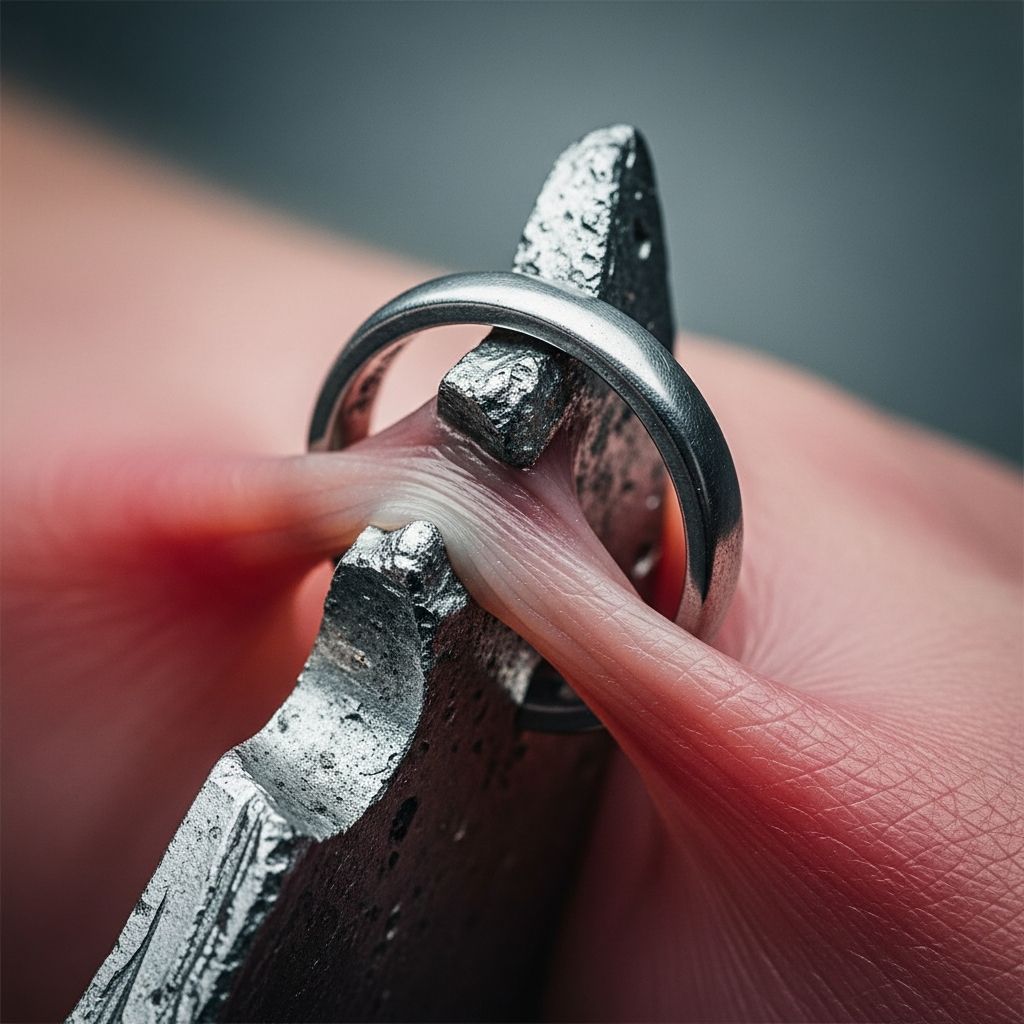
Medically, degloving refers to a traumatic separation of the skin and underlying soft tissue from the deeper structures of the body, such as muscle, tendons, and bone. In the context of the hand, this most often occurs when a ring on the finger becomes caught on an object and is suddenly and forcefully pulled. The ring acts like a hook, dragging the skin and tissue along with it as the finger is yanked away. In severe cases, the skin may be completely stripped from the finger, leaving tendons and bone exposed.
This is not a minor scrape or bruise. Degloving is a high-energy injury that can damage blood vessels, nerves, tendons, and even bone. Because the blood supply to the finger is often compromised, the tissue may not survive, which significantly complicates treatment and recovery.
How Ring Avulsion Happens in Everyday Life
Ring avulsion injuries are not limited to industrial accidents or extreme sports. They can occur in surprisingly ordinary situations:
- Reaching into a car door or truck bed and catching a ring on a latch or edge
- Leaning over a fence or railing and losing balance while a ring snags on a metal rod
- Handling tools, machinery, or sports equipment where a ring can catch on a moving part
- Even simple actions like pulling on a tight glove or sleeve can, in rare cases, generate enough force to cause injury if the ring is stuck
The mechanism is straightforward: the ring becomes fixed to an object while the body continues to move. The resulting force is concentrated on a very small area of the finger, creating a tourniquet-like effect that can tear through skin, crush soft tissue, and disrupt circulation. The fourth finger (ring finger) is especially vulnerable because it is often the finger where wedding bands are worn and because of its anatomical position and mobility.
Classifying the Severity of Ring Avulsion
Medical professionals categorize ring avulsion injuries based on the extent of tissue damage and, critically, the status of blood flow to the affected finger. This classification helps guide treatment and predict outcomes:
| Class | Key Features | Typical Treatment |
|---|---|---|
| Class I | Minor skin damage, intact blood flow, no major tissue loss | Cleaning, bandaging, possible stitches; usually heals well |
| Class II | Compromised circulation, partial degloving, exposed tendons or bone | Emergency surgery to restore blood flow, tissue repair, possible skin grafts |
| Class III | Complete degloving or amputation, no viable tissue, poor or absent circulation | Often requires amputation; reconstruction may be attempted in specialized centers |
Higher classes are associated with longer recovery times, multiple surgeries, and a greater likelihood of permanent functional loss or cosmetic changes to the hand.
Why Wedding Rings Pose a Unique Risk
Wedding rings are particularly problematic in this context for several reasons:
- Constant Wear: Unlike other jewelry, wedding bands are typically worn 24/7, increasing exposure time to potential hazards.
- Material and Design: Traditional metal rings are rigid and can act as a fixed point of leverage when caught, unlike flexible or soft alternatives.
- Emotional Attachment: Many people are reluctant to remove their wedding ring, even in risky situations, which can delay protective actions.
- Finger Swelling: Conditions like arthritis, injury, heat, or fluid retention can cause fingers to swell, making rings tighter and more likely to act as a tourniquet if caught.
Because of these factors, a wedding ring that is otherwise harmless can become a dangerous liability in the wrong moment.
Recognizing the Signs of a Serious Ring Injury
Not every time a ring catches on something leads to a degloving injury, but it’s important to know when to seek immediate medical help. Warning signs include:
- Severe pain, especially if it persists after the ring is removed
- Visible tearing, bruising, or loss of skin on the finger
- Numbness, tingling, or loss of sensation in the finger
- Coolness, paleness, or bluish discoloration of the fingertip (indicating poor blood flow)
- Inability to move the finger normally or weakness in grip
If any of these symptoms occur after a ring has been caught and pulled, it should be treated as a medical emergency. Delaying care can reduce the chances of saving the finger or restoring full function.
Immediate First Aid for Ring-Related Hand Injuries
If a ring avulsion or suspected degloving injury occurs, prompt and appropriate first aid can make a critical difference:
- Stop the Activity: Immediately cease any movement that could worsen the injury.
- Remove the Ring (If Safe): If the ring is still on and not causing additional pain or damage, try to remove it carefully. If it’s stuck, do not force it.
- Control Bleeding: Apply gentle pressure with a clean cloth or gauze to any open wounds.
- Elevate the Hand: Keep the injured hand raised above heart level to reduce swelling and improve circulation.
- Seek Emergency Care: Go to an emergency department or call for an ambulance, especially if there is significant pain, swelling, or signs of poor blood flow.
- If a Finger Is Severed: Wrap the amputated part in moist gauze, place it in a sealed plastic bag, and then put the bag on ice (not directly on ice). Do not delay transport to the hospital.
Time is a crucial factor in preserving tissue and maximizing the chance of successful surgical repair.
Preventing Ring Avulsion: Practical Safety Strategies
Prevention is far more effective than treatment when it comes to degloving injuries. Simple, proactive steps can dramatically reduce risk:
Remove Rings During Risky Activities
Take off wedding and other rings before:
- Working with tools, machinery, or heavy equipment
- Playing sports or engaging in physical activities
- Handling animals, especially large or strong ones
- Doing yard work, home repairs, or any task where hands are near moving parts or sharp edges
Consider Alternative Jewelry Options
For those who want to keep a visible symbol of commitment without the risk:
- Flexible silicone rings are a popular alternative for active lifestyles.
- Necklaces or bracelets can serve as meaningful keepsakes when rings must be removed.
- Some people choose to wear a less valuable or more easily removable ring during high-risk times.
Regular Ring Sizing and Fit Checks
Fingers change size over time due to age, weight, temperature, and medical conditions. Regularly check that rings fit comfortably:
- They should slide on and off with a little resistance but not require force.
- Swelling from heat, injury, or medical conditions can make rings too tight; consider removing them in such situations.
- If a ring is difficult to remove, it may already be acting as a tourniquet and should be addressed promptly.
Workplace and Home Safety Awareness
In occupational settings, especially in construction, manufacturing, and agriculture, employers and employees should be aware of ring hazards:
- Follow safety protocols that include removing jewelry before operating machinery.
- Use gloves and protective equipment that reduce the chance of rings catching on equipment.
- At home, be mindful of door handles, fences, car doors, and other common snag points.
Medical Management and Long-Term Recovery
Ring avulsion injuries often require specialized care from hand surgeons and plastic surgeons. Treatment depends on the class of injury but may include:
- Emergency surgery to repair blood vessels, nerves, and tendons
- Debridement (removal of dead or damaged tissue)
- Replantation or revascularization attempts in severe cases
- Skin grafts or flap surgery to cover exposed areas
- Antibiotics to prevent or treat infection
Recovery can take weeks to months and often involves:
- Physical and occupational therapy to restore strength, dexterity, and function
- Pain management and wound care
- Psychological support, especially if there is permanent disability or amputation
Even with excellent care, some patients are left with reduced grip strength, stiffness, or chronic pain. The emotional impact of losing a finger or having a visibly altered hand can also be significant.
When to Talk to a Doctor About Ring Safety
Certain individuals may be at higher risk and should discuss ring safety with a healthcare provider:
- People with arthritis or other conditions that cause finger swelling
- Those with circulatory problems or diabetes, which can affect healing and sensation
- Individuals whose jobs or hobbies involve frequent hand use near machinery or rough surfaces
- Anyone who has previously experienced a ring-related injury or near-miss
A doctor can help assess individual risk and recommend strategies, such as temporary removal of rings or use of alternative jewelry, to balance safety and personal preference.
Frequently Asked Questions
Can a wedding ring really cause a finger to be torn off?
Yes, in rare but severe cases, a ring caught on an object and forcefully pulled can cause a degloving injury or even complete amputation of the finger. The ring concentrates the force on a small area, leading to extensive tissue damage.
What should I do if my ring gets stuck and I can’t remove it?
If a ring is too tight and cannot be removed, especially if there is swelling, pain, or changes in color or sensation, seek medical help immediately. Emergency departments can use specialized tools to cut the ring off safely without further injury.
Are silicone rings safer than metal rings?
Silicone rings are generally safer in high-risk situations because they are flexible and more likely to break or tear under force rather than acting as a fixed point that can cause degloving. They are a good option for active lifestyles or hazardous environments.
How common are ring avulsion injuries?
Ring avulsion injuries are relatively rare, but they are serious when they occur. Because they often require emergency surgery and can lead to long-term disability, awareness and prevention are important despite their low frequency.
Can a degloved finger be saved?
In some cases, especially with prompt medical care, a degloved finger can be partially or fully salvaged through surgery to restore blood flow and reconstruct tissue. However, in severe cases, amputation may be necessary to prevent infection and further complications.
References
- Ring Avulsion Injuries — Orthobullets. Updated 2023. https://www.orthobullets.com/hand/6061/ring-avulsion-injuries
- Ring Avulsion (Injury): What It Is, Causes & Prevention — Cleveland Clinic. Updated 2023. https://my.clevelandclinic.org/health/diseases/22368-ring-avulsion
- Total deglovement of the fourth digit due to ring avulsion injury — BMJ Case Reports, PMC. 2013. https://www.ncbi.nlm.nih.gov/pmc/articles/PMC3794249/