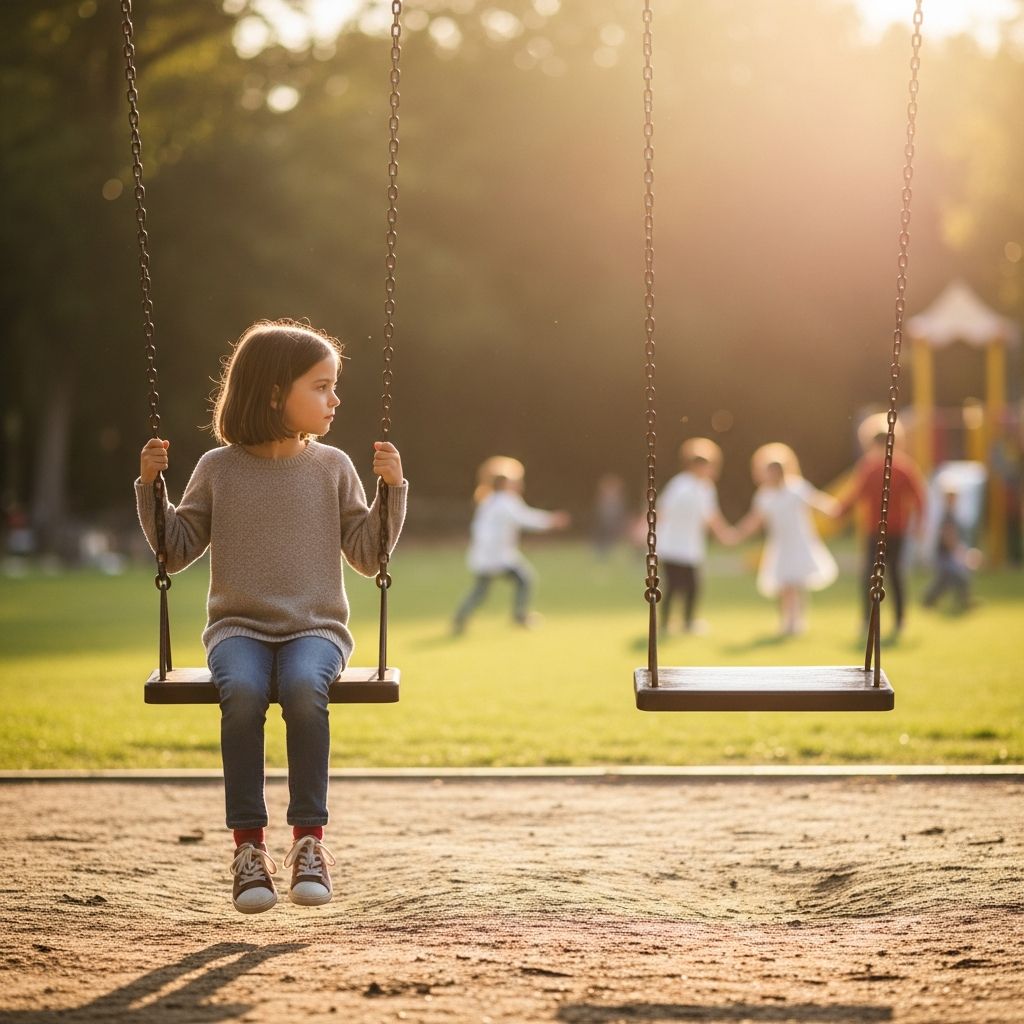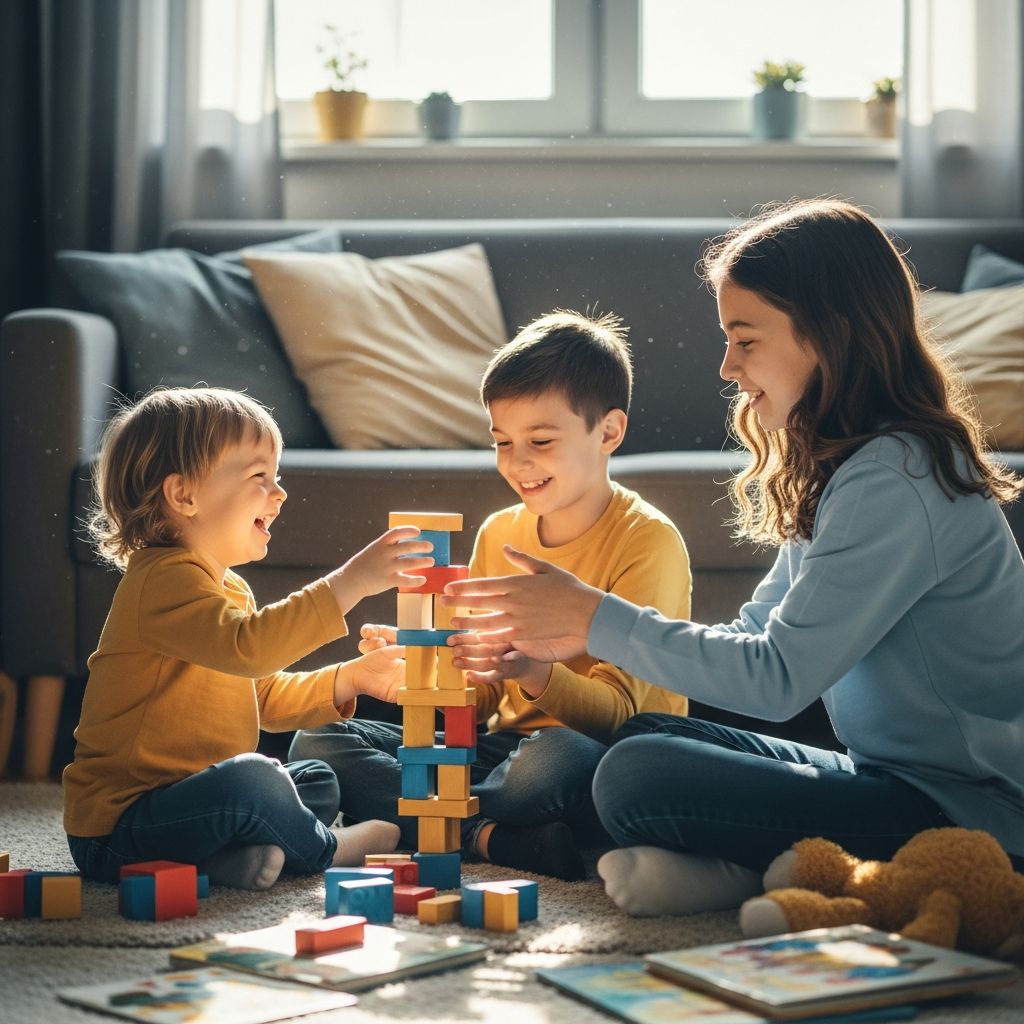
Siblings can be each other’s greatest allies or fiercest critics. How parents respond to everyday clashes can tip the balance toward lifelong resentment or deep connection.
Why Sibling Rivalry Hurts So Much
When children fight, the noise and intensity can feel overwhelming. Parents often hear whining, shouting, and accusations and instantly feel stress, guilt, or anger. Beneath all of that chaos, though, lies something vulnerable: each child’s need to feel seen, valued, and safe inside the family.
Sibling rivalry is not just about toys, turns, or who sat in the front seat. It is about fairness, belonging, and the fear of losing a parent’s love. Once parents recognize this emotional layer, conflict becomes less of a failure and more of an opportunity to guide children toward empathy and problem-solving.
What Actually Causes Sibling Rivalry?
There is no single cause of rivalry. Instead, it usually comes from several pressures happening at once: different temperaments, shifting family roles, and the natural human urge to compare.
- Competition for attention: Children worry that there is a limited amount of parental love and focus, so they fight for a bigger share.
- Developmental stages: Toddlers, school-aged kids, and teens all have different abilities, needs, and sensitivities, which easily leads to misunderstandings.
- Different personalities: A quiet, sensitive child and an energetic, bold sibling may clash simply because they experience the world differently.
- Stress in the environment: Big changes like a move, a new baby, divorce, or financial strain raise tension, making small disagreements explode more easily.
Rivalry is not proof that anyone has failed. It is a signal that children need guidance to handle big feelings, navigate differences, and trust that love is not a competition.
Healthy Rivalry vs. Harmful Conflict
Not all conflict is bad. Disagreeing and negotiating with a sibling can teach critical life skills. The question is whether children are learning to respect each other or to win at any cost.
| Aspect | Healthier Competition | Harmful Rivalry |
|---|---|---|
| Emotional tone | Playful teasing, occasional frustration, quick recovery | Frequent rage, humiliation, or bitterness that lingers |
| Power balance | Both children feel they have some influence | One child consistently dominates or controls the other |
| Patterns over time | Conflicts rise and fall, with calm periods in between | Arguments are constant, escalating, or increasingly aggressive |
| Impact on self-esteem | Children still feel accepted and capable | One or both children begin seeing themselves as “bad,” “less than,” or never good enough |
| Physical safety | No serious harm, occasional bumps or minor scuffles | Hitting, kicking, threats, or destructive behavior toward people or belongings |
Parents do not need to stop every disagreement. The goal is to step in when emotions or power imbalances become overwhelming and to coach children toward a safer way of relating.
The Parent’s Role: Referee or Coach?
Many adults grow up believing they must “solve” every sibling fight by deciding who is right and who is wrong. Acting as a referee can temporarily stop the noise, but it also tends to fuel resentment, because someone always ends up feeling like “the bad kid.”
Shifting from referee to coach changes everything. Instead of assigning blame, coaching means helping children express feelings, listen, and explore solutions. The focus moves from “Who started it?” to “How can we repair this and move forward?”
When to Step In
Parents do not need to intervene in every minor squabble, but there are clear moments when adult presence is essential.
- When physical safety is at risk or one child is being targeted or bullied.
- When the conflict is stuck on repeat and children cannot de-escalate alone.
- When a vulnerable child (younger, more sensitive, neurodivergent) seems overwhelmed or frozen.
- When emotions are so high that no one can hear or speak respectfully.
Stepping in does not mean taking sides. It means anchoring the emotional storm so everyone can come back to calm and then address the problem.
A Simple Step-by-Step Response to Sibling Fights
In the heat of the moment, it helps to have a predictable structure. The following approach can be adapted to different ages and situations.
Step 1: Secure Safety First
Before addressing fairness, stories, or rules, ensure everyone is physically safe. If needed, gently separate children without shaming them. Use a calm, firm voice, and avoid lectures while emotions are surging.
Step 2: Calm the Nervous System
Children cannot reason or show empathy when flooded with adrenaline or fear. Help them downshift by modeling slow breathing, offering water, or inviting them to sit near you. Silence or a few simple, warm words (“You are both upset. I’m here.”) often work better than complicated explanations.
Step 3: Listen to Each Child
Once everyone is calmer, listen to each child one at a time. Allow them to share what happened from their perspective without interruptions. Reflect back the feelings and key concerns you hear so they feel understood, even if you do not agree with their version of events.
Step 4: Name Needs, Not Villains
Instead of deciding who was wrong, focus on the underlying needs:
- Need for a turn or personal space.
- Need for respect or to protect a special belonging.
- Need for closeness and attention from a parent.
When children learn to see their conflict as a clash of needs rather than proof that someone is bad, they become more open to creative solutions.
Step 5: Invite Solutions and Agreements
Ask both children for ideas on how to fix the situation and prevent a repeat. Younger kids may need concrete suggestions (“Do you want to take turns with a timer or find a different toy for now?”), while older ones can brainstorm step by step.
Keep agreements short, specific, and realistic. Rehearse what will happen next time, so the plan is not just words but a practice run.
Preventing Rivalry Before It Starts
Daily habits can either intensify sibling conflict or quietly protect against it. Parents have more influence here than it might appear on a stressful afternoon.
Stop the Comparison Cycle
Comparing children (“Why can’t you be more like your sister?”) teaches them to measure their worth against each other. Even praise meant as encouragement can sting when it sets siblings up as rivals.
- Describe effort and specific behavior instead of labeling one child as “the smart one” or “the helpful one.”
- Avoid using one child’s achievements to motivate another.
- Highlight each child’s unique strengths without ranking them.
Protect One-on-One Connection
Children fight harder when they feel disconnected or unnoticed. Short, focused doses of individual attention can dramatically lower rivalry.
- Schedule small “special time” moments with each child, even 10–15 minutes a few times a week.
- Let the child choose the activity and keep devices away during that time.
- Use these moments for play and connection, not teaching or correcting.
Teach Emotional Skills Proactively
Waiting until a meltdown to teach sharing or empathy is like handing out swimming lessons during a storm. Children benefit when they practice emotional skills in low-pressure moments.
- Role-play taking turns, apologizing, and asking for space.
- Read stories about siblings and talk about what the characters might be feeling.
- Model how to say “I feel…when…because…” instead of name-calling.
Supporting Different Ages and Temperaments
The same strategy will not work for every sibling pair. A toddler and an eight-year-old need different boundaries than two teens who share a room.
When One Child Is Older
Older siblings often carry more power, even if they do not intend to. Parents can acknowledge their maturity while still protecting them from unfair responsibility.
- Avoid expecting the older child to “always give in” simply because they are older.
- Teach the older sibling how to walk away, seek help, or gently redirect rather than overpowering the younger one.
- Make clear that safety and respect rules apply to everyone, regardless of age.
When Personalities Clash
Some children are naturally fiery or sensitive; others are laid-back or highly structured. These differences can be a source of growth or constant irritation.
- Talk openly about personality differences in a neutral, appreciative way.
- Help each child notice what is wonderful, not just frustrating, about the other’s style.
- Set predictable routines to reduce friction around common triggers like screens, chores, or getting ready.
Repair: The Secret Ingredient in Sibling Relationships
Conflict is inevitable, but damage is not. What matters most is whether there is repair afterward—an experience of coming back together with understanding and warmth.
- Encourage genuine apologies that include recognition of the other child’s feelings.
- Invite children to offer small “repair gestures,” like drawing a picture, sharing a snack, or helping with something important to the other.
- Model repair in your own relationships, including with your children when you lose your cool.
Over time, repeated repair teaches siblings that relationships can survive mistakes and that closeness is more important than winning.
Frequently Asked Questions About Sibling Rivalry
1. Should parents always stay neutral?
Neutrality does not mean treating harmful behavior as acceptable. Parents can stay emotionally neutral while clearly stating that hitting, name-calling, and humiliation are not allowed. The key is to address the behavior without labeling one child as the permanent problem.
2. What if one child seems to start every fight?
Repeated instigation is usually a sign of unmet needs, not a fixed character flaw. Look beneath the surface: is this child feeling left out, overwhelmed, or powerless? Strengthening connection, adjusting expectations, and teaching alternative ways to get attention often reduces constant provoking.
3. Is it ever helpful to separate siblings long term?
Short breaks and clear boundaries can be very helpful when patterns are entrenched. Long-term separation, such as always sending them to different spaces or activities, might reduce noise but can also block chances to build skills. Aim for a balance: protect space and safety while practicing short, supported interactions.
4. What if a child insists “You love my sibling more”?
This statement reflects pain, not fact. Instead of arguing, acknowledge the feeling and invite more sharing. Then look for ways to strengthen that child’s sense of being valued—through time, listening, and chances to contribute meaningfully to the family.
5. Can intense rivalry damage the relationship forever?
Even siblings who fought constantly as children can build warm relationships as adults, especially when they eventually feel understood and respected. While there are no guarantees, consistent modeling of empathy, fairness, and repair gives them a roadmap they can return to later in life.
Key Takeaways for Busy Parents
Parents cannot prevent every conflict, but small, consistent shifts create powerful change over time.
- View rivalry as a signal that children need guidance, not proof of failure.
- Step out of the referee role and into the role of calm coach.
- Protect each child’s sense of uniqueness and connection with you.
- Teach emotional and conflict-resolution skills during calm moments, then coach briefly in the storm.
- Prioritize repair; it is the bridge that turns conflict into deeper trust.
Every argument is a chance for children to practice being the kind of siblings—and future friends and partners—who can disagree, stay kind, and find their way back to each other.