Rhinitis is a common reason children feel stuffy, sneeze repeatedly, or seem to have a “cold” that never quite goes away. Understanding what is happening inside your child’s nose helps you make better decisions about treatment, comfort, and when to seek medical care.
What Is Rhinitis?
Rhinitis is inflammation and irritation of the lining inside the nose. When that lining becomes swollen, the nose produces more mucus and reacts strongly to triggers such as allergens, viruses, or irritants. The result is a collection of familiar symptoms: congestion, a runny nose, sneezing, and itching.
Rhinitis is not a single disease, but a group of conditions that affect the nose. Some children experience rhinitis only during certain seasons, while others have symptoms all year long. Many kids outgrow some triggers, but others may need ongoing management.
Types of Rhinitis in Children
- Allergic rhinitis (hay fever): Caused by an overactive immune response to allergens such as pollen, dust mites, pet dander, or mold.
- Nonallergic rhinitis: Triggered by irritants, weather changes, strong odors, infections, or other non-allergic factors.
- Mixed rhinitis: A combination of allergic and nonallergic triggers, which is common in school-age children.
Why Does Rhinitis Happen?
In many children, rhinitis begins when the immune or nervous system overreacts to something that should be harmless, like pollen or a change in temperature. The blood vessels in the nasal lining expand, the tissue swells, and mucus glands become more active. This is the body’s attempt to trap and flush out perceived threats.
Children have smaller nasal passages than adults, so even a modest amount of swelling or mucus can cause noticeable congestion. Kids also spend more time close to the ground where dust, pet dander, and other particles collect, which can increase exposure to triggers.
Common Triggers in Kids
- Pollen from trees, grasses, and weeds, especially in spring and fall.
- Dust mites that live in bedding, carpets, and soft toys.
- Pet dander, saliva, and urine from cats, dogs, and other furry animals.
- Mold spores in damp areas like bathrooms and basements.
- Tobacco smoke, strong perfumes, cleaners, and air pollution.
- Cold air, sudden weather changes, and viral infections.
How Rhinitis Feels: Signs and Symptoms
Rhinitis can be obvious in some children, with nonstop sneezing and a dripping nose, but subtle in others, appearing mainly as mouth breathing or frequent throat clearing. Paying attention to patterns over time helps distinguish rhinitis from ordinary short-lived colds.
Symptoms can vary in intensity from day to day and may be worse in the morning, outdoors, or in certain environments like a friend’s house with pets.
Typical Symptoms to Watch For
- Stuffed-up nose that makes your child breathe through the mouth.
- Runny nose with clear, watery drainage.
- Frequent sneezing fits, especially after exposure to a trigger.
- Itchy nose, throat, or the roof of the mouth.
- Watery, red, or itchy eyes (often with allergic rhinitis).
- Dark circles under the eyes due to chronic congestion.
- Sniffling, throat clearing, or a sensation of postnasal drip.
- Reduced sense of smell or taste in older children.
Effects on Daily Life
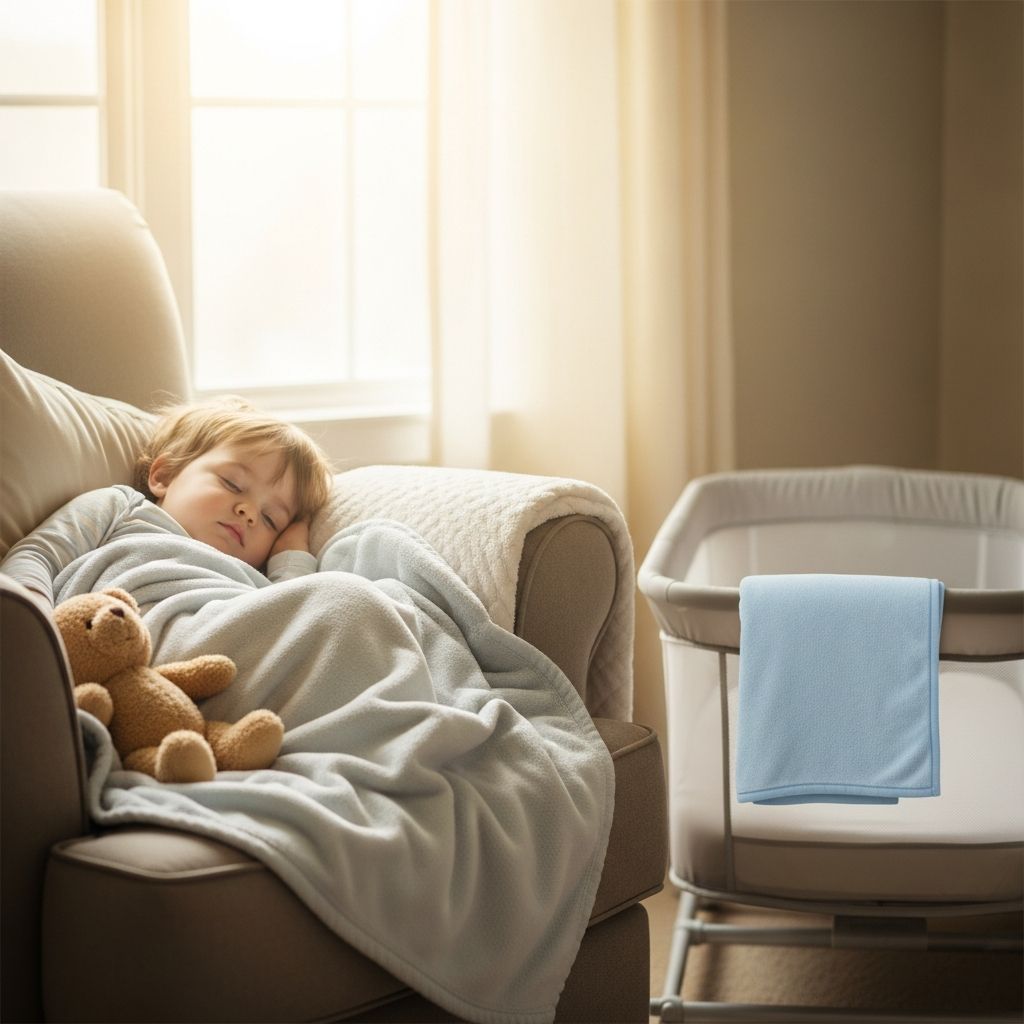
- Poor sleep from nasal blockage and mouth breathing.
- Daytime fatigue, irritability, or trouble focusing in school.
- Headaches or a feeling of pressure in the forehead or cheeks.
- Avoidance of outdoor play during high-symptom days.
Allergic vs Nonallergic Rhinitis
Understanding which type of rhinitis your child has guides treatment. Allergic rhinitis involves the immune system reacting to specific allergens, while nonallergic rhinitis is usually triggered by irritants, temperature changes, or infections.
Many children show overlapping features, but there are some clues that can help you and your child’s healthcare professional narrow down the likely cause.
| Feature | Allergic Rhinitis | Nonallergic Rhinitis |
|---|---|---|
| Typical age | Common in school-age children and teens | Can appear at any age, including younger children |
| Onset pattern | Often seasonal or linked to clear allergen exposures | May be year-round, triggered by irritants or weather |
| Eye symptoms | Itchy, watery eyes common | Eye symptoms less prominent |
| Family history | Often a family history of allergies or asthma | Family allergy history may be absent |
| Testing | Allergy testing may identify specific allergens | Allergy tests often normal |
How Doctors Diagnose Rhinitis in Children
Diagnosis usually starts with detailed questions about your child’s symptoms: how long they have lasted, when they began, and what seems to make them better or worse. The healthcare professional will examine your child’s nose, throat, and ears, and may also listen to the chest to look for signs of asthma.
Because many respiratory conditions can mimic each other, the goal is to rule out other problems such as chronic sinus infections or structural issues in the nose that might contribute to long-lasting congestion.
Possible Tests
- Allergy testing: Skin prick or blood tests may be recommended if allergic rhinitis is suspected and knowing the triggers would change management.
- Imaging: X-rays or other imaging are rarely needed, but may be used if sinus disease or structural problems are suspected.
- Additional evaluations: In some children, evaluation for asthma, eczema, or other allergic conditions may also be considered.
Treatment Goals for Rhinitis
The main objectives in treating rhinitis in children are to reduce symptoms, improve sleep and daytime functioning, and prevent long-term complications like chronic sinus problems or ear issues. Treatment plans are typically tailored to the child’s age, symptom severity, and specific triggers.
Most children do well with a combination of trigger avoidance, home care measures, and medication when needed. Regular follow-up helps ensure the plan continues to work as your child grows and environments change.
Core Treatment Principles
- Identify and reduce exposure to key triggers where possible.
- Use the safest, most effective medications at the lowest dose that controls symptoms.
- Support nasal health with gentle, non-drug strategies like saline rinses.
- Monitor for related problems such as asthma, sinus infections, or sleep disturbances.
Medication Options for Children
Several types of medicines may be used to treat rhinitis in children, depending on the cause and severity. Always follow your child’s healthcare professional’s instructions and check age limits and dosing carefully, especially with over-the-counter products.
Do not combine multiple cold or allergy products without guidance, as they may contain overlapping ingredients. If you are unsure about a specific medicine, ask a pharmacist or your child’s provider before giving it.
Common Medicine Categories
- Antihistamines: Help reduce sneezing, itching, and runny nose, especially in allergic rhinitis. Newer versions are typically less sedating than older ones.
- Nasal corticosteroid sprays: Reduce inflammation in the nasal lining and are often very effective for congestion and overall symptom control in allergic rhinitis.
- Decongestants: Can temporarily relieve stuffy nose but are not usually recommended for prolonged use in children and may have side effects.
- Leukotriene modifiers: Sometimes used in children who have both allergic rhinitis and asthma, as they target shared inflammatory pathways.
- Saline sprays or rinses: Non-medicated solutions that help flush mucus, allergens, and irritants from the nose.
Allergen Immunotherapy (Allergy Shots or Drops)
For children with moderate to severe allergic rhinitis that does not respond well to environmental control and medications, allergen immunotherapy may be an option. This involves giving gradually increasing amounts of an allergen to train the immune system to become less reactive.
Immunotherapy is a long-term strategy typically managed by an allergy specialist. It is not suitable for every child but can significantly reduce symptoms and the need for medications in carefully selected cases.
Home Care and Lifestyle Strategies
Daily habits and the home environment can make a big difference in how often and how intensely rhinitis symptoms occur. Small changes, applied consistently, often add up to better comfort and fewer bad days.
Focus on practical steps that fit your family’s lifestyle rather than trying to eliminate every possible trigger, which is rarely realistic.
Reducing Allergen and Irritant Exposure
- Use allergen-proof covers for pillows and mattresses if dust mites are a suspected trigger.
- Wash bedding in hot water regularly to reduce dust mite levels.
- Keep stuffed animals to a manageable number and wash them frequently.
- Vacuum carpets and upholstered furniture often, preferably with a high-efficiency filter.
- Keep pets out of your child’s bedroom and off the bed if animal dander worsens symptoms.
- Avoid exposure to tobacco smoke anywhere your child spends time.
Comfort Measures for Stuffy Noses
- Use saline nose drops or sprays to loosen thick mucus, especially before bedtime.
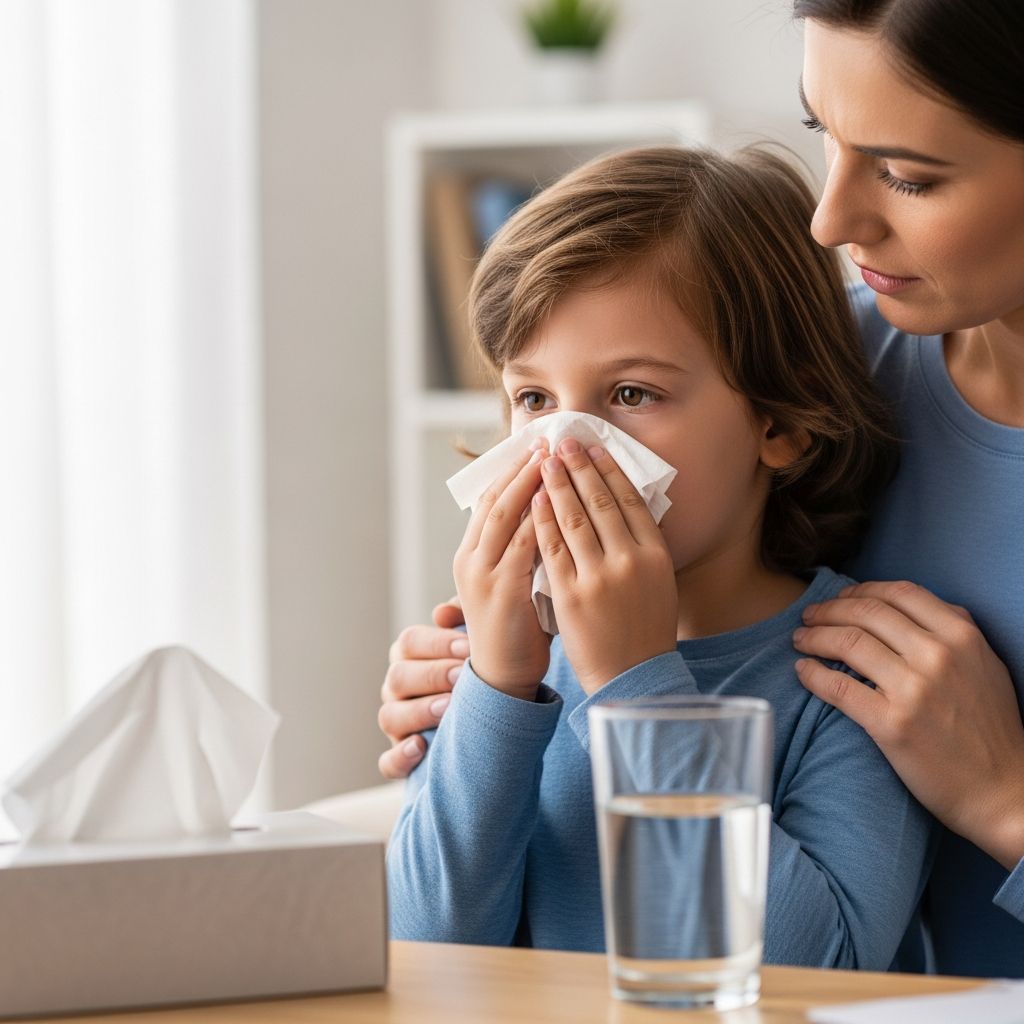
- Encourage older children to gently blow their noses rather than sniffing mucus back.
- Run a cool-mist humidifier if indoor air is very dry, and clean it regularly to prevent mold growth.
- Discuss ideal pillow height and sleeping position to improve breathing at night.
Possible Complications and When to Worry
Most children with rhinitis do not develop serious complications, but ongoing inflammation in the nose can sometimes contribute to other problems. Recognizing early warning signs helps you seek care promptly if needed.
Long-standing nasal congestion can affect sleep quality, behavior, and even facial growth patterns if severe and untreated. It is worth discussing these concerns with your child’s healthcare professional if you notice chronic mouth breathing or snoring.
Conditions Linked With Chronic Rhinitis
- Recurrent ear infections due to poor drainage through the Eustachian tubes.
- Sinus infections resulting from blocked sinus openings and trapped mucus.
- Asthma symptoms in children with underlying airway hyperreactivity.
- Sleep disturbance, including snoring and restless sleep.
When to Call a Healthcare Professional
Many mild episodes of rhinitis can be managed at home, but professional evaluation is important when symptoms are persistent, severe, or unclear in cause. Trust your instincts if your child seems more unwell than usual or if breathing appears labored.
Early assessment can prevent unnecessary suffering and help you receive personalized advice about testing, medications, and environmental changes.
Red Flags That Need Medical Attention
- Symptoms lasting several weeks without clear improvement.
- Fever, facial pain, or thick yellow-green mucus suggesting possible infection.
- Wheezing, coughing fits, or shortness of breath, particularly at night or with exercise.
- Headaches, vision changes, or significant swelling around the eyes.
- Any sign that your child is having trouble breathing or staying hydrated.
Helping Your Child Cope
Children may feel frustrated by constant nose symptoms, especially if they interfere with school, sports, or social activities. Honest, age-appropriate explanations help children understand why certain routines, like using a nasal spray or staying indoors on high-pollen days, are important.
Involving your child in tracking symptoms and identifying triggers can encourage a sense of control and cooperation. Simple tools like symptom diaries or checklists make it easier to spot patterns and share accurate information with your healthcare team.
Practical Tips for Families
- Establish a regular time for allergy or rhinitis medicines so they become part of the routine.
- Work with teachers and school nurses to ensure your child can access water, tissues, or medicines if needed.
- Encourage handwashing and general hygiene to reduce viral triggers.
- Offer reassurance that many children experience rhinitis and that effective management is available.
Frequently Asked Questions About Rhinitis in Children
1. Is rhinitis the same as a cold?
No. A cold is caused by a virus and usually clears within about a week, while rhinitis refers to inflammation inside the nose that may last longer and often has non-infectious triggers. A child with rhinitis can still catch colds, but rhinitis itself is not contagious.
2. Can my child outgrow allergic rhinitis?
Some children experience a reduction in symptoms as they grow older, especially if exposure to triggers decreases or the immune system changes. However, others continue to have symptoms into adulthood, so ongoing management and regular check-ins with a healthcare professional remain important.
3. Are nasal steroid sprays safe for kids?
When used correctly under medical supervision, modern nasal steroid sprays are generally considered safe and effective for children. They work mainly inside the nose with very little medicine absorbed into the rest of the body, and doses are carefully selected to balance benefits and risks.
4. Should I avoid all pets if my child has rhinitis?
Not every child with rhinitis is allergic to animals, so decisions about pets should be based on specific triggers identified by history and, when appropriate, allergy testing. If pets are a known problem, limiting contact, keeping animals out of the bedroom, and using regular cleaning can sometimes make it possible to keep the pet while improving symptoms.
5. Does rhinitis mean my child will develop asthma?
Rhinitis and asthma often occur together because they both involve sensitive airways, but having rhinitis does not guarantee that a child will develop asthma. Monitoring for cough, wheeze, or breathing difficulties and discussing any concerns with your healthcare professional helps catch potential problems early.
Key Takeaways for Parents
- Rhinitis describes swollen, irritated nasal passages that cause congestion, runny nose, sneezing, and related symptoms.
- Allergic rhinitis is triggered by allergens like pollen and pets, while nonallergic rhinitis may be driven by irritants, infections, or weather changes.
- Treatment usually combines trigger reduction, home comfort measures, and age-appropriate medications when needed.
- Regular follow-up and open communication with your child’s healthcare team can greatly improve comfort, sleep, and overall quality of life.