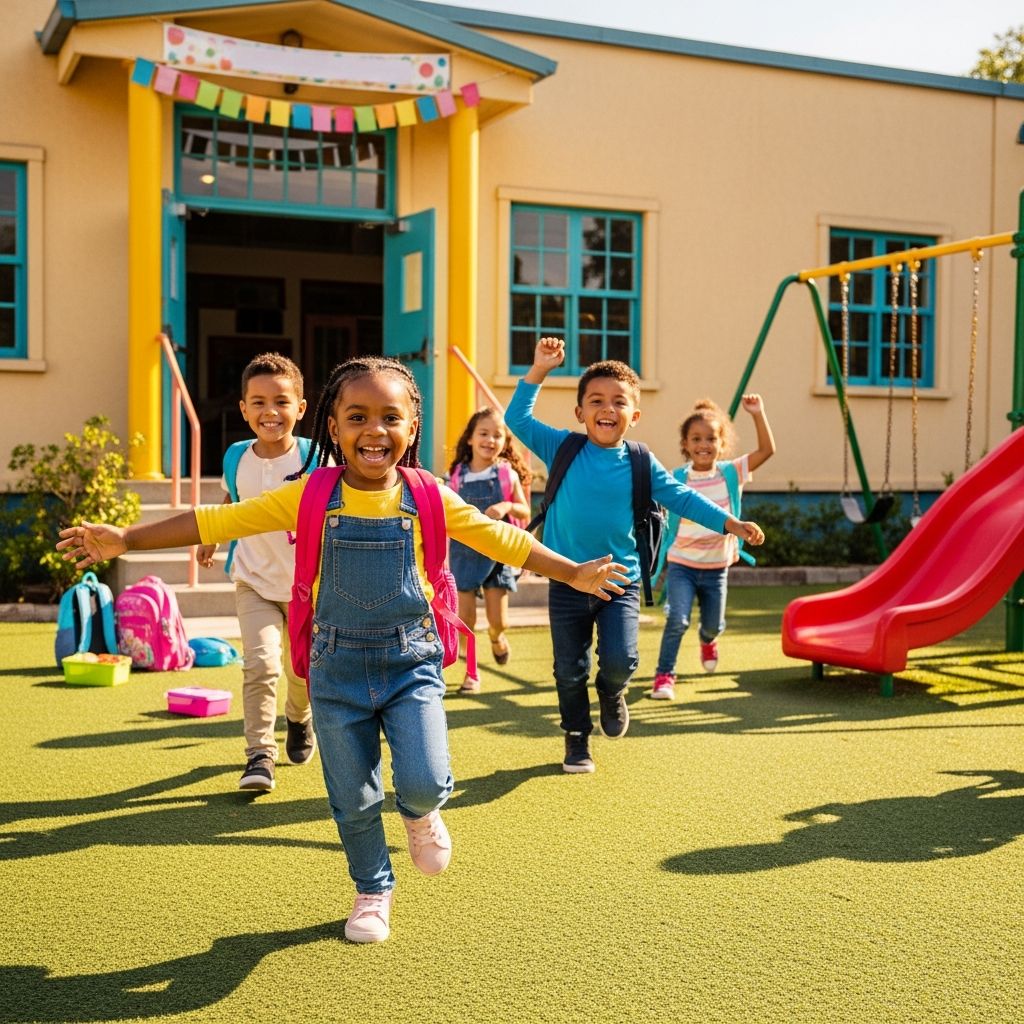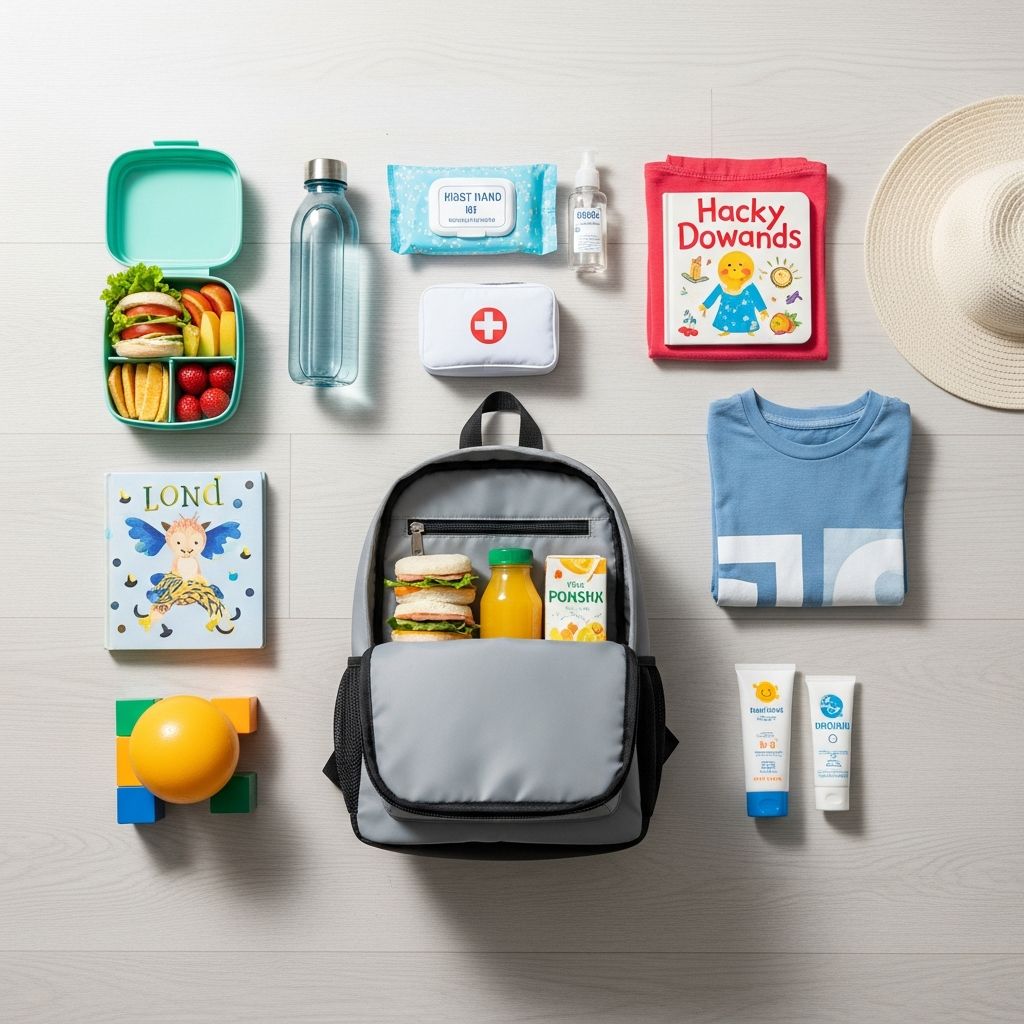
Heading out for a playdate should feel fun, not frantic. The key to an easy, enjoyable visit is packing thoughtfully so you have what your child needs without hauling your entire house along. With a simple system and a few smart choices, you can be ready for indoor meetups, playground hangouts, and anything in between.
Why Packing Matters More Than You Think
A well-packed playdate bag does more than carry snacks and diapers. It helps prevent meltdowns, keeps kids comfortable, and allows you to focus on connection instead of scrambling for wipes or spare clothes. Good preparation also shows respect for your host and the other families joining in.
Instead of overpacking in a panic, think of your bag as a small toolkit: you only need the items that keep your child fed, clean, safe, and entertained for the time you’ll be away from home.
The Four Pillars of Playdate Packing
Almost everything you bring falls into four simple categories. Using these as a mental checklist makes it much easier to pack quickly and consistently.
- Food & hydration: Snacks, meals, water, and feeding tools that match your child’s age and dietary needs.
- Comfort & clothing: Diapers, spare outfits, weather gear, and small items that help your child feel secure.
- Cleanliness & health: Wipes, tissues, basic first aid, and hygiene supplies.
- Fun & focus: Toys, books, or activities that work well for sharing and calm downtime.
Core Essentials for Any Playdate Bag
Regardless of your destination, these basics serve as the foundation of a reliable playdate kit. Adjust quantities based on how long you will be out and your child’s age.
- Small pack of wipes (for faces, hands, spills, and bathroom trips)
- Hand sanitizer or hand-cleaning spray (for adults and older kids)
- Travel tissues or soft cloth handkerchiefs
- Spill-resistant water bottle or sippy cup labeled with your child’s name
- Simple, low-mess snacks in individual containers or bags
- One full spare outfit, including underwear or extra diaper and socks
- Plastic or reusable wet bag for dirty clothes or messy items
- Compact first-aid basics: a few adhesive bandages, small antiseptic wipes
Age-Based Packing Checklists
What you pack changes quickly as children grow. Use these age-based lists as starting points and tweak them to match your child’s personality and needs.
Babies (0–12 Months)
For babies, your main focus is feeding, diapering, and preventing overstimulation. Comfort items are especially helpful when naps are disrupted.
- Diapers (at least one per hour you’ll be out, plus two extras)
- Travel changing pad and disposable bags for soiled diapers
- Wipes and diaper cream or ointment
- Extra onesie and extra sleeper or pants/top set
- Burp cloths and small lightweight blanket (for warmth or clean surface)
- Bottles, formula or pumped milk, nursing cover if you use one
- Pacifier (plus a backup) if your baby uses one
- Soft, quiet toys like small rattles or crinkle books
Toddlers (1–3 Years)
Toddlers explore everything, which means packing for movement, messes, and moods. Think about quick transitions: from play to snack to bathroom and back again.
- Diapers or training pants; underwear if potty training
- Wipes, travel potty seat or disposable toilet covers (if useful)
- Two-piece spare outfit, including socks
- Snacks that are easy to share and not too crumbly
- Spill-proof water cup
- Sun hat or warm hat depending on season
- Compact, shareable toys like small cars, chunky puzzles, or board books
- Comfort object (lovey, small stuffed animal) if your child relies on one
Preschoolers (3–5 Years)
Preschoolers can carry a small backpack and help manage their belongings. This age benefits from clear expectations about sharing and routines.
- Change of clothes in a labeled pouch
- Refillable water bottle and simple snack
- Light jacket or sweatshirt for changing temperatures
- Small activity for quieter moments: coloring pad, sticker book, or mini game
- Travel-size tissues and hand wipes
- Any regular comfort or medical items (e.g., inhaler as prescribed)
Sample Packing Table: Indoor vs. Outdoor Playdates
The setting of your playdate plays a big role in what you bring. Use this table as a quick reference to tailor your bag to the day’s plan.
| Item Type | Indoor Playdate Focus | Outdoor Playdate Focus |
|---|---|---|
| Clothing | One spare outfit in case of spills or accidents | Layered clothing, hat, and weather-appropriate outerwear |
| Footwear | Comfortable shoes or grippy socks for indoor play | Closed-toe shoes; extra socks if there’s water or sand |
| Snacks | Crumb-light, low-mess snacks in small containers | Snacks plus extra water; options that tolerate heat or cold |
| Clean-Up | Wipes and tissues for sticky fingers and noses | Wipes, tissues, and a small towel or washcloth for dirt and mud |
| Extras | Quiet toys or books to share with the host child | Blanket, sunscreen, and outdoor-friendly toys (balls, bubbles) |
Choosing the Right Bag and Organizing It
The style of bag you choose can make a big difference in how smoothly your day goes. Backpacks keep your hands free, while tote-style bags are easy to rummage through in a hurry. Pick something comfortable that you can carry while lifting or chasing a child.
Once you have a bag, organization matters. Use small pouches or clear zip bags to group related items, so you never have to dig past snacks to find the changing pad.
Simple Organization System
Instead of throwing everything into one big compartment, divide your gear into clearly defined sections. This saves time and makes it easier to spot when something needs refilling.
- Clothing pouch: Spare outfit, socks, underwear or diapers, wet bag.
- Snack kit: Containers, utensils if needed, napkins, water bottle.
- Clean-up kit: Wipes, tissues, hand sanitizer, small trash bags.
- Toys & comfort: A few small activities and any comfort item.
Snack and Allergy Etiquette
Food is often the highlight of a playdate, but it’s also an area that requires extra thought. Aim for simple snacks that are easy to share and won’t crumble into someone else’s carpet or car seats.
Before you bring anything, ask the host about allergies or dietary restrictions. If nuts, dairy, or other common triggers are an issue, label your containers clearly and consider opting for universally safe options like sliced fruit or plain crackers.
Snack Ideas That Travel Well
While every family’s preferences are different, certain types of snacks tend to work well on the go. Focus on items that are not sticky, overly sugary, or likely to smear on surfaces and clothing.
- Whole fruit that can be sliced on site (apples, bananas, clementines)
- Dry snacks like crackers, cereal, small rice cakes, or pretzel sticks
- Cheese cubes or string cheese, if refrigeration is available or a cold pack is used
- Yogurt pouches or tubes for older toddlers and preschoolers
Weather-Ready Add-Ons
Playdates can happen in all seasons. Keep a small selection of weather gear in your car or near the door so you can quickly adapt when the forecast changes.
- Warm weather: Lightweight hat, child-safe sunscreen, sunglasses, extra water.
- Cold weather: Beanie, gloves, extra socks, cozy jacket or fleece.
- Rainy days: Compact umbrella, raincoat, and plastic bag for wet shoes.
Playdate Etiquette: What to Bring Beyond the Basics
Being a thoughtful guest makes playdates more enjoyable for everyone. In addition to packing for your child, a few small gestures can leave a big positive impression on the host family.
- Offer to bring a snack or drink to share with all the kids.
- Pack wipes or a small cleaning cloth so you can help tidy up spills.
- Bring toys that are easy to clean and safe for a range of ages.
- Be prepared to take home your own trash and any dirty items.
Common Packing Mistakes to Avoid
Even experienced parents can fall into a few predictable traps. Being aware of them beforehand helps you streamline and avoid carrying unnecessary weight.
- Overpacking toys: Bringing too many choices can create clutter and conflict. A few versatile toys are usually enough.
- Forgetting essentials: Skip the third puzzle and double-check for diapers, wipes, and water instead.
- Ignoring your child’s routines: Not planning around nap or snack times can cause preventable meltdowns.
- Leaving home without a spare outfit: This is the one item most parents regret forgetting at least once.
Creating a “Ready to Go” Playdate Kit
One of the best ways to reduce stress is to keep a partially packed bag always ready. This doesn’t need to be elaborate; just stock the non-perishable basics and refill after each outing.
Store the bag in an easy-to-grab spot near the door. When a friend texts about meeting at the park, all you need to add is fresh food, water, and season-specific clothing.
Suggested Pre-Packed Items
- Sealed pack of wipes and travel tissues
- Small hand sanitizer or spray
- Basic first-aid mini kit
- Empty snack containers or silicone bags
- Set of spare clothes in the next size up
Frequently Asked Questions About Playdate Packing
How many toys should I bring?
Bring just a few small, shareable toys—enough to offer variety without overwhelming the space. Think in categories rather than quantity: something to build with, something to read or look at, and something active like a ball or vehicle.
What if my child has allergies?
Always tell the host about allergies in advance and send a short reminder the day before the playdate. Pack safe snacks and any medication or emergency plan your child may need, and clearly label all food you bring.
Should I pack a full meal or just snacks?
Check with the host about timing. For shorter playdates between meals, snacks and water are usually enough. If your visit overlaps with lunch or dinner, plan to bring a simple meal or coordinate with the host beforehand.
How do I keep the bag from getting too heavy?
Review what actually gets used after each outing and adjust. Remove duplicate items, decant products into travel sizes, and prioritize multitaskers such as a blanket that works for sitting, shade, and warmth.
What if my child refuses to share the toys we bring?
Pack one or two items specifically meant to be shared, and leave very special or sentimental toys at home. Talk with your child beforehand about which toys are “for everyone” and praise them when they practice sharing during the playdate.
Final Thoughts
Packing for a playdate does not need to be complicated. With a short checklist, an organized bag, and a few thoughtful extras, you can walk out the door feeling prepared instead of frazzled. As you gain experience, you will naturally tailor this guide to fit your child’s unique needs and the kinds of playdates your family enjoys most.