Potty training marks a pivotal milestone in your child’s journey toward independence, blending patience, consistency, and strategic preparation. This guide draws from pediatric expertise to outline readiness indicators, structured approaches, necessary equipment, and troubleshooting tactics, ensuring a positive experience for both parent and child.
Recognizing When Your Child is Ready for Potty Training
Timing is crucial for effective potty training. Rushing too early can lead to frustration, while waiting too long may prolong the process. Observe these key developmental signals to determine readiness.
- Physical awareness: Your child stays dry for at least two hours or wakes from naps with a dry diaper, indicating bladder control.
- Communication skills: They use words like ‘pee’ or ‘poop’ and notify you when soiled, showing recognition of bodily functions.
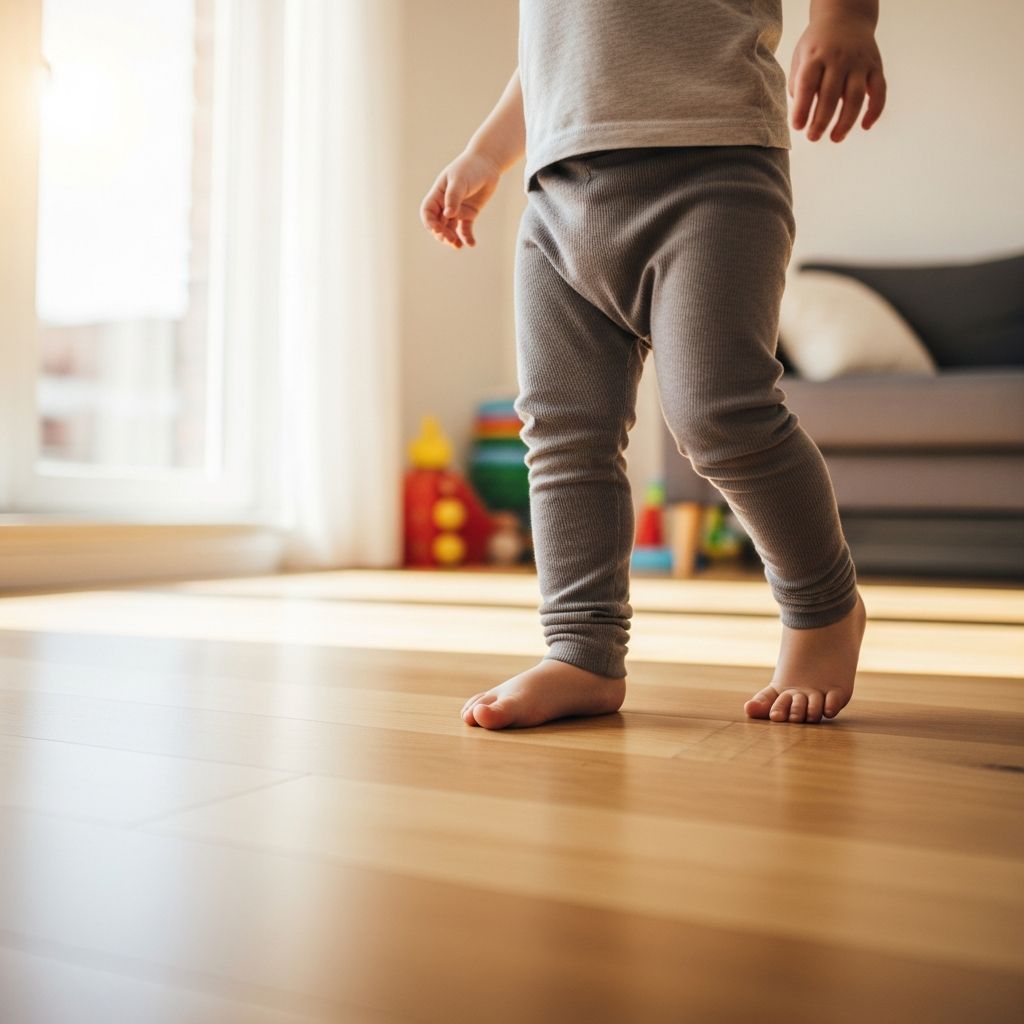
- Motor abilities: Ability to pull pants up and down independently and climb onto a potty or step stool.
- Behavioral cues: Interest in the bathroom, mimicking adults, or discomfort with wet diapers.
- Cognitive understanding: Follows simple instructions and connects the sensation of needing to go with using the potty.
Most children show these signs between 18 months and 3 years. Pediatric guidelines emphasize child-led readiness over strict age benchmarks to minimize resistance.
Essential Tools and Supplies for Potty Training
Equipping your home with the right items streamlines the process and builds comfort. Prioritize child-sized, stable products.
| Item | Purpose | Tips |
|---|---|---|
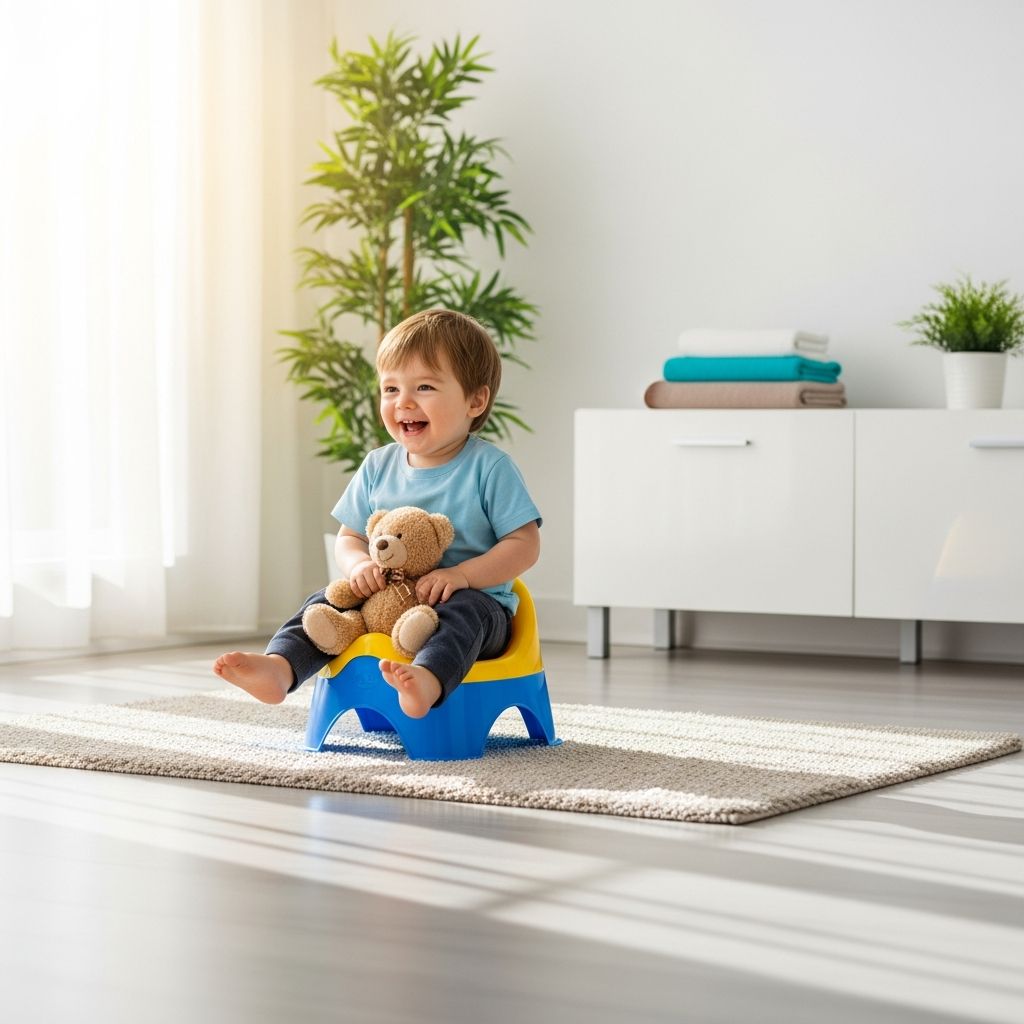
| Potty chair or seat reducer | Provides stability and familiarity | Choose one with a splash guard for boys; place in multiple bathrooms. |
| Step stool | Aids reaching sink and toilet | Non-slip surface for safety during handwashing. |
| Flushable wipes and training pants | Enhances hygiene; eases night transitions | Use for naps; avoid as full-time diaper substitute. |
| Liquids and rewards | Encourages frequent tries | Juice for hydration; small treats like stickers or candy. |
| Cleaning supplies | Manages accidents | Enzyme-based cleaners for carpets and floors. |
Stock up before starting to avoid interruptions. A portable potty for outings ensures consistency away from home.
Building a Strong Foundation: Pre-Training Preparation
Introduce concepts gradually to normalize the potty. This phase reduces anxiety and fosters familiarity.
- Read books about potty use and discuss daily.
- Demonstrate your routine: Let them watch and explain steps.
- Practice sitting clothed on the potty several times daily.
- Use consistent language for body parts and actions.
- Empty diaper contents into the toilet to show destination.
During diaper changes, point out sensations like ‘full bladder’ to build awareness. This 1-2 week prep aligns with developmental psychology, enhancing comprehension before active training.
Step-by-Step Potty Training Plan: The First Intense Days
Dedicate 3-7 days of focused training at home. Clear your schedule for undivided attention.
Day 1: Intensive Introduction
Go bare-bottomed from the waist down to heighten awareness—no underwear, as it mimics diapers. Hydrate heavily with fluids.
- Set a 15-minute timer; escort to potty every interval.
- Sit for 10-30 seconds; sing songs or count to engage.
- Praise efforts lavishly, even dry sits; reward successes.
- Clean accidents neutrally without scolding.
Expect variability—successes build momentum. Stay nearby with low-key activities like playdough or books.
Days 2-3: Building Routine
Extend intervals to 20-30 minutes as control improves. Introduce underwear for short outings.
- Watch for cues: squirming, holding self, or hiding.
- Prompt after meals, drinks, or wakes.
- Practice dressing independently to reinforce skills.
Nighttime remains in pull-ups; address separately once daytime is consistent.
Beyond Day 3: Phasing into Normalcy
Gradually resume routines. Use potty before leaving home and upon return.
- Extend unsupervised time as confidence grows.
- Involve daycare with your plan for uniformity.
- Track progress in a chart for motivation.
Full mastery averages 3-6 months, with regressions normal during stress.
Positioning and Gender-Specific Strategies
Tailor methods to anatomy. Start all children sitting for pooping ease.
- Girls: Wipe front-to-back; focus on relaxed sitting posture.
- Boys: Master sitting first, then transition to standing with assistance. Use targets in bowl for aim practice.
A footstool helps boys stabilize while aiming. Visual aids like cheerios in water simulate accuracy.
Navigating Challenges and Setbacks
Accidents happen—view them as learning opportunities. Common hurdles include:
- Resistance: Revert to prep phase; never punish.
- Poop withholding: Offer high-fiber foods; use foot support for better push.
- Regressions: Common with illness or travel; calmly restart basics.
- Nighttime wetting: Limit evening fluids; use protective bedding.
Consistency across caregivers prevents confusion. If delays persist beyond age 4, consult a pediatrician to rule out medical issues.
Nighttime and Travel Potty Training Tips
Daytime success precedes nights. Wake dry? Transition slowly.
- Bedtime potty trip routine.
- Mattress protectors for peace of mind.
- Portable potties for road trips; stop hourly.
For vacations, maintain timers via apps. Praise progress to sustain enthusiasm.
Long-Term Success: Fostering Independence
Post-training, emphasize hygiene: thorough handwashing, proper wiping. Public restrooms? Use disposable covers and travel wipes.
Monitor for full control: dry nights, independent use. Celebrate with big-kid privileges like special underwear.
Frequently Asked Questions (FAQs)
What if my child refuses the potty?
Step back to play-based intro; pressure backfires. Most respond within weeks of relaxed re-engagement.
How long does potty training typically take?
3 days to 6 months; daytime faster than nights.
Should I use rewards?
Yes, small incentives boost motivation without dependency.
Is potty training harder for boys or girls?
No significant difference; boys may take longer for standing.
What about daycare?
Share your method; consistency accelerates progress.
References
- A Complete Guide to Potty Training — Busy Toddler. 2023. https://busytoddler.com/potty-training/
- An Ultimate Guide to Potty Training — CHOC Children’s Health Hub. 2024-05-15. https://health.choc.org/an-ultimate-guide-to-potty-training/
- Potty Training: How to Get the Job Done — Mayo Clinic Staff. 2025-01-10. https://www.mayoclinic.org/healthy-lifestyle/infant-and-toddler-health/in-depth/potty-training/art-20045230
- Ready, Set, Potty Train! A Parent’s Guide — Nuby US. 2024. https://us.nuby.com/blogs/real-talk/ready-set-potty-train-guide
- Mastering Potty Training: A Comprehensive Guide — The Mentor Mom Blog. 2023-11-20. https://www.thementormomblog.com/blog/mastering-potty-training-a-comprehensive-guide-for-parents