Understanding Why Toddlers Hit
When toddlers hit, it’s rarely about malice or intentional harm. Instead, hitting is often a response to overwhelming emotions, frustration, or a lack of communication skills. Toddlers are still learning how to express their feelings and navigate social interactions, which can lead to physical outbursts when words fail them. Recognizing that hitting is a symptom of deeper emotional needs is the first step toward effective intervention.
Responding with Calm and Connection
Reacting with anger or punishment can escalate the situation and damage the parent-child bond. Instead, staying calm and connecting with your toddler helps them feel safe and understood. Gently remove your child from the situation, offer a hug, and use simple language to explain that hitting hurts others. For example, say, “Hitting hurts people. Let’s find something else you can enjoy doing.” This approach models empathy and sets clear boundaries without shaming or blaming.
Setting Firm, Compassionate Limits
- Consistently reinforce that hitting is not acceptable, using calm and firm language.
- Explain the consequences of hitting in a way your toddler can understand, such as, “If you hit, we need to take a break from playing together.”
- Always follow through with consequences, but do so with empathy and without anger.
Teaching Emotional Regulation
Helping toddlers identify and express their emotions is key to reducing hitting. Name their feelings and validate them: “I see you’re feeling angry. It’s okay to feel angry, but it’s not okay to hit.” Encourage alternative ways to express frustration, such as using words, drawing, or hitting a pillow. Role-playing and play-based activities can also help toddlers practice emotional regulation in a fun, engaging way.
Preventing Hitting Through Positive Attention
Often, toddlers hit to seek attention or because they feel overlooked, especially when a new sibling arrives. Providing regular, positive attention—such as one-on-one playtime, snuggles, or special activities—can reduce the need for negative behaviors. Make sure each child feels valued and included, which fosters a sense of security and reduces sibling rivalry.
Modeling Empathy and Kindness
Children learn by observing adults. Model empathy by showing concern for others’ feelings and demonstrating kind behavior. If your toddler hits, calmly express how it feels to be hurt and encourage them to think about how others might feel. For example, say, “The baby cried when you hit. That must have hurt. How do you think the baby feels?” This helps toddlers develop empathy and understand the impact of their actions.
Redirecting Energy and Play
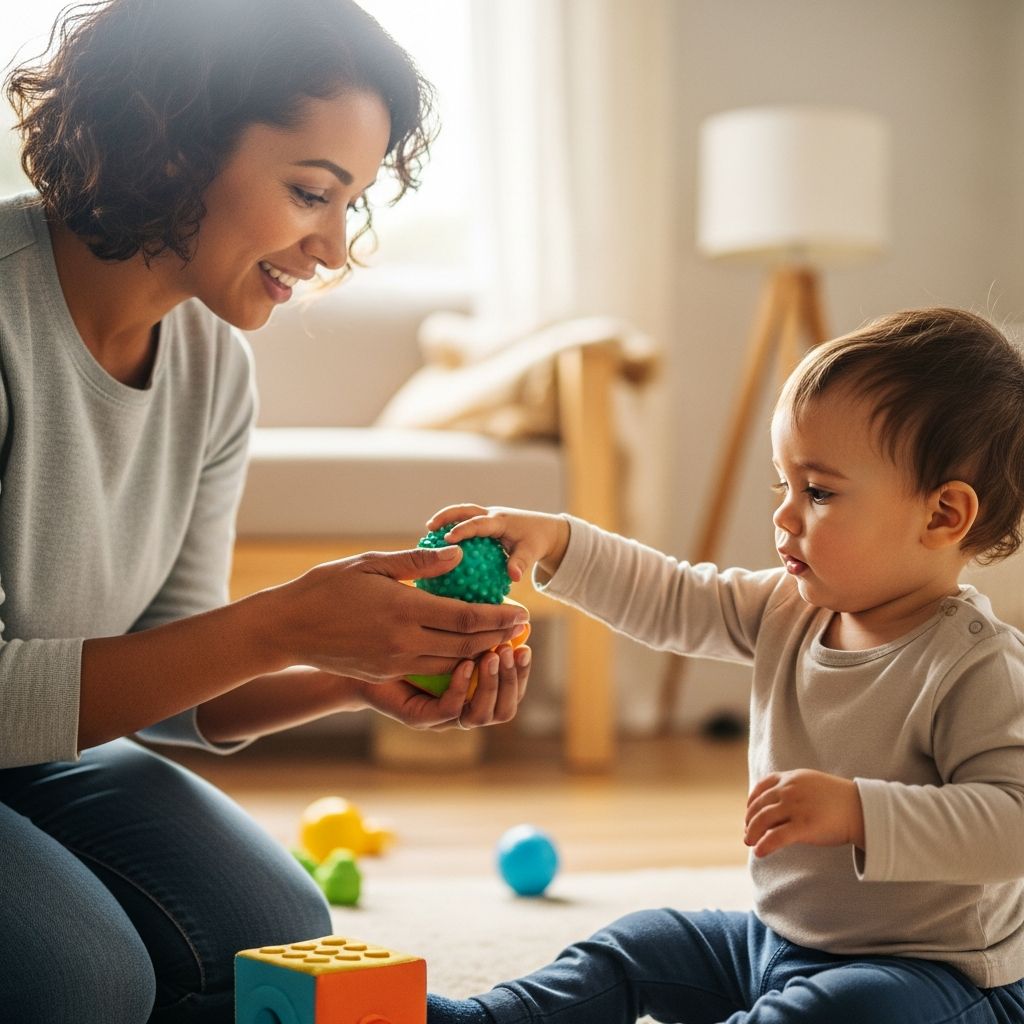
Physical energy often drives hitting behaviors. Provide plenty of opportunities for active play, such as running outside, dancing, or playing with balls. Engage your toddler in activities that channel their energy positively, like hand-clapping games or sign language. When you notice your child about to hit, redirect their hands to a more constructive activity, such as a high-five or a gentle touch.
Creating a Supportive Environment
A supportive environment helps toddlers feel secure and reduces the likelihood of hitting. Ensure your home is a safe space where emotions are acknowledged and respected. Establish routines and clear expectations, and celebrate positive behaviors to reinforce good habits. When conflicts arise, use them as teachable moments to discuss feelings and solutions.
FAQs: Positive Discipline for Toddler Hitting
| Question | Answer |
|---|---|
| How do I stop my toddler from hitting? | Respond calmly, set clear limits, teach emotional regulation, and provide positive attention. |
| Should I punish my toddler for hitting? | No, punishment can damage the parent-child bond. Use positive discipline and empathy instead. |
| How can I help my toddler express emotions? | Name their feelings, validate them, and offer alternative ways to express frustration. |
| What if my toddler hits a sibling? | Separate them, comfort both children, and use the incident as a chance to teach empathy and kindness. |
| How do I prevent hitting in the future? | Provide regular positive attention, encourage active play, and model empathy and kindness. |
Conclusion
Addressing toddler hitting with positive discipline fosters emotional intelligence, strengthens family bonds, and creates a peaceful home environment. By responding with calm, connection, and clear boundaries, parents can guide their toddlers toward healthier ways of expressing emotions and interacting with others.