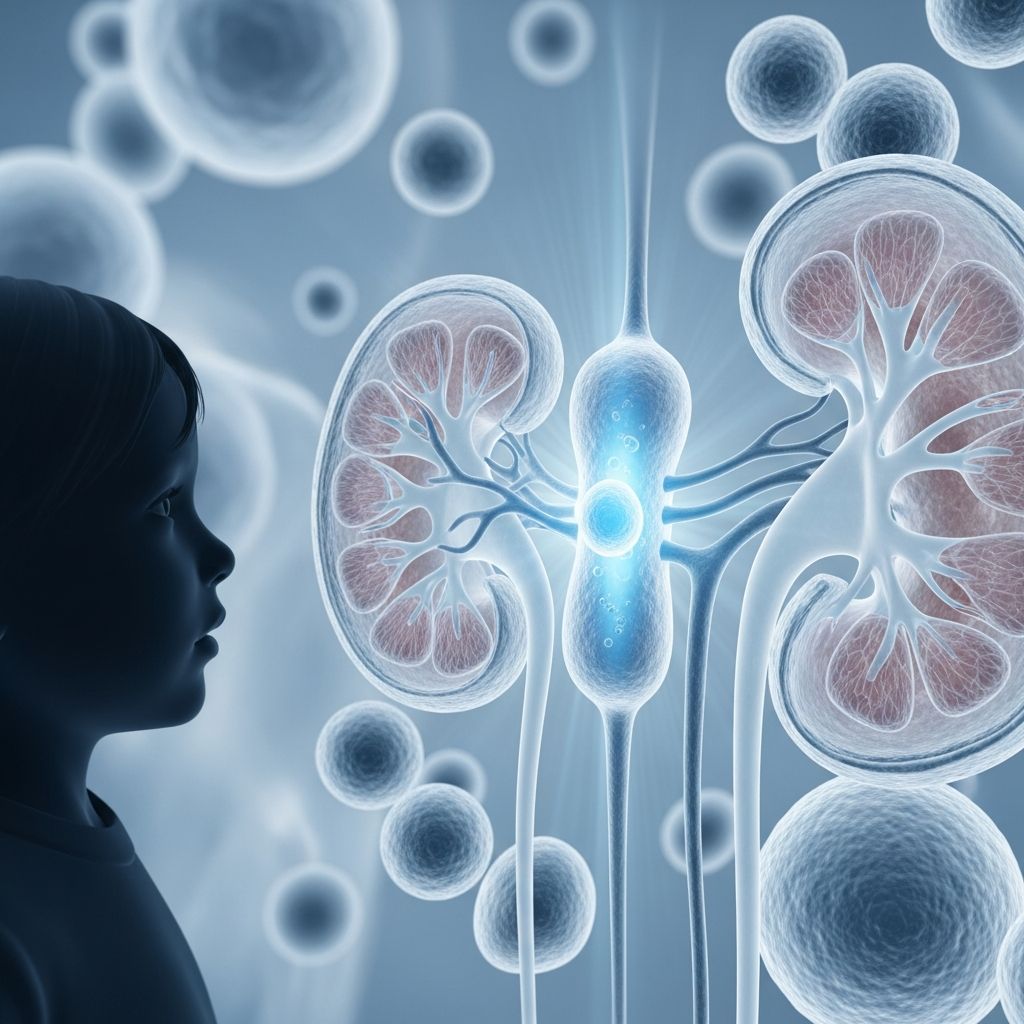
Renal tubular acidosis (RTA) represents a group of disorders where the kidneys struggle to regulate the body’s acid-base balance, leading to excessive acid accumulation in the blood. This condition particularly impacts children, potentially hindering growth and causing various health challenges if unmanaged. Early recognition and intervention are crucial for ensuring optimal development and preventing long-term complications.
Understanding Acid-Base Balance and Kidney Function
The body maintains a delicate pH balance through the lungs, which expel carbon dioxide, and the kidneys, which excrete acid and reabsorb bicarbonate. In RTA, defects in the kidney tubules disrupt this process, causing metabolic acidosis—a state of high blood acidity. For children, this imbalance can manifest subtly at first but escalate to affect multiple systems.
Healthy kidneys filter blood, reabsorb essential bicarbonate in the proximal tubules, and secrete hydrogen ions in the distal tubules to form acidic urine. When these mechanisms fail, blood pH drops below the normal range of 7.35-7.45, triggering a cascade of physiological issues.
Main Types of Renal Tubular Acidosis Affecting Kids
RTA is classified into four types based on the affected kidney tubule segment and underlying defects. Types 1, 2, and 4 are most relevant in pediatric cases, each with distinct characteristics.
| Type | Key Defect | Common in Children? | Typical Features |
|---|---|---|---|
| Type 1 (Distal) | Failure to excrete H+ ions in distal tubules | Yes, often hereditary | High urine pH (>5.5), hypokalemia, nephrocalcinosis |
| Type 2 (Proximal) | Bicarbonate reabsorption failure | Yes, linked to Fanconi syndrome | Low urine pH, bicarbonate wasting, growth delays |
| Type 4 (Hyperkalemic) | Aldosterone resistance/deficiency | Less common in kids | High potassium, mild acidosis |
Causes Behind RTA in Young Patients
Primary RTA stems from genetic mutations affecting tubule function, often evident in infancy. For instance, type 1 RTA may arise from defects in ion transporters. Secondary forms result from underlying conditions like autoimmune diseases, medications (e.g., amphotericin B), or inherited syndromes such as Wilson disease. In children, hereditary causes predominate, though urinary tract obstructions or toxins can trigger temporary episodes.
Recognizing Symptoms in Children
Manifestations vary by type and severity but commonly include poor growth (failure to thrive), fatigue, and muscle weakness due to low potassium. Infants might show vomiting, dehydration, and rapid breathing as the body compensates for acidosis.
- Growth and Development: Stunted height and weight gain from chronic acidosis impairing bone health.
- Musculoskeletal: Bone pain, fractures, or rickets-like deformities from calcium loss.
- Renal Complications: Kidney stones, nephrocalcinosis (calcium deposits).
- Other: Confusion, increased breathing rate, hearing issues in distal RTA.
Parents should watch for unexplained poor appetite, frequent infections, or polyuria, as these signal potential RTA.
How Doctors Diagnose RTA
Diagnosis begins with blood tests revealing metabolic acidosis (low bicarbonate <22 mEq/L), normal anion gap, and electrolyte imbalances like hypokalemia. Urine pH testing differentiates types: persistently high (>5.5) in type 1 despite acidosis, low in type 2.
- Ammonium chloride loading test to assess urinary acidification.
- Bicarbonate loading for proximal RTA confirmation.
- Imaging for nephrocalcinosis or stones.
- Genetic testing for hereditary forms.
Urine anion gap helps distinguish renal from gastrointestinal acid loss. Prompt evaluation by a pediatric nephrologist is vital.
Treatment Approaches for Pediatric RTA
The cornerstone is alkali therapy to neutralize excess acid, typically sodium bicarbonate or citrate at 1-3 mEq/kg/day for type 1, higher (10-15 mEq/kg/day) for type 2. This restores blood bicarbonate to 23-28 mEq/L, promotes growth, and averts bone/kidney damage.
Potassium supplements or potassium citrate address hypokalemia, especially beneficial for stone prevention as citrate inhibits calcium crystallization. Thiazide diuretics may reduce calcium excretion in nephrocalcinosis cases.
| Treatment | Dosage Example (per kg body weight) | Purpose |
|---|---|---|
| Sodium Bicarbonate | 1-2 mEq/kg/day | Correct acidosis, improve growth |
| Potassium Citrate | As needed for hypokalemia | Supplement K+, prevent stones |
| Shohl’s Solution | Variable | Alkali alternative |
Treatment is lifelong for primary RTA, with doses adjusted via regular blood monitoring. Addressing underlying causes, like stopping offending drugs, resolves secondary cases.
Potential Complications and Monitoring
Untreated RTA risks kidney failure, severe bone disease, and growth failure. Alkali therapy significantly mitigates these, with early start in childhood yielding best outcomes. Regular check-ups track electrolytes, bone density, and renal function. Dietary advice includes low-salt, potassium-rich foods.
Living with RTA: Daily Management Tips
Families can support treatment adherence with flavored alkali solutions or tablets. Educate on recognizing dehydration signs and maintaining hydration to flush kidneys. Multidisciplinary care involving dietitians and endocrinologists aids holistic management.
School accommodations for fatigue or medical needs ensure normal childhood experiences. Long-term, most children achieve normal stature and health with compliance.
Frequently Asked Questions (FAQs)
What is the prognosis for children with RTA?
With consistent alkali therapy, most achieve normal growth and avoid complications, though lifelong treatment is often required.
Can RTA be cured?
Primary genetic forms require ongoing management, but secondary cases may resolve by treating the cause.
Does diet play a role in RTA management?
Yes, reducing acid-producing foods (e.g., proteins) and ensuring potassium intake supports therapy.
Is RTA hereditary?
Often yes, especially type 1; genetic counseling is recommended for families.
How soon should treatment start?
Immediately upon diagnosis to prevent irreversible growth and bone issues.
Advances and Future Outlook
Recent insights into genetic causes promise targeted therapies. Newer potassium binders aid type 4 management. Research emphasizes early screening in at-risk infants for better outcomes.
(Word count: 1678)
References
- Primary Distal Renal Tubular Acidosis — National Organization for Rare Disorders. 2023. https://rarediseases.org/rare-diseases/primary-distal-renal-tubular-acidosis/
- Distal renal tubular acidosis — MedlinePlus Medical Encyclopedia. 2024-01-15. https://medlineplus.gov/ency/article/000493.htm
- Renal Tubular Acidosis and Management Strategies — National Institutes of Health (PMC). 2021-02-18. https://pmc.ncbi.nlm.nih.gov/articles/PMC7889554/
- Renal Tubular Acidosis (RTA) — Merck Manuals. 2024. https://www.merckmanuals.com/home/kidney-and-urinary-tract-disorders/disorders-of-kidney-tubules/renal-tubular-acidosis-rta
- Renal Tubular Acidosis — National Institute of Diabetes and Digestive and Kidney Diseases (NIDDK). 2023-06-01. https://www.niddk.nih.gov/health-information/kidney-disease/renal-tubular-acidosis