Building a Foundation for Midday Nutrition
Packing lunch for school involves more than just filling a container with food. The meals children consume during the school day directly impact their energy levels, concentration, and overall academic performance. When parents focus on creating balanced combinations of nutrients, they set the stage for sustained focus and healthy development throughout the afternoon.
Rather than following rigid rules, successful lunch packing relies on understanding the basic nutritional categories that support growing bodies. By ensuring each lunch includes representation from key food groups, parents can simplify meal planning while guaranteeing nutritional completeness.
The Four-Component Lunch Strategy
Creating satisfying and nourishing school lunches becomes manageable when parents organize their approach around four essential food categories. This framework removes guesswork from meal planning and helps ensure variety throughout the week.
- Protein and Dairy: These components build and repair muscle tissue while providing sustained energy. Options include deli meats, Greek yogurt, cheese, hard-boiled eggs, cottage cheese, and prepared protein sources like rotisserie chicken or turkey sausage.
- Fresh Produce: Both vegetables and fruits deliver essential vitamins, minerals, and fiber. Including at least one of each category ensures maximum nutritional benefit and introduces variety that keeps meals interesting.
- Whole Grains and Carbohydrates: These provide the glucose that fuels brain function and physical activity. Whole grain bread, pasta, crackers, and legume-based options offer superior nutrition compared to refined alternatives.
- Hydration: While not food, water remains crucial for cognitive function and physical performance. Including a water bottle or beverage in daily lunches supports overall health.
Protein-Focused Lunch Combinations
Children require adequate protein for growth, muscle development, and maintaining stable energy levels throughout the day. Strategic protein placement transforms ordinary lunches into satisfying, nutrient-dense meals.
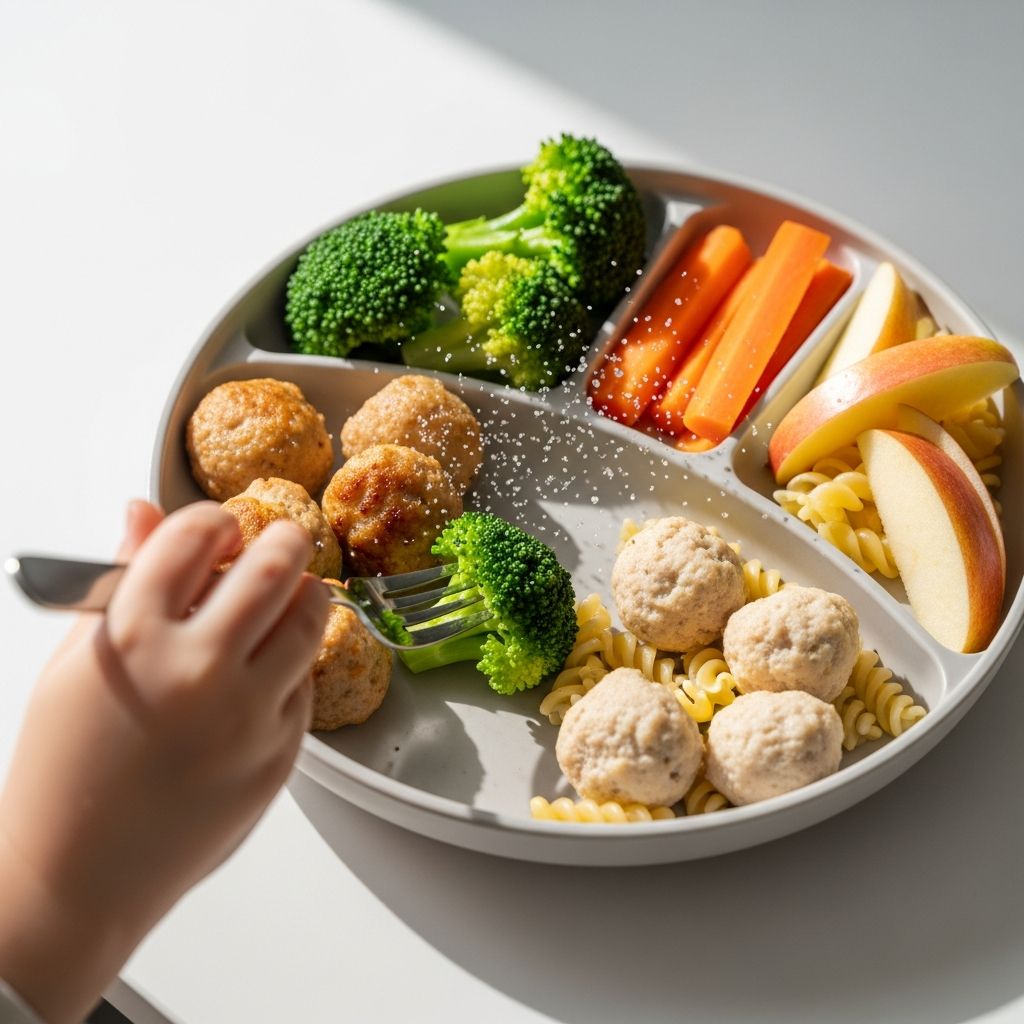
Elevated Pasta Dishes: Many children already enjoy pasta, so rather than eliminating this familiar favorite, parents can enhance its nutritional profile. Adding ground turkey meatballs, incorporating pasta made from chickpeas or lentils, or mixing shredded rotisserie chicken into tomato sauce creates protein-rich variations that children accept readily.
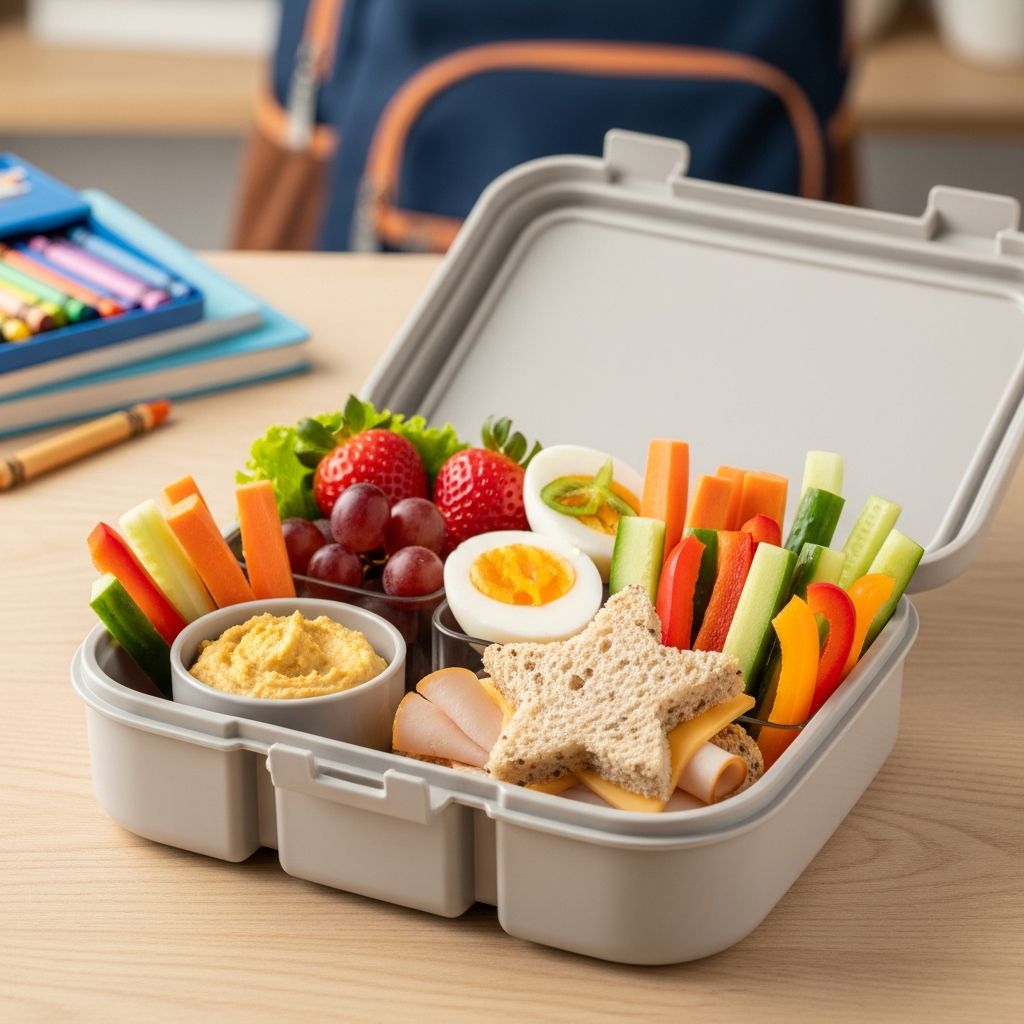
Mediterranean-Inspired Plates: This approach combines roasted turkey or pasture-raised eggs with seed-based crackers, fresh cucumber slices, mini bell peppers, olives, and hummus. Fresh berries or orange segments add natural sweetness while contributing vitamins and fiber. This configuration appeals to children who prefer grazing to consuming traditional sandwich-style meals.
Breakfast Crossover Meals: Egg-based preparations work equally well at lunch. Prepared egg cups incorporating chicken sausage and vegetables, sliced avocado with lemon juice and sea salt, or homemade oat bars and nutrient-dense muffins baked in advance provide variety while maintaining nutritional standards.
Vegetable Strategies for Reluctant Eaters
Introducing vegetables successfully requires understanding children’s preferences and presentation styles. Raw vegetables with appealing dips often gain better acceptance than cooked preparations.
Preferred Vegetable Options: Carrot sticks, cucumber slices, zucchini rounds, bell pepper slices in various colors, snap peas, and cherry tomatoes tend to appeal to younger palates. Roasted sweet potato fries offer a warmer alternative, while frozen corn and peas provide familiar textures.
Dip Enhancement: Hummus, guacamole, ranch dressing, and pizza sauce transform plain vegetables into more appealing components. The dipping mechanism itself makes vegetables feel more interactive and fun, increasing consumption rates.
Integration Techniques: Blending vegetables into sauces, as with tomato sauce for pasta or cottage cheese mixed into marinara, provides nutrition without obvious vegetable presence. Mini taco cups filled with seasoned ground turkey, shredded cheese, guacamole, and chopped vegetables hide produce within other foods children already enjoy.
Smart Snacking Within Lunch Boxes
The traditional “snack plate” approach acknowledges that some children prefer grazing to consuming structured meals. This style works particularly well for picky eaters or children with smaller appetites.
- Leftover grilled chicken pieces or prepared meatballs
- Crunchy vegetables: carrot sticks, snap peas, bell pepper strips
- Chia pudding or plant-based yogurt topped with hemp hearts and nut butter
- Small portions of dark chocolate or homemade energy balls
- Whole grain crackers with seed-based formulations
- Hard-boiled eggs, cheese cubes, or Greek yogurt pouches
This approach distributes nutrition across multiple smaller components rather than concentrating it in a single main dish. Children often consume more varied foods when given multiple choices arranged visually in a compartmentalized container.
Assembled Meal Kits for Customization
Some children prefer assembling their own meals, gaining a sense of control and ownership over lunch. Providing components separately allows for this engagement while maintaining nutritional standards.
Wrap Assembly Kits: Include tortillas (corn, flour, almond flour, or cassava varieties), organic deli turkey, avocado slices, microgreens, and apple slices with peanut butter on the side. Children can combine elements according to preference.
Taco Customization: Mini tortillas with seasoned ground turkey, shredded cheese, guacamole, and chopped vegetables allow children to control portion proportions and ingredient combinations.
Deconstructed Meals: Sushi bowls with rice, avocado, salmon, cucumber, and nori sheets; pizza rounds using small whole grain pitas with sauce, vegetables, and cheese; or skewer sticks with mozzarella, basil, tomato, and turkey provide interactive eating experiences that encourage fuller consumption.
Carbohydrate Selection for Sustained Energy
While carbohydrates often receive criticism in broader dietary discussions, they remain essential for children’s energy and brain function. The key involves selecting carbohydrate sources that provide additional nutritional value beyond simple calories.
Superior Carbohydrate Choices: Whole grain bread, brown rice cakes, legume-based pasta, seed-based crackers, and homemade pancakes or waffles offer fiber and micronutrients alongside energy provision. These options maintain stable blood sugar levels longer than refined alternatives.
Creative Carbohydrate Presentations: Mini muffins made with zucchini or banana and chocolate, protein waffles cut into sticks for dipping, energy bites combining oats and nut butter, and whole grain bagels or pitas broaden carbohydrate variety beyond standard sandwich bread.
Quick Assembly Lunch Box Examples
Practical examples demonstrate how the four-component strategy functions in real meal combinations:
Example One: Pasta salad with diced vegetables and protein mixed throughout, accompanied by fresh raspberries, cucumber slices, and a yogurt-based dip. This combination provides carbohydrates (pasta), fiber and vitamins (vegetables and fruit), protein (dressing base), and calcium (yogurt).
Example Two: Hard-boiled eggs with whole grain crackers, sliced bell peppers, halved strawberries, and cheese cubes. This grazing-style arrangement offers protein (eggs and cheese), fiber (whole grains), vitamins (peppers and fruit), and calcium (cheese and egg yolk).
Example Three: Mini breakfast sausages, roasted sweet potato fries, whole grain waffles cut into sticks with maple syrup for dipping, and fresh berries. This warm-component option provides protein (sausage), carbohydrates and vitamins (sweet potatoes and fruit), and fiber (whole grain waffles).
Practical Preparation Strategies
Time constraints challenge many families attempting to pack nutritious lunches daily. Building efficiency into preparation routines makes consistent lunch quality sustainable.
Batch Preparation: Preparing components in advance—such as cooking meatballs, baking muffins, hard-boiling eggs, or washing and chopping vegetables—reduces daily assembly time. Many prepared items freeze successfully for later use.
Container Organization: Using compartmentalized lunch containers naturally encourages including multiple food components. Visual separation makes meals feel more complete while preventing flavors from mixing undesirably.
Repetition with Variation: Establishing favorite combinations that children will reliably eat removes decision fatigue while still allowing for meaningful variety. Rotating between four to five dependable lunch styles prevents both parental burnout and meal boredom.
Nutritious Snack Components
Beyond main lunch items, strategic snacking components support nutrition and satiety:
- Organic beef or turkey sticks (soft varieties for younger children)
- Turkey pepperoni or Canadian bacon pieces
- Whole grain and seed-based crackers
- Dried fruit without added sugar, when combined with nuts for protein balance
- Roasted seaweed sheets with minimal ingredients
- Nut and seed-based flat breads
- Dark chocolate squares for occasional treats
- Hummus or guacamole with vegetable accompaniments
Accommodating Different Eating Styles
Children display diverse preferences and eating patterns. Recognizing these differences allows parents to tailor lunch strategies appropriately.
For Sandwich Resisters: Children who reject traditional sandwiches often thrive with bento-box or grazing-style arrangements. Providing components separately allows them to control combinations while still consuming balanced nutrition.
For Adventurous Eaters: Some children enjoy varied preparations and international-inspired meals. Deconstructed sushi bowls, mini taco cups, and Mediterranean plates appeal to this group while maintaining nutritional completeness.
For Efficiency-Focused Families: Simpler, faster-to-assemble options like pasta salads, wrap kits, and pre-portioned protein and cheese combinations work well for busy households without sacrificing quality.
Hydration and Beverage Considerations
While solid food components receive attention, beverages significantly impact overall nutrition and performance. Water remains the optimal choice, though some families incorporate milk-based options or unsweetened alternatives.
Packing a reusable water bottle ensures children can hydrate throughout the day regardless of school water fountain access. For younger children, smaller individual milk cartons or coconut water pouches provide variety while maintaining nutritional value.
Presentation and Appeal
Food appeal influences consumption rates significantly, particularly among children. Strategic presentation increases the likelihood that packed lunches will be fully eaten rather than discarded.
Arranging items colorfully, using variety in textures, including small portions of familiar favorites alongside new items, and creating visually distinct sections within containers enhance overall meal appeal. When children participate in lunch selection and assembly, they develop greater investment in actually eating the meals.
Frequently Asked Questions
How far in advance can I prepare lunch components?
Most components can be prepared 2-3 days ahead and refrigerated. Hard-boiled eggs, cooked pasta, prepared meatballs, and chopped vegetables store well. Assemble final meals the morning of consumption to maintain freshness and prevent sogginess.
What strategies work for children with limited vegetable acceptance?
Start with preferred vegetables in raw form with appealing dips. Gradually introduce roasted versions or vegetables blended into sauces. Include at least one vegetable your child will eat rather than exclusively offering new options.
How can I balance convenience with nutrition when time is limited?
Rely on quality convenience products like rotisserie chicken, pre-cut vegetables, and whole grain crackers. Batch-prepare components on weekends. Establish 3-4 repeating lunch templates requiring minimal daily decision-making.
Are there allergy-friendly lunch alternatives?
Yes. For nut allergies, substitute seed butters or hummus for nut-based spreads. Use allergen-free crackers and breads. Focus on protein sources like eggs, dairy, and poultry. Always verify school policies regarding allergen presence in shared spaces.
What should I include for children with smaller appetites?
Pack smaller portions across multiple components rather than large servings of single items. Grazing-style arrangements with varied options encourage fuller consumption. Include nutrient-dense foods to maximize nutrition within smaller quantities.
References
- Healthy School Lunch Ideas for Kids (From a Dietitian Mom) — Rachael Hartley, MS, RD, LD. Rachael’s Good Eats. https://rachaelsgoodeats.com/healthy-school-lunch-ideas-for-kids-from-a-dietitian-mom/
- Lunch Ideas For Kids — The Real Food Dietitians. https://therealfooddietitians.com/lunch-ideas-for-kids/
- Kid’s Corner: Back to School Lunch Ideas — Obesity Action Coalition. https://www.obesityaction.org/resources/kids-corner-back-to-school-lunch-ideas/
- Simple, Whole Food Pack Ahead Lunch Ideas for Kids — Treehouse Schoolhouse. https://treehouseschoolhouse.com/blog/simple-whole-food-pack-ahead-lunch-ideas-for-kids