Every second of the day, your body is reacting to the world around you. Sometimes you decide what to do, like when you choose to raise your hand in class. Other times, your body responds so quickly and automatically that you do not even notice you did anything. Those super-fast, automatic reactions are called reflexes.
This guide explains what reflexes are, why babies are born with special reflexes, how these reactions change as kids grow, and how doctors use them to make sure the brain and nerves are working well.
What Is a Reflex?
A reflex is an automatic response your body makes without you having to think about it. For example, if something flies toward your eyes, you blink before you even realize what happened.
Key features of reflexes
- Fast: They happen in a split second.
- Automatic: You do not decide to do them on purpose.
- Protective: Many reflexes keep you safe from harm.
- Built-in wiring: They follow pathways through your nerves and spinal cord, and some come from deep parts of the brain.
Doctors call the special reflexes seen in newborns and very young babies primitive reflexes. These help with early survival, like feeding and staying close to a caregiver.
Reflexes in Newborns: The First Superpowers
Newborn babies arrive with a whole set of reflexes that help them eat, breathe, move, and stay safe. Many of these appear before birth and are already working when the baby is born.
Important newborn reflexes
| Reflex name | What it looks like | Why it matters |
|---|---|---|
| Rooting reflex | Baby turns head and opens mouth toward a touch on the cheek or corner of the mouth. | Helps baby find the breast or bottle for feeding. |
| Suck reflex | Baby begins to suck when something touches the roof of the mouth or lips. | Allows baby to drink milk and coordinate sucking with breathing. |
| Moro (startle) reflex | When baby feels like falling or hears a loud noise, arms fling out, then quickly come back in, often with crying. | Protective reaction to sudden changes in position or sound. |
| Tonic neck reflex | When baby’s head turns to one side, the arm on that side straightens while the opposite arm bends, like a fencing pose. | Linked with early hand–eye coordination and body awareness. |
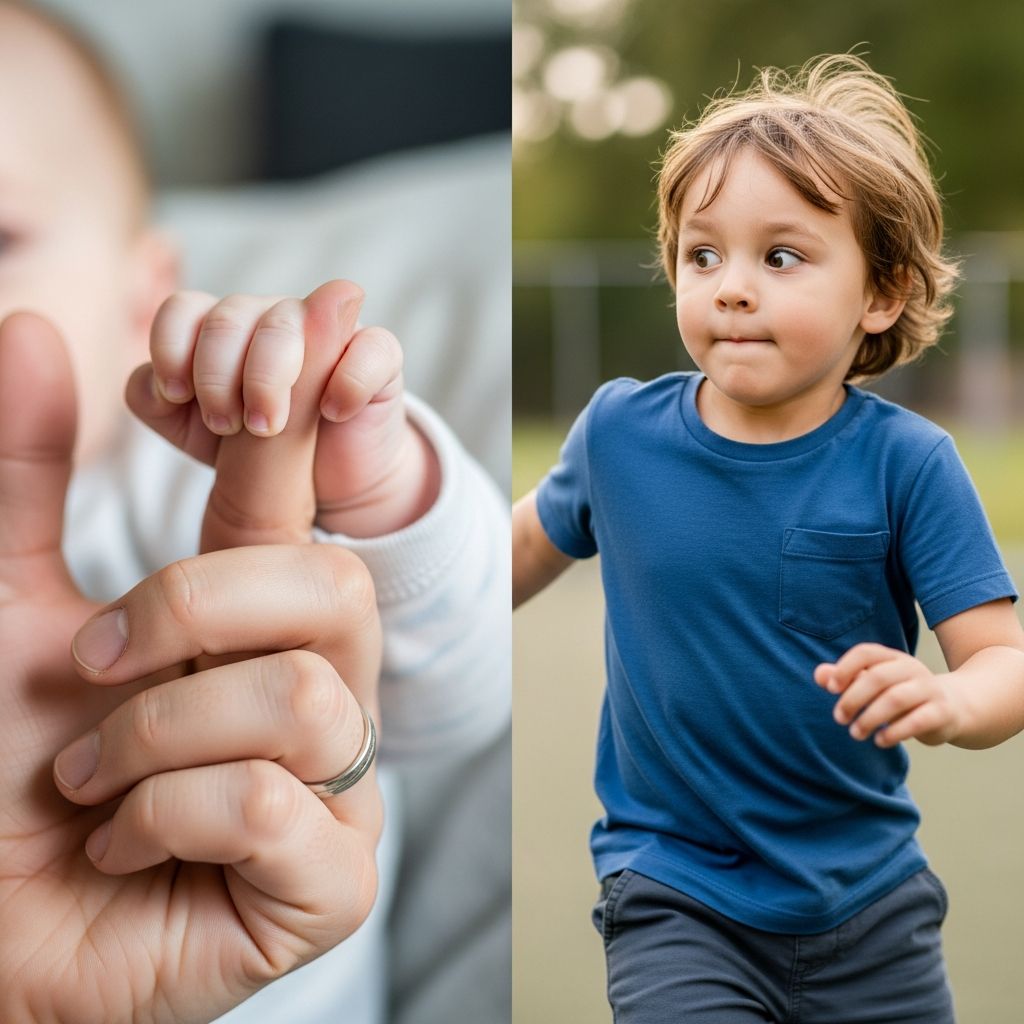
| Grasp reflex | When you touch baby’s palm, the fingers curl tightly around your finger. | Encourages contact with caregivers and leads to later voluntary grabbing. |
| Stepping (walking) reflex | When held upright with feet touching a surface, baby appears to take tiny steps. | Early pattern that leads toward real walking later. |
| Babinski reflex | When the sole of the foot is stroked, the big toe points up and the other toes fan out. | Normal in infants and used by doctors to check the nervous system. |
These automatic movements may look surprising or even strange, but they are an important sign that a baby’s nervous system is working well.
When Do Primitive Reflexes Fade?
Primitive reflexes do not last forever. As a baby’s brain matures, especially the higher thinking areas in the brain, voluntary movements slowly take over.
Typical ages when reflexes disappear
- Rooting reflex: usually fades by about 4 months of age.
- Moro reflex: most often gone by around 4–6 months.
- Stepping reflex: disappears within the first 2 months.
- Grasp reflex (hands): usually gone by about 5–6 months.
- Tonic neck reflex: commonly fades between 5–7 months.
- Babinski reflex: normal until about 1–2 years of age.
By the end of the first year, most newborn reflexes have either weakened or disappeared, replaced by purposeful actions like reaching, rolling, crawling, and taking first steps.
From Reflex to Skill: How Reflexes Help Development
Reflexes are not just random movements. They help build the foundation for later skills in feeding, speech, balance, and coordination.
How reflexes support early milestones
- Feeding and breathing
Rooting and sucking make it possible for babies to feed from the very beginning of life and learn to coordinate sucking, swallowing, and breathing safely. - Head control and rolling
Reflexes that respond to changes in position encourage babies to lift and turn their heads, helping them develop stronger neck and trunk muscles over the first months. - Grasping and reaching
The grasp reflex gets babies used to holding onto things. As this reflex fades, babies begin to reach out on purpose, grab toys, and pass objects from hand to hand. - Standing and walking
The stepping reflex is an early pattern that later blends into real walking as balance and strength grow. - Balance and safety
Protective reflexes, like putting arms out when falling, help older babies and toddlers stay safer as they begin to move around more independently.
Reflexes That Stay With You for Life
While most primitive infant reflexes disappear, you keep some reflexes for your entire life. These are usually protective reflexes that help you react quickly to danger.
Examples of lifelong reflexes
- Blinking: Your eyes snap shut if something suddenly comes close to them.
- Coughing and sneezing: Your body quickly tries to clear your airways if they are irritated.
- Withdrawal from pain: You pull your hand away from something sharp or hot without thinking about it first.
- Balance reactions: Your body shifts, arms swing, and legs adjust to keep you from falling when you trip.
These permanent reflexes are part of the reason you can avoid injuries and stay safe during everyday activities, sports, and play.
How Doctors Use Reflexes to Check Health
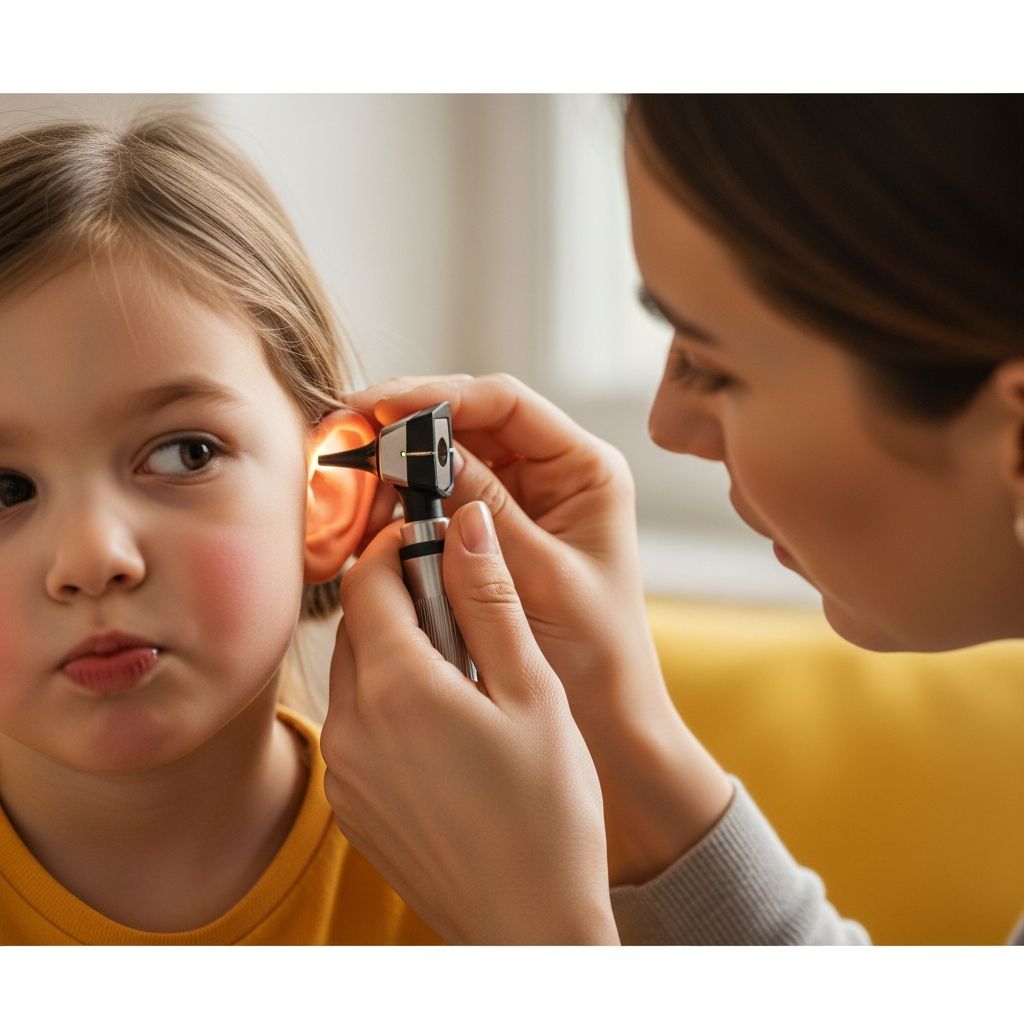
Reflexes are a powerful tool for doctors, nurses, and other health professionals. By watching how a baby or child’s reflexes behave, they can learn a lot about how the brain, spinal cord, and nerves are working.
What professionals look for
- Presence: Is the reflex there when it should be?
- Strength: Is the response too weak, too strong, or about right?
- Symmetry: Do both sides of the body react in a similar way?
- Timing: Does the reflex appear and disappear at expected ages?
If a primitive reflex is missing very early on, or if it lasts long after it should have faded, this can sometimes be a sign of problems with the nervous system and may lead to further testing.
Why reflex checks matter
- They help confirm that the brainstem and spinal cord are working properly.
- They track how the nervous system matures over time.
- They can provide early clues about developmental delays or certain neurological conditions, allowing earlier support and therapy.
Reflex testing is only one part of a full checkup. Doctors also look at muscle tone, movement, feeding, vision, hearing, and how babies interact with people around them.
Growing Up: Reflexes in Preschoolers and Older Kids
By the time children are toddlers and preschoolers, most infant reflexes are gone. But the skills those reflexes supported—like standing, walking, grabbing, and balancing—are still developing and improving.
New abilities built on early reflexes
- Better coordination: Toddlers move from wobbly steps to running, jumping, and climbing.
- Fine motor skills: Hand skills progress from grabbing big toys to turning pages, drawing, and writing.
- Improved balance: Children learn to stand on one leg, hop, and ride a bike, using balance reactions that protect them from falling.
School-age kids still rely on protective reflexes—like blinking and pulling away from danger—but most of their movements are now under conscious control. Sports, music, and dance help fine-tune these skills even further.
Everyday Tips for Parents and Caregivers
You do not need to test your baby’s reflexes the way a doctor does, but you will probably notice them during everyday care. Here are some gentle ways to support healthy development while respecting your baby’s comfort.
- Watch during feeding
Notice how your baby roots, latches, and sucks. Share any feeding difficulties with your healthcare provider. - Provide safe touch and movement
Holding, rocking, and gentle play help your baby explore their reflexes and build trust. - Offer tummy time
Short, supervised periods on the tummy during awake time strengthen muscles that support head control, rolling, and crawling. - Let hands and feet explore
Loose clothing and time without mittens or tight socks (when safe and warm enough) give your baby a chance to feel objects and practice grasping. - Follow your baby’s cues
If a game or position causes too much startle or distress, pause and try something calmer. - Keep regular checkups
Routine visits allow health professionals to monitor reflexes, growth, and overall development.
Frequently Asked Questions (FAQs) About Reflexes
Are all jerky movements in newborns reflexes?
Newborns often move in sudden, jerky ways because their nervous systems are still maturing. Many of these movements are reflexes, but some are just normal random motions. If movements seem very stiff, rhythmic, or happen in long clusters, it is important to talk with a healthcare provider for guidance.
When should I worry if a reflex is missing?
Reflexes can vary from baby to baby, and not every reflex is easy for parents to see. Doctors become concerned when important reflexes are completely absent on repeated exams, appear only on one side, or do not follow expected timing. If you have concerns, mention what you see during your child’s next checkup so a professional can examine your baby.
Can reflexes come back in older kids or adults?
Primitive reflexes that disappeared in infancy normally do not return. If they do show up again later in life, this can signal a problem affecting the brain or spinal cord and needs medical evaluation.
Do reflexes affect learning and school skills?
Reflexes support early movement patterns like balance, eye movements, and hand use, which are all important for tasks such as reading, writing, and sports. A well-developing nervous system integrates primitive reflexes and replaces them with smooth, voluntary control. If parents or teachers notice ongoing clumsiness or coordination problems, it can be helpful to discuss this with a pediatrician or specialist.
Can I “train” or speed up my baby’s reflex development?
Reflexes appear and fade according to brain maturity and overall health, not because of special exercises. What you can do is provide safe, loving care, age-appropriate play, and regular checkups. This environment gives your baby the best chance to develop on their own natural timetable.
References
- Primitive Reflexes — Oates R, Varma T, Sidhu N. StatPearls Publishing. 2024-01-15. https://www.ncbi.nlm.nih.gov/books/NBK554606/
- Newborn Reflexes — Stanford Medicine Children’s Health. 2022-05-10. https://www.stanfordchildrens.org/en/topic/default?id=newborn-reflexes-90-P02630
- Newborn Reflexes — Cleveland Clinic. 2022-08-01. https://my.clevelandclinic.org/health/articles/23265-newborn-reflexes
- Newborn Reflexes — University of Rochester Medical Center. 2021-11-30. https://www.urmc.rochester.edu/encyclopedia/content?ContentTypeID=90&ContentID=P02630
- Newborn-Reflexes — Children’s Hospital of Philadelphia. 2020-09-14. https://www.chop.edu/pages/newborn-reflexes
- Infant Reflexes — MedlinePlus, U.S. National Library of Medicine. 2023-05-09. https://medlineplus.gov/ency/article/003292.htm
- Sensory and Motor Development, Ages 1 to 12 Months — MyHealth Alberta. 2022-02-18. https://myhealth.alberta.ca/Health/pages/conditions.aspx?hwid=ue5465