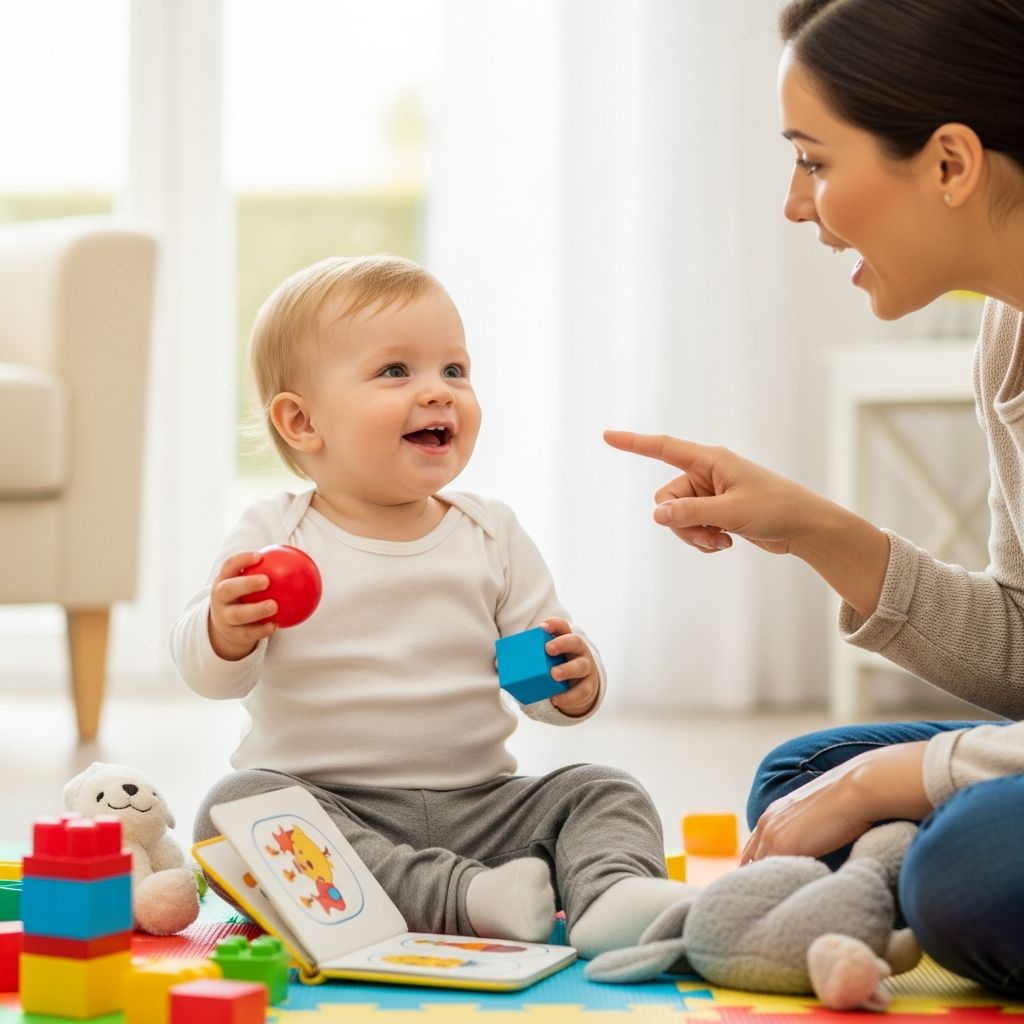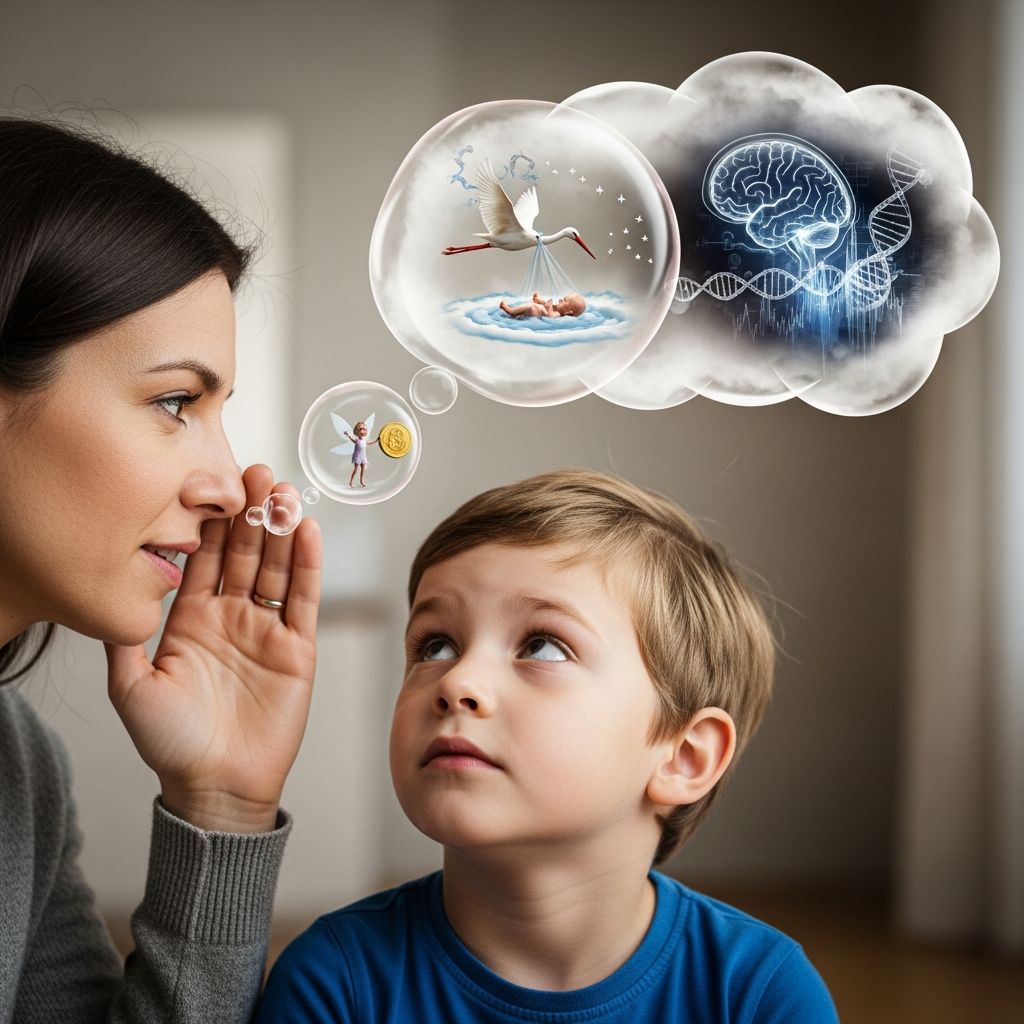
Parental lying, often called “parenting by lying,” involves parents using deception to shape their children’s emotions, actions, or perceptions. Research shows this is a near-universal practice, with rates exceeding 75-95% across cultures, yet it carries risks for child development and family relationships.
The Widespread Reality of Deception in Parenting
Studies consistently reveal that the vast majority of parents admit to lying to their children. In one foundational investigation, 88% of college students recalled their parents using deceptive scenarios to promote good behavior or positive feelings, while 78% of current parents reported doing the same. Global data echoes this: over 95% of parents in Asian and Turkish samples, and about 75% in European American groups, engage in this practice.
These deceptions range from minor white lies to elaborate stories. Parents might claim a toy store is closed to avoid tantrums or pretend ice cream causes nightmares to curb late-night snacks. Despite emphasizing honesty to kids, parents who punish lying most harshly are sometimes the most frequent deceivers themselves.
- Prevalence Highlights: 84% of U.S. parents per one survey; up to 98% in experimental scenarios.
- Children detect these lies more accurately in early adolescence, matching parental self-reports.
- Only 5% of adults recall frequent parental lying, suggesting underreporting or normalization.
Core Motivations Behind Parental Lies
Parents deceive for strategic reasons, often clustered into proactive convictions or reactive states. A qualitative study of 40 Dutch caregivers identified 11 subtypes of lies, driven by goals like privacy protection, self-image maintenance, or child shielding.
| Motivation Category | Examples | Triggers |
|---|---|---|
| Behavior Influence | “The park is closed” to end outings smoothly. | Child resistance or parental fatigue. |
| Emotional Regulation | “This will make you big and strong” for medicine. | Avoiding distress or tears. |
| Privacy/Self-Preservation | “I’m too busy” to dodge questions. | Overwhelm or personal boundaries. |
| Protection | Fabricated stories to shield from harsh realities. | Internalized duty to “protect innocence.” |
Proactive lies stem from beliefs like “I must safeguard my child from worry,” while reactive ones arise from momentary stress, such as exhaustion during bedtime battles. Even honesty-promoting parents lie, with no inverse correlation between preached values and actual behavior.
Psychological Mechanisms at Play
When parents lie, children process it through developing trust and moral frameworks. Experimental evidence indicates lies from authority figures reduce perceived trustworthiness, prompting reciprocal deception. In parent-child dynamics, this fosters a cycle: exposed kids lie back more as children and adults.
Attachment theory explains further erosion. Deception correlates with weaker bonds, lower satisfaction, and poorer adjustment, mediating outcomes like anxiety or aggression. Kids with authoritative parenting—warm yet firm—may develop prosocial lying skills (e.g., sparing feelings), but inconsistent modeling confuses moral boundaries.
- Pathways of Impact: Direct (poorer psychosocial health), via reciprocity (kids lie to parents), and through bonds (reduced attachment).
Documented Short- and Long-Term Effects
Correlational data links parenting by lying to negative child outcomes. Retrospective studies of adults show higher lying to parents and psychosocial maladjustment (e.g., depression, conduct issues). Concurrent child reports (ages 11-12) confirm: more exposure predicts lying reciprocity, attachment deficits, and problems like externalizing behaviors.
Lab measures reinforce this: deceived kids exhibit less prosociality and more psychopathy traits. Yet causation remains unproven—temperament or other factors may confound. Prosocial lies (e.g., for comfort) might differ from control-oriented ones, potentially aiding self-talk without severe trust damage.
| Outcome Type | Associated Risks | Supporting Evidence |
|---|---|---|
| Behavioral | Increased child-to-parent lying, reduced prosociality | Positive correlation in youth/adult samples. |
| Emotional | Internalizing (anxiety, withdrawal), externalizing (aggression) | Negative adjustment links. |
| Relational | Weaker attachment, lower relationship satisfaction | Mediation via bonds. |
Types of Lies: Harmless vs. Harmful?
Not all deceptions equate. The Parenting by Lying Integrative Model proposes motives matter: authority-maintaining lies risk more backlash than growth-promoting ones. Subtypes include instrumental (behavior change), prosocial (emotion boost), and self-focused (parental ease).
Systematic reviews of 23 studies highlight consistency: while common, frequent or undetected lies amplify issues. Cultural variations exist—higher in collectivist societies—but effects persist.
Building Trust Without Deception
Alternatives emphasize transparency and empathy. Instead of “Santa isn’t real yet,” try age-appropriate truths framed positively. Model honesty consistently, explain rationales, and foster perspective-taking to build prosocial skills organically.
- Strategies:
- Use ‘I’ statements: “I feel tired, so bedtime now.”
- Validate emotions: Acknowledge fears before redirecting.
- Discuss white lies in context: Teach nuance ethically.
- Prioritize authoritative style: Balance warmth with clear boundaries.
Research urges causal studies to differentiate lie types and guide parents. For now, minimizing non-essential deception preserves trust, modeling integrity for lifelong benefits.
Frequently Asked Questions (FAQs)
Is parenting by lying common across cultures?
Yes, rates exceed 75-95% globally, with higher reports in Asian/Turkish samples versus European American ones.
Does lying to kids make them lie more?
Studies show positive correlations: exposed children lie to parents more, extending into adulthood.
Are all parental lies harmful?
Correlational evidence links them to poorer outcomes, but prosocial types may have milder effects; causation needs more research.
How can parents stop lying habits?
Practice transparent communication, validate feelings, and use authoritative methods to influence without deception.
What if a child catches the lie?
Early adolescence heightens detection; address openly to rebuild trust and teach about context.
References
- Parenting by Lying — Setoh P, et al. PMC. 2024. https://pmc.ncbi.nlm.nih.gov/articles/PMC10849888/
- Parenting by Lying — Heyman GD, et al. PMC. 2010. https://pmc.ncbi.nlm.nih.gov/articles/PMC2949975/
- The Effects of Parenting Styles on Prosocial Lie-Telling Behaviors — Family Perspectives Journal. BYU. Undated (pre-2026). https://scholarsarchive.byu.edu/cgi/viewcontent.cgi?article=1049&context=familyperspectives
- The Honest Truth About Lying Parents: A Qualitative Study — Journal of Moral Education. Taylor & Francis. 2025. https://www.tandfonline.com/doi/full/10.1080/03057240.2025.2509112
- Lying to Our Children — Journal of Practical Ethics. University of Michigan. Undated (pre-2026). https://journals.publishing.umich.edu/jpe/article/id/6215/
- Teaching: Parenting by Lying — Association for Psychological Science. Undated (pre-2026). https://www.psychologicalscience.org/publications/observer/teaching-current-directions-parenting-by-lying.html
- Parental Lying to Children: A Systematic Review — Wiley Online Library. 2024. https://onlinelibrary.wiley.com/doi/10.1111/jftr.12592