The first days, weeks, and months after birth can be a shock when you look in the mirror and realize your belly still looks pregnant. Many new parents expect an almost instant “bounce back,” but the real postpartum belly follows its own slower, completely normal timeline. This guide explains what actually happens to your stomach after birth, why it looks the way it does, and how to support your body and your mental health while you heal.
What Is a Real Postpartum Belly?
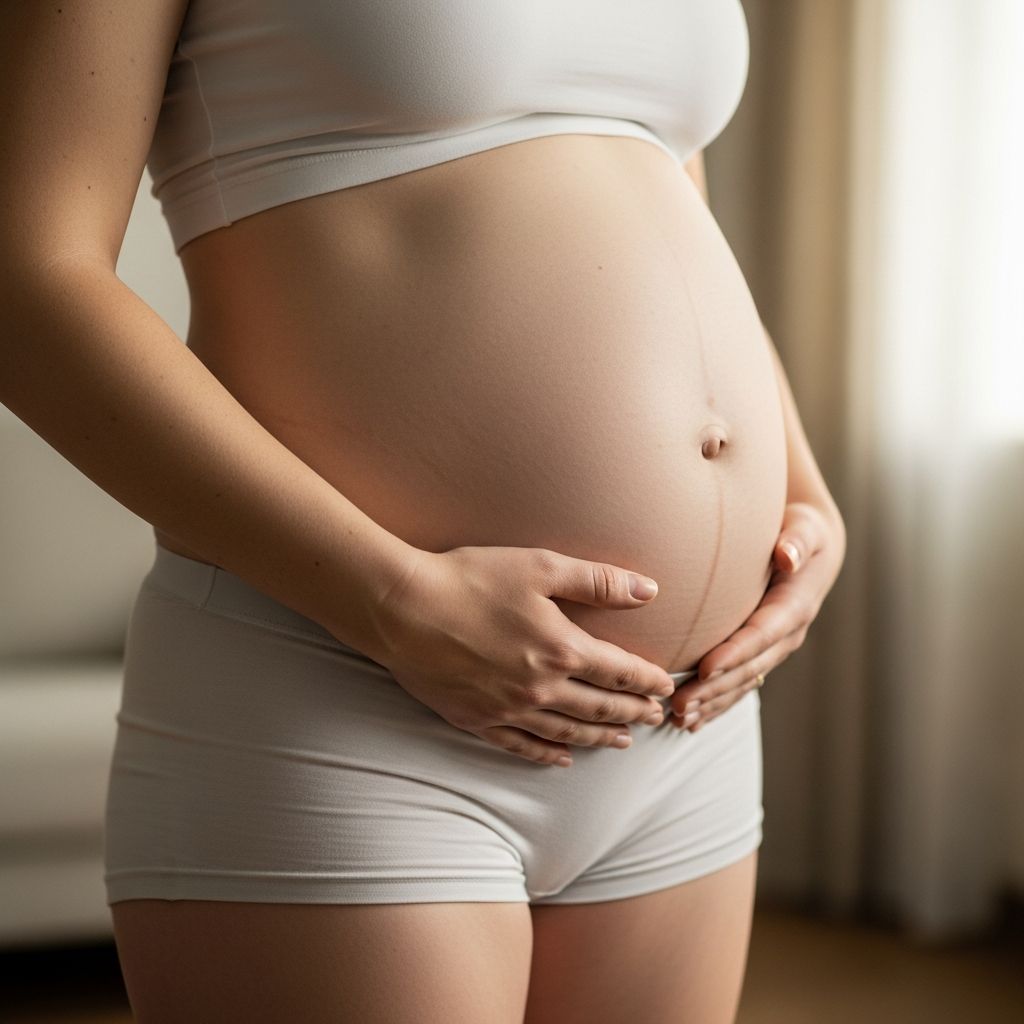
A real postpartum belly is simply what your abdomen looks like after you have given birth—without filters, strategic poses, or unrealistic “snap back” expectations. It may still be round, soft, saggy, wrinkled, or marked with stretch marks and a linea nigra (the dark line running down the middle of the stomach). For many, it looks like a smaller version of a pregnant belly for weeks or even months after delivery.
- It is normal for your belly to remain enlarged and soft right after birth.
- Healing involves your uterus shrinking, hormones shifting, and abdominal muscles slowly regaining tone.
- Every body responds differently based on genetics, pregnancy weight gain, type of delivery, and activity level before and after birth.
Seeing honest images and descriptions of postpartum bellies helps push back against the myth that you should leave the hospital looking like you never had a baby.
Why Your Belly Still Looks Pregnant After Birth
It takes about nine months to grow a baby, and your body undergoes huge structural, hormonal, and circulatory changes during that time. Expecting your abdomen to flatten immediately after delivery ignores how much internal work your body has done. Several specific factors explain why your belly still looks pregnant.
1. Uterus Involution (Shrinking Back Down)
During pregnancy, your uterus grows from about the size of a small pear to the size of a watermelon to accommodate your baby. After birth, it gradually contracts back to its pre-pregnancy size, a process called involution. This process continues over several weeks, which is why a postpartum belly often looks like a smaller baby bump for some time.
- In the first days after birth, the top of the uterus can still be felt near your belly button.
- Over time, the uterus shrinks and settles back into the pelvis, which slowly changes the shape of your abdomen.
- Cramping or “afterpains” are a sign that your uterus is contracting and returning to its original size.
2. Stretched Abdominal Muscles and Diastasis Recti
To make room for your growing baby, your abdominal muscles stretch significantly. In many pregnancies, the two vertical bands of the rectus abdominis separate along the midline, creating a gap known as diastasis recti. This separation can make your belly project forward or look domed, especially when you strain or sit up.
- Diastasis recti is common and often improves gradually over months.
- When the connective tissue is very stretched or weakened, the gap can stay wider and may need targeted exercises or professional support.
- Doing intense core workouts too soon can sometimes make the separation worse, so a gentle, guided approach is important.
3. Extra Skin, Fat, and Fluid Retention
Your skin and connective tissues have been stretched for months, and they do not instantly snap back. You may notice loose skin, a soft “pouch,” and areas that feel puffy or swollen. Your body also retains extra fluid during pregnancy that gradually leaves through sweat and urine, which can slowly reduce overall bloating.
- Loose or wrinkled skin is a normal response to stretching and can improve slowly.
- Some fat around the abdomen is stored during pregnancy to support breastfeeding and recovery.
- Hydration, gentle movement, and time are key factors in how your body redistributes fluid and fat.
4. Hormonal Changes Affecting Body Shape
Hormones such as estrogen, progesterone, and relaxin change dramatically postpartum. These hormones influence water retention, digestion, skin elasticity, and how and where your body stores fat. Breastfeeding also affects hormones, which can change how quickly or slowly your abdomen seems to slim down.
- Hormonal shifts can make your belly feel squishy, bloated, or different from day to day.
- Some people lose abdominal fat faster while breastfeeding; others hold onto belly fat until they wean.
Typical Postpartum Belly Timeline (Approximate)
Every recovery is unique, but there are common patterns that many new parents experience. The key is to see these milestones as ranges, not deadlines. It is extremely common to progress more slowly or hit plateaus and still be completely healthy.
| Postpartum Stage | What Your Belly May Look/Feel Like | What’s Happening Internally |
|---|---|---|
| Days 1–7 | Still looks several months pregnant; soft, round, possibly firm in spots. | Uterus begins shrinking; body releases extra fluid; abdominal muscles are very weak and stretched. |
| Weeks 2–4 | Gradually smaller bump; may still fit maternity clothes; some tenderness or cramping. | Uterus continues involution; bleeding tapers; core muscles start very gentle re-engagement. |
| Weeks 4–8 | Belly may feel a bit less squishy; some people notice modest slimming, others see little visible change. | Hormones shift; initial healing of muscles and connective tissue; energy slowly returns. |
| 3–6 months | More noticeable reshaping for some; diastasis may be improving; loose skin and soft pouch can remain. | Muscles gain strength with gentle exercise; pelvic floor and core continue to recover. |
| 6–12+ months | Body shape often stabilizes; some have a lasting “mom pouch,” stretch marks, or small separation. | Long-term remodeling of connective tissue, muscles, and skin; lifestyle and genetics play a big role. |
Some people feel close to their pre-pregnancy shape around six months, while others take a year or more. Many never look exactly the same, and that does not mean anything is wrong.
How Delivery Type Affects Your Belly
Whether you had a vaginal birth or a cesarean section can change some aspects of recovery, though both paths involve abdominal changes. A C-section adds surgical healing on top of all the usual postpartum transitions.
Vaginal Birth
- Abdominal muscles were stretched but not surgically cut.
- You may be able to start gentle core and pelvic floor activation sooner, depending on your provider’s guidance.
- Pelvic floor soreness or perineal stitches may limit certain movements even if your belly feels ready.
Cesarean Birth
- There is an incision across the lower abdomen that must heal properly before core work or heavy lifting.
- Swelling and sensitivity around the scar can change how your belly looks and feels for months.
- Scar tissue can create a small “shelf” of skin or fat above the incision, which may soften or respond to gentle massage and strengthening over time.
In both cases, it is important to listen to your body and follow medical advice about when to start or progress exercise, especially anything that stresses the abdominal wall.
Common Concerns About the Postpartum Belly
New parents often worry that what they see in the mirror is abnormal, when in fact it usually lies within a broad range of typical recovery. Understanding common concerns can lower anxiety and help you know when to seek help.
Feeling Like You Still Look Pregnant
It is very common for someone to look about four to six months pregnant immediately after birth and for that look to last for several weeks. Clothing, posture, and fluid retention can exaggerate this effect. Even if the number on the scale is dropping, the shape of your abdomen may change more slowly.
Soft, Squishy, or “Deflated” Belly
The skin and tissues that were stretched to support your baby do not fill out the same way when your baby is no longer inside. Loose skin, creases, and a soft texture are all normal and can persist long term. Hydration, balanced nutrition, and patient strengthening of the core and back can improve how your body feels and moves, even if loose skin remains.
The “Mom Pouch” or Lower Belly Bulge
A lower belly bulge, especially just above a C-section scar or the pubic bone, is very common. It may be due to lingering fat deposits, weak lower abdominal muscles, mild diastasis recti, or scar tissue. For many, this area remodels slowly over a year or more, and in some cases, a small pouch remains as a normal part of their new body shape.
Supporting Healthy Postpartum Belly Recovery
While you cannot control everything about how your postpartum belly looks, you can take steps that support healing, strength, and comfort. The focus should be on recovery and function, not forcing fast weight loss.
1. Rest and Gentle Movement First
- Prioritize sleep whenever possible, as rest is when much of healing occurs.
- Start with very light walking once your provider says it is safe, such as a few minutes around the house or down the block.
- Avoid high-impact activity or heavy lifting until your body is cleared and you feel ready.
2. Pelvic Floor and Deep Core Activation
Instead of sit-ups or planks, the early weeks are better suited to gentle activation of deep core muscles and the pelvic floor. These muscles support the organs, stabilize the spine, and help reduce any doming or bulging at the midline.
- Simple breathing exercises that coordinate your inhale and exhale with pelvic floor relaxation and engagement can be helpful.
- Slow, controlled contractions (often called Kegels when done correctly) may support pelvic floor recovery, if recommended for you.
- A pelvic floor physical therapist can design safe, personalized exercises, especially if you have prolapse, pain, or significant separation.
3. Nourishing Food and Hydration
Your body needs extra nutrients to repair tissues, rebuild muscle, and, if you are breastfeeding, produce milk. Extreme diets or aggressive calorie restriction can stall recovery and increase fatigue.
- Focus on proteins, healthy fats, fiber, and a variety of fruits and vegetables.
- Drink water regularly; thirst often increases with breastfeeding.
- Gentle, steady changes in eating patterns tend to support long-term health better than short-term “bounce back” plans.
4. Gentle Support Garments (If Comfortable)
Some people find that soft, compressive garments like postpartum leggings or belly bands provide comfort and a sense of support, especially in the early weeks.
- These garments should feel snug but not restrictive, and should not cause pain or difficulty breathing.
- They are not a magic solution and cannot permanently change your shape, but can make movement more comfortable while tissues heal.
Emotional and Mental Health Around Your Postpartum Belly
The emotional side of seeing a new body in the mirror is often as intense as the physical side. Many new parents feel grief, surprise, or even shame about their postpartum belly, especially when compared with edited social media images. These feelings are valid, and talking about them can reduce their power.
- Recognize that your body has done a demanding job, and visible changes are a record of that work.
- Curate your social media to include more realistic, body-positive postpartum accounts.
- Share your feelings with trusted friends, a partner, a support group, or a mental health professional.
If body image distress starts to overwhelm your daily life, contributes to depression or anxiety, or leads to disordered eating or extreme exercise, professional support is especially important.
When to Talk to a Professional
Most postpartum belly changes are normal and safe, but there are certain signs that should prompt a conversation with a healthcare provider. Always trust your instincts if something feels off or if pain or symptoms are getting worse rather than better.
- Severe, sharp, or increasing abdominal pain.
- Redness, swelling, or pus-like discharge around a C-section incision.
- A bulge at the belly button or along the midline that is painful, or that you cannot gently press back in (possible hernia).
- Heavy bleeding, large clots, or sudden return of bright red bleeding after it had slowed.
- Ongoing separation at the midline plus back pain, pelvic pain, or difficulty with daily movements.
For concerns about diastasis recti, prolapse, or pelvic floor issues, ask your provider for a referral to a pelvic floor physical therapist, who can assess and guide healing specifically for your situation.
Body Positivity and Postpartum Reality
Body positivity in the postpartum period does not mean loving every change instantly. It means respecting what your body has done, allowing it time to recover, and refusing to measure your worth by the speed at which you conform to pre-pregnancy ideals. A “real” postpartum belly is not a failure of discipline; it is proof that your body adapted to grow and birth a human being.
- Give yourself permission to dress for comfort and confidence rather than trying to fit into old clothes immediately.
- Notice non-scale victories such as carrying your baby more easily, sleeping better, or walking farther without fatigue.
- Practice small acts of self-compassion, like using moisturizing lotions on your belly or speaking to yourself as kindly as you would to a friend.
FAQs About the Real Postpartum Belly
How long does it take for my postpartum belly to go away?
There is no single timeline. Some people see significant changes within a few months, while others take a year or more to feel their abdomen has stabilized. Many do not return to their exact pre-pregnancy shape, even if they regain similar strength and fitness.
Is it normal to still look pregnant weeks after giving birth?
Yes. It is very normal to look several months pregnant right after birth and for that look to persist for weeks. Your uterus, muscles, skin, and hormones all need time to adjust, and visible changes do not always move at the same pace as weight changes.
Can exercise fix my postpartum belly?
Exercise can help you feel stronger, improve posture, and support healing, especially when it targets the deep core and pelvic floor. However, it cannot completely control loose skin, stretch marks, or genetics. The goal should be function and well-being rather than forcing a particular aesthetic.
What is diastasis recti and how do I know if I have it?
Diastasis recti is a separation of the left and right sides of the rectus abdominis muscles along the midline. Signs can include bulging or doming of the midline when you strain, difficulty engaging your core, or a visible gap when you lie down and lift your head. A trained provider or physical therapist can give you a clear assessment.
Will my stretch marks ever go away?
Stretch marks usually fade in color over time from bright red or purple to lighter shades closer to your skin tone. They rarely disappear completely, but they often become much less noticeable. Moisturizing and sun protection can support the skin’s appearance, but complete removal typically requires medical procedures, which may or may not be desired.
Is it okay if I do not like my postpartum belly?
It is completely understandable to have mixed feelings about a body that has changed quickly and dramatically. You can acknowledge disappointment or discomfort while still choosing to treat your body with care. If negative feelings become overwhelming, speaking with a therapist who understands postpartum issues can be very helpful.
Final Thoughts
Your postpartum belly is not a problem to solve; it is a living record of a major life event. With time, gentle care, realistic expectations, and support, most people find a new balance between how their body feels and how it looks. Honoring the real postpartum belly—soft, strong, scarred, stretched, or some combination of all of these—is one way to honor the profound work your body has done.