Painting a nursery or refreshing home spaces is a common nesting activity for expectant mothers, but concerns about chemical exposure make it a cautious endeavor. With proper precautions, many women can participate safely, especially using modern low-emission products.
Understanding Potential Risks of Paint Exposure
Traditional paints contain volatile organic compounds (VOCs) that evaporate into fumes, potentially affecting respiratory health and fetal development. During pregnancy, the fetus is particularly vulnerable in the first trimester when major organs form. Solvents in oil-based paints pose higher risks than water-based ones, including possible links to low birth weight or developmental issues, though short exposures to low-VOC paints are generally low-risk per health guidelines.
Key concerns include:
- VOC Inhalation: Fumes can cross the placenta, with animal studies suggesting nervous system impacts at high levels.
- Skin Contact: Absorption through skin, minimized by gloves.
- Ingestion Risk: Rare but possible via contaminated hands.
Modern water-based latex paints have dramatically reduced VOCs, making them preferable. Regulatory standards from agencies like the EPA limit emissions in ‘low-VOC’ labels to under 50 grams per liter.
Optimal Timing for Home Painting Projects
Align painting with your pregnancy stage to minimize risks. The first trimester (weeks 1-12) sees rapid organogenesis, so delegate to others if possible. Second trimester (weeks 13-26) offers a safer window as major developments stabilize, and third trimester suits light finishing if ventilation is excellent.
| Pregnancy Trimester | Risk Level | Recommendations |
|---|---|---|
| First (1-12 weeks) | High | Avoid entirely; hire professionals |
| Second (13-26 weeks) | Moderate | Proceed with precautions if needed |
| Third (27-40 weeks) | Low-Moderate | OK for short sessions, good airflow |
Postpone non-essential projects until after birth for ultimate safety.
Selecting Pregnancy-Safe Paints and Materials
Choose paints certified low- or zero-VOC. Look for GreenGuard Gold or GREENGUARD certifications, verifying low emissions via independent testing. Water-based acrylics outperform oil-based options.
- Zero-VOC Paints: <5 g/L VOCs, ideal for nurseries.
- Low-VOC: <50 g/L, still safe with ventilation.
- Avoid: Oil-based, enamels, primers with high solvents.
For primers, select low-VOC versions or use zero-VOC paints alone. Test samples in small areas first to check for sensitivities. Natural alternatives like milk paint or clay-based options exist but may need sealing.
Creating a Ventilated and Safe Workspace
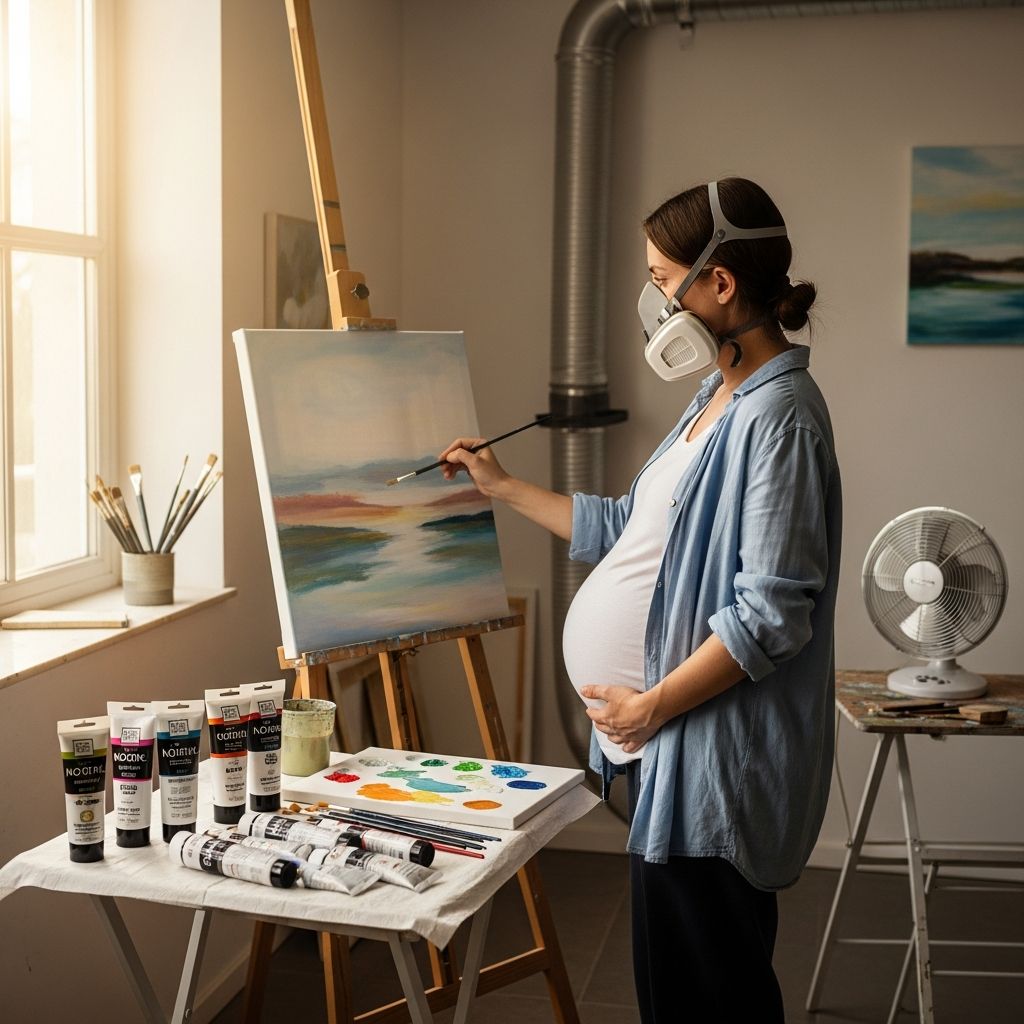
Ventilation dilutes fumes effectively. Open multiple windows for cross-breezes, using box fans: one intake, one exhaust. Air purifiers with activated carbon filters capture VOCs. Maintain airflow 48-72 hours post-painting.
Additional setup tips:
- Paint during cooler hours to reduce evaporation.
- Use drop cloths and tape to contain mess.
- Keep the area clear of clutter for easy exit.
Essential Protective Equipment for Expectant Painters
PPE forms your first defense. Opt for a half-face respirator with organic vapor cartridges (e.g., NIOSH-approved OV filters), not basic dust masks which fail against gases. Fit-test by ensuring no odor detection.
Full gear checklist:
- Long-sleeved shirt, pants, gloves (nitrile preferred).
- Safety goggles if overhead work.
- Non-slip shoes; avoid ladders—use helpers for heights.
Work in 20-30 minute bursts, stepping outside for fresh air. Hydrate and snack away from the space. Shower immediately after, laundering clothes separately.
Step-by-Step Guide to a Low-Risk Painting Session
- Prep: Select safe paint, gather PPE, ventilate space 30 minutes prior.
- Surface Prep: Clean walls, tape edges; wear respirator for sanding dust.
- Prime if Needed: Thin coats, dry fully between layers.
- Apply Paint: Roll or brush evenly; two thin coats over one thick.
- Cleanup: Dispose waste properly, wash thoroughly.
- Air Out: Fans running 2-3 days; vacate if sensitive.
Alternatives: Hire Pros or Delay Projects
Professionals with experience handle risks efficiently. Brief them on your pregnancy for extra ventilation. Cost-effective for large jobs. Alternatively, delay until postpartum, focusing energy on baby prep.
Creative Painting Activities Without Chemical Risks
Channel creativity safely via non-toxic crafts. Paint-by-numbers kits with watercolors or acrylics offer relaxation, reducing stress hormones beneficial for pregnancy.
- Mandala Coloring: Therapeutic patterns with washable markers.
- Footprint Art: Baby-safe edible paints for keepsakes.
- Journal Decoration: Fabric markers on maternity wear or journals.
These foster mindfulness, with studies linking art to lower anxiety in pregnancy.
Common Concerns and What to Do After Exposure
Short exposure to water-based paint rarely causes issues. Symptoms like nausea or headache usually resolve in fresh air. Monitor and consult your OB-GYN; ultrasounds can reassure development. Avoid solvent-heavy tasks like staining furniture.
Frequently Asked Questions
Can I stay home while others paint?
Yes, if away from the room with strong ventilation directing fumes outside. Leave if odors bother you.
What if I inhaled fumes accidentally?
Get fresh air; single low-level exposures are low-risk. Inform your doctor next visit.
Are zero-VOC paints truly safe?
Yes, independently tested for minimal emissions, far safer than traditional paints.
Can I paint furniture while pregnant?
Avoid stains/polyurethanes; high VOCs. Delegate or postpone.
How long to air out after painting?
At least 48-72 hours with continuous ventilation.
References
- Volatile Organic Compounds’ Impact on Indoor Air Quality — U.S. Environmental Protection Agency (EPA). 2024-05-15. https://www.epa.gov/indoor-air-quality-iaq/volatile-organic-compounds-impact-indoor-air-quality
- Painting and Pregnancy Safety Guidelines — Centers for Disease Control and Prevention (CDC). 2023-11-20. https://www.cdc.gov/niosh/topics/repro/safety.html
- Low-VOC Paints and Certification Standards — GREENGUARD Certification Program, UL Solutions. 2025-02-10. https://www.ul.com/services/greenguard-certification
- Respiratory Protection for Chemical Vapors — National Institute for Occupational Safety and Health (NIOSH). 2024-08-01. https://www.cdc.gov/niosh/topics/ppe/respirators.html
- Fetal Development Timeline and Teratogen Exposure — American College of Obstetricians and Gynecologists (ACOG). 2024-03-12. https://www.acog.org/womens-health/faqs/how-your-fetus-grows-during-pregnancy