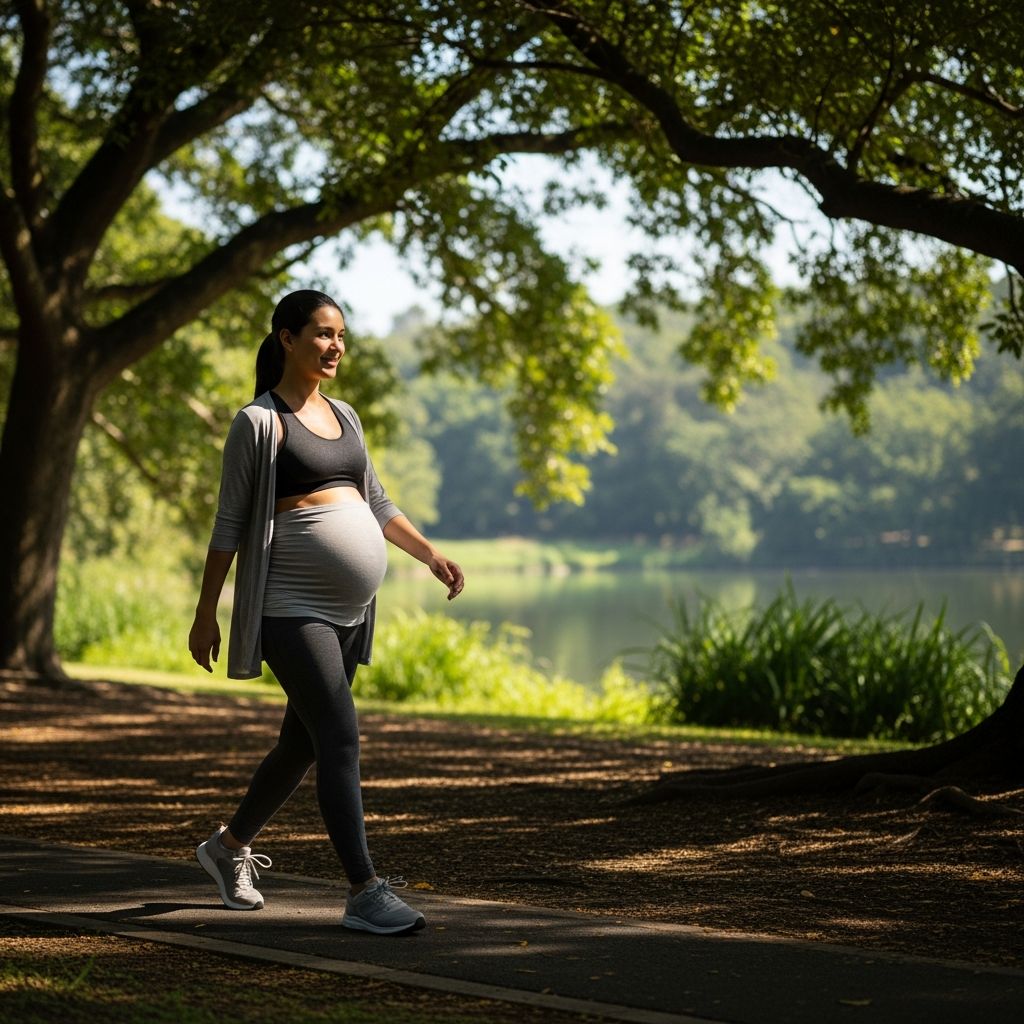
Brisk walking stands out as one of the most accessible and effective exercises for expectant mothers, offering substantial benefits for both maternal and fetal health without placing undue stress on the body. Health organizations like the CDC recommend at least 150 minutes of moderate-intensity activity weekly, such as walking, for healthy pregnant individuals.
Why Walking Excels as Prenatal Exercise
Walking engages the cardiovascular system gently, strengthening the heart and lungs while minimizing joint strain, making it ideal throughout all trimesters. Unlike high-impact activities, it integrates seamlessly into daily life—whether during commutes, errands, or breaks—overcoming common barriers like fatigue or time constraints.
Research highlights walking’s unique advantages: pregnant women often prefer it over other exercises, perceiving greater benefits for themselves and their babies. A literature review confirms strong evidence linking brisk walking to lower risks of pregnancy complications, surpassing many other modalities.
Key Health Advantages for Mothers
Regular walking significantly lowers the incidence of gestational diabetes mellitus (GDM). Meta-analyses show a 20% reduced risk for women walking in early to mid-pregnancy, with acute sessions dropping blood glucose by 4-21%. It also cuts preeclampsia risk by 33%.
Excessive gestational weight gain drops by 29-44% with consistent walking, following a dose-response pattern—more steps correlate with better outcomes, such as 10,000 daily steps reducing unhealthy gain risks. Postpartum, it aids weight retention prevention.
Additional perks include stronger muscles to alleviate back pain, improved bowel regularity against constipation, and enhanced cardiovascular fitness. A 2009 review noted mood boosts and pain relief from walking.
- Reduces GDM risk by 20%: Especially brisk paces in early pregnancy.
- Lowers preeclampsia odds by 33%: Consistent moderate activity.
- Controls weight gain: 0.25 kg less per extra 30 minutes daily.
- Eases back pain and constipation: Builds core and pelvic strength.
- Boosts mood and energy: Endorphin release during walks.
Benefits Extending to the Baby
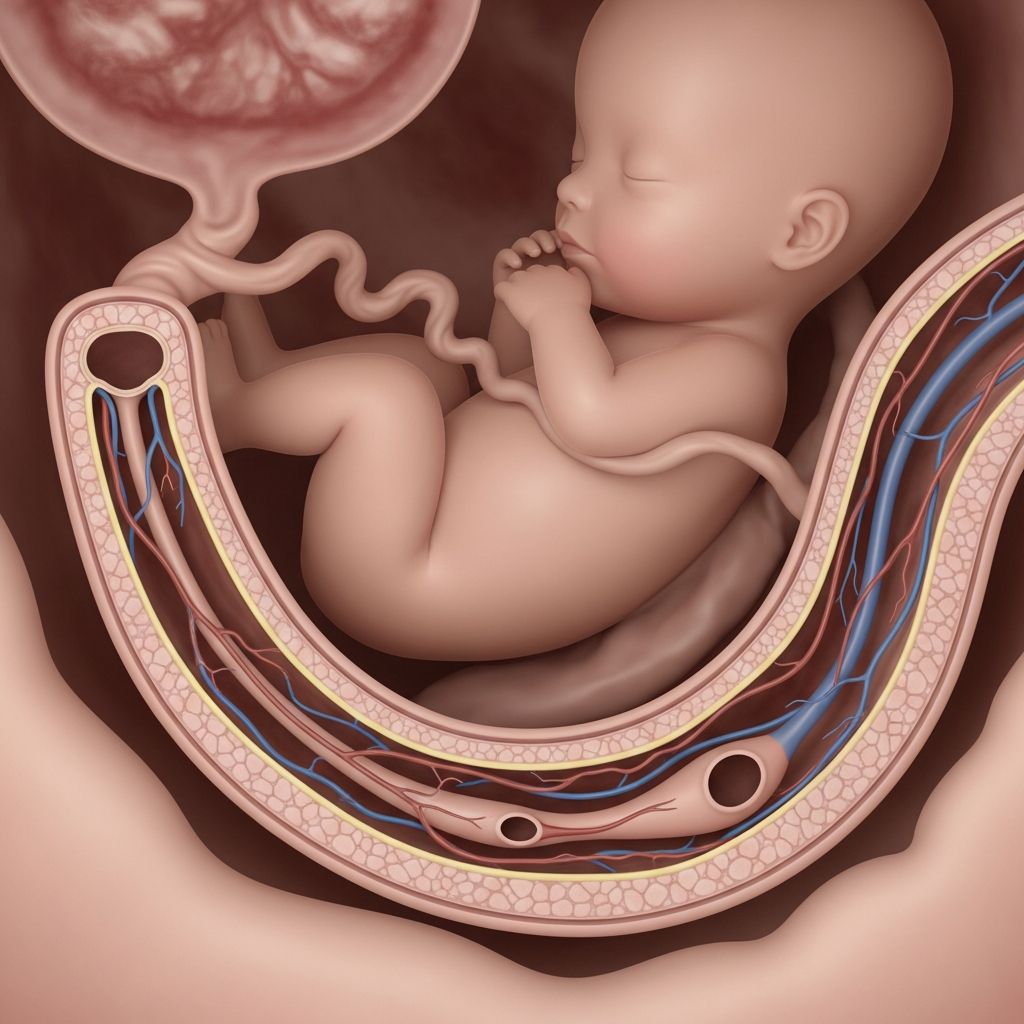
Fetal outcomes improve notably with maternal walking. Macrosomia risk (birthweight over recommended ranges) decreases by 14-39%, and low birthweight risks may also lessen. In the third trimester, walking encourages optimal fetal positioning, potentially easing labor.
Overall, active pregnancies correlate with healthier neonatal weights and reduced complications, with walking’s low-risk profile making it a top choice.
Safe Walking Guidelines by Trimester
Tailor walks to your body’s changes for maximum safety and efficacy. Always consult a healthcare provider, especially with conditions like high-risk pregnancies.
First Trimester: Building Habits Gently
Nausea and fatigue may challenge early motivation, but short walks combat these by stabilizing blood sugar and boosting energy. Start with 10-15 minute sessions at a comfortable pace, aiming for 150 total minutes weekly as tolerated.
- Focus on flat terrain to avoid balance issues.
- Walk post-meals to manage glucose spikes.
- Hydrate frequently; carry water.
Second Trimester: Increasing Intensity
With energy often peaking, incorporate brisk walking—fast enough to elevate heart rate but allow conversation. Target 30-minute daily sessions, adding inclines or intervals for variety.
| Week Range | Duration | Pace Tips | Focus |
|---|---|---|---|
| 13-26 weeks | 20-30 min/day | Brisk, conversational | Endurance building |
| Add-ons | 5-min warm-up/cool-down | Include hills | Weight management |
Third Trimester: Prioritizing Comfort
Weight gain and joint looseness demand caution. Shorter, frequent walks strengthen back muscles, prevent SI joint pain, and position baby optimally. Opt for supportive shoes and even surfaces; stop if swelling or pain arises.
- 15-20 min sessions, multiple times daily.
- Use maternity belts for stability if needed.
- Evening walks for relaxation and better sleep.
Practical Walking Routines to Try
These original routines draw from evidence-based principles, progressing from basic to structured for all fitness levels.
Beginner Daily Stroll
Ideal for new exercisers: 20 minutes at moderate pace, 5 days/week. Add arm swings for full-body engagement.
- Warm-up: 5 min slow walk.
- Main: 10 min brisk pace.
- Cool-down: 5 min gentle stroll with stretches.
Interval Power Walk
For mid-pregnancy: Alternate intensities to mimic brisk guidelines.
- 3 min brisk walk.
- 1 min slow recovery.
- Repeat 5-7 times (total 20-28 min).
Third-Trimester Loop
Focus on posture: Short loops near home.
| Segment | Duration | Technique |
|---|---|---|
| Warm-up | 5 min | March in place, swings |
| Main walk | 15 min | Upright posture, heel-toe |
| Cool-down | 5 min | Deep breaths, calf stretches |
Track with a pedometer; aim for 7,000-10,000 steps daily for optimal benefits.
Overcoming Common Challenges
Pain, weather, or motivation dips are normal. Wear breathable, supportive gear; walk indoors if needed. Pair with podcasts for enjoyment. Severe symptoms like dizziness warrant immediate medical advice.
- Back pain: Engage core lightly; shorten strides.
- Swelling: Elevate feet post-walk; avoid heat.
- Motivation: Buddy walks or apps for accountability.
Expert Precautions and When to Pause
Walking poses very low risks—no increased chances of miscarriage, preterm labor, or low birthweight in healthy pregnancies. ACOG endorses it for reducing C-section risks and promoting healthy gains.
Cease and seek care for chest pain, contractions, bleeding, or amniotic fluid leakage. High-risk cases (e.g., placenta previa) may require modifications.
Frequently Asked Questions (FAQs)
Is walking safe throughout all pregnancy trimesters?
Yes, for healthy pregnancies; CDC confirms low risks with moderate brisk walking. Consult your doctor for personalization.
How much should I walk daily?
Aim for 30 minutes most days, totaling 150 minutes weekly, per CDC and ACOG.
Can walking prevent gestational diabetes?
Strong evidence shows a 20% risk reduction with regular walking.
What if I’m new to exercise?
Start slow, 10-15 minutes, building gradually; it’s beginner-friendly.
Does walking help with labor preparation?
It strengthens muscles, improves positioning, and boosts endurance.
Long-Term Wellness from Prenatal Walking
Beyond pregnancy, habitual walking supports postpartum recovery, sustained fitness, and mental health. It fosters lifelong activity patterns beneficial for mother and child.
Incorporate variety like nature trails or group walks to sustain engagement. Monitor progress via journals or apps, celebrating milestones like consistent step goals.
Pregnancy transforms the body, but walking empowers navigation of these changes with grace and strength. Embrace it as a cornerstone of your prenatal wellness journey.
References
- Walking for health during pregnancy: A literature review and considerations for future research and interventions — Davenport MH et al. National Library of Medicine. 2019-05-01. https://pmc.ncbi.nlm.nih.gov/articles/PMC6742678/
- Walking During Pregnancy: Pelvic Pain, Benefits, and More — Healthline. 2023-06-15. https://www.healthline.com/health/pregnancy/walking-during-pregnancy
- The Health Benefits of Walking During Pregnancy — Lovelace Health. 2021-10-13. https://lovelace.com/2021/10/13/the-health-benefits-of-walking-during-pregnancy/
- Pregnant & Postpartum Activity: An Overview — Centers for Disease Control and Prevention (CDC). 2024-01-10. https://www.cdc.gov/physical-activity-basics/guidelines/healthy-pregnant-or-postpartum-women.html
- Walking in Pregnancy: Advice For Each Trimester — Tommy’s. 2023-08-20. https://www.tommys.org/pregnancy-information/im-pregnant/exercise-in-pregnancy/walking-and-pregnancy
- Exercising During Pregnancy — American Heart Association. 2022-11-05. https://www.goredforwomen.org/en/know-your-risk/pregnancy-and-maternal-health/exercising-during-pregnancy
- Exercise During Pregnancy — American College of Obstetricians and Gynecologists (ACOG). 2023-04-12. https://www.acog.org/womens-health/faqs/exercise-during-pregnancy