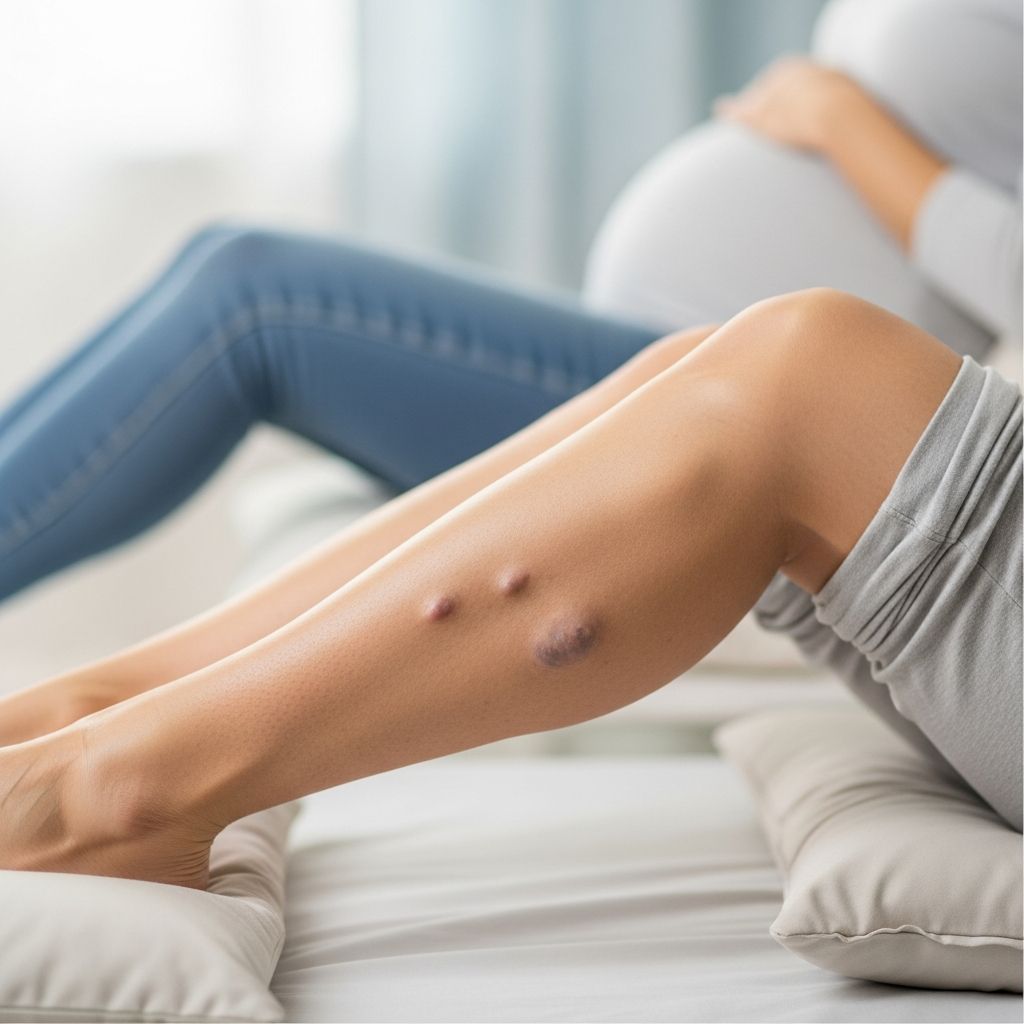
Varicose veins affect many women during pregnancy due to physiological changes that strain the circulatory system. These enlarged, twisted veins primarily appear in the legs but can also develop in the pelvic area or as hemorrhoids. While often uncomfortable, they pose minimal risk to mother or baby when managed properly.
Understanding the Circulatory Shifts in Pregnancy
Pregnancy triggers significant changes in a woman’s body to support fetal growth. Blood volume expands by 40-50%, increasing plasma and red blood cell mass to nourish the baby. This surge pressures veins, particularly in the lower body.
Hormones like progesterone relax vein walls, impairing valve function and allowing blood to pool. The expanding uterus compresses the inferior vena cava and pelvic veins, hindering blood return from the legs. These factors combined elevate the likelihood of vein dilation and bulging.
Genetic predisposition plays a role; women with a family history face higher risks. Pre-existing spider or varicose veins often worsen. Additional contributors include prolonged standing, excess weight gain, and limited mobility.
Recognizing Early Indicators of Vein Issues
Symptoms typically emerge in the second trimester, intensifying as pregnancy progresses due to uterine growth. Common signs include:
- Visible bulging or rope-like veins in legs or thighs
- Achy, heavy sensation in lower legs, worsening after standing
- Swelling in ankles, feet, or calves
- Itching, burning, or throbbing around affected areas
- Leg cramps, especially at night
- Discoloration like blue, purple, or red hues under skin
These discomforts usually improve 3-6 months postpartum as blood volume normalizes and uterine pressure eases. However, some persist, signaling underlying venous issues.
Potential Complications and Red Flags
Most varicose veins remain benign, but vigilance is essential. Seek immediate care for:
- Sudden unilateral leg swelling, possibly indicating deep vein thrombosis (DVT)
- Redness, warmth, or tenderness over a vein, suggesting superficial thrombosis
- Skin changes like darkening, thickening, or ulcers near ankles, hinting at chronic venous insufficiency (CVI)
- Bleeding from a ruptured vein, a medical emergency
Pregnancy heightens DVT risk due to hypercoagulability, peaking in the first trimester and postpartum period. CVI involves poor blood return, leading to ongoing swelling and skin damage. Superficial clots rarely require anticoagulants but may need anti-inflammatories like aspirin.
Everyday Strategies to Ease Discomfort
Conservative measures form the cornerstone of management, prioritizing safety for pregnancy.
| Strategy | Benefits | Tips for Implementation |
|---|---|---|
| Compression Stockings | Improves circulation, reduces swelling and pain | Wear knee-high, 20-30 mmHg during day; remove at night |
| Leg Elevation | Facilitates venous return against gravity | Elevate above heart level 15-20 min, 3-4 times daily |
| Regular Movement | Prevents blood pooling | Avoid long standing/sitting; walk, swim, or do prenatal yoga |
| Weight Control | Minimizes vein pressure | Follow prenatal nutrition guidelines |
| Cool Compresses | Soothes itching and inflammation | Apply to itchy areas for 10-15 min |
Staying hydrated combats constipation, indirectly reducing pelvic vein strain. A high-fiber diet supports this. Avoid tight clothing around waist and legs.
Safe Interventions During Pregnancy
Treatment options are limited to protect the fetus. Compression therapy and lifestyle adjustments suffice for most. Pain relievers like acetaminophen may help mild discomfort.
Sclerotherapy or ablation is contraindicated until after delivery and breastfeeding. Monitor severe cases with ultrasound to rule out clots. Post-delivery, veins often regress naturally.
Postpartum Recovery and Long-Term Outlook
Many women notice improvement within months as hormonal levels stabilize and weight decreases. Persistent symptoms warrant evaluation by a vascular specialist. Non-invasive procedures like endovenous ablation become viable options then.
Breastfeeding women can pursue treatments safely. Maintaining fitness postpartum prevents recurrence in future pregnancies. Genetic risks persist, so ongoing prevention is key.
Prevention Tips for Future Pregnancies
Proactive steps reduce incidence:
- Begin compression wear early if predisposed
- Prioritize low-impact exercise like walking or swimming
- Manage weight gain steadily
- Elevate legs routinely
- Consider prenatal vitamins supporting circulation
Women with prior severe cases may consult vein experts preconception for baseline assessments.
Frequently Asked Questions
Do varicose veins harm the baby?
No, they do not affect fetal health but can cause maternal discomfort.
When do symptoms typically start?
Often in the second trimester, peaking near term.
Can exercise worsen them?
High-impact activities may; opt for low-impact like swimming.
How long do they last postpartum?
3-6 months for most; some need treatment.
Is surgery safe during pregnancy?
Generally avoided; conservative methods preferred.
Holistic Approaches to Vein Wellness
Integrate gentle practices like prenatal massage focusing on legs (avoiding direct vein pressure). Herbal teas with anti-inflammatory properties, such as ginger, may ease swelling, but consult providers first. Mind-body techniques reduce stress, indirectly supporting circulation.
Nutritional focus: Foods rich in flavonoids (berries, citrus) strengthen vein walls. Vitamin C and E aid collagen integrity. Avoid excess salt to curb edema.
Long-term, strength training post-recovery bolsters calf muscles, the ‘second heart’ pumping blood upward.
Pregnancy varicose veins, while common, are manageable with informed strategies. Empowering knowledge allows expectant mothers to prioritize comfort and health throughout this transformative journey.
References
- Varicose Veins in Pregnancy: Symptoms, Treatment & Prevention — Cardiovascular Center. 2023. https://cardiovascularcenter.com/patient-resources/blog/pregnancy-varicose-veins
- Varicose Veins During Pregnancy: When to Worry and What You Can Do — Hill Vascular. 2023. https://hillvascular.com/varicose-veins-during-pregnancy-when-to-worry-and-what-you-can-do/
- 5 Things To Know About Pregnancy And Varicose Veins — Vein Reliever. 2023. https://veinreliever.com/5-things-know-pregnancy-varicose-veins/
- Varicose Veins in Pregnancy — Fairfax Vascular Center. 2023. https://www.fairfaxvascularcenter.com/news/varicose-veins-in-pregnancy/
- Varicose Veins in Pregnancy — Precision Vein Doc. 2023. https://www.precisionveindoc.com/varicose-veins-in-pregnancy
- Varicose Veins During Pregnancy: Types, Causes & Treatment — Cleveland Clinic. 2023-10-25. https://my.clevelandclinic.org/health/diseases/23331-varicose-veins-in-pregnancy