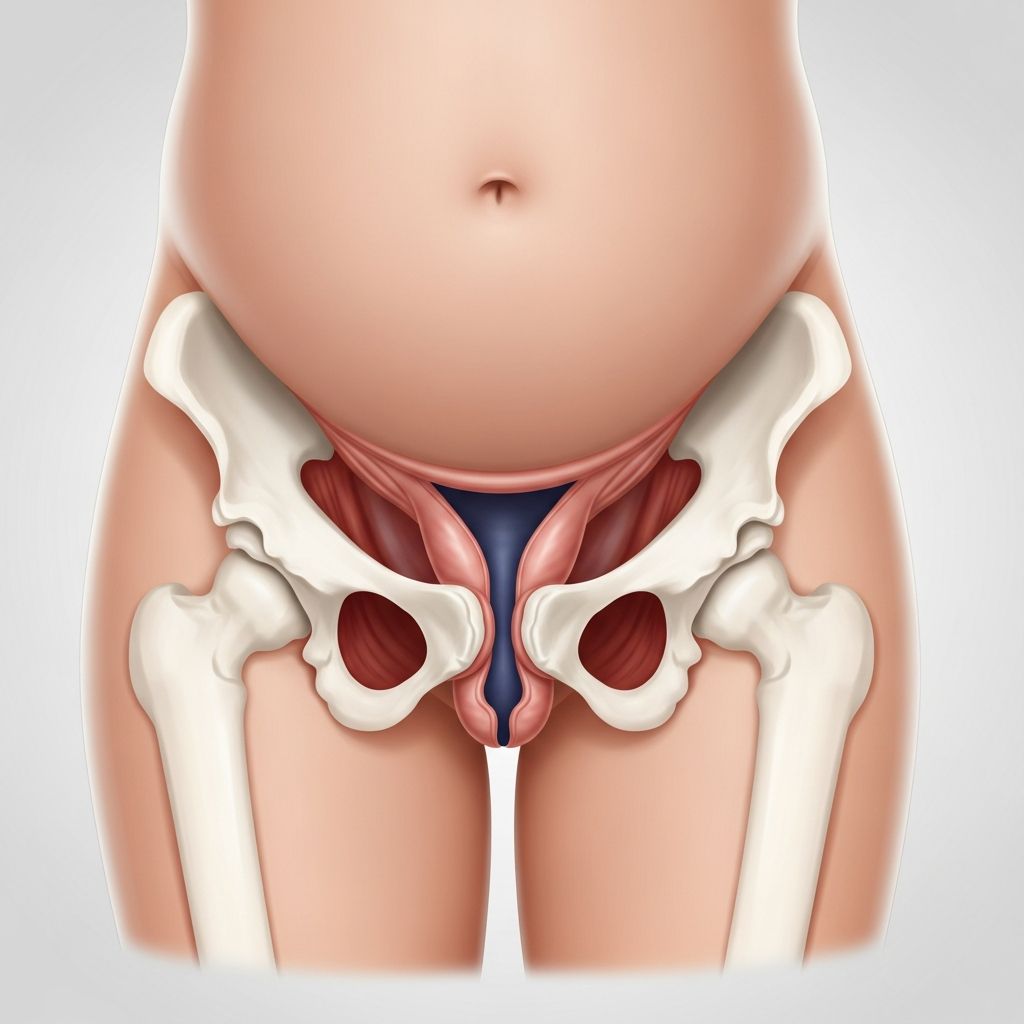
Pregnancy initiates a cascade of physiological adaptations in the female reproductive system, particularly affecting the vagina and vulva. These alterations, driven by surging hormones and heightened blood circulation, prepare the body for labor while influencing daily comfort, hygiene, and intimacy. Understanding these shifts empowers expectant mothers to navigate them confidently.
Physiological Foundations of Change
The vagina and vulva undergo modifications primarily due to elevated estrogen and progesterone levels, alongside a substantial rise in blood volume—up to 50% more than pre-pregnancy baselines. This increased vascularity supports fetal development but manifests visibly and sensorily in the genital area.
Hormonal surges thicken vaginal walls, alter pH balance, and stimulate glandular activity, leading to heightened sensitivity and protective mechanisms against infection. The vaginal microbiome also stabilizes with reduced diversity, enhancing resilience during gestation.
Visible Alterations in Appearance
One of the earliest indicators is a bluish or purplish tint to the vulva, termed Chadwick’s sign. This occurs from around week 6 due to intensified pelvic blood flow and typically fades postpartum.
- Color deepening: Vulvar skin darkens from melanin stimulation by estrogen.
- Swelling (edema): Puffiness arises as fluid retention combines with vascular expansion, often peaking in later trimesters.
- Varicosities: Dilated veins in the vulva, akin to leg varicose veins, affect up to 10-20% of pregnancies; they cause aching but resolve within weeks post-delivery.
To alleviate vulvar varicosities, elevate legs when resting, stay hydrated, limit salt intake, and consider maternity support belts. Persistent pain warrants medical evaluation to rule out complications like thrombosis.
Discharge Dynamics and Hygiene Essentials
Vaginal discharge, or leukorrhea, escalates early in pregnancy as estrogen prompts cervical mucus production. This milky, thin fluid—odorless or mildly scented—shields the birth canal from pathogens.
| Trimester | Discharge Characteristics | Management Tips |
|---|---|---|
| First | Thin, white, increased volume | Use unscented liners; avoid douching |
| Second | Sticky, moderate flow | Opt for cotton underwear; gentle cleansing |
| Third | Watery, abundant | Monitor for rupture signs; panty liners |
Heightened olfactory sensitivity may amplify perceived odors, but foul smells, itching, or green hues signal infections like bacterial vaginosis or yeast overgrowth, prevalent in 10-20% of pregnancies due to pH shifts. Consult providers for safe antifungals.
Sensory and Sexual Shifts
Enhanced pelvic congestion heightens arousal potential, with some reporting intensified orgasms from oxytocin spikes and engorged tissues. Conversely, dryness from progesterone can cause discomfort, remedied by water-based lubricants.
Sexual positioning evolves: Side-lying or woman-on-top reduces pressure on the cervix and bladder. Communicate desires openly, as libido fluctuates—rising mid-pregnancy for many, waning later.
Trimester-Specific Experiences
Early Pregnancy Adjustments
In weeks 1-12, subtle swelling and discharge herald changes. Tingling sensations from blood flow may spark unexpected arousal, while pH alterations invite yeast susceptibility.
Mid-Pregnancy Developments
By the second trimester, varicosities emerge alongside peak sensitivity. Discharge peaks, and vulvar puffiness prompts looser clothing choices for comfort.
Late Pregnancy Challenges
Third-trimester swelling intensifies with uterine pressure, mimicking fullness. The mucus plug may partially expel, appearing as thicker discharge—harmless unless bloody.
Postpartum Recovery Timeline
After vaginal birth, the vulva appears stretched, bruised, and swollen, with labia minora elongated temporarily. Healing spans 6-8 weeks, longer multiparous or older mothers.
- Week 1-2: Lochia (postpartum flow) mixes with residual discharge; ice packs soothe.
- Week 3-6: Tissues contract; resume intercourse cautiously with lubrication.
- Beyond 6 weeks: Full tone restoration; Kegels accelerate perineal strength.
Vaginal infections risk persists postpartum; probiotics and hygiene aid microbiome rebound.
Health Monitoring and Interventions
Normalcy benchmarks: Mild discomfort yes, severe pain or fever no. Track symptoms:
- Increased itching + cottage-cheese discharge = yeast (treatable).
- Fishy odor + thin gray flow = BV (antibiotics safe post-first trimester).
- Burning urination = UTI (common; urine tests confirm).
Perineal massage from 34 weeks reduces tearing risk. Postpartum pelvic floor therapy prevents incontinence.
Frequently Asked Questions
Is blue vulva coloring dangerous?
No, it’s Chadwick’s sign from blood flow; it resolves post-birth.
Can I have sex throughout pregnancy?
Generally yes, unless contraindicated (e.g., placenta previa); use comfortable positions.
How do I manage excessive discharge?
Panty liners, breathable fabrics; see a doctor for abnormalities.
Will my vagina return to pre-pregnancy shape?
Yes, typically within months; exercises aid recovery.
Are vulvar veins permanent?
Rarely; most regress spontaneously.
Empowering Your Pregnancy Journey
These transformations underscore the body’s remarkable adaptability. Routine prenatal visits ensure timely interventions, while self-care fosters well-being. Embrace knowledge to demystify the process, enhancing maternal confidence.
References
- The Importance of Vulva and Vaginal Hygiene – How Your Vulva and Vagina Change During Pregnancy — Medicine Mama. Reviewed 2023. https://medicinemama.com/blogs/vmagic/the-importance-of-vulva-and-vagina-change-during-pregnancy
- 10 Weird Ways Pregnancy Changes the Vagina — Healthline. 2018-07-29. https://www.healthline.com/health/pregnancy/vaginal-changes
- Anatomy of Pregnancy and Birth – Vulva — Pregnancy Birth & Baby. Accessed 2023. https://www.pregnancybirthbaby.org.au/anatomy-of-pregnancy-and-birth-vulva
- Changes During Pregnancy: What’s Normal And What’s Not? — Texas Children’s Hospital. Accessed 2023. https://www.texaschildrens.org/content/wellness/changes-during-pregnancy-whats-normal-and-whats-not
- Vaginal Changes During Early Pregnancy — Breastfeeding Success. Accessed 2023. https://www.bfsuccess.com/vaginal-changes-during-early-pregnancy/
- Vulvovaginal Health — American College of Obstetricians and Gynecologists (ACOG). Accessed 2025. https://www.acog.org/womens-health/faqs/vulvovaginal-health
- A Deep Look at the Vaginal Environment During Pregnancy — National Institutes of Health (PMC). 2022. https://pmc.ncbi.nlm.nih.gov/articles/PMC9152327/