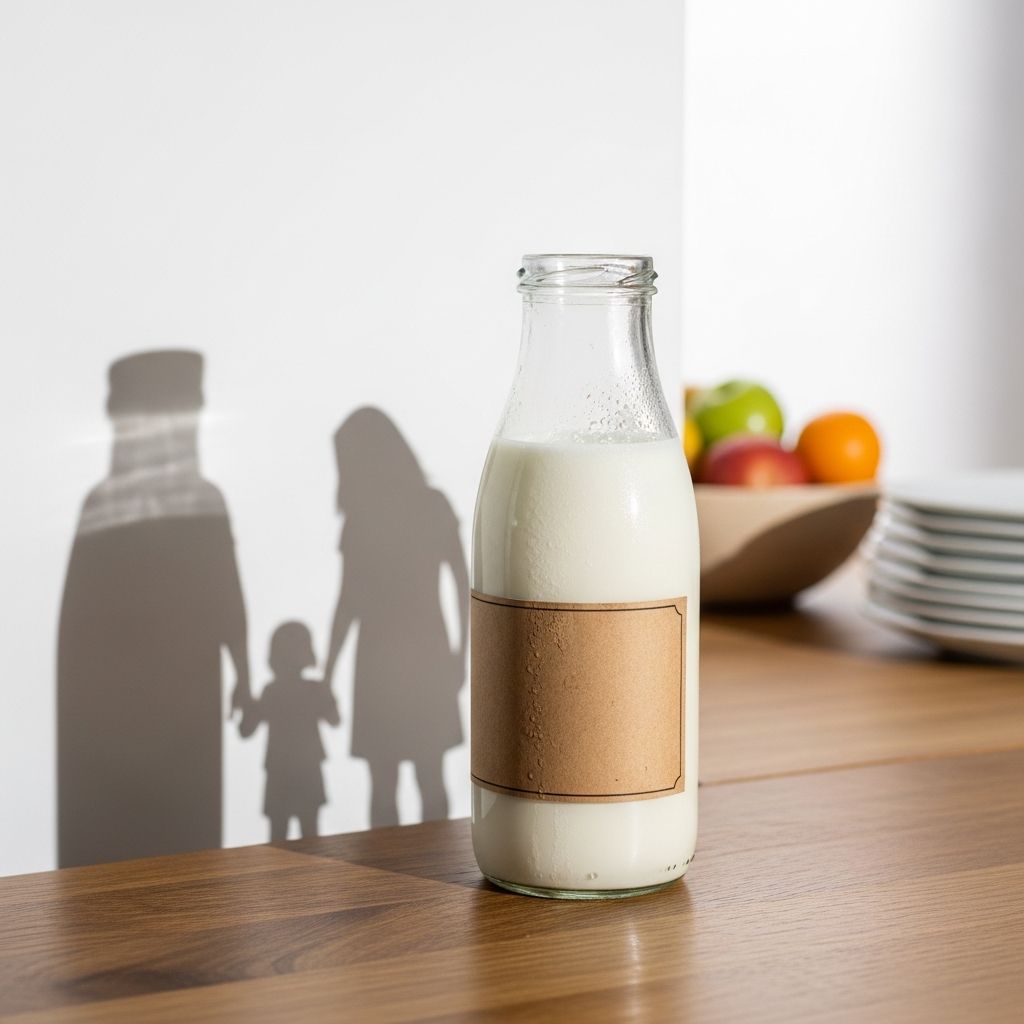
The Growing Debate Over Raw Milk and Family Safety
Over recent years, social media and wellness influencers have promoted raw milk as a superior alternative to pasteurized dairy products, claiming it offers enhanced nutritional value and health benefits. However, medical professionals and public health agencies have grown increasingly concerned about these claims, which contradict scientific evidence and decades of food safety research. The promotion of unpasteurized milk represents a significant public health concern, particularly for families with young children, elderly members, and immunocompromised individuals.
The resurgence of raw milk consumption coincides with broader trends questioning modern food processing methods. While understanding consumer preferences for minimally processed foods is important, the specific risks posed by unpasteurized milk warrant careful examination. Recent outbreaks across multiple states have reinforced warnings from medical authorities about the genuine dangers associated with consuming milk that has not undergone pasteurization.
What Exactly Is Raw Milk and How Does Pasteurization Work
Raw milk refers to milk obtained from cows, goats, sheep, or other animals that has not been subjected to heat treatment designed to eliminate harmful microorganisms. Pasteurization, the alternative process developed over a century ago, heats milk to specific temperatures for defined periods, effectively killing bacteria and viruses that could cause serious illness.
The pasteurization process does not significantly alter milk’s nutritional composition. Both raw and pasteurized milk contain equivalent amounts of essential nutrients including calcium, vitamin D, and protein. The key difference lies not in nutritional value but in safety. While pasteurization eliminates dangerous pathogens, it preserves the beneficial nutrients families rely on for healthy development and maintenance.
Contrary to popular claims among raw milk advocates, pasteurization does not cause lactose intolerance or allergic reactions. Both raw and pasteurized milk can trigger allergic responses in individuals sensitive to milk proteins, making this a characteristic of the milk itself rather than the processing method.
The Bacterial and Viral Threats Present in Unpasteurized Milk
Raw milk can harbor numerous dangerous pathogens capable of causing serious foodborne illness. The primary microorganisms of concern include:
- Salmonella: Causes severe gastrointestinal infection with symptoms including diarrhea, fever, and abdominal cramping
- Escherichia coli (E. coli): Particularly the dangerous strain O157:H7, which produces Shiga toxin and can lead to hemorrhagic colitis
- Listeria monocytogenes: Poses exceptional danger to pregnant women, potentially causing miscarriage or severe newborn illness
- Campylobacter: Causes bloody diarrhea, fever, and stomach cramps, with potential for severe complications like reactive arthritis and Guillain-Barré syndrome
- Brucella: Can cause undulating fever, joint pain, and chronic complications
- Cryptosporidium: Produces severe diarrhea, particularly dangerous for immunocompromised individuals
The contamination of raw milk occurs at multiple points throughout production, from milking through handling and storage. Even when animals appear healthy, they can carry and shed these dangerous pathogens into their milk. Furthermore, bacteria present in raw milk multiply rapidly under conditions that may seem safe, creating an escalating risk over time.
Recent Outbreaks Demonstrate Ongoing Risks
Public health agencies have documented alarming trends in raw milk-related illness. Between 1998 and 2018, the Centers for Disease Control and Prevention identified 202 outbreaks associated with raw milk consumption, resulting in 2,645 documented illnesses and 228 hospitalizations. A 2017 research study revealed that unpasteurized dairy products caused approximately 840 times more illnesses and 45 times more hospitalizations compared to pasteurized products.
More recent outbreaks highlight that these risks remain contemporary concerns. In Illinois, at least eleven people became ill from consuming raw milk linked to a single source, with the outbreak caused by Campylobacter infection. Idaho reported at least 23 cases of Campylobacter and three cases of Shiga toxin-producing E. coli infections since August 2025, connected to raw milk consumption, including six children under age twelve.
These events underscore that negative test results cannot guarantee safety across multiple batches of milk. Testing may show no pathogens at one moment, yet contamination can develop rapidly, and subsequent batches from the same source can harbor dangerous bacteria.
Who Faces the Greatest Vulnerability to Raw Milk Complications
While anyone can become ill from pathogens in raw milk, certain populations face disproportionate risk of severe outcomes:
| Vulnerable Population | Specific Risks |
|---|---|
| Children under five years old | Developing immune systems cannot effectively combat serious pathogens; greater risk of severe dehydration and complications |
| Pregnant women | Listeria exposure can cause miscarriage, stillbirth, or severe newborn infections even without maternal symptoms |
| Adults over sixty-five years old | Age-related immune decline increases susceptibility to severe infections and complications |
| Immunocompromised individuals | People with HIV/AIDS, cancer, diabetes, or transplant recipients face heightened risk of serious infections and complications |
| Individuals with chronic conditions | Underlying health conditions can worsen outcomes from foodborne illness |
For pregnant women specifically, the risk from Listeria represents a unique concern. This bacterium commonly contaminates raw milk and can cross the placental barrier, potentially causing miscarriage, fetal death, or serious illness in newborns. Pregnant individuals may not experience noticeable symptoms while their unborn children face grave danger from even small quantities of contaminated raw milk.
Complications That Extend Beyond Initial Infection
While many individuals recover from acute foodborne illness within several days, some infections progress to serious long-term complications. Infections from raw milk pathogens have been linked to:
- Reactive arthritis and chronic joint pain
- Guillain-Barré syndrome, a neurological condition causing paralysis
- Irritable bowel syndrome with persistent digestive symptoms
- Organ damage affecting kidneys and other vital systems
- Blood infections and sepsis
- Death in severe cases
The unpredictability of outcomes makes raw milk consumption particularly risky. Some individuals experience mild symptoms, while others in similar circumstances face life-threatening complications. This variability cannot be predicted in advance, meaning every consumption of unpasteurized milk carries an unknown risk level.
Examining Claims About Beneficial Bacteria in Raw Milk
Advocates for raw milk frequently claim that unpasteurized milk contains beneficial bacteria promoting gastrointestinal health. This assertion does not align with microbiological evidence. The bacteria naturally present in raw milk are not probiotics and do not provide the health-promoting functions that characterize documented probiotic organisms. Instead, the microorganisms in raw milk are typically environmental contaminants or pathogens that pose health risks rather than benefits.
If individuals seek probiotic benefits for digestive health, numerous safer alternatives exist, including fermented yogurt, kefir, and other specially formulated probiotic products that have been properly processed and tested for safety. These options provide documented health benefits without the contamination risks inherent to unpasteurized milk.
The Safety Profile of Pasteurized Milk as the Practical Alternative
Pasteurized milk represents the optimal choice for families prioritizing safety without sacrificing nutrition. The pasteurization process eliminates harmful bacteria and viruses while preserving all essential nutrients including calcium, vitamin D, and protein that families need. Medical organizations including the American Academy of Pediatrics emphasize that pasteurized milk provides complete nutritional benefits while eliminating unnecessary health risks.
Food safety regulations requiring pasteurization exist based on over a century of scientific research and public health experience. These standards were developed not through arbitrary preference but through rigorous investigation of foodborne illness patterns and understanding of how heat treatment prevents disease transmission.
For families with members in vulnerable populations—young children, pregnant women, elderly relatives, or immunocompromised individuals—the choice becomes even clearer. Pasteurized milk offers complete protection from the documented risks while maintaining all nutritional value.
What Parents and Caregivers Should Know About Raw Milk Products
Milk marketed specifically for pet and animal consumption is similarly unsafe for human consumption. These products lack the same safety oversight and should never be consumed by people, regardless of processing claims or source reputation.
When shopping for dairy products, families should verify pasteurization status on all items including:
- Milk (fluid milk from any source)
- Cheese, particularly soft varieties like queso fresco
- Yogurt and yogurt products
- Ice cream and frozen dairy products
- Cream and cream-based products
Even products labeled as “artisanal” or “locally sourced” must be pasteurized to ensure safety. Local production does not reduce bacterial contamination risk; only proper heat treatment eliminates dangerous pathogens.
Recognizing Symptoms of Raw Milk-Related Illness
Individuals who consume raw milk and begin experiencing symptoms should seek medical attention promptly. Common signs of foodborne illness from unpasteurized milk include:
- Diarrhea (which may be bloody)
- Fever and chills
- Severe abdominal cramping and pain
- Nausea and vomiting
- Body aches and fatigue
Pregnant individuals who suspect consumption of contaminated raw milk should contact healthcare providers immediately, even without symptoms, as Listeria can harm the fetus without causing maternal illness. Healthcare professionals can recommend testing and preventive measures to protect both mother and baby.
Frequently Asked Questions About Raw Milk Safety
Does raw milk contain more nutrients than pasteurized milk?
No. Both raw and pasteurized milk contain equivalent amounts of calcium, vitamin D, protein, and other essential nutrients. Pasteurization preserves nutritional value while eliminating dangerous pathogens.
Can testing raw milk guarantee it is safe to drink?
No. Negative test results cannot guarantee that raw milk is free from harmful bacteria across multiple batches. Contamination can develop after testing, and subsequent batches from the same source may harbor dangerous pathogens.
Does pasteurization cause lactose intolerance?
No. Pasteurization does not cause lactose intolerance or allergic reactions. Both raw and pasteurized milk can trigger allergic responses in individuals sensitive to milk proteins.
Are homemade safety practices sufficient to make raw milk safe?
No. Even when following good safety practices, the risks of raw milk cannot be eliminated. Healthy animals can carry germs that contaminate milk, and bacteria multiply rapidly in milk regardless of handling practices.
Why are children and pregnant women at higher risk?
Young children have developing immune systems less capable of fighting serious infections. Pregnant women face unique risks from Listeria, which can cause miscarriage or severe newborn illness even without maternal symptoms.
What should I do if I consumed raw milk and feel ill?
Contact a healthcare provider immediately, especially if experiencing diarrhea, fever, or severe abdominal pain. Pregnant individuals should seek medical attention even without symptoms if they suspect consuming contaminated raw milk.
References
- Fact Checked: The Dangers of Drinking Raw Milk — American Academy of Pediatrics. 2025-04-04. https://www.aap.org/en/news-room/fact-checked/fact-checked-the-dangers-of-drinking-raw-milk/
- Unpasteurized Milk Can Pose a Serious Health Risk — U.S. Food and Drug Administration. https://www.fda.gov/food/buy-store-serve-safe-food/dangers-raw-milk-unpasteurized-milk-can-pose-serious-health-risk
- IDPH Issues Reminder About Potential Hazards of Consuming Raw Milk — Illinois Department of Public Health. 2025-11-07. https://dph.illinois.gov/resource-center/news/2025/november/release-20251107.html
- Raw Milk 101: Benefits, Risks, and What to Consider — Brown University Health. https://www.brownhealth.org/be-well/raw-milk-101-benefits-risks-and-what-consider
- Raw Milk — Food Safety — Centers for Disease Control and Prevention. https://www.cdc.gov/food-safety/foods/raw-milk.html
- Idaho Sees Recent Increase in Reported Illnesses Associated with Raw Milk — Idaho Department of Health and Welfare. 2025. https://healthandwelfare.idaho.gov/news/idaho-sees-recent-increase-reported-illnesses-associated-raw-milk
- Raw Milk and Raw Dairy Products — California Department of Public Health. https://www.cdph.ca.gov/Programs/CID/DCDC/Pages/RawMilkandRawDairyProducts.aspx
- Health Benefits, Risks, and Regulations of Raw and Pasteurized Milks — Ohio State University Dairy. https://dairy.osu.edu/newsletter/buckeye-dairy-news/volume-7-issue-4/health-benefits-risks-and-regulations-raw-and