A new baseball glove straight from the store feels rigid and unyielding, especially for young players whose hands are still growing. Breaking it in correctly creates a custom fit that boosts confidence and catching ability during games and practices. This process softens the leather, forms a deep pocket, and ensures flexibility without damaging the material. For parents supporting little league stars, understanding these steps makes all the difference in equipment readiness.
Why Breaking In Matters for Young Players
Youth gloves, often made from softer leathers to accommodate smaller hands, still require conditioning to perform at their best. A properly broken-in glove molds to the child’s unique grip, reducing blisters and improving control. Skipping this can lead to stiff hinges that hinder quick snaps, frustrating beginners. The goal is a glove that feels like an extension of the hand, allowing focus on the game rather than the gear.
Leather in baseball gloves is thick and treated for durability, but new models have tight fibers that resist bending. Over time, repetitive use stretches these fibers, creating natural creases near the thumb, pinky, and heel. For kids, this personalization prevents the glove from feeling oversized or awkward during pivotal moments like pop flies or grounders.
Selecting the Perfect Glove for Your Child
Before breaking in, choose wisely. Measure hand size from wrist to longest finger—typically 11 to 12 inches for ages 8-12 yields an 11.5-inch glove. Opt for flexible kip leather over stiff steerhide for easier molding. Position matters: infielders need shallower pockets, outfielders deeper ones. Brands like Rawlings and Wilson offer youth-specific lines with pre-oiled palms to jumpstart the process.
- Size Guide: Ages 5-7: 10.5-11 inches; Ages 8-12: 11.5-12 inches; Teens: 12.5 inches.
- Web Types: Basket for versatility, trapeze for outfield security.
- Fit Check: Fingers shouldn’t touch the end; palm should cup naturally.
Fundamental Techniques for Initial Softening
Start with mechanical work to loosen stiff areas. Focus on the two hinges at the glove’s heel—these must flex for closure. Bend the thumb and pinky toward each other repeatedly, then away, working the leather like dough. Squeeze the palm liner and pull the web gently to stretch it. Repeat 6-8 times daily until flexibility emerges.
Use your hands first: Insert one hand inside and pound the pocket with the other fist. This simulates catches without external tools. For added leverage, employ a glove mallet—a bat-handled tool with a ball-shaped head. Strike the pocket firmly 20-30 times, forming a valley for ball retention. Kids love this rhythmic task, turning prep into playtime.
| Method | Tools Needed | Time Estimate | Best For |
|---|---|---|---|
| Hand Bending | None | 10-15 mins/day | Daily maintenance |
| Mallet Pounding | Glove mallet | 5-10 mins/session | Pocket shaping |
| Fist Pounding | None | 5 mins/session | Quick softening |
Harnessing Moisture and Conditioners Safely
Warm water accelerates softening when used sparingly. Fill a cup with hot (not boiling) water and splash it into the pocket, hinges, and fingers—avoid soaking to prevent drying cracks. Immediately flex and pound while damp, letting it air dry overnight. This method, endorsed by pros, loosens fibers without chemicals.
Glove oils and balms provide lubrication. Apply sparingly—a dime-sized amount rubbed into hinges and pocket with a cloth. Brands like Rawlings Glovolium or mink oil penetrate deeply, restoring suppleness. Wipe excess to avoid stickiness. For youth gloves, lighter conditioners prevent heaviness. Alternate with playing to distribute evenly.
Shaping the Iconic Pocket
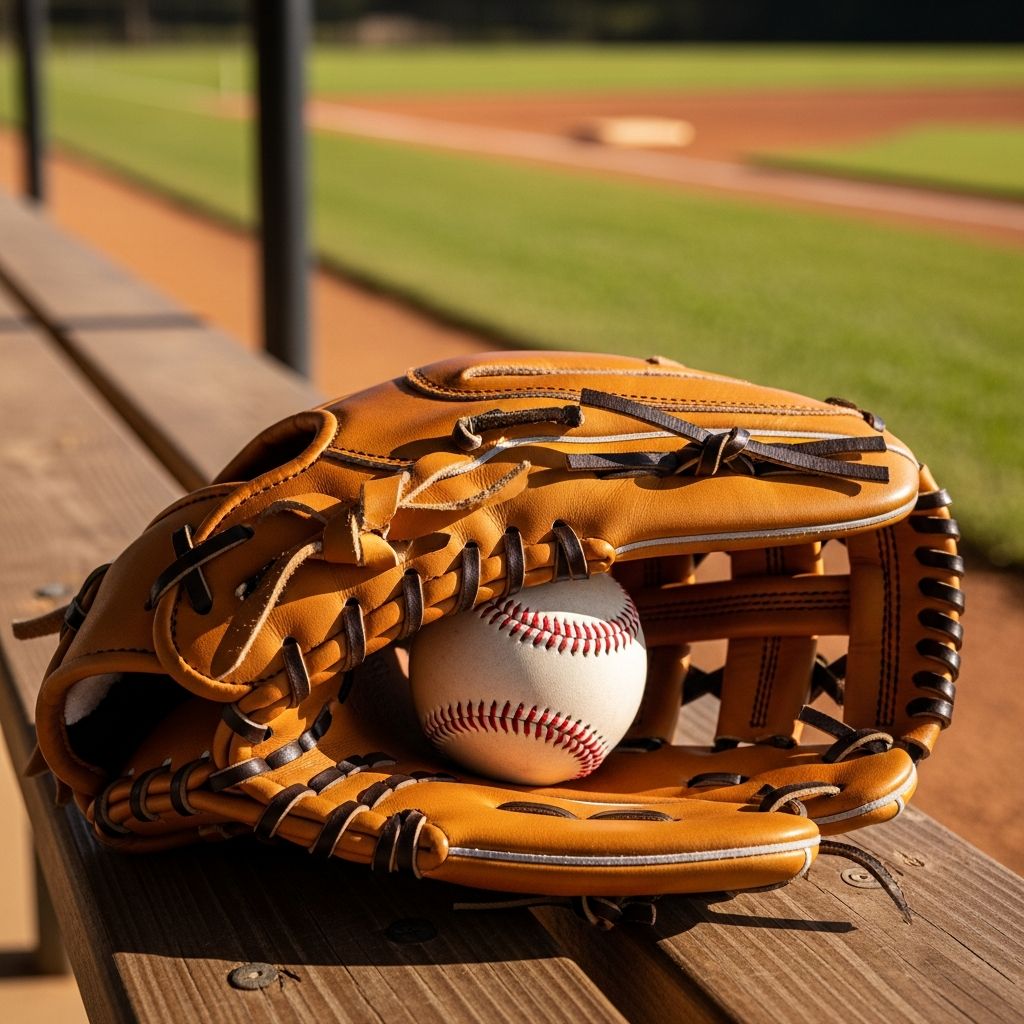
The pocket is the glove’s heart, cradling balls securely. Place a baseball (or softball for that position) in the center. Close the glove fully, thumb meeting pinky, and secure with rubber bands in an “X” pattern—snug but not constricting. Leave for 4-6 hours, then remove the ball and pound again. This sets a deep, wrinkle-free depression.
For a flared opening, lightly bend thumb and pinky outward during early sessions. Hand catch reinforces this: Toss a ball into the pocket repeatedly, snapping shut in your preferred style—deep for outfield, shallow for infield. This customizes the shape progressively.
The Ultimate Break-In: Playing Catch
No method rivals actual use. Play catch daily—30 minutes minimum. Each impact softens leather, oils from hands nourish it, and movements create perfect creases. Start close (10 feet), progress to full distance. Involve siblings or parents for bonding. Wall bounces work indoors during off-seasons.
For cold weather, combine with mallet work indoors. Track progress: The glove should close effortlessly by week two with consistent effort. This natural approach ensures longevity, outperforming shortcuts that risk uneven wear.
Advanced Tips and Common Mistakes to Avoid
Steer clear of over-oiling, which attracts dirt and stiffens over time. Don’t wrap without a ball—it flattens the pocket unnaturally. For left-handed throwers, mirror techniques accordingly. Store open in a cool, dry place post-session to maintain shape.
- Pro Tip: Rotate two gloves if possible, using one per practice.
- Winter Hack: Indoor mallet sessions with conditioner.
- Maintenance: Re-condition monthly during season.
Monitor for wear: Replace laces if fraying. Youth gloves last 1-2 seasons with care.
Frequently Asked Questions
How long does it take to break in a kid’s glove?
Typically 1-4 weeks with daily catch and conditioning. Patience yields the best fit.
Can I use baby oil or lotion?
No—stick to baseball-specific products. Household items lack proper absorption and degrade leather.
What’s the best glove oil for beginners?
Rawlings Glovolium or Wilson A2000 dressing for balanced softening without residue.
Should I break in a glove before sizing?
Test fit first; minor adjustments post-break-in are normal as it molds.
How to fix a too-deep pocket?
Pound edges outward during catch; avoid over-wrapping.
Long-Term Care for Lasting Performance
Post-break-in, clean with saddle soap quarterly. Avoid extreme heat or rain exposure. A well-maintained glove supports skill growth through multiple seasons, becoming a treasured keepsake. Celebrate milestones like first game catches to build excitement.
Investing time upfront pays dividends in your child’s love for baseball. With these steps, that stiff mitt transforms into a reliable partner on the diamond.
References
- How to Break in a Baseball or Softball Glove — DICK’S Sporting Goods. 2023-01-15. https://www.dickssportinggoods.com/protips/sports-and-activities/softball/how-to-break-in-a-baseball-glove
- How To Break-In Your Baseball or Softball Glove — JustBallGloves. 2024-05-20. https://www.justballgloves.com/blog/post/how-to-break-in-your-glove/
- How to Break in a Baseball Glove (The Right Way) — The Hitting Vault. 2023-11-10. https://thehittingvault.com/how-to-break-in-a-baseball-glove/
- How to Break In Your Glove the Rawlings Way — Easton Rawlings. 2024-02-28. https://easton.rawlings.com/how-to-break-in-your-glove.html
- Complete Guide to Breaking in A Baseball Glove — YouTube (Various Experts). 2022-07-12. https://www.youtube.com/watch?v=gCkmGFrv6Uo
- How to Break In A Glove According to Rawlings — YouTube (Rawlings Engineer). 2023-03-05. https://www.youtube.com/watch?v=_uF4KiJOt4U