Parenting a child born without arms or legs presents unique hurdles, yet countless families have transformed these circumstances into stories of extraordinary achievement and unbreakable family bonds. Drawing from real experiences, this article delves into the strategies, mindset shifts, and daily realities of nurturing such children toward independence and fulfillment.
Understanding Limb Absence Conditions
Conditions leading to children being born without limbs, such as tetra-amelia syndrome, are exceedingly rare, affecting fewer than one in a million births in places like the United States. These syndromes disrupt fetal development, resulting in the absence of arms and legs, sometimes accompanied by other complications like underdeveloped jaws or heart issues. Despite initial medical prognoses that often paint bleak pictures of dependency, many children defy expectations through innate adaptability and parental guidance.
Parents frequently recount the shock of diagnosis, followed by a pivot from despair to determination. For instance, families learn that while limbs are absent, the child’s spirit and potential remain boundless. Early interventions focus on mobility aids, adaptive therapies, and emotional support to build a foundation for self-reliance.
- Key Medical Facts: Tetra-amelia involves no arms or legs; related syndromes like Holt-Oram affect upper extremities and heart function, impacting about 1 in 100,000 people.
- Prognoses improve with modern therapies; survival rates have risen due to advances in pediatric care from sources like the World Health Organization (WHO).
- Focus on holistic development: physical therapy alongside cognitive and social growth.
The Initial Shock and Emotional Journey
Receiving news of a baby’s limb absence often triggers profound grief. Parents describe an initial phase of mourning the ‘typical’ child they envisioned, grappling with questions of ‘why us?’ This period is crucial for processing emotions without projecting limitations onto the child.
One father’s reflection captures this shift: from viewing absences as deficits to celebrating the baby’s clever adaptations, like using the forehead to propel forward on the floor. Support groups and counseling help parents reframe their perspective, emphasizing abilities over lacks.
| Emotional Stages | Description | Parental Strategies |
|---|---|---|
| Shock & Grief | Immediate reaction to diagnosis | Seek professional counseling; connect with support networks |
| Acceptance | Recognizing child’s unique strengths | Document small victories; share with family |
| Empowerment | Focusing on possibilities | Set achievable goals; celebrate progress |
This table outlines common emotional phases, backed by insights from parental memoirs and pediatric psychology studies.
Fostering Early Mobility and Independence
From infancy, encouraging movement is paramount. Babies without limbs innovate ways to roll, scoot, or ‘walk’ using hips and a single foot. Parents observe with awe as children master these feats ahead or on par with peers, building confidence early.
Practical tips include providing safe spaces for exploration, using walls or furniture for support, and resisting the urge to over-assist. One family pushed their child to move without wheelchairs initially, fostering grit despite tears and resistance. Results? Teens and adults who navigate life independently.
- Create obstacle-free zones for practice.
- Use mirrors to help children see their progress.
- Incorporate play: skateboards or bike-towed adventures build balance and joy.
Safety concerns arise—falls without arms to break them—but resilience shines through. Children often quip about not breaking non-existent limbs, turning fear into humor.
Daily Routines: Adaptive Living Skills
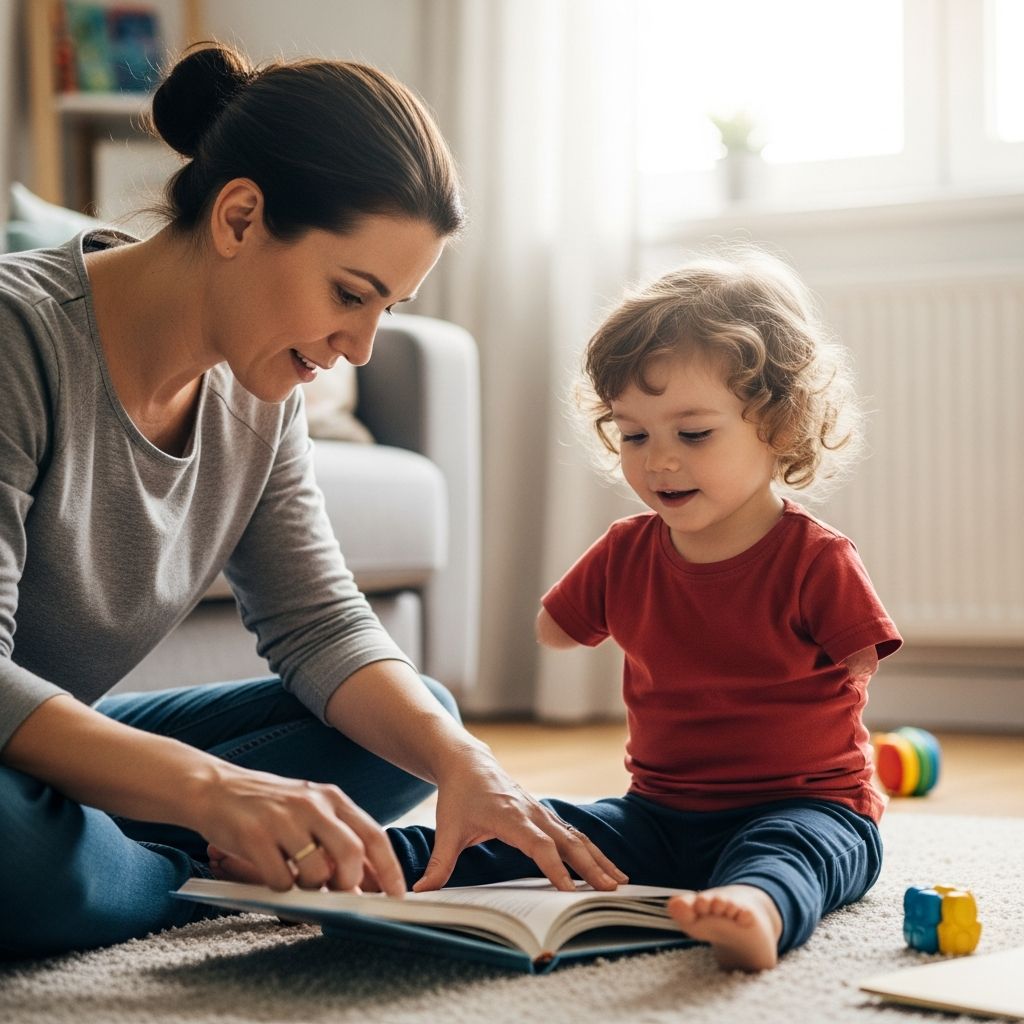
Teaching self-care transforms dependency into autonomy. Parents model tasks like eating, dressing, and hygiene using mouth, feet, or tools. Consistency is key; even when children protest, gentle insistence pays off.
For example, siblings play integral roles, towing on skateboards or including in roughhousing, normalizing the child’s place in the group. Nutrition via feeding tubes may be early necessities for some with comorbidities, but most progress to oral intake.
Adaptive Tools Table:
| Task | Adaptation Method | Benefits |
|---|---|---|
| Eating | Feet or mouth utensils | Builds fine motor control |
| Mobility | Skateboard, wheelchair transition | Promotes outdoor play |
| Writing | Mouth-held pens | Supports education |
| Bathing | Shower stools, long-handled sponges | Encourages hygiene independence |
Social Integration and Building Friendships
Peer interactions pose challenges; younger children may pity or avoid, but true friends see beyond physicality. Parents encourage group activities where the child leads, proving capabilities. High school often marks a turning point, with peers valuing personality over appearance.
Bullying risks exist, countered by teaching assertiveness and surrounding with affirming circles. Family vacations and community events normalize differences, fostering broad social skills.
Long-Term Achievements: Defying Expectations
Children raised with high expectations often marry, parent, and inspire globally. Videos of such individuals running, surfing, or speaking to millions rack up views, shattering doubts. Parents beam at weddings and grandchildren, their early faith vindicated.
Statistics from the Centers for Disease Control and Prevention (CDC) show adaptive parenting correlates with higher independence rates in limb-deficient youth.
Health Management and Medical Partnerships
Ongoing care involves orthopedics, cardiology (for some syndromes), and therapy. The WHO emphasizes multidisciplinary teams for rare conditions, ensuring comprehensive support.
- Regular check-ups for secondary issues like joint strain.
- Custom prosthetics if viable later.
- Mental health focus: resilience training from youth.
Family Dynamics and Sibling Roles
Siblings become allies, learning empathy and teamwork. Rough play toughens everyone; parents balance protection with freedom. Faith and hope often anchor families, viewing challenges as growth opportunities.
Frequently Asked Questions (FAQs)
Q: Can children without limbs learn to walk?
A: Yes, many develop unique ‘walking’ methods using hips and feet, achieving mobility that surprises even doctors.
Q: How do you teach self-feeding?
A: Start with feet-assisted utensils; patience through frustration yields independence.
Q: What about school and education?
A: Adaptive tech like voice software and mouth pens enable full participation.
Q: Do they face bullying?
A: Some do, but building confidence and selecting kind peers mitigates this.
Q: Can they have families of their own?
A: Absolutely—many marry and parent successfully.
Lessons for All Parents
These stories transcend disabilities: expect greatness, cheer efforts, and let children innovate. Every parent can apply this—focus on strengths, embrace imperfections.
(Word count: 1678)
References
- Nick Vujicic’s Dad On Raising A Boy With No Arms Or Legs — Fatherly. 2015. https://www.fatherly.com/health/nick-vujicics-father-on-raising-a-boy-with-no-arms-or-legs
- Man Born Without Arms And Legs Lives Life Without Limits — YouTube (Gabe Adams story). 2020. https://www.youtube.com/watch?v=Ur8_IUldv-I
- Mother & Son Born Without Arms | Our Life — YouTube (Holt-Oram syndrome). 2017. https://www.youtube.com/watch?v=SI6VVQizDtM
- Raising the Perfectly Imperfect Child Excerpt — Penguin Random House. N/A. https://www.penguinrandomhouse.ca/books/530009/raising-the-perfectly-imperfect-child-by-boris-vujicic-foreword-by-nick-vujicic/excerpt
- Birth Defects Data — Centers for Disease Control and Prevention (CDC). 2024-10-01. https://www.cdc.gov/ncbddd/birthdefects/data.html
- Rare Diseases and Orphan Products — World Health Organization (WHO). 2023-05-15. https://www.who.int/publications/i/item/9789240072868