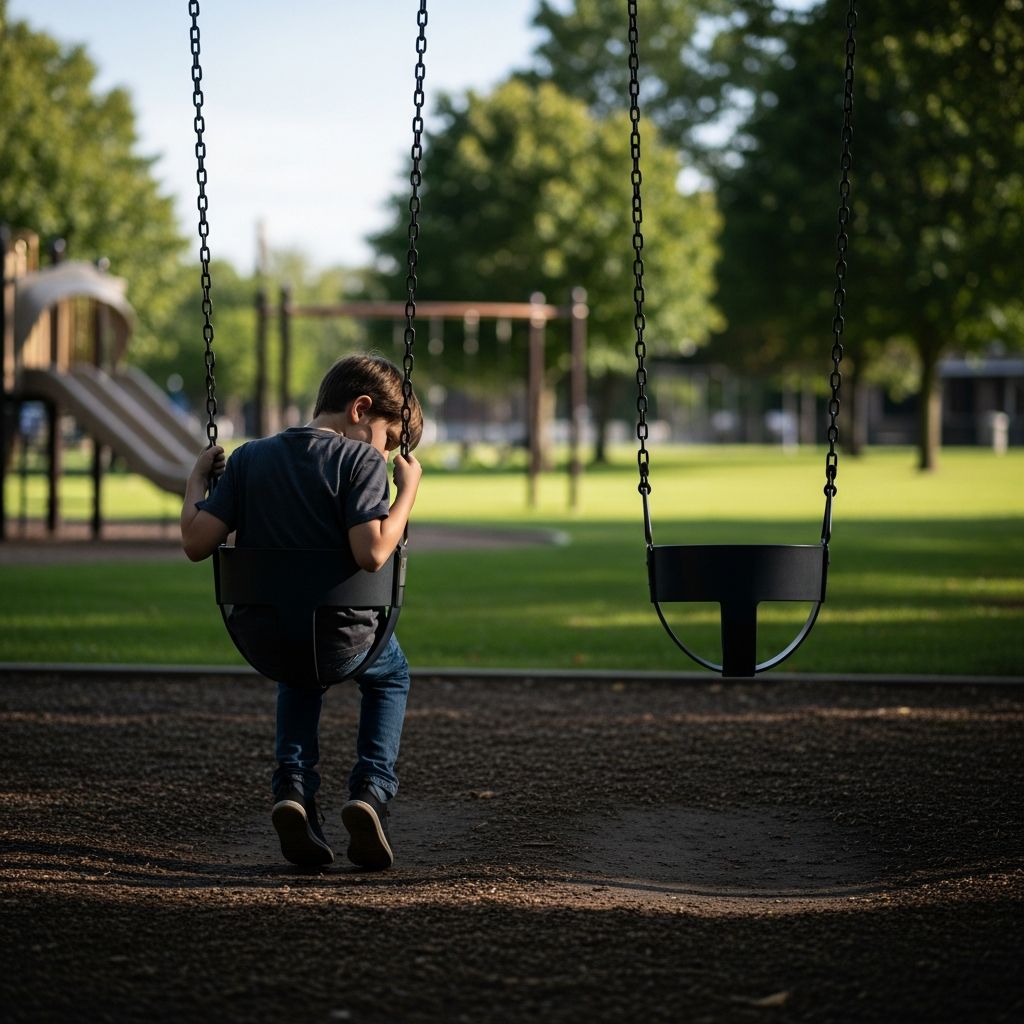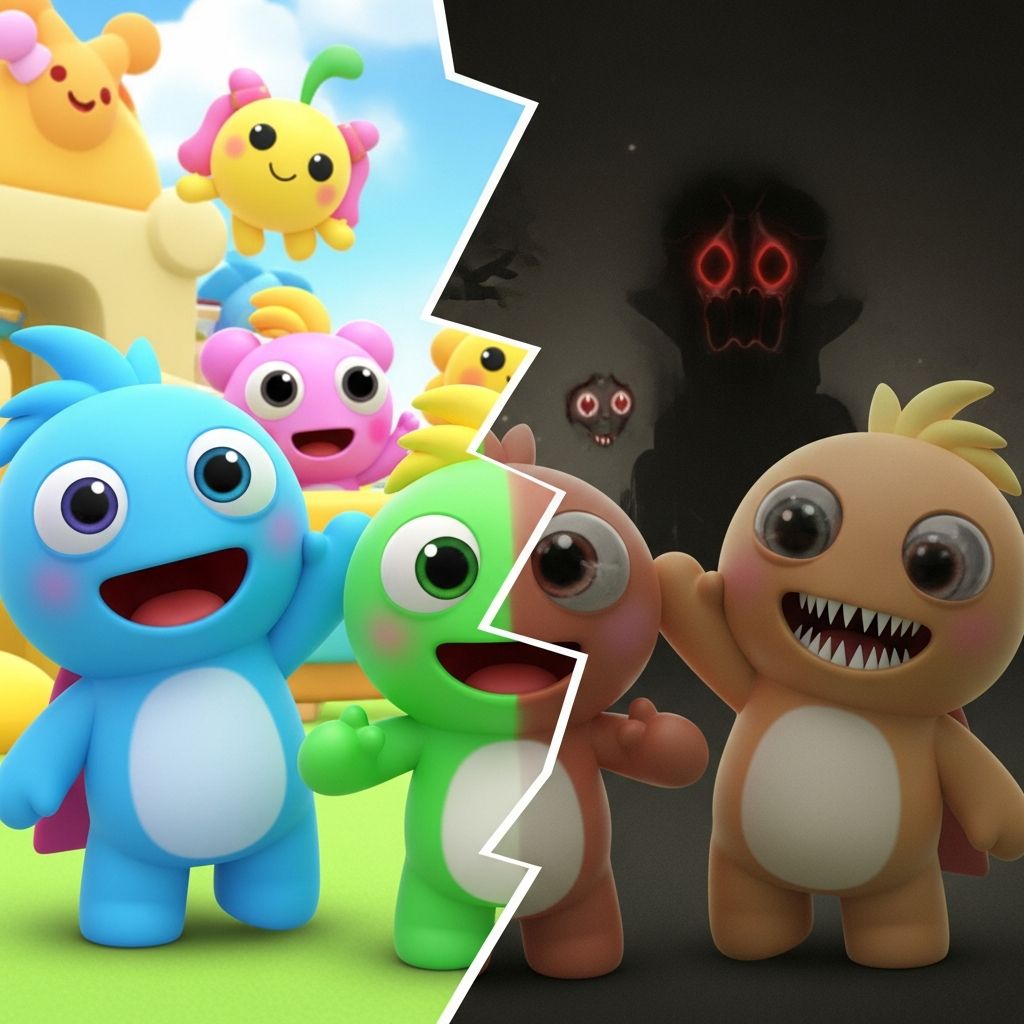
“Rainbow Friends” has quickly become one of those viral kids’ trends that many parents hear about only after their children are already watching or playing it. Some families shrug it off as harmless fun, while others report that their kids are suddenly afraid to sleep alone after interacting with this content.[web:3] This split reaction has turned Rainbow Friends into a minor parenting controversy and a reminder of how different families approach screen time and online scares.[web:3]
What Is Rainbow Friends?
Rainbow Friends is a horror-themed game experience involving colorful yet creepy characters that look playful at first glance but are designed to create suspense, jump scares, and tension for players.[web:5] Many children encounter it through gaming platforms and streaming or short-form video apps where clips and reactions spread quickly.[web:3] The contrast between friendly colors and unsettling situations is part of what makes the game so memorable for kids.
- Features cartoonish monster characters that chase or threaten the player.[web:5]
- Uses dark settings, spooky music, and surprise moments to create fear.[web:5]
- Often appears in reaction videos and compilations that younger viewers may click on without parents realizing it.[web:3]
Why Are Some Parents Worried?
Concerns have grown because some children report feeling genuinely frightened after seeing Rainbow Friends, with a few refusing to sleep alone or showing new bedtime anxieties.[web:3] For parents who discover the game only after these emotional reactions, it can feel like they missed something important in their child’s digital environment.[web:3]
- Parents describe kids being scared of the characters appearing in their rooms at night.
- Some children start avoiding dark rooms or insist on extra lights or company at bedtime.[web:3]
- Caregivers worry that the content is too intense for younger or more sensitive kids, even if older children find it entertaining.[web:3]
Why Do Other Parents Think It Is “No Big Deal”?
Not all parents see Rainbow Friends as a problem. Some compare it to the mild scares of older cartoons or classic children’s ghost stories and believe that a little fear, in a controlled setting, can be thrilling rather than harmful.[web:3] They may see the game as just another piece of exaggerated online horror content that kids talk about for a while and later outgrow.[web:5]
- Many children actively seek out spooky stories and games as part of normal curiosity about fear.
- Some kids laugh through the jump scares and treat it like a shared joke among friends.[web:5]
- Families with looser screen-time rules often trust children to self-regulate or to tell them if something is too scary.[web:3]
Different Families, Different Screen Time Rules
The controversy highlights how differently families think about screen time and what counts as appropriate content. Some parents use strict age ratings and bans on horror content, while others focus more on watching together and talking about what kids see.[web:3] These differences can lead to disagreements among adults, especially when one parent issues a public warning and others feel that it is an overreaction.[web:3]
- One parent might forbid scary games entirely, while another allows them with supervision.
- Caregivers may feel judged by others for being too strict or too relaxed.[web:3]
- Mixed reactions often show up in comment sections and social media replies when warnings are posted.[web:3]
How Rainbow Friends Can Affect Children
Horror-style content like Rainbow Friends can have very different effects depending on a child’s age, temperament, and previous exposure to scares. Some children simply enjoy the thrill and then move on with no issues, while others experience lingering anxiety, nightmares, or difficulty separating fantasy from reality.[web:3] Paying attention to individual reactions is more important than assuming a universal rule.[web:3]
- Short-term reactions: jumpiness, clinginess, trouble falling asleep, or asking repeated questions about the characters.[web:3]
- Longer-term reactions: ongoing fears at night, avoidance of certain rooms, or new worries about monsters or intruders.
- Neutral or positive reactions: some kids enjoy analyzing the story, drawing the characters, or turning their fear into creative play.[web:5]
Age Appropriateness and Sensitive Kids
Even if a game or video is technically allowed on a platform, that does not mean it is emotionally suitable for every child at every age. Horror-inspired content tends to hit younger children harder, especially those who are naturally anxious or highly imaginative.[web:3] Parents often discover this only after they see how their own child responds.
- Preschoolers and younger grade-schoolers may struggle to understand that the monsters are fictional characters.[web:3]
- Older kids and tweens are more likely to recognize the game as a performance or challenge to “be brave.”[web:5]
- Sensitive children of any age may internalize the fear more than peers, even when everyone watches the same content.[web:3]
Sample Table: Possible Child Reactions to Rainbow Friends
| Child profile | Typical reaction | Helpful parent response |
|---|---|---|
| Young and sensitive | Nightmares, reluctance to sleep alone, extra clinginess.[web:3] | Turn off the content, offer comfort, and calmly explain that characters are pretend. |
| Older and thrill-seeking | Laughing at scares, rewatching with friends, making jokes about the monsters.[web:5] | Set limits on when and how long they can watch or play, and remind them to respect others’ fears. |
| Curious but unsure | Watches but covers eyes, asks many questions, seems torn between fear and excitement.[web:3] | Watch together, pause to talk, and give them permission to stop if it feels like too much. |
Signs Your Child Is Too Scared
The key signal that Rainbow Friends or similar content is too intense is not the game itself, but how your child behaves afterward. Behavioral and emotional changes tell you more than age guidelines or online debates.[web:3]
- New bedtime struggles or refusal to be alone in their room.[web:3]
- Repeatedly bringing up the characters, especially in a worried tone.
- Physical complaints like stomachaches or headaches that appear around screen time or bedtime.
- Withdrawal from other activities or sudden clinginess to caregivers.
How to Talk to Your Child About Rainbow Friends
Open, calm conversation often helps more than either ignoring the fear or reacting with panic. Giving children a safe space to describe what they saw and how they feel makes it easier for them to process their emotions.[web:3]
- Ask open questions like “What did you see?” and “How did it make you feel?”
- Validate the emotion (“It makes sense you felt scared”) while still clarifying that the characters are fictional.[web:3]
- Use simple explanations about how games and videos are made, emphasizing actors, animation, and sound effects.
- Let your child help decide boundaries, such as not watching scary content before bed.
Setting Healthy Screen Time Boundaries
The Rainbow Friends situation also underlines how easy it is for children to stumble onto intense material without parents realizing it. Apps that autoplay or recommend similar videos can quickly move from harmless content to jump-scare clips if settings are not carefully managed.[web:3]
- Use child profiles, restricted modes, and age filters wherever they are available.
- Disable autoplay or limit it, especially on platforms that mix kids’ content with general audience videos.
- Keep devices out of bedrooms at night to reduce unsupervised exposure and nighttime anxiety.
- Regularly review watch histories and game libraries so surprises are less likely.[web:3]
Balancing Protection and Independence
A core challenge for modern parents is finding a balance between protecting children from genuinely distressing content and allowing them enough independence to explore age-appropriate media. Overly rigid bans can sometimes make certain games or videos more intriguing, while total freedom can overwhelm kids who do not yet know how to self-regulate.[web:3]
- Explain why certain content is off limits instead of simply saying “no.”
- Offer alternatives that scratch the same itch: less intense spooky stories, gentle mystery shows, or cooperative games.
- Adjust rules as children mature and demonstrate better judgment.
How to Respond If Your Child Is Already Traumatized
If your child is clearly distressed after seeing Rainbow Friends, the first steps involve comfort and connection rather than punishment or blame. The goal is to help them feel safe again and to re-establish sleep routines and daytime confidence.[web:3]
- Reassure them that you are there to protect them and that they can always talk to you about scary things they see.
- Reduce exposure immediately by removing access to the game or related videos, at least temporarily.
- Use comfort objects, night-lights, or brief extra check-ins at bedtime until their anxiety decreases.
- If fear persists for several weeks or interferes with school, consider consulting a pediatrician or child therapist.
When Parents Disagree Online
Public warnings about kids’ content often generate heated conversations, because they highlight differences in values and thresholds for what is considered okay. Parents who have not seen negative effects may feel that others are exaggerating, while those dealing with scared children may feel dismissed.[web:3]
- Remember that every child is different; what is trivial for one can be traumatic for another.
- Use online conversations as a source of ideas, not as a verdict on your parenting.
- Share experiences respectfully, acknowledging that other families have different circumstances and children with different temperaments.[web:3]
Practical Safety Checklist for Parents
Rather than focusing on a single game or trend, it helps to build general habits that protect kids from overwhelming content while teaching them how to handle what they do see. The following checklist can guide ongoing conversations and settings around digital media.[web:3]
- Know which devices your child uses and which accounts they log into.
- Check whether platforms have kids’ modes or parental controls and turn them on where appropriate.
- Co-watch or co-play new content at least once before allowing kids to explore independently.[web:3]
- Set clear rules about what to do if something feels too scary (pause, exit, and tell a trusted adult).
- Regularly revisit these rules as new games, shows, and trends appear.
Frequently Asked Questions About Rainbow Friends and Kids
Is Rainbow Friends appropriate for young children?
Rainbow Friends is built around suspense and jump scares, which can be intense for younger or more sensitive children.[web:3] It is generally more suitable for older kids who already understand the difference between fictional horror and real-world danger and who enjoy controlled scares.[web:5]
What should I do if my child has nightmares after watching it?
Start by calmly reassuring your child that the characters are pretend and that they are safe with you. Reducing or pausing access to the game or videos, adding extra comfort at bedtime, and talking through their fears can help most children recover over time.[web:3]
A total ban is a personal choice, but many families find a middle path more effective: avoid age-inappropriate or extreme horror, supervise new content, and let kids opt out of scares they do not enjoy.[web:3] The right approach depends on your child’s temperament, maturity, and previous experiences with fear.[web:3]
How can I prevent my child from stumbling onto this type of content?
Use parental controls, kids’ profiles, and restricted settings on major platforms, and turn off autoplay where possible.[web:3] Periodically reviewing watch histories and following up on unfamiliar titles or thumbnails also reduces the chance that your child will repeatedly encounter unsettling material without you knowing.[web:3]
What if my child actually likes Rainbow Friends?
If your child enjoys Rainbow Friends and does not show signs of distress, you can still set reasonable limits on when, how long, and in what context they watch or play.[web:5] Encourage them to talk about the stories, characters, and emotions involved so they learn to reflect on media rather than just absorbing it passively.[web:3]
Key Takeaways for Parents
The Rainbow Friends controversy is less about a single game and more about how children react to fear, how families manage digital content, and how quickly viral trends can reach kids. While some children shrug off the scares, others may struggle with anxiety and sleep after exposure, making close observation and open communication essential.[web:3]
- Stay informed about what your child watches and plays, especially when content includes horror elements.
- Trust your knowledge of your own child’s sensitivity and maturity more than online debates.[web:3]
- Use the Rainbow Friends situation as a reminder to review screen time rules, strengthen digital safety habits, and keep conversations about online experiences ongoing.[web:3]