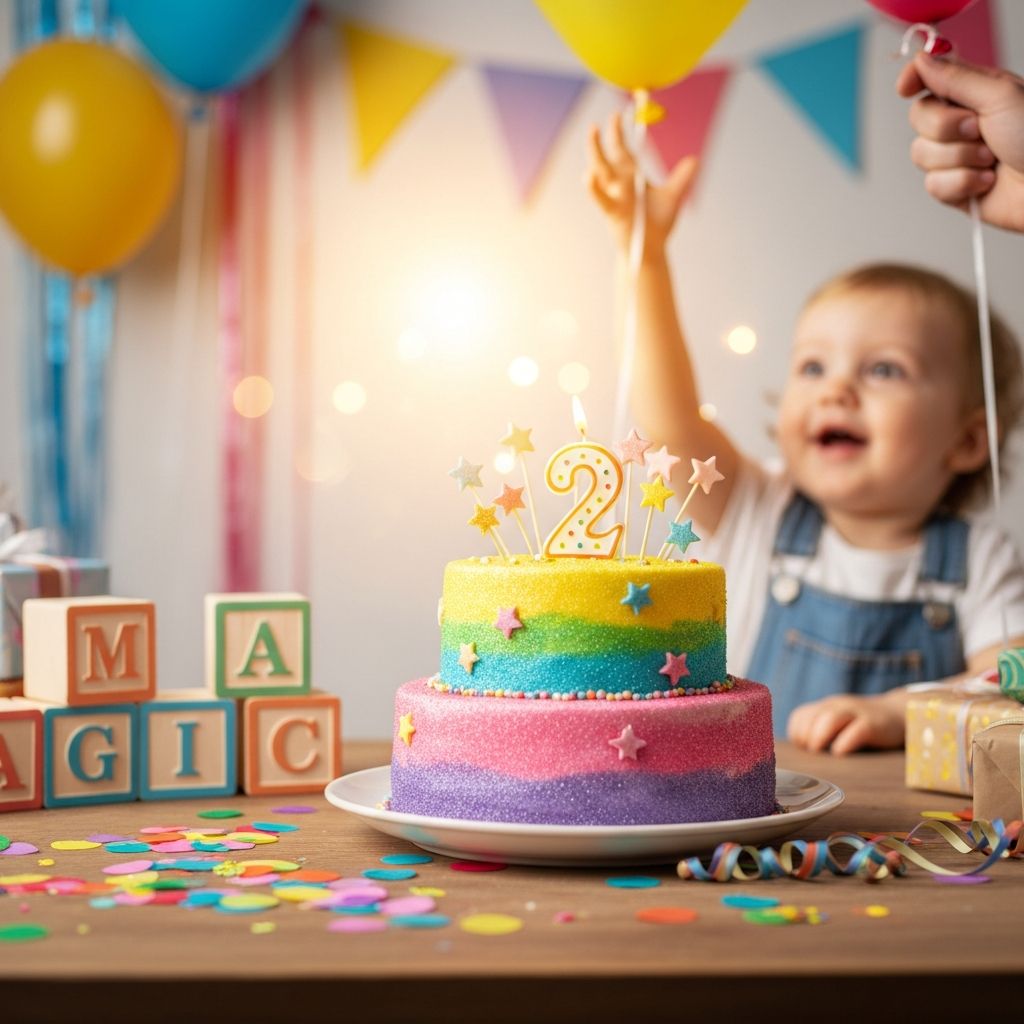
Turning two is a big milestone, but the best second birthday parties are simple, playful, and built around what toddlers really love: movement, familiar faces, and snacks. This guide walks through practical planning steps, creative themes, and realistic expectations so the day feels joyful instead of exhausting.
Understanding A Two-Year-Old’s Perfect Party
At two, children crave routine and can feel overwhelmed by long, crowded events, which is why shorter parties with clear structure work best. Focusing on a few easy activities instead of a jam-packed schedule helps toddlers explore freely without meltdowns.
- Ideal length is about 1.5–2.5 hours, depending on your child’s temperament.
- Late morning or early afternoon usually works well around nap schedules.
- Small guest lists help keep noise, germs, and overstimulation in check.
Choosing A Theme That Fits Your Child (Not Instagram)
A great theme for a second birthday grows from what your child already loves—animals, trucks, water play, or favorite colors—rather than what photographs perfectly. Once you pick a simple theme, you can echo it in one or two decorations, a cake design, and a single activity, without needing a fully styled scene.
- Think about what your child points to, talks about, or gravitates toward in books and toys.
- Use the theme mostly as a color and icon guide (balloons, plates, cake topper) rather than a strict rule.
Fresh Theme Ideas For Second Birthdays
Below are flexible, budget-friendly themes that work in small spaces and can be scaled up or down depending on how many guests you invite. Each idea includes a simple activity and food pairing so you can plan quickly without endless scrolling.
1. Cozy Storybook Morning
This theme turns your living room into a soft reading nook with stuffed animals, pillows, and your toddler’s favorite books. It is ideal for shy or easily overwhelmed toddlers who like quiet, cuddly play.
- Decor: Blankets on the floor, string lights, and book covers printed and hung as mini posters.
- Activity: Short read-aloud session plus a simple “decorate a bookmark” craft using stickers.
- Food: Mini muffins, fruit cups, and milk or non-dairy alternatives in spill-proof cups.
2. Backyard Bubble And Ball Bash
For energetic toddlers, open space plus bubbles and soft balls can be all the entertainment you need. This theme works in a yard, driveway, or even an indoor playroom with foam balls and a bubble machine.
- Decor: Colorful streamers, a bin of plastic balls, and a bubble station outside.
- Activity: Bubble chasing, rolling balls down a ramp, and a simple “roll to a friend” circle game.
- Food: Finger sandwiches, cheese cubes, and sliced fruit on low tables so kids can grab and go.
3. Little Builders’ Workshop
Construction-loving toddlers will enjoy a “mini job site” with toy trucks, cardboard boxes, and foam blocks. This theme is easy to execute with items you already own and a few inexpensive add-ons like cones or caution tape.
- Decor: Yellow and orange balloons, toy dump trucks on the table, and paper “under construction” signs.
- Activity: Fill-and-dump sensory bins with dry rice or cereal (supervised closely) and tunnel play with cardboard boxes.
- Food: “Toolbox” snack trays with crackers, cut veggies, and hummus or yogurt dips.
4. Mini Nature Explorers
If you have outdoor access, a nature-themed party invites kids to dig, collect, and observe rather than sit still. Even a small patio or nearby park can become a “tiny wilderness” with a few simple props.
- Decor: Leaf garlands, paper butterflies, and simple cardboard signs for “bug station” or “rock lab.”
- Activity: Nature scavenger hunt with pictures (find a leaf, a smooth rock) and water table play with toy animals.
- Food: Fruit skewers, pretzel “sticks,” and animal-shaped crackers.
5. Pajama Breakfast Party
A morning pajama party is ideal for early risers and lets you keep the event short and sweet. Guests arrive in PJs, enjoy breakfast-style snacks, and head home before nap time.
- Decor: Stars and moon cutouts, soft lighting, and a simple banner over the food table.
- Activity: Dance party with gentle music, foam pillow obstacle course, and a short bubble session.
- Food: Mini pancakes, yogurt cups, and soft fruit like banana slices or berries.
Sample Toddler-Friendly Party Schedule
Having a loose schedule helps you stay calm and gives toddlers a predictable flow without feeling rigid. Use this example as a template and adjust for your child’s usual wake and nap times.
| Time Block | What Happens |
|---|---|
| 0:00–0:15 | Guests arrive, kids free play with simple toys in the main area. |
| 0:15–0:35 | Main activity (bubble play, craft, or themed game) with flexible participation. |
| 0:35–0:55 | Snack time at child-height tables, with adults grabbing refreshments too. |
| 0:55–1:10 | Birthday song and cake, plus photos if your child is comfortable. |
| 1:10–1:30 | Calm-down play (reading corner, puzzles, or coloring) and goodbyes. |
Setting Up Your Space For Easy Play
Clear, defined play zones help toddlers know where to go and prevent every toy from ending up in the same pile. Even in an apartment, you can mark areas using rugs, tape on the floor, or low tables pushed against a wall.
- Create a welcome zone near the door for shoes, coats, and labeled party favors.
- Designate one area for active play (bubbles, tunnels) and another for quiet play (books, coloring).
- Keep breakables, pet items, and off-limits rooms clearly blocked or gated.
Simple Activities That Actually Work With Toddlers
Two-year-olds usually do best with open-ended activities they can join and leave at any time, rather than structured games with rules. Plan two or three stations and assume not every child will do every activity—that is perfectly okay.
- Bubble station: Bubble machine or adult blowing bubbles; kids pop and chase as they like.
- Coloring table: Large paper sheets, crayons, and stickers related to your theme.
- Playdough corner: Homemade or store-bought dough with a few cutters and rolling pins.
- Soft obstacle course: Pillows, cushions, and a tunnel or cardboard box to crawl through.
- Music spot: Small instruments like shakers and drums for supervised noise-making.
Toddler-Friendly Food (And Snacks For Adults)
Food at a two-year-old’s party should be straightforward, soft, and easy to eat, with clear labelling for allergens. Offering a few familiar items keeps kids comfortable, while simple platters can quietly take care of grown-ups.
| For Toddlers | For Adults |
|---|---|
| Mini sandwiches (cream cheese, hummus, or soft deli meats). | Hearty sandwiches or wraps with labeled ingredients. |
| Cut fruit like strawberries, blueberries, and bananas. | Veggie platter with dips and cheese board. |
| Cheese cubes, crackers, and yogurt pouches. | Salad or grain bowl that can be served at room temperature. |
| Mini muffins or soft cookies with low sugar. | Coffee, tea, and sparkling water or juice. |
For the cake, consider a small cake for photos plus cupcakes or sheet cake pieces that are easy to serve, and remember to cut tiny portions for toddlers. If your child has never had cake before, have a backup snack they love in case they are uninterested or overwhelmed.
Party Favors That Will Actually Be Used
Simple, practical favors are friendlier on budgets and parents than sugary goodie bags filled with tiny plastic toys. Aim for one or two items kids can enjoy beyond the party rather than a handful of clutter.
- Board books or small paperback storybooks that match your theme.
- Reusable cups or snack containers with each child’s name written on them.
- Sidewalk chalk, jumbo crayons, or a mini playdough tub.
- Bubble wands or small bubble bottles for outdoor use.
Planning Checklist For A Stress-Less Second Birthday
Breaking the planning process into small steps over a few weeks makes everything feel more manageable. Use or adapt this high-level checklist to stay on track without overdoing it.
- 4–6 weeks before: Choose theme, set date and time, decide on guest list and location.
- 3–4 weeks before: Send invitations, plan menu, and list needed supplies (plates, decorations, favors).
- 1–2 weeks before: Buy non-perishable items, confirm any help from friends or family, and plan simple activities.
- 2–3 days before: Tidy main party areas, prepare favors, and pre-chop any freezable foods.
- Party day: Set up zones, keep your child’s routine as normal as possible, and remember that imperfect moments often become the best memories.
Frequently Asked Questions About Second Birthday Parties
How many guests should we invite?
For a second birthday, many families find that inviting a small circle—close relatives plus one or two toddler friends—keeps the event calmer and easier to manage. You can also consider a “no siblings required” note if space is tight, phrased kindly to set expectations.
Do we need organized games?
No, two-year-olds often prefer roaming between stations, so gently guided free play is usually enough. If you’d like one structured moment, keep it very short, like a five-minute story time or bubble countdown.
What if my child cries during the birthday song?
Some toddlers dislike being the center of attention, especially when everyone is singing and looking at them at once. You can shorten the song, sing quietly with just immediate family, or even skip it and blow out a candle during a calmer moment.
Is it okay to ask for no gifts?
Yes, many parents of toddlers ask guests to skip gifts or bring a book or donation instead to reduce clutter. If you choose this route, state it clearly but warmly on the invitation so people know their presence is enough.
How do we handle naps and meltdowns?
Try to schedule the party at a time when your child is usually rested, and keep their routine as normal as possible before guests arrive. Have a quiet room ready so your child (or any toddler) can retreat if things feel too intense, and remember it is completely fine to end the party earlier than planned if needed.
Focusing On What Really Matters
A second birthday does not need elaborate decor or a packed schedule to be memorable; it only needs a safe space, a few joyful activities, and people who love your child. When you plan around your toddler’s comfort instead of outside expectations, you give your family a celebration that feels relaxed, genuine, and fun for everyone.