Late pregnancy brings plenty of surprises, and one of the most frustrating is a red, intensely itchy rash known as PUPPP. While it is usually harmless to the baby, it can feel unbearable for the parent who is trying to sleep, work, and prepare for birth while constantly scratching.
This guide explains what PUPPP is, how it tends to show up, and the most common ways people find relief. It also covers when to talk to a healthcare professional and how to cope emotionally when the itch starts taking over your days and nights.
What Exactly Is PUPPP?
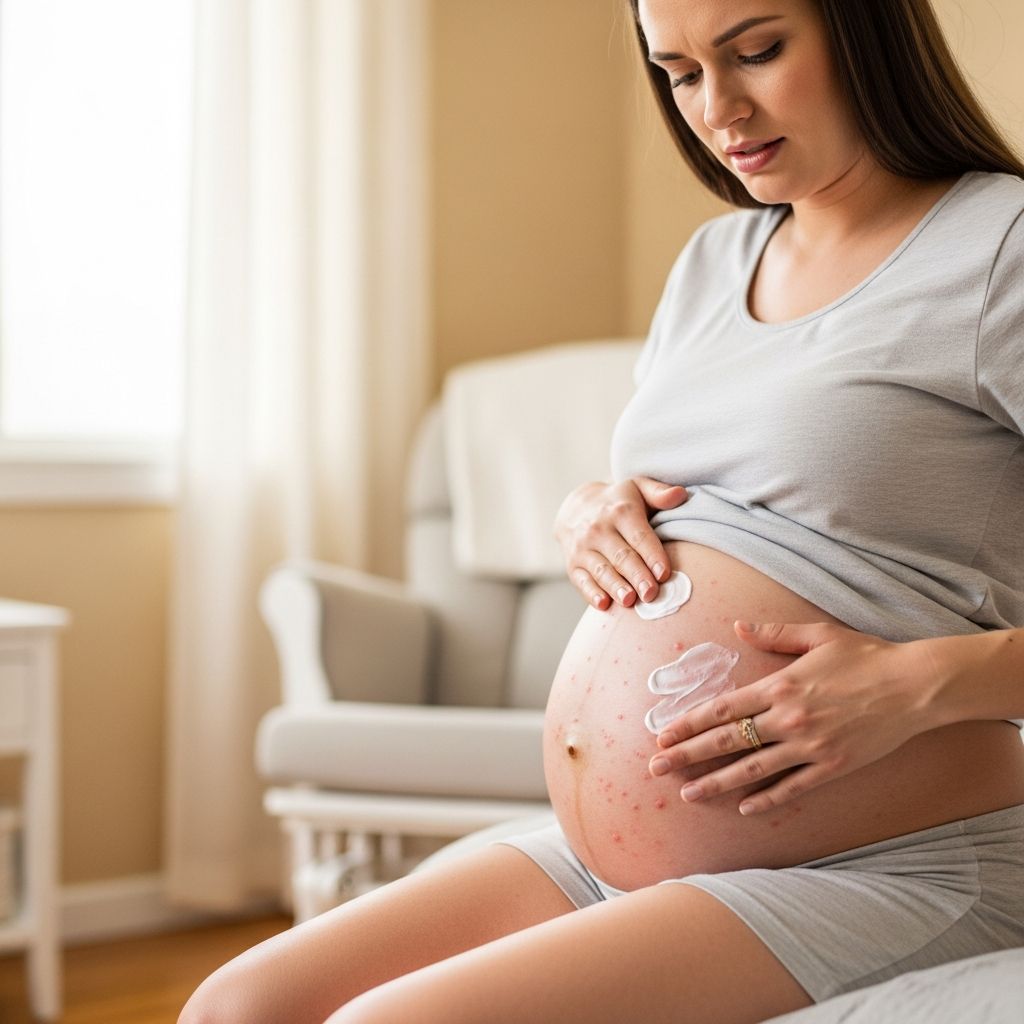
PUPPP stands for pruritic urticarial papules and plaques of pregnancy. In everyday language, it is a raised, hive-like rash that typically appears in the third trimester, most often starting around stretch marks on the belly and then sometimes spreading to the thighs, buttocks, or arms.
Although it can look dramatic and feel incredibly uncomfortable, PUPPP is generally considered a benign condition. That means it affects the pregnant person’s skin and quality of life but is not expected to harm the baby.
Why Does PUPPP Happen?
The exact cause of PUPPP is not clearly understood. One leading thought is that rapid stretching of the skin in late pregnancy may trigger inflammation in the deeper layers of the skin, especially around stretch marks. In some people, this irritation appears as intensely itchy bumps and patches.
Many people who develop PUPPP report one or more of the following situations:
- First pregnancy with rapid belly growth
- Carrying multiples, such as twins or triplets
- Noticeable or early stretch marks on the abdomen
These patterns suggest that skin stretching and connective tissue changes may play a role. However, people without these risk factors can still develop PUPPP, and having them does not guarantee you will.
Common Signs and Symptoms
PUPPP usually follows a fairly recognizable pattern. While only a healthcare professional can diagnose skin conditions with certainty, knowing the typical signs can help you decide when to seek an evaluation.
- Small, red, itchy bumps appearing in or near stretch marks on the belly
- Bumps that may merge into larger raised patches or plaques
- Rash that spreads to hips, thighs, buttocks, and sometimes arms or legs
- Intense itch, often worse at night, that may interfere with sleep
- Skin that feels hot, tight, or irritated, especially after scratching
In many cases, the face, palms of the hands, and soles of the feet are not involved. If those areas are affected, or if you notice yellowing of the skin or eyes, new headaches, visual changes, or other systemic symptoms, contact a healthcare professional promptly, as additional testing may be needed.
How PUPPP Differs from Other Pregnancy Rashes
Several skin conditions can appear in pregnancy, and some require more urgent attention than PUPPP. Any new rash in pregnancy deserves medical evaluation, especially if it comes with other symptoms such as fever, pain, or feeling unwell.
The table below highlights some general distinctions. It is not a diagnostic tool, but it can help you understand what your clinician may be thinking about when they examine your skin.
| Feature | PUPPP | Common Allergic Rash | Serious Pregnancy-Related Itch (e.g., liver-related) |
|---|---|---|---|
| Typical timing | Late pregnancy, often third trimester | Any time after exposure | Often later pregnancy but may vary |
| Usual starting location | Stretch marks on abdomen | Area of contact with irritant or allergen | Frequently palms, soles, or generalized itch |
| Appearance | Red, hive-like bumps and raised patches | Red, sometimes with welts or tiny blisters | Sometimes minimal rash, mainly intense itch |
| Baby’s risk | Generally considered low risk | Usually low, depending on cause | May require careful monitoring of baby |
| Primary concern | Severe itch and sleep disruption | Discomfort; possible infection if skin breaks | Parent’s liver health and baby’s wellbeing |
Getting a Diagnosis
PUPPP is usually diagnosed through a combination of history and physical examination. A clinician will look closely at where the rash started, how it has spread, and what it looks like under good lighting. They will also ask when in pregnancy it began and whether you have any other symptoms.
In many cases, no special laboratory tests are needed. Occasionally, when the rash is unusual or overlaps with other conditions, a small skin sample or blood tests may be ordered to rule out more serious causes.
Does PUPPP Affect the Baby?
The most reassuring fact about PUPPP is that it is primarily a quality-of-life issue for the pregnant person, not a threat to the baby’s health. The rash is limited to the skin and does not typically involve the placenta or the baby’s circulation.
The main indirect impact on the baby comes from the parent’s discomfort. Poor sleep, elevated stress, and fatigue can make late pregnancy more challenging, so caring for your own comfort is also a way of caring for your baby.
How Long Does PUPPP Last?
For most people, PUPPP appears in the last weeks of pregnancy and eases once the baby is born. The itch and redness often begin to fade within days to a couple of weeks after delivery.
A few individuals notice lingering discoloration or mild itching for a while longer, especially if the skin was scratched enough to cause scabbing. Gentle skin care during recovery can help the area heal and prevent further irritation.
Soothing the Itch at Home
While PUPPP should always be evaluated by a healthcare professional before assuming it is “just a rash,” many people use simple home strategies to make the itch more bearable. Always confirm that any product you use is safe for pregnancy and follow instructions on labels.
Comfortable Clothing and Fabric Choices
- Choose loose-fitting garments that do not rub directly on the rash.
- Opt for soft, breathable fabrics such as cotton or bamboo.
- Avoid rough seams, tight waistbands, or synthetic materials that trap heat.
- Consider wearing a thin, soft tank top under maternity pants to reduce friction on the belly.
Temperature and Environment
- Keep the bedroom slightly cooler at night to minimize sweating.
- Use a fan or open window to improve air circulation around your skin.
- Avoid very hot showers or baths, which can dry and irritate the skin further.
Bathing and Skin Care Rituals
- Use gentle, fragrance-free cleansers instead of harsh soaps.
- Pat skin dry with a soft towel rather than rubbing.
- Apply a soothing, pregnancy-safe moisturizer while the skin is still slightly damp to lock in hydration.
- Ask your clinician before trying any medicated or herbal products, as “natural” does not always mean safe during pregnancy.
Medical Treatments and Professional Support
Because PUPPP can be extremely uncomfortable, especially at night, many people benefit from medical treatments that are known to be compatible with pregnancy. Only a licensed professional who knows your medical history can recommend specific medications or dosages.
- Topical anti-itch creams: Mild steroid creams or other medicated lotions are sometimes prescribed to reduce inflammation and itch on localized areas.
- Oral antihistamines: Some antihistamines may be considered to help calm itching, especially if it is disrupting sleep.
- Short courses of stronger medication: In severe cases, a clinician may suggest a brief course of stronger medicines, weighing the benefits and risks carefully.
Never start, stop, or change any medication during pregnancy without consulting a healthcare professional, even if it is available over the counter.
Daily Coping Tips When the Itch Takes Over
Constant itching can wear down even the most patient person, especially when combined with the physical and emotional demands of late pregnancy. Small adjustments to your routine can sometimes make the experience more manageable.
- Set up a “comfort station” near your bed: Keep approved creams, cold compresses, water, and a clean towel within reach for middle-of-the-night flares.
- Use distraction when possible: Listening to an audiobook, practicing guided meditation, or watching a light-hearted show may take the focus off the itch for periods of time.
- Practice gentle touch instead of scratching: Light tapping or pressing around, but not directly into, the rash may feel slightly relieving and cause less damage than scratching with nails.
- Trim and file nails: Keeping nails short and smooth reduces the risk of breaking the skin if you scratch in your sleep.
Protecting Your Skin from Damage
One of the biggest risks of intense itching is that repeated scratching can break the skin, leading to scabs, scars, or infection. Protecting the rash while you search for relief can make the recovery period easier after birth.
- Consider wearing light cotton gloves to bed if you find scratch marks in the morning.
- If an area becomes open or raw, inform your clinician and follow their guidance for cleaning and covering it.
- Avoid home remedies that sting, burn, or cause additional redness, as they may worsen irritation.
Emotional Impact and Mental Health
PUPPP may be labeled “benign,” but that does not mean it feels minor. The combination of relentless itch, disrupted sleep, and feeling uncomfortable in your own skin can take a toll on mood and mental health.
- Share honestly with your care team if you are feeling overwhelmed, tearful, or hopeless about the itch.
- Lean on supportive friends or family members to help with tasks when you are exhausted.
- Remind yourself that, for most people, PUPPP is temporary and closely linked to the end of pregnancy and the arrival of the baby.
Preparing for Birth While Managing PUPPP
It can be discouraging to experience PUPPP just when you hoped to be enjoying the final weeks of pregnancy. However, there are small adjustments you can make to stay engaged in birth preparation while prioritizing comfort.
- Break tasks into short, manageable sessions so you can rest when itching intensifies.
- Ask your birth partner or support person to help with physically demanding preparations.
- Include your skin symptoms in your birth plan notes so the hospital or birth center team is aware and can support your comfort.
After Delivery: What to Expect
The postpartum period brings many changes, and in many cases, PUPPP begins to retreat as the uterus shrinks and the skin gradually relaxes. You may notice the rash fading or becoming less itchy over the first days and weeks.
Keep in mind:
- Continue using only products approved by your clinician, especially if you are breastfeeding and the rash is near the chest.
- Monitor for signs of infection, such as spreading redness, warmth, or pus, particularly in scratched areas.
- Contact your healthcare professional if the rash worsens after birth or new symptoms develop.
Can PUPPP Return in Future Pregnancies?
Many people who experience PUPPP are relieved to learn that it does not always come back in subsequent pregnancies. The pattern is unpredictable, though, and there is no guaranteed way to prevent it entirely.
In future pregnancies, you can:
- Inform your care team that you have had PUPPP before, so they can watch for early signs.
- Begin gentle skin care routines and use comfortable clothing as your belly grows.
- Seek evaluation promptly if any new rash appears, rather than waiting for it to become unbearable.
When to Call a Healthcare Professional Immediately
Even if you are fairly sure your rash is PUPPP, it is essential to stay alert for warning signs that call for urgent attention. Contact your healthcare team as soon as possible if you notice any of the following:
- Yellowing of the skin or eyes
- New or severe right upper abdominal pain
- Intense itching of palms or soles without much visible rash
- Fever, chills, or feeling generally very unwell
- Blisters, open sores, or rapidly spreading redness
These symptoms can signal conditions other than PUPPP and often require prompt testing and treatment.
Frequently Asked Questions About PUPPP
Is PUPPP contagious?
No. PUPPP is not thought to be caused by an infection and is not considered contagious. You cannot “catch” it from someone, and you will not pass it to loved ones through skin contact.
Can my diet cause or cure PUPPP?
There is no strong evidence that specific foods directly cause PUPPP or reliably make it go away. A balanced, nutrient-rich eating pattern supports overall health and healing, but there is no widely accepted “PUPPP diet.” Any major dietary changes during pregnancy should be discussed with your clinician.
Will scratching make the rash spread?
Scratching does not usually cause PUPPP to spread in the way an infection might, but it can increase inflammation, make the area look worse, and lead to broken skin. This may give the impression that the rash is spreading and can increase the risk of scarring or infection.
Can PUPPP change my birth plan?
PUPPP alone rarely changes the recommended mode or timing of birth. However, severe symptoms may influence decisions about pain relief options or the need for rest and monitoring. Always have an open conversation with your care team so comfort measures can be built into your plan.
Is there a guaranteed way to prevent PUPPP?
Unfortunately, there is no proven method to prevent PUPPP entirely. Gentle skin care, staying hydrated, and avoiding harsh irritants are reasonable for overall skin health, but they do not guarantee you will avoid the rash. Early recognition and prompt support are the most practical strategies.
Key Takeaways
- PUPPP is a very itchy rash that often appears in the third trimester, typically starting around stretch marks on the belly.
- It is usually considered harmless to the baby but can be extremely uncomfortable for the pregnant person.
- Relief often comes from a combination of gentle skin care, environmental adjustments, and, when appropriate, pregnancy-safe medications.
- Most cases improve after birth, but it is important to watch for symptoms that suggest a different or more serious condition.
If you suspect you have PUPPP, reach out to a healthcare professional for an accurate diagnosis and a tailored plan to manage the itch. You deserve to feel as comfortable as possible while preparing to welcome your baby.