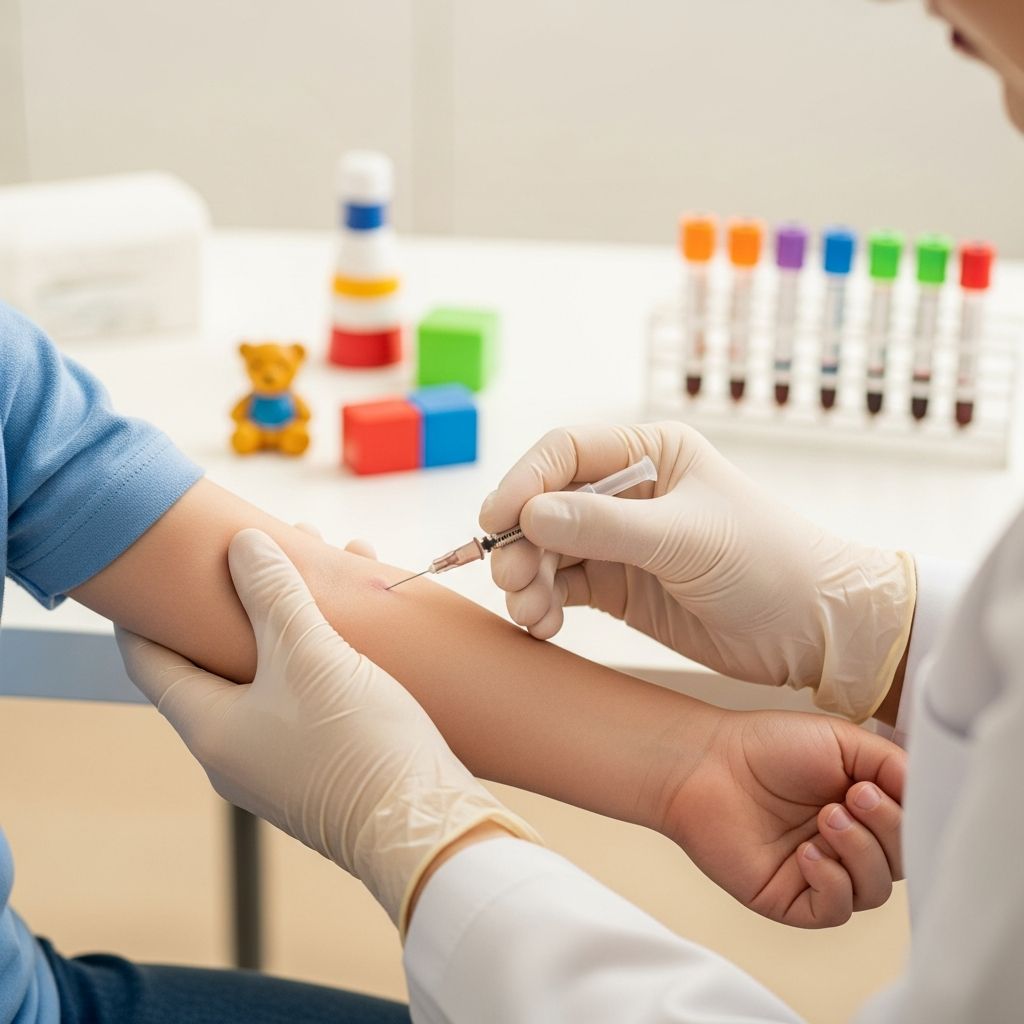
Protein blood tests are vital diagnostic tools used to evaluate the levels of essential proteins in a child’s bloodstream, helping pediatricians assess overall health, nutrition, and organ function. These tests measure key proteins like albumin and globulins, which play critical roles in maintaining fluid balance, transporting nutrients, and supporting immunity.
Why Protein Levels Matter in Growing Kids
Proteins form the building blocks of muscles, enzymes, hormones, and antibodies, making them indispensable for a child’s rapid growth and development. In pediatric care, monitoring protein levels helps detect early signs of nutritional gaps, infections, or organ stress before symptoms become obvious. For instance, low protein might signal poor diet absorption, while high levels could indicate inflammation or chronic illness.
During routine checkups, these tests are often included in comprehensive metabolic panels (CMP) to provide a snapshot of liver and kidney performance. Parents might request them if their child shows persistent fatigue, unexplained swelling, or failure to thrive.
Key Proteins Measured and Their Functions
- Albumin: The most abundant protein, produced by the liver, it regulates blood volume and carries hormones, vitamins, and medications. Low levels can lead to edema in extremities.
- Globulins: Divided into alpha, beta, and gamma types, they support immune responses, clotting, and lipid transport. Abnormalities here often point to infections or autoimmune issues.
- Total Protein: The sum of albumin and globulins, typically ranging from 6.4-8.3 g/dL in children, adjusted slightly by age.
The albumin-to-globulin (A/G) ratio further refines diagnosis; a normal range is about 1:1 to 2:1, imbalances signaling specific concerns.
Common Reasons for Testing in Children
Pediatricians order protein tests for various scenarios:
- Symptoms like swelling (edema), weight loss, or appetite changes, which may indicate kidney strain or malnutrition.
- Monitoring chronic conditions such as diabetes, liver disorders, or post-infection recovery.
- Follow-up for family history of blood cancers like multiple myeloma, though rare in kids.
- Assessing nutritional status in picky eaters or those with gastrointestinal issues.
| Condition | Typical Protein Change | Why It Matters for Kids |
|---|---|---|
| Liver Disease (e.g., hepatitis) | Low albumin | Affects growth; causes fluid retention |
| Kidney Issues (e.g., nephrotic syndrome) | Low total protein | Leads to swelling and fatigue |
| Chronic Inflammation | High globulins | Signals ongoing immune stress |
| Malnutrition | Low overall levels | Impairs development and immunity |
| Infections | Elevated globulins | Helps track recovery |
Step-by-Step: What Happens During the Test
The procedure is straightforward and safe for children. No special prep is usually needed, though fasting might be advised for bundled tests.
- Preparation: Explain the process to your child using age-appropriate language to reduce anxiety. Distraction tools like toys or videos help toddlers.
- Blood Draw: For older kids, a vein in the arm is used. A technician cleans the site, applies a tourniquet, and inserts a needle. Blood fills a tube in seconds.
- For Infants/Toddlers: A heel or finger prick with a lancet collects drops into a pipette or strip—quicker and less intimidating.
- Post-Draw Care: Pressure stops bleeding; a bandage follows. Mild soreness or bruising may occur but fades quickly.
The sample goes to a lab for analysis via methods like electrophoresis, which separates proteins by charge for detailed profiling. Results arrive in hours to days.
Understanding Your Child’s Results
Normal ranges vary by age: newborns have lower levels that rise through childhood. Always consult your doctor for personalized interpretation.
- Low Total Protein: Suggests liver dysfunction, kidney loss, or poor intake. Further tests like urine protein may follow.
- High Total Protein: Could mean dehydration, infection, or rarely, plasma cell disorders. Hydration status affects readings.
- Low Albumin: Linked to inflammation, malnutrition, or gut issues. Monitor diet and symptoms.
- High Globulins: Often from immune activation; electrophoresis identifies specifics like M-proteins if needed.
Results integrate with other labs (e.g., liver enzymes, CBC) for full context. False lows occur post-exercise or in acute illness.
Preparing Your Child Emotionally and Physically
Build trust: Use stories or play-acting for the needle. Reward bravery afterward. For repeated tests, comfort routines ease fears.
Risks are minimal—slight pain, rare infection—but benefits outweigh them for accurate diagnosis. Discuss allergies or bleeding disorders beforehand.
When Abnormal Results Require Follow-Up
Not all deviations need alarm; context matters. Lows might prompt nutritional counseling, highs could lead to imaging or specialist referrals.
For persistent issues, paired tests like urine electrophoresis or bone marrow studies (rarely) pinpoint causes. Early intervention supports healthy growth.
Protein Tests in Routine Pediatric Screening
Included in CMPs during well-child visits, they flag silent problems. High-risk kids (e.g., with diabetes family history) benefit most from regular checks.
Trends over time reveal progress, like improving nutrition post-intervention.
Frequently Asked Questions (FAQs)
Is fasting required for a child’s protein blood test?
Usually not, but confirm if part of a larger panel. Water is fine.
How accurate are protein test results in young children?
Very reliable when age-adjusted; labs use pediatric norms.
What if my child has swelling—could it be low protein?
Yes, possibly from low albumin; see a doctor promptly.
Can diet alone fix abnormal protein levels?
Sometimes for mild malnutrition, but underlying issues need medical evaluation.
Are there home tests for blood protein?
No reliable ones; professional labs ensure precision.
Does the test hurt my baby?
A quick prick; comfort measures minimize distress.
Empowering Parents: Next Steps After Testing
Review results with your pediatrician. Track diet, hydration, and symptoms in a journal. High-protein foods like eggs, dairy, and lean meats aid balance, but follow professional advice.
These tests demystify health puzzles, enabling proactive care for thriving kids.
References
- Total Protein Test: Purpose, Procedure & Results — Healthline. 2023. https://www.healthline.com/health/total-protein
- Plasma Protein Test: What You Need to Know — Centers Urgent Care. 2024. https://centersurgentcare.net/plasma-protein-test-what-you-need-to-know/lab-work/
- Protein Electrophoresis (Blood) — UR Medicine / University of Rochester Medical Center. 2023-10-01. https://www.urmc.rochester.edu/encyclopedia/content?contenttypeid=167&contentid=protein_electrophoresis_serum
- Protein electrophoresis – serum — Health Encyclopedia (Florida Dept. of Health). 2024. https://quality.healthfinder.fl.gov/health-encyclopedia/HIE/1/003540
- Total protein test: Normal levels, uses, results, and procedure — Medical News Today. 2023-06-13. https://www.medicalnewstoday.com/articles/325320
- Total Protein and Albumin/Globulin (A/G) Ratio Test — MedlinePlus (U.S. National Library of Medicine). 2024-05-15. https://medlineplus.gov/lab-tests/total-protein-and-albumin-globulin-a-g-ratio/
- Total Protein, Albumin-Globulin (A/G) Ratio Test — Testing.com. 2024. https://www.testing.com/tests/total-protein-albumin-globulin-ag-ratio/