Understanding Prenatal Nutrition’s Critical Role
During pregnancy, a woman’s body undergoes remarkable changes to support the growth and development of a new life. These physiological transformations require increased amounts of specific nutrients beyond what a standard diet typically provides. While maintaining a balanced diet remains foundational to pregnancy health, prenatal supplementation fills nutritional gaps that develop as the body’s demands intensify. Healthcare professionals recognize that targeted nutrient supplementation helps reduce the risk of pregnancy complications and supports optimal fetal development from conception through delivery.
The timing of nutrient intake matters significantly. Beginning supplementation before conception provides essential preparation, with folic acid being particularly important during the earliest stages of fetal development when the neural tube forms. This early intervention can prevent serious developmental defects that form before many women even realize they are pregnant.
The Foundation: Key Prenatal Nutrients and Their Functions
Prenatal supplements contain a carefully balanced combination of vitamins and minerals selected for their specific roles in supporting maternal and fetal health. Understanding what each nutrient does helps expectant mothers appreciate why comprehensive supplementation matters.
Folic Acid: Preventing Critical Birth Defects
Folic acid stands as the most crucial nutrient during pregnancy. This B vitamin plays an irreplaceable role in preventing neural tube defects, a category of serious birth abnormalities affecting the brain and spinal cord. The most common neural tube defect is spina bifida, a condition involving incomplete development of the spine and its protective covering. Anencephaly, another devastating neural tube defect, involves severe underdevelopment of the brain and skull bones.
Healthcare organizations recommend that women of childbearing age consume 400 to 800 micrograms of folic acid daily, beginning before conception and continuing through the first 12 weeks of pregnancy. The synthetic version of folic acid found in supplements is absorbed more efficiently by the body than the naturally occurring folate found in foods, making supplementation essential even for women who consume well-balanced diets. Beyond preventing neural tube defects, folic acid supports the general growth and development of both the fetus and the placenta, making it indispensable throughout pregnancy.
Iron: Supporting Blood Production and Oxygen Delivery
Iron requirements increase substantially during pregnancy because a woman’s blood volume expands to support fetal development. Iron enables the body to produce additional hemoglobin, the protein in blood that carries oxygen throughout the circulatory system. During pregnancy, this enhanced oxygen delivery benefits both the mother and the developing baby, who depends entirely on maternal circulation for nutrient and oxygen supply.
Iron-deficiency anemia affects many pregnant women and can trigger serious complications. Without adequate iron supplementation, pregnant women face increased risk of preterm delivery, low birth weight, and infant mortality. Additionally, iron deficiency causes fatigue, weakness, and shortness of breath—symptoms that compound the physical demands of pregnancy. Since many women, particularly those with limited meat consumption, do not obtain sufficient iron from diet alone, supplementation becomes critically important.
Calcium: Building Fetal Bones and Protecting Maternal Health
Calcium plays dual roles during pregnancy. It serves as the primary building material for fetal bone and tooth development while also maintaining maternal bone density. When dietary calcium intake proves inadequate, the developing baby will extract calcium from the mother’s bones, potentially compromising long-term maternal skeletal health. Prenatal vitamins that supply calcium help prevent this maternal-to-fetal calcium transfer and ensure the fetus receives adequate mineral support for proper bone development.
Research suggests that adequate calcium and magnesium intake may help reduce the risk of gestational hypertension and preeclampsia, serious pregnancy complications that threaten both mother and baby. These conditions can necessitate early delivery and create significant health risks, making calcium’s protective effects particularly valuable.
Vitamin D: Enabling Calcium Absorption
Vitamin D works synergistically with calcium by facilitating intestinal absorption, allowing the body to utilize dietary and supplemented calcium effectively. Without adequate vitamin D, even sufficient calcium intake cannot be properly absorbed. This fat-soluble vitamin also supports immune function and promotes healthy fetal bone and teeth development.
Studies have identified links between vitamin D deficiency during pregnancy and adverse outcomes including preeclampsia and gestational diabetes, though additional research continues to clarify these relationships. Pregnant women should aim for approximately 600 international units (IU) of vitamin D daily, though some healthcare providers recommend higher amounts based on individual assessments.
Omega-3 Fatty Acids: Supporting Brain and Eye Development
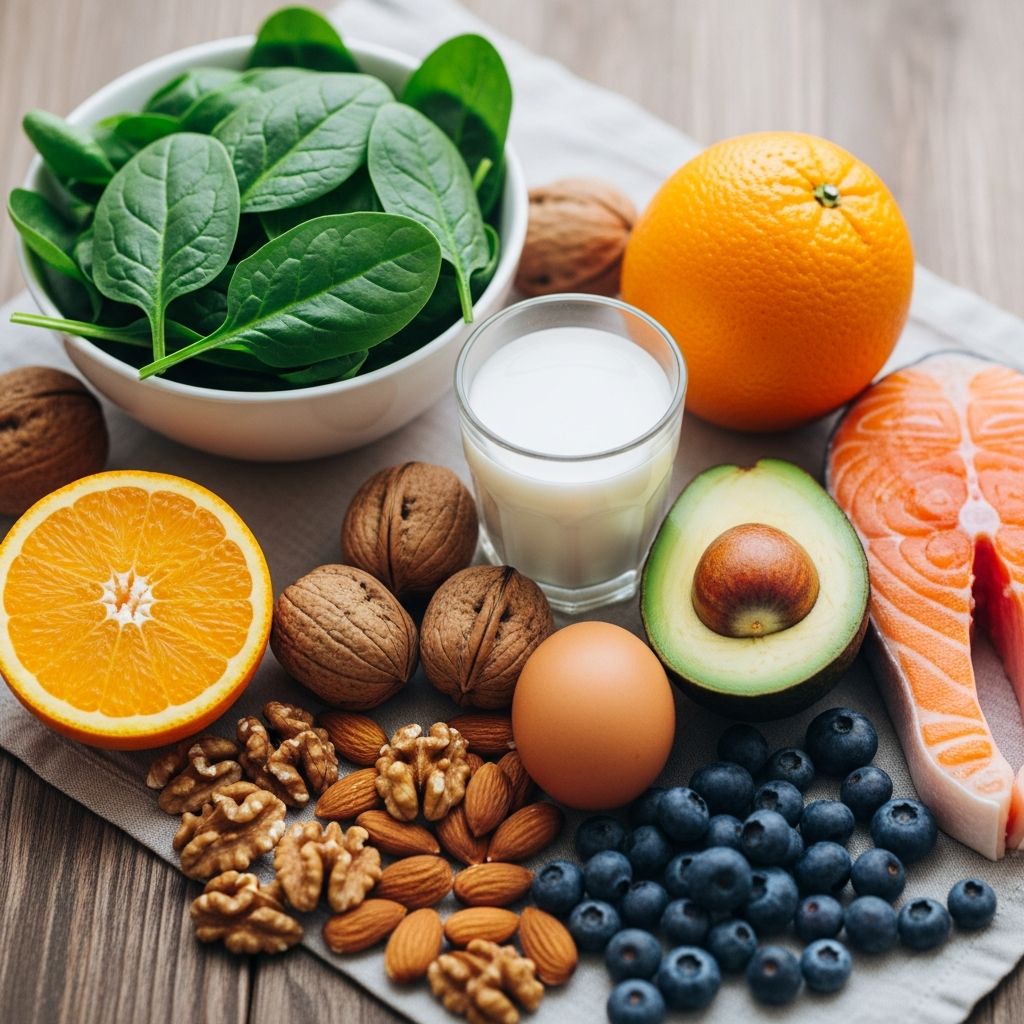
Docosahexaenoic acid (DHA), an essential omega-3 fatty acid, plays a vital role in fetal brain and eye development. Many modern prenatal vitamins now include DHA, recognizing its importance in supporting cognitive development and visual function. Women can obtain DHA through diet, particularly from fatty fish like salmon, though prenatal supplementation ensures consistent intake of this critical nutrient.
Additional Essential Micronutrients
Beyond the primary nutrients, prenatal vitamins typically contain several other important micronutrients:
- Vitamin B12 supports red blood cell formation and neurological function
- Vitamin E acts as an antioxidant, protecting cells from damage
- Fish oil provides additional omega-3 fatty acids and supports overall development
- Vitamin C enhances iron absorption and supports immune system function, with pregnant women requiring at least 85 milligrams daily
- Zinc facilitates cell division and immune function, crucial processes during pregnancy, with recommended daily intake of approximately 11 milligrams
- Choline supports brain development and helps prevent neural tube defects, with the American College of Obstetricians and Gynecologists recommending at least 450 milligrams daily
Comprehensive Benefits of Prenatal Supplementation
Taking prenatal vitamins as recommended by healthcare providers offers multiple protective benefits for both mother and baby. These advantages extend across various aspects of pregnancy health and long-term child development outcomes.
Preventing Serious Birth Defects
The most significant benefit of prenatal supplementation is the dramatic reduction in neural tube defects. Starting folic acid supplementation before conception and continuing through early pregnancy can reduce the risk of spina bifida and anencephaly by up to 70 percent. This prevention of serious birth defects represents perhaps the most compelling reason for consistent prenatal vitamin use.
Reducing Maternal Complications
Prenatal vitamins help prevent common pregnancy complications that threaten maternal health. Iron supplementation prevents iron-deficiency anemia, which can cause extreme fatigue and other debilitating symptoms. Calcium and vitamin D supplementation may reduce the risk of preeclampsia and gestational diabetes, both conditions requiring intensive medical management and early delivery in severe cases.
These maternal complications, when they occur, not only affect the pregnant woman’s immediate health but also influence fetal development and neonatal outcomes. By preventing these conditions through proper supplementation, women protect both their own health and their baby’s wellbeing.
Supporting Optimal Fetal Growth
The combination of nutrients in prenatal vitamins directly supports fetal growth and development. Iron and folic acid supplementation helps prevent preterm birth and low birth weight, both of which significantly impact neonatal health and long-term developmental outcomes. Calcium and vitamin D ensure proper fetal skeletal development, while omega-3 fatty acids support brain and eye development, potentially influencing cognitive abilities and visual acuity throughout childhood and adulthood.
Reducing Infant Mortality Risk
Prenatal supplementation, particularly iron supplementation, helps reduce infant mortality rates. The mechanisms include preventing maternal anemia-related complications, supporting adequate fetal growth, and reducing the likelihood of preterm delivery. These protective effects make prenatal vitamin use a critical public health intervention.
Protecting Against Rickets
Adequate vitamin D during pregnancy helps prevent rickets in infants, a condition characterized by weakened and softened bones caused by vitamin D deficiency. By ensuring sufficient vitamin D and calcium during pregnancy, mothers lay the foundation for their child’s healthy skeletal development and reduce the risk of this painful developmental disorder.
Addressing Common Pregnancy Nutrition Challenges
Many pregnant women face nutritional obstacles that make supplementation particularly valuable. Morning sickness, food aversions, and changing appetite can prevent women from consuming the variety of foods necessary for adequate nutrition. Prenatal vitamins bridge these gaps, ensuring that even when dietary intake becomes limited due to pregnancy symptoms, essential nutrients continue to support fetal development.
Additionally, women following restricted diets—whether due to vegetarianism, veganism, or food allergies—may struggle to obtain sufficient nutrients from food sources alone. Prenatal supplements provide reliable access to nutrients that might otherwise be difficult to obtain through diet.
Supporting Both Maternal and Fetal Health
While fetal development receives appropriate attention, prenatal supplementation also supports maternal health in important ways. Pregnancy depletes maternal nutrient stores as the developing baby extracts resources for growth. Prenatal vitamins replenish these depleted nutrients, helping women maintain their own health throughout pregnancy and postpartum recovery.
The peace of mind that comes from knowing maternal and fetal nutritional needs are being met represents an additional benefit. This psychological reassurance allows expectant mothers to focus on other aspects of pregnancy wellness.
Practical Considerations for Prenatal Vitamin Use
While prenatal vitamins provide significant benefits, they function as a supplement to, not a replacement for, nutritious whole foods. Expectant mothers should continue consuming a well-balanced diet including meat, dairy products, vegetables, fruits, legumes, and grains. The combination of healthy eating and supplementation optimizes nutritional status.
Most major healthcare associations recommend all pregnant women take prenatal vitamins, though skipping doses occasionally does not eliminate a baby’s chance of being healthy. However, consistent use significantly reduces pregnancy complication risks. Prenatal vitamins are widely available at grocery stores and through online retailers, making access convenient for most women.
Women should discuss their specific prenatal vitamin needs with their healthcare providers. A pediatrician or obstetrician can provide valuable guidance on choosing appropriate supplements based on individual health status, dietary patterns, and specific risk factors.
Special Nutritional Considerations
Beyond standard prenatal supplementation, men planning to conceive may benefit from folic acid supplementation, which can improve sperm health and increase fertility. This underappreciated consideration recognizes that both partners’ nutritional status influences reproductive success and fetal development.
Women with specific health conditions, dietary restrictions, or cultural food practices may require personalized prenatal vitamin recommendations. Healthcare providers can identify individual nutritional needs and recommend supplements that address specific gaps in a woman’s diet.
Frequently Asked Questions
Q: When should I start taking prenatal vitamins?
A: It is recommended to begin prenatal vitamins before conception and continue through pregnancy. Folic acid supplementation should start at least one month before attempting pregnancy to establish protective levels in the body.
Q: Can I get all necessary nutrients from food alone?
A: While a well-balanced diet is important, most women do not consume sufficient quantities of certain critical nutrients like folic acid and iron through food sources alone. The synthetic folic acid in supplements is also absorbed more efficiently than natural folate in foods, making supplementation strongly recommended even for women with excellent diets.
Q: What happens if I forget to take my prenatal vitamin occasionally?
A: Missing a dose occasionally will not harm your baby or eliminate the benefits of prenatal supplementation. However, consistent daily use provides the most effective protection against complications and supports optimal fetal development.
Q: Are prenatal vitamins safe during pregnancy?
A: Yes, prenatal vitamins are specifically formulated for safety during pregnancy and are recommended by all major healthcare organizations. The nutrient levels are calibrated to support fetal development without exceeding safe intake levels.
Q: Can men benefit from prenatal vitamins?
A: Men can benefit from folic acid supplementation, which may improve sperm health and increase fertility. This is particularly relevant for couples planning pregnancy, as paternal nutritional status influences reproductive outcomes.
Q: How long should I continue prenatal vitamins after delivery?
A: Many healthcare providers recommend continuing prenatal vitamins through postpartum recovery and breastfeeding, as these periods continue to deplete maternal nutrient stores. Your healthcare provider can advise on your specific situation.
References
- Benefits of Taking Prenatal Vitamins — First Fertility. Accessed January 2026. https://firstfertility.com/benefits-of-taking-prenatal-vitamins/
- 10 Benefits of Prenatal Vitamins — Virginia Beach OBGYN. Accessed January 2026. https://www.virginiabeachobgyn.com/blog/10-benefits-of-prenatal-vitamins/
- Prenatal Vitamins: Importance, Deficiency & Essentials — Cleveland Clinic. Accessed January 2026. https://my.clevelandclinic.org/health/drugs/9754-pregnancy-prenatal-vitamins
- Prenatal Vitamins: Benefits, Key Nutrients & Choosing the Right One — Kidsville Pediatrics. Accessed January 2026. https://www.kidsvillepeds.com/blog/1294244-everything-you-need-to-know-about-prenatal-vitamins/
- A Critical Evaluation of Prenatal Supplements: Are They Meeting Nutritional Needs? — National Institutes of Health. 2024. https://pmc.ncbi.nlm.nih.gov/articles/PMC10866212/
- Prenatal Vitamins: What’s Best for You? — Geisinger Health System. Accessed January 2026. https://www.geisinger.org/patient-care/conditions-treatments-specialty/prenatal-vitamins-whats-best-for-you
- The Benefits of Taking Prenatal Vitamins for Your Pregnancy — Mercy Healthcare. Accessed January 2026. https://www.mercy.net/service/prenatal-care/pregnancy-vitamins-nutrients/
- Vitamins, Supplements and Nutrition in Pregnancy — National Health Service (NHS). Accessed January 2026. https://www.nhs.uk/pregnancy/keeping-well/vitamins-supplements-and-nutrition/