Waking up in the middle of the night drenched in sweat can be alarming, especially when you are already juggling morning sickness, heartburn, and endless bathroom trips. Night sweats are a very common pregnancy symptom, but they can still feel unsettling and exhausting. This guide explains what is going on inside your body, how to feel more comfortable, and when sweating might be a sign of something more serious.
What Are Pregnancy Night Sweats?
Pregnancy night sweats are episodes of intense sweating that occur while you sleep or are trying to fall asleep. You may wake up soaked, need to change clothes, or notice damp bedding even if the room does not feel particularly warm. Unlike simply feeling hot, night sweats often involve a sudden flush of heat followed by heavy perspiration.
They can happen at any stage of pregnancy, but many people notice them early on when hormones are rapidly changing, and again in the third trimester when the body is working especially hard and blood volume is at its peak. For some, sweating also continues or briefly worsens after birth as hormones shift again and fluid is shed.
Why Pregnancy Can Make You Overheat at Night
Pregnancy changes nearly every system in your body, including how you regulate temperature. Several overlapping factors come together to create those soggy, uncomfortable nights. Understanding them can make the experience feel less frightening and more manageable.
Hormones and Your Internal Thermostat
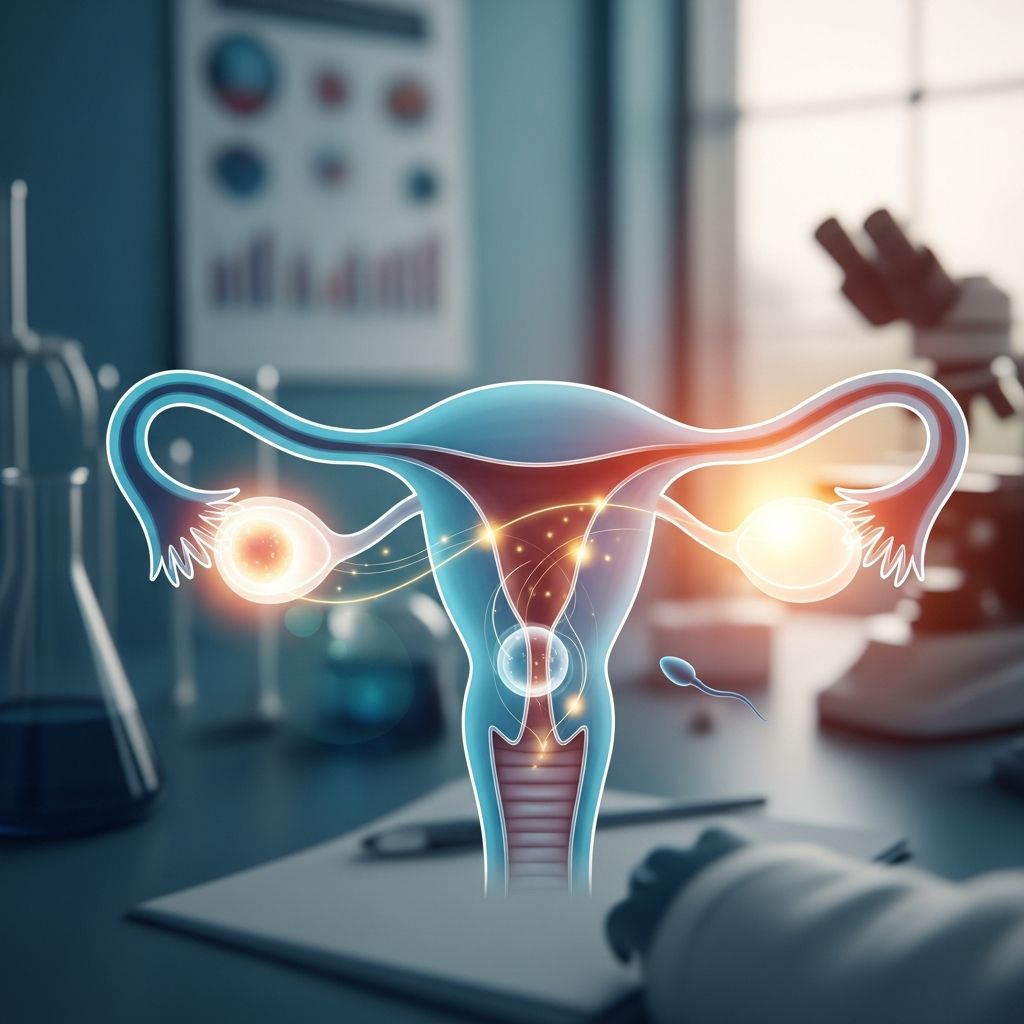
One of the main drivers of pregnancy night sweats is the dramatic change in reproductive hormones. Rising levels of hormones influence a part of the brain that helps control body temperature, making the internal thermostat more sensitive. Small changes in the environment or in your own body can trigger a strong 2erheating2
esponse, leading to heavy sweating that seems out of proportion to the room temperature.
These hormonal effects can feel similar to hot flashes experienced around menopause, but in pregnancy they are linked to the unique combination of reproductive hormones, increased metabolism, and the work of supporting a developing baby.
Increased Blood Volume and Metabolism
During pregnancy, your body produces much more blood to nourish the uterus and placenta. Pumping and circulating this extra volume generates heat, and your heart works harder to keep everything moving. At the same time, your metabolism speeds up to fuel both your body and your growing baby.
All of this extra internal activity means that, even at rest, your body may run warmer than usual. Sleep is when you are most likely to notice this, because you are not distracted by daytime tasks and your body is naturally supposed to cool down to maintain restful sleep.
Shifts in Blood Sugar and Eating Patterns
Pregnancy can alter how your body handles blood sugar. Long gaps between meals, very small dinners, or certain medications can cause drops in blood sugar overnight. In some people, this may trigger sweating, shakiness, or a sense of jitteriness while they sleep.
Although blood sugar changes are not the only reason for night sweats, they can intensify them. This is one reason why balanced meals and snacks are often recommended in pregnancy, particularly in the later stages.
Normal Pregnancy Discomfort vs. Warning Sign
For most people, night sweats are simply an uncomfortable side effect of a normal pregnancy. However, excessive sweating can occasionally be a clue to other issues, such as infection, thyroid problems, medication reactions, or certain blood sugar conditions. The key is to look at the entire picture: how you feel overall, whether you have a fever, and how long the symptoms last.
If you are unsure whether your symptoms are typical or concerning, it is always safer to check in with a healthcare professional who knows your pregnancy history.
Common Triggers That Make Night Sweats Worse
While the underlying cause is usually hormonal and metabolic, certain factors can make night sweats feel more intense or frequent. Paying attention to these triggers can help you fine-tune your nightly routine.
- Overly warm bedroom: Heating turned up high, heavy blankets, or poor air circulation can quickly push you into overheating.
- Tight or synthetic sleepwear: Fabrics that do not breathe well, or clothing that clings, can trap heat and sweat against the skin.
- Spicy or heavy evening meals: Hot, greasy, or very large dinners can stimulate digestion and raise body temperature for hours.
- Caffeine or hot drinks before bed: Warm beverages and stimulants can increase heart rate and give you a feeling of being flushed.
- Stress and anxiety: Worrying before bed raises stress hormones, which can increase both heart rate and sweating.
- Illness or infection: Even a mild infection can trigger night sweating as your body tries to fight off germs.
Practical Ways to Stay Cooler at Night
You cannot completely control hormonal shifts in pregnancy, but small changes in your sleep environment and routine can significantly reduce how uncomfortable night sweats feel. Experiment with a few strategies and adjust them as your body and your pregnancy change.
Optimize Your Sleep Environment
- Keep the room temperature slightly cooler than you would normally prefer, even if it means using an extra blanket for your partner.
- Use a fan or open window to improve air circulation and help sweat evaporate more quickly.
- Choose lightweight, breathable bedding made from natural materials such as cotton or linen instead of synthetic fibers.
- Layer blankets so you can easily remove one during the night instead of committing to a single heavy comforter.
- Consider a waterproof or washable mattress protector if your sweats are soaking through sheets; this makes cleanup easier and protects the mattress.
Choose Cooling Clothing and Fabrics
- Wear loose, soft pajamas that allow air to move around your body and do not cling to damp skin.
- Look for moisture-wicking fabrics or natural fibers that absorb sweat and dry quickly.
- Avoid long sleeves and multiple layers unless the room is quite cold; it is easier to add a light robe than to peel off sticky clothing at 2 a.m.
- Keep an extra set of sleepwear by the bed so that changing in the dark is quick and simple if you wake up soaked.
Hydration and Evening Nutrition
- Drink water regularly throughout the day so you start the night well hydrated without needing to gulp down large amounts right before bed.
- Have a small, balanced evening snack (such as a combination of protein and complex carbohydrates) if approved by your healthcare provider, especially if you notice sweating when you wake up hungry or shaky.
- Limit very spicy or heavy dinners late at night, which can raise your core temperature and worsen reflux, making sleep more difficult.
- Talk with your provider about any concerns you have regarding blood sugar, particularly if you have been screened for gestational diabetes or have a history of it.
Relaxation Techniques Before Bed
- Practice simple breathing exercises, prenatal yoga stretches, or a short guided relaxation exercise to lower stress before bedtime.
- Create a wind-down routine that signals to your body and mind that it is time to rest: dim lights, quiet activities, and no work emails or intense TV shows.
- If worries about the baby or birth are keeping you awake, consider journaling briefly or talking to a trusted friend, partner, or professional for support.
Helpful Bedside Setup for Night Sweats
Being prepared can make night sweats less disruptive, even if they still happen. A small bedside setup can help you cool down and get back to sleep faster with minimal fumbling around in the dark.
| Item | How It Helps |
|---|---|
| Extra sleepwear | Allows a quick change if clothes are soaked, preventing chills and discomfort. |
| Small towel or absorbent cloth | Helps blot sweat from skin and sheets without needing to strip the bed. |
| Insulated water bottle | Provides cool sips without trekking to the kitchen, helping with hydration. |
| Handheld fan or remote-controlled fan | Offers immediate airflow for quick relief after a sweating episode. |
| Light blanket within reach | Prevents you from getting chilled once sweat evaporates and your temperature drops. |
When Night Sweats Might Signal a Bigger Issue
Although night sweats are commonly a normal, if annoying, part of pregnancy, there are times when they can be a clue that something else is going on. It is important not to ignore your instincts, especially if sweating is accompanied by other symptoms.
Seek medical guidance promptly if you notice any of the following along with night sweats:
- Fever, chills, or feeling significantly unwell overall.
- Persistent cough, shortness of breath, or chest pain.
- Unexplained weight loss or severe fatigue unrelated to simple sleep loss.
- Rapid heartbeat, dizziness, or fainting spells.
- Strong pain in the abdomen or pelvis, vaginal bleeding, or fluid leakage.
- New or worsening anxiety, panic symptoms, or changes in mood that feel overwhelming.
Your healthcare provider may ask questions about when the sweating started, how intense it is, what medications you are taking, and whether you have any other symptoms. In some cases, blood tests or additional examinations may be recommended to look for thyroid imbalances, infections, or other underlying problems.
Simple Lifestyle Tweaks to Support Better Sleep
Managing night sweats is not only about staying dry; it is also about protecting your overall sleep quality. Even small improvements in rest can make daytime pregnancy symptoms easier to handle.
- Stick to a consistent sleep and wake schedule as much as possible, even on weekends.
- Create a relaxing, dim environment free from harsh lighting or loud noise at least an hour before bedtime.
- Use pillows to support your bump, knees, and back so that you are not waking from aches on top of the sweating.
- Limit phone and tablet use right before bed, as the light and mental stimulation can make it harder to drift off.
- Talk to your provider about safe physical activity, since regular movement during the day can help regulate sleep and stress.
Emotional Side of Night Sweats: Feeling Anxious or Embarrassed
Waking up soaked can feel embarrassing, even if only your partner is around. Some people also worry that sweating is a sign something is wrong with the baby. Others dread going to bed because they expect another uncomfortable, disrupted night.
It may help to remember that many pregnant people go through similar experiences, and that this symptom alone is rarely a sign of a dangerous problem. Talking openly with your partner or support network can reduce embarrassment, and sharing concerns with your healthcare provider can offer reassurance or further evaluation when needed.
Frequently Asked Questions About Pregnancy Night Sweats
Are night sweats during pregnancy normal?
Yes, night sweats are a common pregnancy symptom and are often related to hormonal changes, increased blood volume, and a higher metabolic rate. They can feel alarming, but for many people they are simply a sign that the body is working hard to support both the parent and the baby. Even so, it is important to mention them at prenatal appointments, especially if they are intense or persistent.
Which trimester has the worst night sweats?
Night sweats can show up in any trimester, but many find them most noticeable early in pregnancy when hormones first surge, and later in the third trimester when physical demands are greatest. Around these times, changes in blood flow, weight, and sleep position can make sweating and hot flashes stand out more. However, every pregnancy is unique, and some people barely notice night sweats at all.
Can night sweats harm my baby?
Typical pregnancy night sweats do not harm the baby. The main risk is to your own comfort and sleep quality, which can affect energy and mood. However, if night sweats accompany fever or other signs of illness, the underlying cause may require prompt treatment to protect both you and your baby.
Should I be worried about dehydration?
Night sweats can contribute to fluid loss, but they rarely cause serious dehydration by themselves if you are drinking regularly during the day. Make it a habit to sip water consistently and keep a glass or bottle by your bed. If you notice very dark urine, dizziness, or feeling faint, contact your healthcare provider for personalized advice.
Do night sweats stop after the baby is born?
Some people find that night sweats improve once the baby arrives and pregnancy hormones begin to settle down. Others experience an increase shortly after birth as the body adjusts to postpartum hormone levels and begins shedding extra fluid. Over time, many notice that sweating gradually returns to their personal normal, though the exact timeline varies.
Can changing my diet reduce night sweats?
Certain dietary changes may lessen how intense night sweats feel, although they will not completely override hormonal shifts. Avoiding very spicy or heavy meals late at night, choosing balanced snacks, and following any blood sugar recommendations from your provider can all contribute to more comfortable nights. Always check before making major dietary changes in pregnancy.
When should I call my doctor about night sweats?
Contact your doctor or midwife if night sweats are accompanied by fever, chills, a persistent cough, severe pain, rapid heartbeat, or any other symptom that feels unusual or concerning for you. It is also worth calling if sweats are sudden and extreme, if they are interfering with daily life despite home strategies, or if you have any existing health conditions that might be affected.
Key Takeaways for Managing Pregnancy Night Sweats
- Night sweats are a common pregnancy symptom driven largely by hormonal shifts, increased blood flow, and a faster metabolism.
- Simple changes to your sleep environment, clothing, hydration, and evening routine can significantly improve comfort.
- It is important to watch for signs that sweating may be linked to illness or other medical issues, and seek prompt evaluation when in doubt.
- Emotional support, open communication, and reassurance from healthcare professionals can make this symptom feel less frightening.
Pregnancy already asks a great deal of your body, so it is completely understandable to feel frustrated by yet another symptom. With a few practical strategies and guidance from your healthcare team, most people find ways to manage night sweats and get the rest they need during this demanding but remarkable season of life.