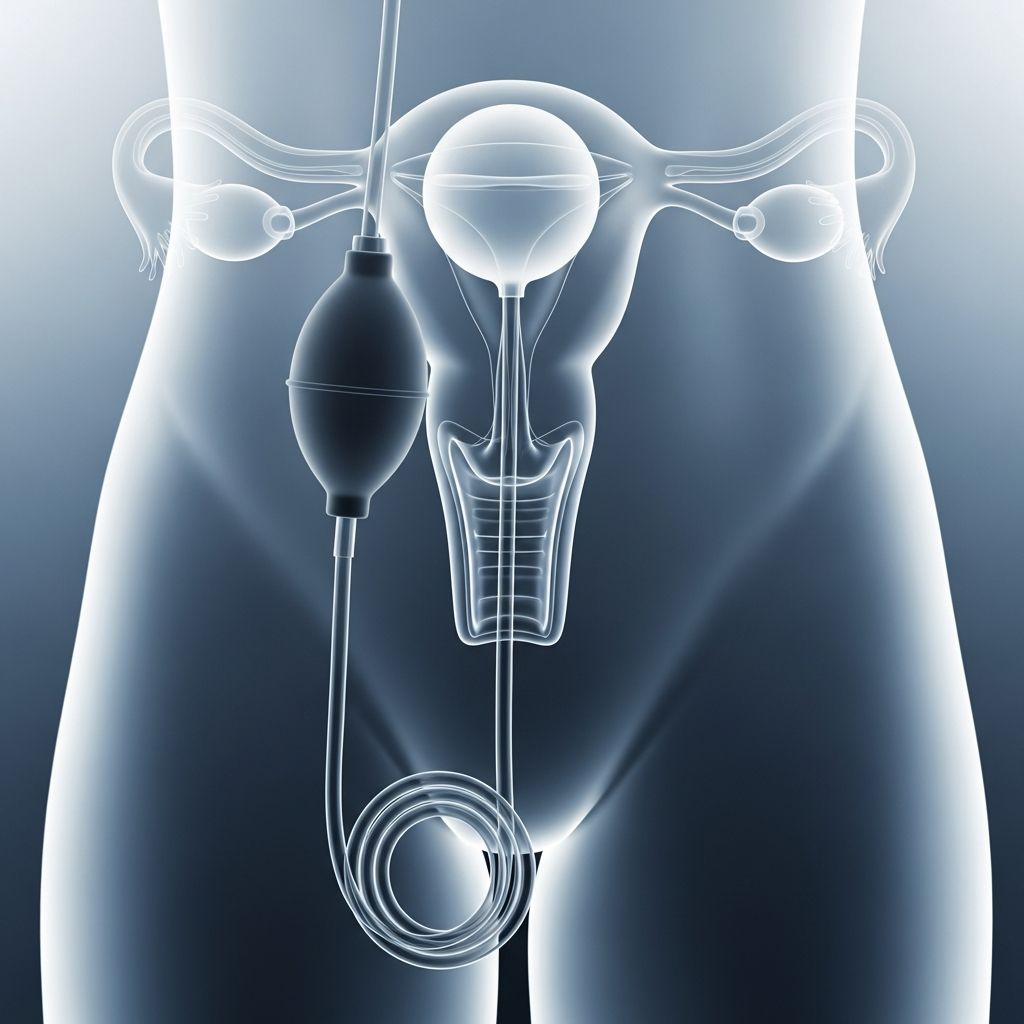
During pregnancy, hormonal shifts and immune changes can disrupt the vaginal microbiome, leading to infections that affect up to 30% of women. These conditions, while common, require prompt attention to safeguard maternal and fetal health.
Why Vaginal Health Matters More in Pregnancy
Pregnancy alters the body’s chemistry, with elevated estrogen levels increasing glycogen production in vaginal cells. This feeds yeast and alters bacterial balance, making infections like bacterial vaginosis (BV) and candidiasis more prevalent. BV affects 10-30% of pregnancies, while yeast infections rise to 30% in later trimesters due to these changes.
An imbalance in lactobacillus—the protective bacteria—allows harmful microbes to thrive. This not only causes discomfort but can lead to serious complications like preterm birth (PTB), low birth weight (LBW), and preterm premature rupture of membranes (PPROM).
Common Types of Vaginal Infections During Pregnancy
Several infections stand out for their frequency and impact during gestation.
Bacterial Vaginosis (BV): The Most Prevalent Concern
BV occurs when harmful bacteria overtake lactobacillus, often linked to low amylase and antimicrobial peptides. It’s not strictly sexually transmitted but associated with sexual activity.
- Symptoms: Fishy odor, grayish-white thin discharge, itching, burning during urination, pain during intercourse.
- Prevalence: 10-30% of pregnant women.
Untreated BV heightens PTB and PPROM risks.
Candidiasis (Yeast Infections): Hormonal Overgrowth
Caused by Candida overgrowth, fueled by high estrogen and sugars, symptoms mirror non-pregnant cases but demand pregnancy-safe treatments.
- Symptoms: Intense itching/redness of vulva, thick white ‘cottage cheese’ discharge, bread-like odor, soreness, burning with urination/sex.
- Prevalence: Up to 30% in second/third trimesters.
Normal pregnancy discharge is thin and odorless; infections produce distinct changes.
Other Notable Conditions
Beyond BV and yeast, issues like aerobic vaginitis (AV), genital mycoplasma, and mixed infections occur. Mixed vaginitis shows strongest links to adverse outcomes.
| Condition | Key Symptoms | Trimester Peak |
|---|---|---|
| Aerobic Vaginitis (AV) | Inflammatory discharge, odor | Third |
| Genital Mycoplasma | Often asymptomatic, linked to PTB | Second |
| Mixed Vaginitis | Combined symptoms, higher PTB/LBW risk | Variable |
Data from screening shows mycoplasma most common in second trimester, AV in third.
Recognizing Symptoms: What to Watch For
Early detection prevents escalation. Common red flags include:
- Unpleasant odors (fishy for BV, yeasty for candida).
- Abnormal discharge: Gray/thin (BV), clumpy white (yeast).
- Itching, burning, redness, pain with urination/sex.
- For non-infectious issues: Vulvar swelling (varicosities), pelvic pressure (cervical issues).
Distinguish from normal leukorrhea—increased clear/white discharge without symptoms. If symptoms arise, consult a provider; self-diagnosis risks missing complications.
Risks to Mother and Baby: The Stakes
Vaginal infections create an inflammatory environment ascending to the uterus, threatening fetal development.
- Preterm Birth (PTB): 15.65% in infected vs. 9.16% uninfected (P<0.001).
- Low Birth Weight (LBW): 10.82% vs. 5.93%.
- PPROM: 7.41% vs. 5.31%.
Mixed infections and early-trimester onset amplify risks. BV untreated correlates with preterm labor; yeast infections, while less directly harmful, cause maternal distress.
Safe Diagnosis and Treatment Approaches
Diagnosis involves speculum exam, pH testing, whiff test (KOH for BV odor), microscopy (clue cells for BV, yeast hyphae for candida).
Treatment prioritizes safety:
- BV: Oral or topical metronidazole/clindamycin (avoid in first trimester if possible).
- Yeast: Topical azoles (e.g., miconazole); oral fluconazole limited post-first trimester.
Always confirm with a healthcare provider—over-the-counter remedies may not suit pregnancy. Screening is debated but recommended for high-risk cases.
Prevention Strategies for Expectant Mothers
Proactive steps maintain vaginal balance:
- Wear cotton underwear, avoid douching/tight clothes.
- Practice safe sex, urinate post-intercourse.
- Probiotics with lactobacillus may help restore flora (consult provider).
- Maintain hygiene without harsh soaps; dry thoroughly.
- Control blood sugar if diabetic—yeast thrives on glucose.
Regular prenatal visits enable early intervention.
When to Seek Immediate Medical Help
Contact your midwife/doctor if:
- Discharge is green/yellow, bloody, or foul-smelling.
- Severe itching/pain, fever, or abdominal cramps.
- Any bleeding, especially with pressure.
Urgent care prevents ascent to chorioamnionitis or labor induction.
Frequently Asked Questions (FAQs)
Can vaginal infections harm my unborn baby?
Yes, untreated infections like BV increase PTB, LBW, and PPROM risks significantly.
Are yeast infections dangerous in pregnancy?
They cause discomfort but rarely direct fetal harm; treat promptly for relief.
Is BV sexually transmitted?
Not directly, but sexual activity raises risk via pH disruption.
How do I differentiate normal discharge from infection?
Normal is thin/clear/odorless; infections add odor, color, itching.
Can I use OTC treatments while pregnant?
Some topicals yes, but consult your doctor first.
Long-Term Outlook and Follow-Up
Post-treatment, monitor for recurrence—pregnancy heightens vulnerability. Postpartum, flora normalizes, but history of infections warrants vigilance in future pregnancies. Education empowers women; studies affirm screening/treatment reduces adverse outcomes.
Maintaining vaginal health supports a healthier pregnancy journey, minimizing complications and enhancing well-being for mother and child.
References
- Bacterial Vaginosis During Pregnancy: Symptoms & Treatment — American Pregnancy Association. 2023. https://americanpregnancy.org/healthy-pregnancy/pregnancy-complications/bacterial-vaginosis-during-pregnancy/
- Common Vaginal and Vulvar Issues During Pregnancy — Valley Perinatal Medical Group. 2024. https://valleyperinatal.com/vaginal-vulvar-disorders/
- Yeast Infections During Pregnancy: Symptoms, Treatment, and Prevention — Monistat. 2023. https://www.monistat.com/vaginal-health-blog-articles/yeast-infections-during-pregnancy-symptoms-treatment-and-prevention
- Infections in pregnancy and how they affect the baby — Medical News Today. 2023-05-15. https://www.medicalnewstoday.com/articles/322210
- Vaginal discharge in pregnancy — NHS. 2024. https://www.nhs.uk/pregnancy/common-symptoms/vaginal-discharge/
- The effects of vaginal infections on pregnancy outcomes — National Library of Medicine, PMC. 2024. https://pmc.ncbi.nlm.nih.gov/articles/PMC11837579/
- Vaginal Yeast Infection: Causes, Symptoms & Treatment — Cleveland Clinic. 2023-08-23. https://my.clevelandclinic.org/health/diseases/5019-vaginal-yeast-infection