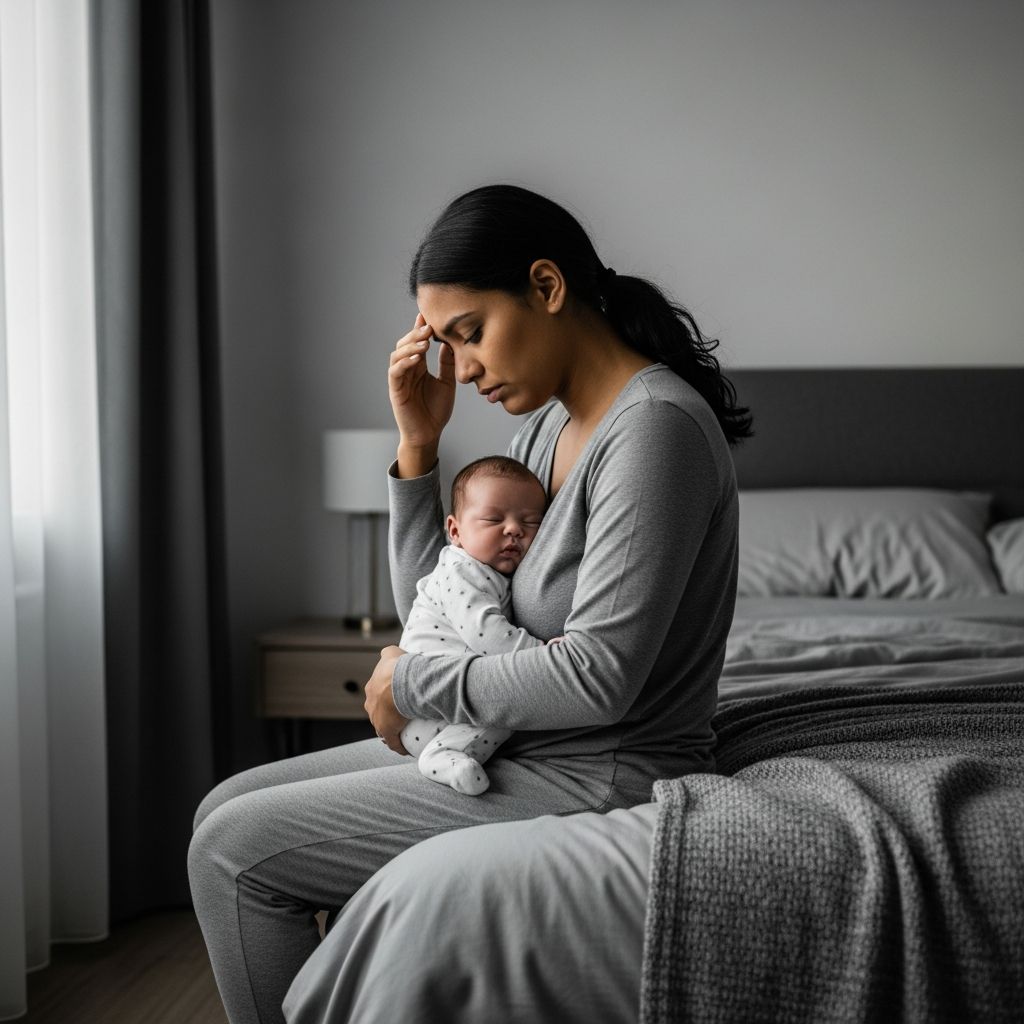
Absence of morning sickness during pregnancy surprises many expectant mothers, as nausea is often portrayed as a hallmark symptom. However, up to 30% of pregnancies proceed without it, leading to healthy outcomes just like those with symptoms.
Understanding Pregnancy Nausea Basics
Morning sickness, clinically known as nausea and vomiting of pregnancy (NVP), affects roughly 70% of women in the first trimester. It typically begins around week 6, peaks at 8-10 weeks, and fades by week 13-14 for most. Despite the name, symptoms strike anytime, triggered by odors, foods, or hormonal shifts.
Key contributors include elevated human chorionic gonadotropin (hCG) and estrogen levels, blood sugar drops, and metabolic changes. These protect the fetus by discouraging toxin exposure, per evolutionary theories.
- hCG surges: Peaks early, correlating with nausea intensity.
- Estrogen rise: Heightens smell and gag reflex sensitivity.
- Low blood sugar: Common in mornings, worsening queasiness.
Why Some Women Skip Nausea Altogether
Not everyone experiences NVP due to individual biology. Lower hormone sensitivity, efficient metabolism, or genetic factors play roles. A 2023 USC-Cambridge study pinpointed fetal hormone GDF15 as a trigger; maternal tolerance varies.
Pregnancies with multiples or prior severe nausea don’t guarantee symptoms next time—each is unique. Rest, diet, and stress levels influence too.
| Factor | Impact on Nausea Risk |
|---|---|
| Lower hCG/estrogen sensitivity | Reduces likelihood |
| Balanced blood sugar | Minimizes triggers |
| Genetic tolerance to GDF15 | Prevents symptoms |
| Healthy lifestyle | Lowers intensity |
Debunking the ‘Good Sign’ Myth
A common worry: Does no nausea signal problems? Studies show no—nausea-free pregnancies match symptomatic ones in viability. A 2016 analysis found early nausea links to slightly lower miscarriage risk (50-75% reduction), but absence doesn’t elevate it.
Tommy’s charity reassures: One study doesn’t define all cases; many factors interplay. Healthy babies arrive regardless.
Severe Nausea: When It’s More Than Normal
While mild NVP is common, hyperemesis gravidarum (HG) affects 1-3%, involving relentless vomiting, dehydration, and >5% weight loss. Risk factors: multiples, girl fetus, family history, prior HG.
- Warning signs: Vomiting >4x/day, inability to eat/drink, rapid weight loss, dizziness.
- Treatment: IV fluids, meds; hospital if severe.
Paradoxically, mild nausea absence is fine, but sudden severe onset warrants checks for thyroid issues or other conditions.
Health Outcomes for Nausea-Free Pregnancies
Research confirms no nausea correlates with normal placental development and term births. No increased miscarriage, preterm labor, or low birth weight risks. Some data hints severe nausea (not absence) may predict girls, but it’s not reliable.
Focus on overall wellness: prenatal vitamins, balanced nutrition, and ultrasounds monitor progress effectively.
Lifestyle Tips for Symptom Management (If Needed)
Even without nausea, these habits support pregnancy:
- Eat small, frequent meals with protein/carbs to stabilize blood sugar.
- Stay hydrated; ginger or lemon aids mild queasiness.
- Avoid triggers like strong smells; rest adequately.
- Consider vitamin B6 or OTC anti-nausea if symptoms emerge.
Emotional Side of Nausea-Free Pregnancy
Without the ‘rite of passage,’ some feel disconnected or anxious. Online forums amplify myths, but experts urge trusting medical checks over symptoms. Celebrate the ease—use energy for prenatal yoga, nutrition, or bonding prep.
Communicate with partners/doctors; reassurance comes from heartbeats and growth scans, not stomach flips.
Navigating Pregnancy Without Nausea
First trimester: Hormone peaks pass uneventfully for many. Second trimester: Energy surges without recovery from sickness. Third: Focus on birth prep unhindered.
Track milestones: heartbeat at 6-8 weeks, ultrasound at 12, anatomy scan at 20—all standard regardless of symptoms.
Common Concerns Addressed
Does no nausea mean twins? No, multiples often worsen symptoms due to higher hormones.
Will I miscarry? No evidence supports this; viability is symptom-independent.
Frequently Asked Questions
Is it normal to have no morning sickness?
Yes, about 30% of pregnancies lack it, with excellent outcomes.
Does absence of nausea affect baby?
No, placental health and growth are unrelated.
Can diet prevent nausea?
Balanced meals help manage or avert mild cases.
When to worry about no symptoms?
Rarely; consult if other issues like bleeding occur.
Is HG genetic?
Partly; family history raises risk.
Embracing a nausea-free pregnancy reduces stress, allowing focus on joy. Consult providers for personalized advice—routine care ensures thriving pregnancies.
References
- Morning Sickness: When It Starts, Treatment & Prevention — Cleveland Clinic. 2023. https://my.clevelandclinic.org/health/diseases/16566-morning-sickness-nausea-and-vomiting-of-pregnancy
- No Morning Sickness? You Don’t Need to Worry — Healthline. 2023. https://www.healthline.com/health/pregnancy/no-morning-sickness
- Morning Sickness – Symptoms and Causes — Mayo Clinic. 2023. https://www.mayoclinic.org/diseases-conditions/morning-sickness/symptoms-causes/syc-20375254
- If you don’t get morning sickness, there’s no need to worry — Tommy’s. 2023. https://www.tommys.org/pregnancy-information/blogs-and-stories/im-pregnant/pregnancy-news-and-blogs/if-you-dont-get-morning-sickness-theres-no-need-worry
- Researchers identify key cause of pregnancy sickness — Keck Medicine of USC. 2023-2024. https://keck.usc.edu/news/researchers-identify-key-cause-of-pregnancy-sickness-and-a-potential-way-to-prevent-it/