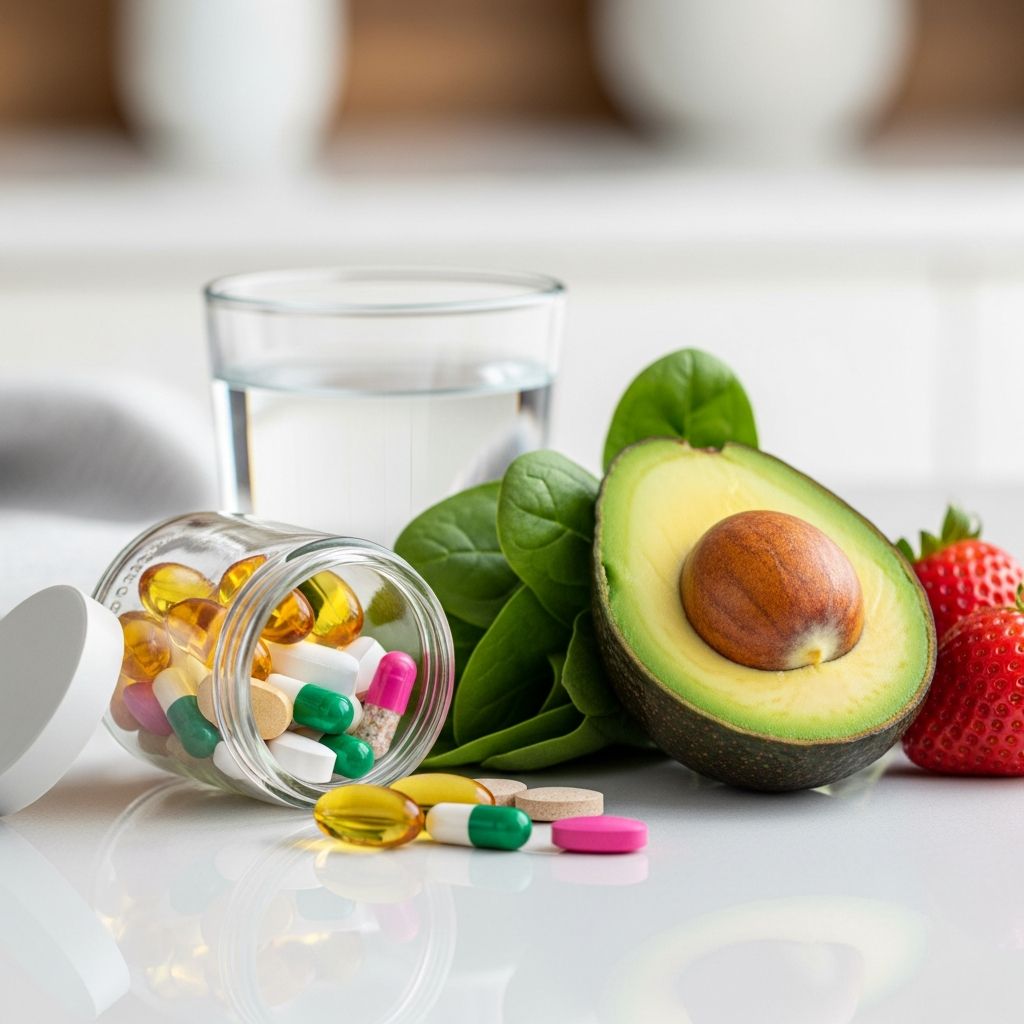
Prenatal vitamins serve as a foundational element in prenatal care, providing essential nutrients that address the heightened demands of pregnancy. These supplements help bridge dietary gaps, ensuring both maternal well-being and optimal fetal development. Health organizations worldwide recommend starting them before conception and continuing through breastfeeding to minimize risks like neural tube defects and anemia.
Why Prenatal Vitamins Matter for Expectant Mothers
During pregnancy, a woman’s body undergoes profound changes, requiring up to 50% more nutrients to support the growing fetus. Prenatal vitamins compensate for potential shortfalls in diet, particularly when nausea or food aversions limit intake. They reduce the incidence of preterm birth, low birth weight, and congenital anomalies, promoting healthier outcomes for both mother and baby.
Research indicates that consistent use lowers complications such as spina bifida by up to 70% when folic acid is included adequately. Iron prevents maternal anemia, which affects oxygen delivery to the placenta, while calcium safeguards maternal bone health.
Core Nutrients in Prenatal Vitamins and Their Roles
Prenatal formulations typically include a blend of vitamins and minerals tailored to pregnancy needs. Below is an overview of the most critical ones:
- Folic Acid (Folate): Vital for neural tube closure in the first trimester, reducing defects like spina bifida and anencephaly. Aim for 600 mcg daily; synthetic folic acid absorbs better than food sources.
- Iron: Supports increased blood volume, preventing anemia that causes fatigue and preterm risks. Pregnant women need 27 mg daily.
- Calcium: Builds fetal bones and teeth while preserving maternal density. Target 1,000 mg per day from supplements and dairy.
- Vitamin D: Enhances calcium absorption, supports immune function, and may lower preeclampsia risk. Require 600 IU daily.
- DHA (Omega-3): Promotes brain and eye development, linked to better cognitive outcomes in children.
- Other Essentials: Include iodine for thyroid health, zinc for immune support, and B vitamins like B12 for energy and red blood cell formation.
Comparing Key Nutrient Requirements: Pregnancy vs. Non-Pregnant
| Nutrient | Daily Need (Non-Pregnant Women) | Daily Need (Pregnant Women) | Primary Benefit |
|---|---|---|---|
| Folic Acid | 400 mcg | 600 mcg | Neural tube protection |
| Iron | 18 mg | 27 mg | Prevent anemia |
| Calcium | 1,000 mg | 1,000 mg | Bone development |
| Vitamin D | 600 IU | 600 IU | Calcium absorption |
| DHA | Not specified | 200-300 mg | Brain/eye growth |
This table highlights the elevated demands during pregnancy, underscoring why specialized vitamins are necessary.
Health Benefits Backed by Evidence
Preventing Birth Defects
Folic acid stands out for closing the neural tube by week 6, often before pregnancy confirmation. Studies show it slashes risks of spina bifida and related conditions.
Combating Anemia and Fatigue
Iron deficiency affects up to 40% of pregnancies; supplements maintain hemoglobin levels, reducing preterm delivery and low birth weight risks.
Supporting Bone and Immune Health
Calcium and vitamin D duo prevents fetal leaching from maternal stores, while zinc bolsters immunity against infections.
Enhancing Fetal Brain Development
DHA, an omega-3, correlates with improved neurodevelopment, making it a must-have in modern prenatals.
Choosing the Best Prenatal Vitamin for You
Select based on your diet, health history, and tolerances. Vegans may need B12 and DHA from algae; those with nausea prefer gummies or split doses. Consult your OB-GYN for personalized recommendations, especially if you have conditions like gestational diabetes.
- Check labels for USP verification to ensure quality.
- Opt for third-party tested products to avoid contaminants.
- Consider gentle iron forms like ferrous bisglycinate to minimize stomach upset.
Practical Tips for Daily Use
Start preconception for maximum benefits. Take with food to enhance absorption and reduce nausea. If one pill upsets your stomach, split into two doses or switch forms. Pair with a balanced diet rich in fruits, veggies, lean proteins, and whole grains—no vitamin replaces whole foods.
Track intake via apps and attend regular check-ups to monitor levels through bloodwork. Postpartum, continue for breastfeeding support.
Potential Side Effects and Solutions
Common issues include constipation from iron or fishy aftertaste from DHA. Solutions:
- Constipation: Increase fiber/water; choose chelated iron.
- Nausea: Take at bedtime or with ginger.
- Overdose Risk: Fat-soluble vitamins (A, D, E, K) can accumulate—stick to recommended doses.
Most side effects resolve with adjustments; severe issues warrant medical advice.
Frequently Asked Questions (FAQs)
Can I skip prenatal vitamins if I eat healthily?
No, even balanced diets may fall short on key nutrients like folic acid and iron due to pregnancy’s demands. Supplements ensure adequacy.
When should I start taking them?
Ideally preconception, but as soon as pregnancy is confirmed at latest. Early neural tube formation demands prompt action.
Are gummy prenatals effective?
Yes, if they meet nutrient profiles, though they may lack iron. Verify labels.
What if I forget a dose?
One missed dose won’t harm, but consistency matters. Resume normally without doubling up.
Do I need them while breastfeeding?
Yes, to replenish stores and support milk quality.
Integrating Prenatals into a Holistic Pregnancy Plan
Beyond supplements, prioritize sleep, exercise, stress management, and prenatal visits. A nutrient-rich diet amplifies benefits—think leafy greens for folate, salmon for DHA, and yogurt for calcium. This multifaceted approach fosters resilience against common issues like gestational diabetes or hypertension.
Emerging research explores tailored prenatals based on genetics, but standard ones suffice for most. Stay informed via trusted sources and your healthcare team.
References
- Yes, You Really Do Need to Take Prenatal Vitamins — OB/GYN Associates Marietta. 2023-05-15. https://www.obgynassociatesmarietta.com/blog/yes-you-really-do-need-to-take-prenatal-vitamins
- Your Essential Prenatal Vitamins Guide — UW Health Michigan. 2024-02-10. https://www.uwhmichigan.com/your-essential-prenatal-vitamins-guide/
- A critical evaluation of prenatal supplements: Are they meeting… — National Institutes of Health (PMC). 2024-01-22. https://pmc.ncbi.nlm.nih.gov/articles/PMC10866212/
- Prenatal Vitamins: Importance, Deficiency & Essentials — Cleveland Clinic. 2025-03-12. https://my.clevelandclinic.org/health/drugs/9754-pregnancy-prenatal-vitamins
- 10 Benefits of Prenatal Vitamins — Virginia Beach OBGYN. 2023-11-08. https://www.virginiabeachobgyn.com/blog/10-benefits-of-prenatal-vitamins/
- The Benefits of Taking Prenatal Vitamins for Your Pregnancy — Mercy Health. 2024-06-20. https://www.mercy.net/service/prenatal-care/pregnancy-vitamins-nutrients/