After pregnancy and childbirth, many women notice significant changes in their skin due to hormonal shifts, sleep deprivation, and physical demands. These alterations can include dryness, dark spots, breakouts, and stretch marks, but with targeted care, restoration is achievable. This guide explores safe, effective approaches to rejuvenate postpartum skin, prioritizing options suitable for breastfeeding mothers.
Understanding Hormonal Impacts on Your Skin
Hormonal fluctuations during and after pregnancy trigger various skin concerns. Estrogen and progesterone levels drop sharply postpartum, leading to reduced collagen production and increased sensitivity. Melanin production surges, causing hyperpigmentation like melasma, while androgen spikes can provoke acne. Up to 90% of women experience stretch marks from rapid skin stretching. Stress and fatigue exacerbate dullness and dehydration, compromising the skin barrier.
Recognizing these changes empowers proactive care. Daily protection from UV exposure is crucial, as sun intensifies pigmentation. Breastfeeding prolongs some issues, like acne, due to sustained hormone elevation. Patience is key—many improvements occur naturally within months, but consistent routines accelerate recovery.
Building a Gentle Daily Skincare Routine
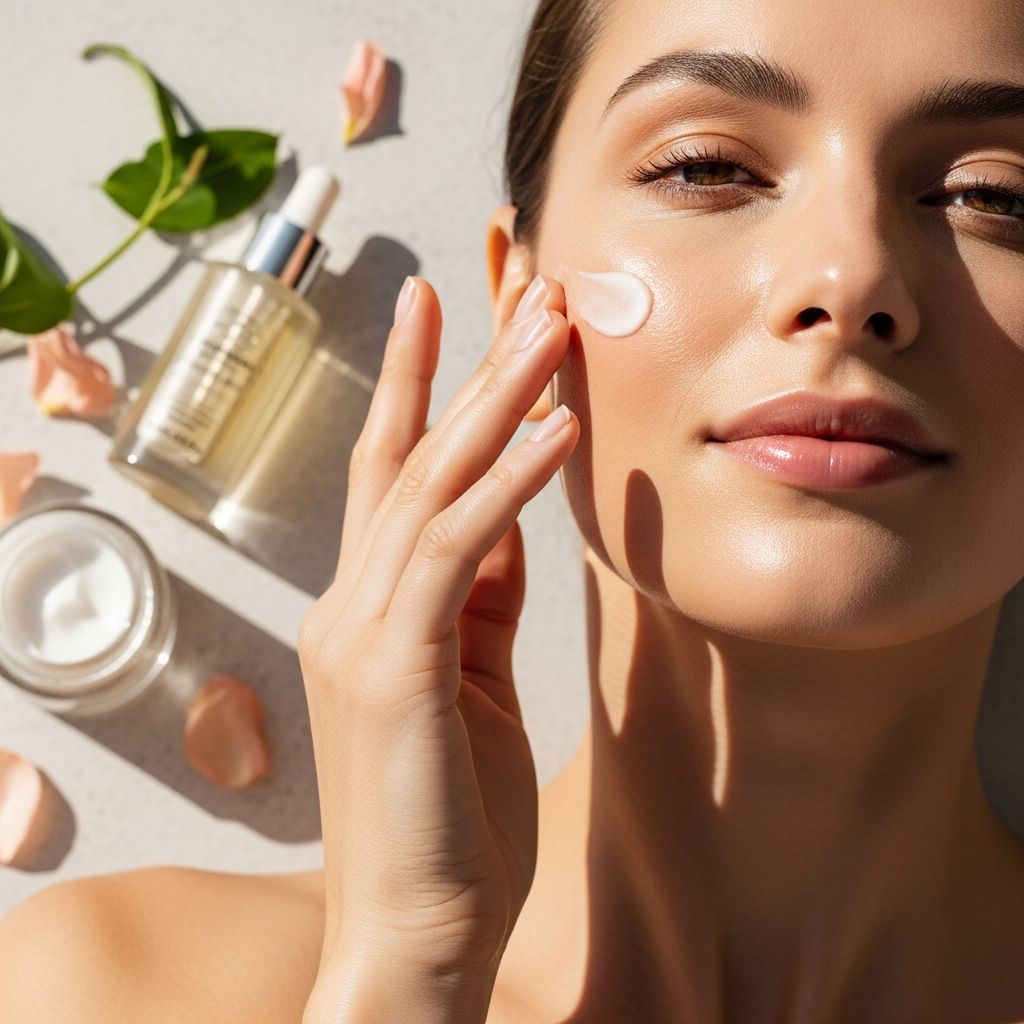
A simple, non-irritating regimen forms the foundation of postpartum skin health. Focus on hydration, barrier repair, and mild actives safe for nursing moms.
- Cleansing: Choose fragrance-free, gentle cleansers to avoid stripping natural oils. Opt for creamy formulas over foaming ones to maintain moisture.
- Hydration: Layer hyaluronic acid serums and ceramide-rich moisturizers. These humectants draw in moisture, while emollients and occlusives lock it in, combating dryness effectively.
- Protection: Apply broad-spectrum SPF 30+ mineral sunscreen daily, even indoors, to prevent pigmentation worsening.
- Exfoliation: Use mild chemical exfoliants like azelaic acid sparingly, avoiding retinols during breastfeeding.
Incorporate these steps morning and night for optimal results. Consistency trumps complexity, especially with a newborn’s schedule.
Tackling Common Concerns: Dryness and Dullness
Postpartum dryness stems from hormonal dips and dehydration, leaving skin flaky and lackluster. Combat it with multi-component moisturizers featuring humectants (hyaluronic acid, glycerin), emollients (shea butter), and occlusives (petrolatum). Vitamin C serums brighten dull complexions and boost collagen without irritation.
For enhanced glow, professional treatments like Clear + Brilliant laser resurfacing refine texture and pores with minimal downtime. It’s gentle, promoting collagen for radiant skin. Radiofrequency microneedling tightens and revitalizes, ideal for tired-looking skin. Always consult a dermatologist to ensure safety.
| Concern | At-Home Solution | Pro Treatment |
|---|---|---|
| Dryness | Hyaluronic acid + ceramides | RF Microneedling |
| Dullness | Vitamin C serum | Clear + Brilliant laser |
Managing Hyperpigmentation and Melasma
Dark patches, or melasma, affect many postpartum women due to hormone-driven melanin overproduction, worsened by sun. Prevention starts with rigorous sun avoidance and daily SPF. Brightening agents like vitamin C, niacinamide, and azelaic acid fade spots safely for breastfeeding.
Advanced options include PicoSure laser or chemical peels like Cosmelan, which target pigmentation without downtime. IPL therapy reduces browns and reds, evening tone. Start topicals early for best control, as late-stage melasma resists treatment.
Addressing Hormonal Acne Breakouts
Acne flares from elevated androgens, persisting longer in breastfeeding due to prolactin. Skip harsh scrubs; use salicylic acid or benzoyl peroxide cleansers to unclog pores. Azelaic acid calms inflammation and kills bacteria safely.
For stubborn cases, peels like Mandelic Acid offer gentle exfoliation. Stress reduction and sleep aid prevention, as cortisol fuels breakouts. Birth control may help severe acne by balancing hormones, under medical guidance.
Reducing Stretch Marks and Skin Laxity
Stretch marks result from torn collagen during expansion, appearing on abdomen, hips, and breasts. Early intervention with retinoids or hyaluronic acid topicals improves appearance, though complete removal is rare. Laser resurfacing (Fraxel, ResurFX) and RF microneedling stimulate repair, shrinking lines.
Skin laxity, especially abdominal, responds to Thermage or Ultherapy—non-invasive radiofrequency and ultrasound tighten by boosting collagen. “Mommy Makeover” protocols combine these for comprehensive results. Multiple sessions yield progressive improvement.
Non-Invasive Professional Treatments Overview
Busy moms benefit from quick, effective in-office procedures with little recovery.
- Microneedling (RF-enhanced): Builds collagen for volume, elasticity, and scars.
- Lasers (IPL, PicoSure, Vbeam): Evens tone, reduces reds/browns, stretch marks.
- Ultrasound/RF (Ultherapy, Thermage): Firms sagging skin non-surgically.
- Peels: Brighten and renew surface for acne, pigmentation.
These are breastfeeding-safe when vetted by experts. Combine with home care for synergy.
Lifestyle Factors for Lasting Skin Health
Beyond topicals, holistic habits amplify results. Prioritize hydration—drink ample water to support skin plumpness. Reduce stress via short meditations or walks, curbing cortisol-induced issues. Sleep, even in snippets, aids repair. Nutrient-rich diets with omega-3s and antioxidants bolster skin from within. Post-shower moisturizing on damp skin seals hydration naturally.
Avoid triggers: skip hydroquinone, tretinoin, and high-alcohol products while nursing. Patch-test new items to prevent sensitivity.
Frequently Asked Questions (FAQs)
Is retinol safe postpartum while breastfeeding?
No, avoid retinols and retinoids; they may pass into milk. Use azelaic acid or niacinamide alternatives.
How soon can I start professional skin treatments after birth?
Wait 6-8 weeks or as cleared by your doctor. Gentle lasers and peels are often safe earlier.
Will stretch marks fade completely?
Not entirely, but treatments like lasers reduce visibility by 50-75% with consistency.
What’s the best sunscreen for sensitive postpartum skin?
Mineral-based (zinc oxide) SPF 30+ broad-spectrum, non-comedogenic.
Can diet affect my postpartum skin?
Yes, anti-inflammatory foods (berries, fish, greens) support collagen and reduce inflammation.
Personalized Care: When to See a Specialist
If concerns persist beyond 3-6 months or worsen, consult a dermatologist experienced in postpartum skin. They tailor plans, ruling out conditions like eczema. Track progress with photos for objective assessment.
Self-care postpartum honors your body’s incredible work. Restored skin boosts confidence, aiding your new motherhood journey.
References
- Common Postpartum Skin Concerns & How To Treat Them — GMA Clinic. 2023. https://gmaclinic.com/common-postpartum-skin-concerns-how-to-treat-them/
- Postpartum Skincare and Rejuvenation — Cosmetic Laser Dermatology. 2023. https://clderm.com/postpartum-skincare-and-rejuvenation/
- 9 Postpartum Skin and Hair Care Tips — Healthline. 2023-10-01. https://www.healthline.com/health/postpartum-skin-care-tips-for-nurturing-your-skin-and-hair-after-pregnancy
- Your Postpartum Skin Playbook — Equinox. 2025-03-01. https://www.equinox.com/articles/2025/03/your-postpartum-skin-playbook
- Managing Postpregnancy Hormonal Skin Issues in Breastfeeding Women — Dermatology Times. 2023. https://www.dermatologytimes.com/view/managing-postpregnancy-hormonal-skin-issues-in-breastfeeding-women
- The Top Non-Surgical Treatments for Postpartum Body Changes — Synergy Plastic Surgery. 2023. https://www.synergyplasticsurgery.com/blog/the-top-non-surgical-treatments-for-postpartum-body-changes/
- Skin and Hair Problems After Baby? Here’s the Solution — Augusta University GCC News. 2020-01-06. https://gccnews.augusta.edu/2020/01/06/skin-and-hair-problems-after-baby-heres-the-solution/