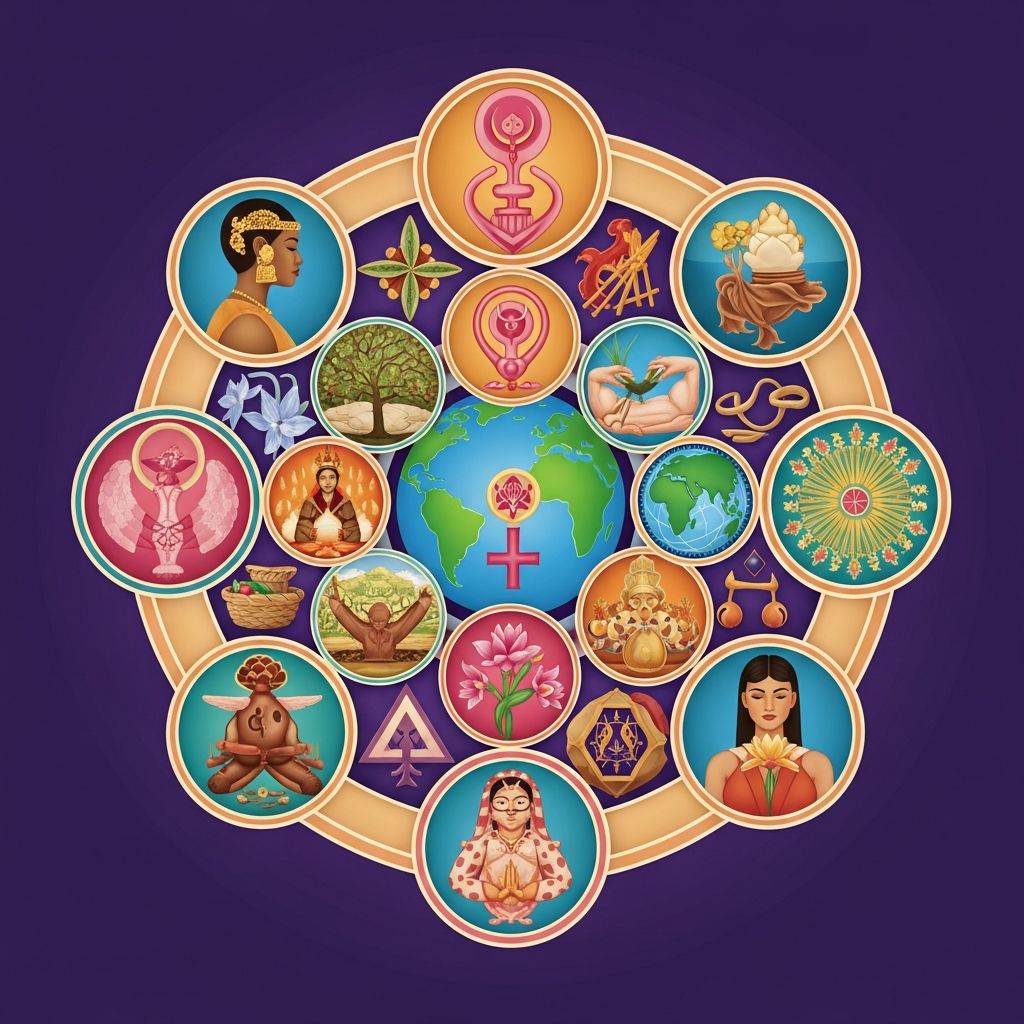
Across history and geography, people have turned to rituals, objects, and ceremonies when they longed for children, blending spiritual belief, community support, and symbolic acts to invite new life into their families.
Why Fertility Rituals Appear in Every Culture
Fertility has always been central to survival: more children meant more help in the fields, stronger family lines, and continuity of community traditions. [web:5] Long before medical explanations were available, communities relied on stories, symbols, and sacred actions to make sense of infertility and to feel some control over an unpredictable part of life. [web:5]
These customs often connect human fertility with the cycles of nature, such as planting, harvest, spring rains, and animal reproduction, creating a shared language between the body and the land. [web:5] Even in modern times, people continue to preserve or adapt these practices, not necessarily as literal solutions, but as ways to find comfort, hope, and connection with ancestors. [web:1]
Sacred Objects and Places of Fertility
Many fertility rites focus on specific objects or locations believed to hold spiritual power, such as statues, stones, chairs, or graves associated with saints and legendary figures. [web:1][web:3] Pilgrims often travel to these sites, touch or sit on the object, say a prayer or wish, and sometimes leave tokens of gratitude if a pregnancy later occurs. [web:1]
- Religious relics and chairs: In parts of Italy, women line up to sit on a so-called miracle chair linked to a Catholic saint, hoping that a blessing received there will help them conceive. [web:1]
- Cemeteries and tombstones: In France, a 19th-century journalist’s grave in Paris has become an unlikely fertility symbol, with visitors performing informal rituals around the statue on his tomb. [web:1]
- Ancient stones and openings: In the United Kingdom, legends surround standing stones or rock formations with narrow openings; passing through them a set number of times is said to encourage conception. [web:2]
Although there is no scientific evidence that these physical objects influence fertility, their emotional impact can be powerful, allowing individuals and couples to feel held by a wider story and community tradition. [web:1] The photos, ribbons, and written notes left behind act as a visible archive of private hopes and public gratitude. [web:1]
Water, Cleansing, and Renewal
Water is one of the most universal fertility symbols, linked to rain, rivers, and the growth of crops, so it naturally appears in many rituals that aim to bless the body and future children. [web:7] Some practices combine water with seasonal festivals, turning ordinary dousing or bathing into a communal event of renewal and good wishes. [web:2]
- Festive dousing in Eastern Europe: In a Hungarian village known for its Easter traditions, men pour buckets of water over women dressed in folk costumes, echoing older cleansing rites believed to boost fertility and vitality. [web:1][web:2]
- Springs and holy wells: In various European countries, women visit sacred wells or springs, wash their hands or faces, drink the water, or tie ribbons nearby as a sign of a prayer for children. [web:7]
- Ritual baths and immersion: Around the world, ritual baths before marriage, during menstrual cycles, or before conception symbolize washing away misfortune and preparing the body for new life. [web:4]
These water-focused customs often double as social occasions, reinforcing community ties while also giving women a space to speak about hopes, fears, and experiences with fertility and motherhood. [web:2] The playful aspect of festivals, especially those held in spring, can lighten a topic that is otherwise emotionally heavy for many couples. [web:7]
Food, Herbs, and Fertility-Friendly Diets
Another common thread in fertility traditions is the use of food and herbal remedies, reflecting the belief that what enters the body can influence conception. [web:1][web:4] Whether or not these ingredients have measurable effects, they are woven into cultural stories about strength, vitality, heat, and balance. [web:10]
- Exotic broths and tonics: In Chinese culture, a delicacy known as bird’s nest soup, made from the edible nests of swiftlets, is marketed as a nourishing, fertility-supporting food and is sometimes used in modern wellness products. [web:1]
- Herbal infusions and teas: Across Asia and Africa, midwives and traditional healers prepare teas containing local herbs to support menstrual regularity, ease pain, or “warm” the womb, especially when couples are trying to conceive. [web:4]
- Symbolic fruits and seeds: Pomegranates, grains, and seeds appear in many fertility-related celebrations, from wedding feasts to New Year rituals, representing abundance and many future children. [web:9]
Modern medicine advises caution with herbal remedies, especially during pregnancy, but many people still value these practices as part of a holistic or ancestral approach to fertility. [web:10] Conversations about traditional remedies also provide an entry point for discussing nutrition, lifestyle, and emotional wellbeing with healthcare providers. [web:10]
Touch, Massage, and Body Alignment
In several cultures, fertility is approached through physical therapies that seek to realign the body, particularly the uterus and pelvis, and improve circulation to the reproductive organs. [web:1] These methods blend spiritual ideas about energy and balance with anatomical observations developed over generations of practice. [web:9]
- Mayan abdominal massage: In parts of Latin America, a traditional massage technique focuses on repositioning the uterus and supporting reproductive health, and some modern practitioners still promote these methods as complementary care. [web:1]
- Midwife-guided massage: In Morocco and other parts of North Africa, midwives use oils and massage on the belly and lower body during pregnancy and childbirth to facilitate delivery and ease pain. [web:4]
- Acupressure and energy work: East Asian healing systems sometimes include specific points believed to influence reproductive organs, used alongside other modalities such as acupuncture or herbal prescriptions. [web:10]
While scientific research on these practices varies in quality, their popularity reflects a broader desire to feel actively involved in preparing the body for conception, rather than waiting passively. [web:10] They also reinforce the sense that fertility is not only a medical issue, but a lived, embodied experience shaped by touch, care, and interpersonal trust. [web:4]
Rituals That Link Fertility and Death
Some of the most striking fertility customs occur in contexts of mourning, connecting the end of one life with the hope for another. [web:2] This apparent contradiction reflects an older worldview in which life and death are part of one continuous cycle, rather than separate events. [web:5]
- Funeral-based customs: In certain Cantonese communities, daughters-in-law once performed rituals around a coffin while wearing green cloth over their stomachs, seeking to absorb the deceased person’s life force and channel it into new generations. [web:2]
- Graveside wishes: As with the Parisian journalist’s tomb that has become a fertility pilgrimage site, some graves are believed to offer blessings for love and children if visitors follow specific gestures or offerings. [web:1]
- Memorial seeds and planting: Families in different parts of the world plant trees or scatter seeds during funerals, tying future growth to the memory of the person who has died. [web:7]
These practices can offer comfort by suggesting that a family line continues even in the face of loss, and that ancestors play an active role in watching over future children. [web:5] They also show how communities use symbolism to transform grief into renewed commitment to life and continuity. [web:2]
Spring Festivals and Public Celebrations of New Life
Seasonal festivals are a natural setting for fertility symbolism, especially in spring when plants sprout and animals give birth, making it an obvious metaphor for human reproduction. [web:7] Many communities use parades, games, and colorful rituals to celebrate sexuality, marriage, and the hope for children. [web:3]
- Phallic parades and icons: In Japan, a spring festival features large phallic symbols carried through the streets, reflecting ancient beliefs that honoring generative power can protect participants and encourage fertility. [web:3]
- Egg decorating and exchanges: In Eastern Europe, intricately painted eggs represent new life and are offered during spring holidays as blessings for fertility, prosperity, and protection. [web:7]
- Maypoles and dancing: Some European spring celebrations involve dancing around a tall pole or tree, weaving ribbons and singing, which scholars interpret as symbolic of growth, union, and fertility of the land and people. [web:7]
These festive environments often blur the line between sacred and playful, allowing people to speak more openly about sexuality and reproduction than they might in everyday life. [web:3] At the same time, they reinforce social expectations around marriage and childbearing, which can be supportive for some and pressuring for others. [web:10]
Fertility Ritual Themes at a Glance
Despite their diversity, fertility customs across cultures share repeating themes such as water, touch, sacred places, and the turning of the seasons. [web:5] The table below highlights some of these common motifs and how they appear in different traditions.
| Core Theme | Typical Symbol or Action | Example Regions or Practices |
|---|---|---|
| Water and cleansing | Pouring water, ritual baths, visits to springs | Hungarian Easter dousing, pilgrimages to holy wells in Europe [web:1][web:2][web:7] |
| Sacred objects and places | Sitting on a chair, touching a stone, visiting a grave | Italian miracle chairs, fertility-associated graves in Paris, British standing stones [web:1][web:2] |
| Food and herbs | Special soups, herbal teas, symbolic fruits | Bird’s nest soup in China, herbal infusions in Africa and Asia, pomegranate use in rituals [web:1][web:4][web:9] |
| Body work and alignment | Massage, acupressure, midwife-guided touch | Mayan abdominal massage, Moroccan midwife massage, East Asian acupressure points [web:1][web:4][web:10] |
| Life–death connection | Rituals at funerals or graves, planting trees | Cantonese coffin customs, memorial plantings, graveside fertility wishes [web:2][web:5][web:7] |
| Seasonal and public festivals | Parades, dancing, egg painting, phallic icons | Japanese phallic festival, Eastern European egg traditions, European maypole dances [web:3][web:7] |
Modern Perspectives on Ancient Fertility Customs
In the age of assisted reproductive technologies, global travel, and online health information, fertility rituals may seem outdated, yet many people still turn to them alongside medical treatment. [web:10] For some, the appeal lies less in literal belief and more in the sense of agency, continuity, and community these customs provide. [web:10]
At the same time, modern discussions emphasize the importance of informed consent, gender equality, and respect for personal choice, especially when rituals could create pressure or shame for those who do not wish to have children or who struggle with infertility. [web:9] Healthcare providers increasingly recognize that understanding a patient’s cultural background, including fertility beliefs, can improve communication and support. [web:4]
Frequently Asked Questions About Fertility Rituals
Do fertility rituals actually work?
There is no reliable scientific evidence that traditional rituals by themselves can resolve medical causes of infertility, such as blocked fallopian tubes or low sperm count. [web:10] However, some associated practices, like stress reduction, community support, and attention to overall health, can complement medical care and improve quality of life. [web:9]
Is it safe to try traditional herbal remedies?
Safety depends heavily on the specific plants used, dosage, and individual health conditions, and some herbs can interact with medications or harm a developing pregnancy. [web:10] Anyone considering herbal or alternative treatments should discuss them with a qualified healthcare professional or pharmacist before use. [web:4]
Why do so many rituals involve water, stones, or statues?
Anthropologists note that water, stones, and carved figures are ancient symbols of life, permanence, and generative power, making them natural focal points for hopes related to fertility. [web:5] Over time, specific places or objects become associated with successful pregnancies and gain reputations as pilgrimage sites where others can seek similar blessings. [web:1]
Can participating in a ritual be helpful even if someone is not religious?
Many people treat rituals as meaningful ceremonies rather than religious obligations, using them as opportunities to reflect, express emotion, and mark important transitions. [web:9] As long as participation feels respectful and voluntary, such practices can offer comfort and a sense of being supported during an uncertain journey. [web:10]
How can modern couples honor tradition while using medical fertility treatments?
Some couples light candles, visit family shrines, or perform cultural blessings before or after clinical procedures, blending personal heritage with modern medicine. [web:10] Others involve relatives in supportive ways—such as sharing meals, exchanging symbolic gifts, or preserving small, non-invasive customs—while keeping medical decisions between themselves and their healthcare team. [web:4]
Fertility rituals, whether solemn or playful, ancient or newly invented, reveal a shared human desire: to feel that the longing for a child is seen, supported, and woven into a story larger than one individual family. [web:5] Even as medical science advances, these cultural practices remain powerful expressions of hope, identity, and connection across generations. [web:10]