Reaching week 16 of pregnancy often feels like turning a corner. You are well into the second trimester, many early discomforts may be easing, and your baby is rapidly developing new skills and features inside the womb.
How Your Baby Is Changing in Week 16
At 16 weeks, your baby is becoming more active, more expressive, and more recognizable as a tiny human. Body systems formed earlier in pregnancy are now becoming more coordinated and efficient.
- The head is better aligned with the body, giving your baby a more balanced profile.
- Facial muscles are working, allowing your baby to practice expressions such as frowning or squinting, even though they are not yet intentional.
- Arms and legs move more smoothly, and the joints allow bending, stretching, and kicking.
- Internal systems such as the circulatory and urinary systems continue to mature and work together.
Your baby is also gaining strength. Movements are becoming more purposeful, which sets the stage for the flutters many parents begin to notice between weeks 16 and 20.
Your Body at Week 16: What You Might Notice
By week 16, your uterus has grown enough that your pregnancy may now be visible as a small but distinct baby bump. Hormonal shifts and increased blood volume can bring both welcome relief from early nausea and new sensations to navigate.
- More energy: Many people find that fatigue improves as the second trimester progresses, allowing for more activity and daily routines.
- Changing shape: Clothes may fit differently as your waistline expands and your posture adjusts.
- Breast changes: Breasts may feel fuller or heavier as milk ducts continue to develop.
- Nasal or gum sensitivity: Increased blood flow can cause stuffiness, nosebleeds, or tender gums in some pregnancies.
Every pregnancy is unique. Some people feel dramatic changes at this stage, while others notice only subtle shifts from week to week.
Possible Symptoms in the Sixteenth Week
Symptoms vary widely, but several experiences are common around week 16. Not everyone will have all of these, and the intensity can differ greatly.
- Lingering nausea or heartburn: Even if early morning sickness has eased, certain foods or large meals can still trigger discomfort.
- Mild round ligament pain: As the uterus enlarges, you might feel brief, sharp twinges on one or both sides of the lower abdomen, especially when you change positions quickly.
- Increased appetite: With your baby growing and your metabolism adapting, you might notice that you feel hungry more often.
- Lightheadedness: Changes in blood pressure and circulation can lead to moments of dizziness, especially when standing up too fast.
- Skin changes: Some people notice a “pregnancy glow,” while others develop new freckles, darkening of the skin on the belly (linea nigra), or acne.
Severe pain, heavy bleeding, or persistent symptoms that worry you should always be discussed with your healthcare provider promptly.
Feeling Movement: What to Expect Now
Week 16 is often the beginning of a period when you may start to wonder whether those subtle flutters are your baby’s movements or simply digestion. For many first-time pregnancies, clear movements are felt closer to 18–20 weeks, but some experience them earlier.
- Early movement may feel like gentle flutters, bubbles, or a light tapping sensation deep in the abdomen.
- Those who have been pregnant before may recognize these feelings sooner and with more certainty.
- Factors such as the position of the placenta and your body type can influence how soon movements are felt.
If you do not feel movement at week 16, it is usually completely normal. Regular movement tracking typically begins later in pregnancy, as guided by your healthcare team.
Healthy Habits to Support Week 16
Taking care of yourself is one of the best ways to support your baby’s development. A few consistent, manageable habits can make a significant difference in how you feel throughout the second trimester.
- Hydration: Drinking enough water helps support healthy blood flow, digestion, and amniotic fluid levels.
- Balanced meals: Focus on a mix of lean protein, whole grains, fruits, vegetables, and healthy fats to fuel your body and growing baby.
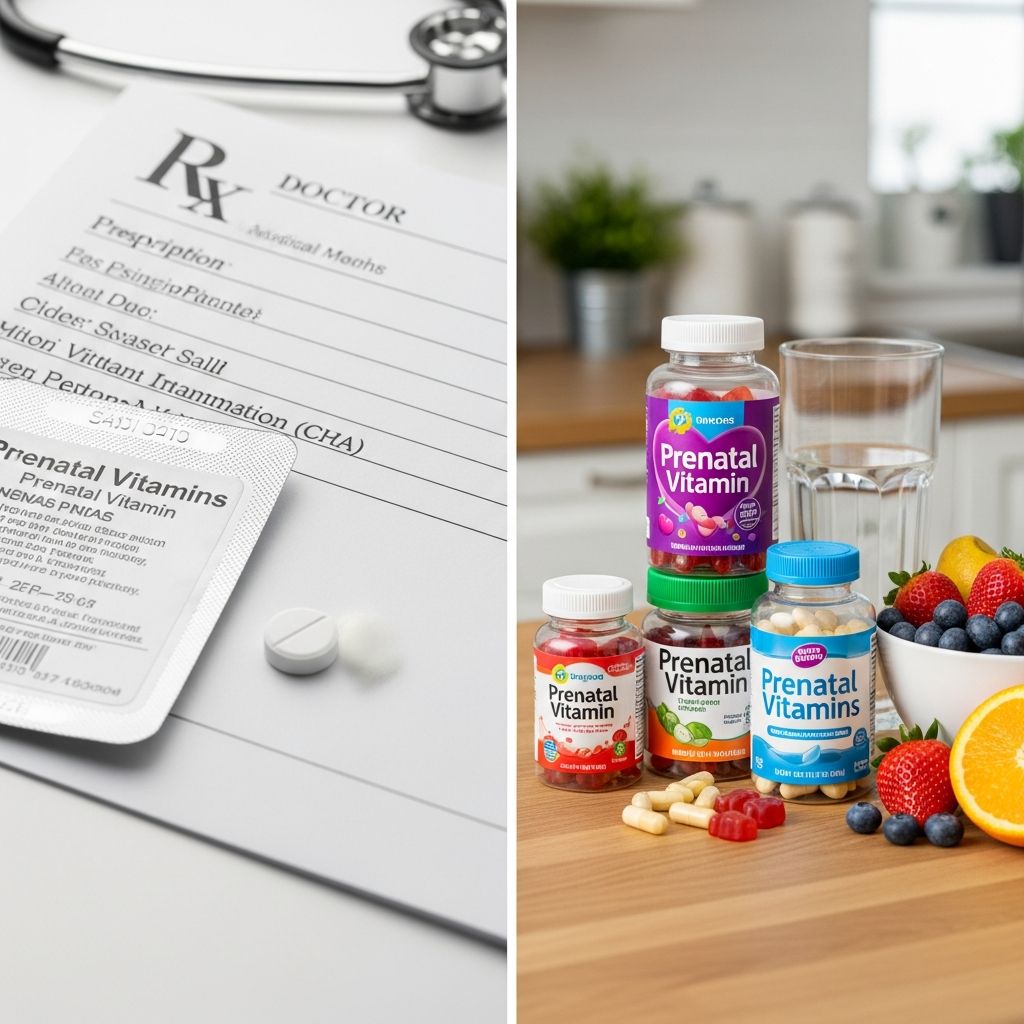
- Prenatal vitamins: Continue to take supplements as recommended to help cover nutritional gaps.
- Sleep and rest: Aim for regular sleep and short rests when you feel tired, especially if your schedule is busy.
Small, consistent steps matter more than perfection. Building habits now can help you feel more prepared for the demands of late pregnancy and the newborn period.
Safe Exercise and Movement in Week 16
Many people feel well enough in the second trimester to be more physically active. Movement can boost mood, support circulation, and reduce some common aches and pains, as long as it is done safely.
- Low-impact activities such as walking, swimming, and prenatal yoga are often well tolerated for many pregnancies.
- Exercises that focus on posture and core stability can help ease back strain as your belly grows.
- It is generally wise to avoid contact sports, activities with a high risk of falling, or anything that feels painful or unsafe.
Always check with your healthcare provider about which exercises are appropriate for your specific situation, especially if you have any medical or pregnancy-related complications.
Nutrition Priorities for the Second Trimester
By week 16, your nutritional needs continue to rise, but that does not mean you must “eat for two” in a literal sense. Instead, focus on food quality and steady, modest increases in daily energy intake if recommended by your provider.
- Include iron-rich foods such as beans, lentils, leafy greens, or lean meats to support your growing blood volume.
- Pair sources of iron with vitamin C–rich foods (for example, citrus fruits or bell peppers) to help with absorption.
- Incorporate calcium sources such as fortified plant milks, dairy, or calcium-rich greens to support developing bones and teeth.
- Healthy fats from nuts, seeds, avocados, or oils play a role in brain and nervous system development.
If nausea or food aversions persist, small, frequent meals and simple snacks may be easier to tolerate than large portions.
Emotional and Mental Well-Being
Alongside physical changes, week 16 can also bring emotional shifts. Many people feel relief that the early weeks have passed, but it is equally common to feel anxious, distracted, or unexpectedly emotional.
- Hormonal changes and life adjustments can contribute to mood swings, irritability, or tearfulness.
- Thoughts about parenting, work, relationships, or finances may feel more pressing as the pregnancy becomes more visible.
- Moments of excitement and joy may alternate with moments of worry, often within the same day.
If feelings of sadness, anxiety, or hopelessness persist, or if they interfere with daily life, reach out to your healthcare team or a mental health professional who has experience with pregnancy-related concerns.
Week 16 Checkups and Screening Options
Some parents have routine prenatal visits and optional screening tests around this time, depending on individual circumstances and local guidelines. These appointments help monitor the health of both the pregnant person and the baby.
- Basic checks often include weight, blood pressure, and urine testing.
- Fundal height measurements and fetal heart tones may be assessed as pregnancy progresses.
- Certain blood tests or screening options may be offered during the second trimester to look for specific conditions or risk factors.
Before any test, you can ask what information it may provide, what decisions it might influence, and whether it is recommended in your particular situation.
Planning Ahead: Work, Home, and Support
By week 16, many people begin to share news of the pregnancy more widely at work, with friends, or within their community. This can be a good time to think about support systems and practical planning.
- Review workplace policies or local regulations regarding parental leave, scheduling flexibility, and accommodations if needed.
- Consider who might help you after the baby arrives, whether that is a partner, family member, friend, or hired support.
- Start gathering information about childbirth education classes, breastfeeding support, or newborn care workshops.
Planning does not have to be perfect or complete at this stage, but small steps can reduce stress later in pregnancy.
Week 16 Pregnancy Overview Table
The following table summarizes common features of week 16. Remember that individual experiences will differ, and your healthcare provider is the best source of guidance for your specific pregnancy.
| Aspect | What Often Happens Around Week 16 |
|---|---|
| Baby’s development | More coordinated movement, clearer facial features, and continued growth of body systems. |
| Common physical changes | Visible baby bump, breast fullness, occasional mild ligament pain, and changing energy levels. |
| Typical symptoms | Reduced nausea for many, possible heartburn, lightheadedness, or nasal congestion. |
| Emotional state | Mixture of excitement, anxiety, and adjustment to the reality of approaching parenthood. |
| Key self-care focuses | Balanced nutrition, hydration, reasonable activity, and adequate sleep, plus attention to mental health. |
Frequently Asked Questions About Week 16
Is it normal not to feel my baby move yet at 16 weeks?
Yes. Many people do not clearly feel movement until closer to 18–20 weeks, especially in a first pregnancy. The timing depends on many factors, including the position of the placenta and your individual sensitivity.
Should I be showing by now?
Some people have a visible bump by week 16, while others still look very similar to their pre-pregnancy shape. Body type, muscle tone, previous pregnancies, and the baby’s position all influence when a bump becomes noticeable.
What symptoms are concerning at week 16?
Any heavy vaginal bleeding, severe abdominal pain, sudden or intense headaches, vision changes, or difficulty breathing should be evaluated urgently. When in doubt, contact your healthcare provider or local emergency services.
Can I still exercise if I feel tired?
Light to moderate activity is often safe and can even improve energy over time, but it is important to listen to your body. If you feel unusually tired, dizzy, or unwell, rest and discuss your symptoms and activity level with your healthcare provider.
How much weight should I gain by week 16?
Healthy weight gain ranges vary depending on your pre-pregnancy body size and individual health. Your healthcare provider can offer personalized guidance and help you track progress at prenatal visits rather than focusing on a single number.
Key Takeaways for Week 16
Week 16 is a stage of steady growth and gradual adjustment. Your baby is becoming more active and expressive, and your body is making space and resources for this rapid development.
- Focus on consistent self-care rather than perfection, including nutrition, rest, and appropriate movement.
- Notice changes in your physical and emotional state, and share any concerns with your healthcare team.
- Allow yourself to feel both excitement and uncertainty as you prepare for the weeks and months ahead.