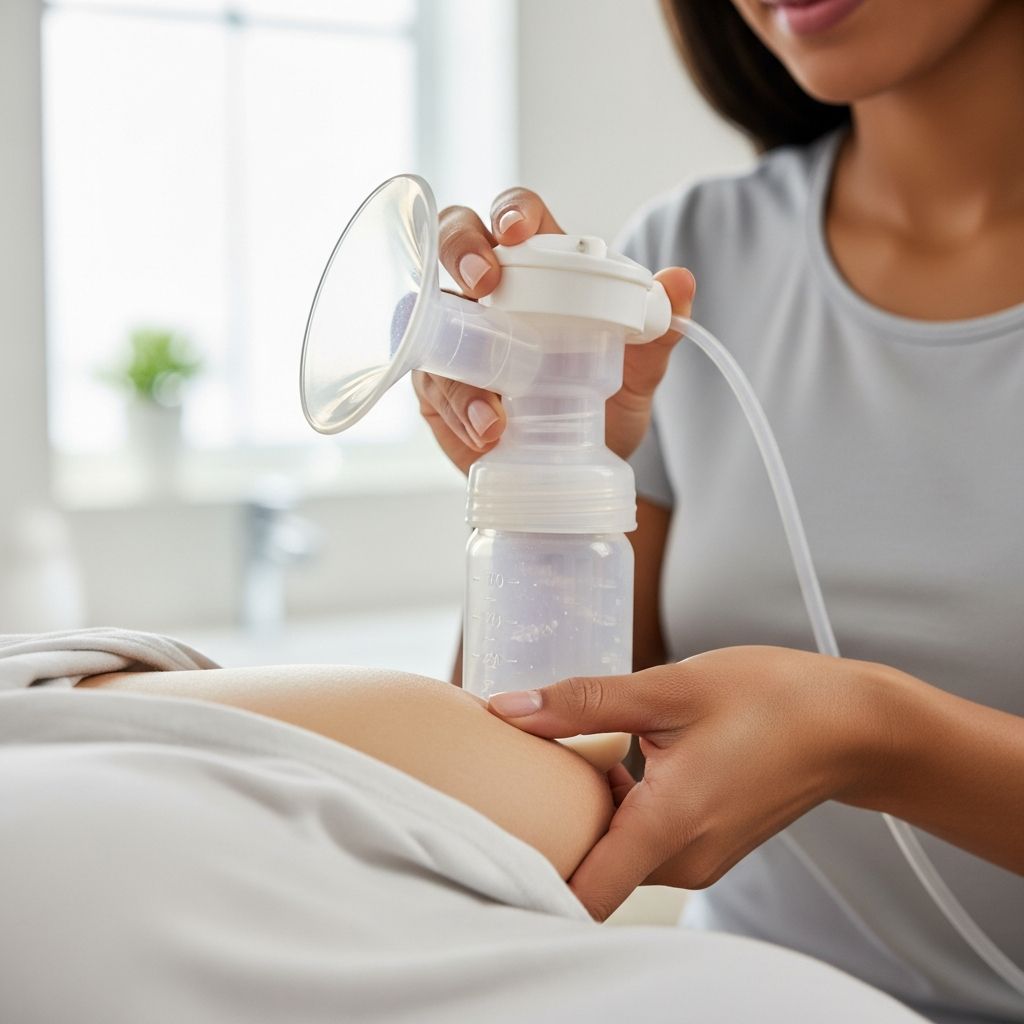
Manual breast pumps offer a portable, cost-effective solution for expressing breast milk, perfect for mothers who pump occasionally or need a discreet option on the go. Unlike electric models, they give you full control over rhythm and pressure, allowing customization to your body’s needs. This guide provides everything you need to start pumping successfully, from selection to storage, ensuring a smooth experience that supports your milk supply.
Why Choose a Manual Breast Pump?
Manual pumps stand out for their simplicity and reliability. They require no electricity or batteries, making them ideal for travel, work, or nighttime use without disturbing others. Their compact design fits easily into a diaper bag, and they typically cost less than electric counterparts. Studies show that with proper technique, manual pumps can extract comparable milk volumes to a nursing baby when used at comfortable suction levels.
Key advantages include:
- Portability: Lightweight and battery-free for anywhere access.
- Control: Adjust suction and speed precisely to avoid discomfort.
- Affordability: Lower upfront cost with no ongoing electricity needs.
- Quiet operation: Discreet for public or shared spaces.
However, they demand more physical effort, suiting occasional rather than frequent use. For high-volume needs, consider combining with electric pumps.
Selecting the Right Manual Breast Pump
Not all manual pumps are equal. Look for ergonomic designs with soft silicone flanges to minimize nipple friction. Common types include lever-action (squeezable handle for steady rhythm) and bulb-style (squeeze-and-release for quick suction). Check for BPA-free materials and included storage bottles.
| Feature | Lever-Action Pump | Bulb-Style Pump |
|---|---|---|
| Best For | Long sessions, control | Quick expressions |
| Effort Level | Moderate | Low initially |
| Price Range | $20–$50 | $10–$30 |
| Durability | High | Moderate |
Ensure the flange size matches your nipple diameter—typically 24mm standard, with inserts for smaller or larger sizes. A poor fit leads to pain and low yield, as the nipple must move freely without pulling in areola tissue.
Essential Preparation Before Pumping
Success starts with hygiene and relaxation. Always wash hands with soap for at least 20 seconds. Sterilize pump parts daily using boiling water or a microwave sterilizer, and air-dry on clean towels. Assemble per manufacturer guidelines: attach the flange, valve, handle, and collection bottle securely.
Create an optimal environment:
- Choose a quiet, comfortable chair with back support.
- Apply a warm compress to breasts for 5 minutes to promote let-down.
- Massage breasts in circular motions from outer areas toward nipples.
- Have water, snacks, and a phone/photo of your baby nearby to trigger oxytocin release.
Timing matters—pump 8–12 times daily in early weeks to build supply, or match your baby’s feeding schedule.
Step-by-Step Instructions for Effective Pumping
Follow these proven steps for efficient milk removal without pain.
- Position the Flange: Center the nipple in the tunnel; it should move freely without friction. Fold the flange edge back, place on breast, and release for seal.
- Stimulate Let-Down: Use short, rapid squeezes (like baby’s initial sucks) for 1–2 minutes until milk beads appear.
- Express Milk: Switch to slow, steady compressions. Pump until flow slows (10–15 mins per side), then switch breasts.
- Burp the Pump: Release pressure briefly if suction builds uncomfortably.
- Finish and Store: Massage residual milk, detach, seal bottle, and refrigerate or freeze immediately.
Pump upright to aid gravity and prevent leaks. If no milk after 3 minutes, pause, relax, and retry.
Techniques to Boost Milk Flow
Maximize output with these methods:
- Hands-On Pumping: Compress breast tissue while squeezing handle to mimic baby’s jaw pressure.
- Switch Sucking Patterns: Alternate fast shallow for stimulation, slow deep for expression.
- Post-Feed Pumping: Pump after nursing to fully empty breasts and increase supply.
- Hydration and Nutrition: Drink to thirst; eat oatmeal or fenugreek-rich foods.
Aim for 15–20 minutes per session, but stop when empty—over-pumping causes soreness.
Safe Milk Storage and Handling Guidelines
Proper storage preserves nutrients. Label with date; use within:
- Room temp (77°F): 4 hours.
- Fridge (39°F): 4 days.
- Freezer (-4°F): 6 months; deep freeze (0°F): 12 months.
Thaw in warm water, never microwave. Swirl to mix fat; use oldest first. Discard if smells sour or off.
Troubleshooting Common Pumping Challenges
Address issues promptly:
| Issue | Solution |
|---|---|
| No Milk Flow | Relax, massage, warm compress; check fit. |
| Pain/Soreness | Lower suction, lanolin cream, correct flange size. |
| Low Output | Pump more frequently; ensure hydration. |
| Leaking Seal | Check assembly, lubricate valve with water. |
Consult a lactation specialist if pain persists or supply drops.
Cleaning and Maintenance for Longevity
Disassemble post-use; wash in hot soapy water, rinse thoroughly, air-dry. Sterilize weekly or per manual. Inspect for wear; replace valves/membranes every 1–3 months. Store dry in a clean bag.
Benefits for Milk Supply and Lifestyle
Regular manual pumping maintains supply during separations, reduces engorgement, and enables bottle-feeding flexibility. It’s empowering for working moms or those building freezer stashes. Combined with skin-to-skin, it supports bonding indirectly.
Frequently Asked Questions
How often should I pump with a manual pump?
A: 8–12 times daily initially, then match baby’s schedule. Sessions last 15–20 mins.
Can manual pumps match electric output?
A: Yes, with technique; research shows similar volumes at max comfort vacuum.
What if my nipples hurt during pumping?
A: Ensure proper flange fit, start gentle, apply hydrogel pads. See a pro if ongoing.
Is it safe to pump into storage bags?
A: Yes, with compatible adapters; ensure secure seal.
How do I travel with my manual pump?
A: Disassemble, pack in TSA-approved bag; no liquids over 3.4oz except milk.
References
- Breast Pumping 101: A Beginner’s Manual — Me n Moms. 2023. https://www.menmoms.in/blogs/baby-care/breast-pumping-101-a-beginner-s-manual
- 8-Step Guide to Using a Manual Breast Pump Safely — Moovkart. 2023. https://www.moovkart.com/blogs/post/how-to-use-manual-breast-pump
- The Complete Guide to Manual Pumping — Motif Medical. 2024. https://motifmedical.com/blog/complete-guide-manual-pumping
- A Beginner’s Guide to Breastfeeding Pumping — Aeroflow Breastpumps. 2023. https://aeroflowbreastpumps.com/beginners-guide-breastfeeding-pumping
- How to use a manual pump (Medela) — YouTube (Medela). 2019-10-01. https://www.youtube.com/watch?v=stHZPB0t5MA
- How to use a breast pump: 12 top tips — Medela. 2024. https://www.medela.com/en/breastfeeding-pumping/articles/pumping-tips/how-to-use-a-breast-pump-12-top-tips