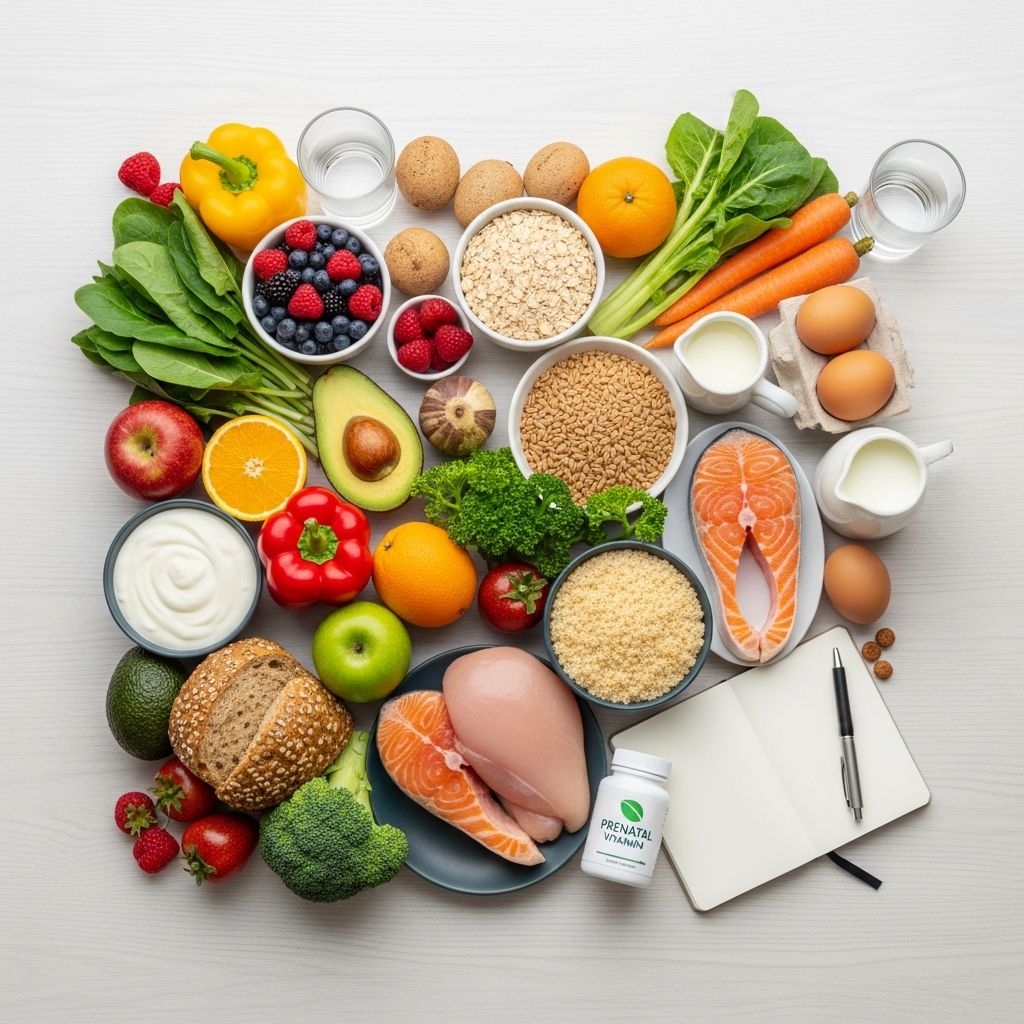
Proper nutrition during pregnancy fuels both maternal well-being and fetal development, providing essential building blocks for the baby’s growth while minimizing health risks. This guide draws from authoritative sources to outline key strategies, nutrient priorities, and practical tips.
Core Principles of a Pregnancy-Safe Diet
Focus on **adequacy**, **variety**, and **balance** to meet heightened nutritional demands. Adequacy ensures enough calories and nutrients for fetal growth; variety supplies diverse vitamins and minerals; balance proportions macronutrients like proteins (10-35%), carbohydrates (45-65%), and fats (20-35%).
- Adequacy: Increase daily calories by 340 in the second trimester and 450 in the third, prioritizing nutrient-dense foods over empty calories.
- Variety: Incorporate fruits, vegetables, whole grains, lean proteins, and dairy from all subgroups for comprehensive coverage.
- Balance: Emphasize unsaturated fats from avocados and nuts while capping saturated fats under 10%.
Powerhouse Nutrients for Fetal and Maternal Health
Pregnancy amplifies needs for specific micronutrients and macronutrients. Here’s a breakdown of priorities with daily targets and sources.
| Nutrient | Daily Need | Key Benefits | Top Sources |
|---|---|---|---|
| Folate/Folic Acid | 600-1000 mcg | Prevents neural tube defects, supports DNA synthesis | Fortified cereals, leafy greens, citrus, beans |
| Iron | 27 mg | Boosts oxygen delivery, prevents anemia | Lean meats, spinach, fortified cereals (pair with vitamin C) |
| Calcium | 1000 mg | Builds strong bones and teeth | Milk (300 mg/cup), yogurt, salmon with bones |
| Protein | 71 g | Fuels fetal tissue growth | Lean meat, eggs (6 g each), lentils (9 g/½ cup) |
| Choline | 450 mg | Aids brain and spinal cord development | Eggs, beef liver, peanuts, soy |
| Omega-3s (DHA) | 200-300 mg | Supports brain and eye development | Fatty fish like salmon |
| Vitamin D | 600 IU | Enhances calcium absorption | Fortified milk, sunlight exposure |
Prenatal vitamins bridge gaps—take daily with 400 mcg folic acid and 27 mg iron, but consult your ob-gyn for personalized needs.
Trimester-Specific Eating Strategies
First Trimester: Laying the Foundation
Nausea often strikes early, so opt for small, frequent meals rich in ginger or crackers. Prioritize folate to prevent birth defects—aim for 600 mcg daily from fortified foods.
- Snack on nuts and fruits to combat queasiness.
- Hydrate with 8-12 cups of water daily to ease symptoms.
Second Trimester: Energy Surge
Appetite increases; add 340 calories via whole grains and proteins. Focus on iron to support expanding blood volume—combine spinach salads with citrus for absorption.
Incorporate omega-3s twice weekly from low-mercury fish like salmon for brain development.
Third Trimester: Final Push
Boost to 450 extra calories with calcium-rich dairy for bone growth. Heartburn? Choose low-fat options and smaller portions.
- Emphasize fiber from veggies and grains to prevent constipation.
- Monitor iodine (220 mcg) from iodized salt or seafood for thyroid health.
Daily Meal Planning: Sample Menus
Build balanced plates using MyPlate guidelines: half fruits/veggies, quarter proteins, quarter grains, plus dairy.
Breakfast Ideas
- Oatmeal with fortified cereal, berries, and low-fat milk (folate, calcium boost).
- Greek yogurt parfait with nuts and whole-grain toast (protein, choline).
Lunch and Dinner
- Grilled chicken salad with spinach, oranges, and quinoa (iron, vitamin C).
- Baked salmon, brown rice, broccoli, and yogurt (omega-3s, vitamin D).
Snacks
- Apple with peanut butter (fiber, protein).
- Cottage cheese and cherry tomatoes (calcium, vitamin C).
Vegetarian adaptations: Swap meats for beans, lentils, tofu, and fortified plant milks.
Hydration and Lifestyle Integration
Water is vital—target 8-12 cups daily to support amniotic fluid, digestion, and swelling prevention. Herbal teas count; limit caffeinated to under 200 mg.
- Infuse water with lemon or cucumber for appeal.
- Exercise moderately (e.g., walking) to enhance nutrient uptake.
Foods to Embrace and Limit
Prioritize nutrient-dense choices while avoiding risks.
| Embrace These | Why? | Limit/Avoid These | Risks |
|---|---|---|---|
| Whole grains (oats, brown rice) | Energy, fiber | High-mercury fish (shark, swordfish) | Fetal neurotoxicity |
| Leafy greens, citrus | Folate, vitamin C | Unpasteurized dairy/juices | Listeria infection |
| Lean proteins (eggs, beans) | Growth support | Raw/undercooked meats, sushi | Toxoplasmosis, bacteria |
| Low-fat dairy | Calcium, vitamin D | Excess caffeine (>200 mg) | Miscarriage risk |
| Nuts, seeds, avocados | Healthy fats | Liver (high vitamin A) | Birth defects |
Special Considerations for Diverse Diets
Plant-Based: Boost B12, iron, zinc via supplements, fortified foods, nuts. Choline from soy and peanuts.
Gestational Diabetes: Choose low-glycemic carbs like whole grains; monitor portions.
Food Allergies: Substitutes like fortified almond milk maintain nutrient levels.
Common Pitfalls and How to Avoid Them
- Skipping Prenatals: They ensure baseline coverage amid dietary gaps.
- Over-Reliance on Processed Foods: Swap for fresh to maximize nutrients.
- Ignoring Food Safety: Cook meats thoroughly, wash produce.
- Dehydration: Set reminders for consistent intake.
Frequently Asked Questions (FAQs)
Can I eat sushi during pregnancy?
A: Avoid raw fish to prevent parasitic infections; opt for cooked rolls.
How much weight should I gain?
A: 25-35 lbs for normal BMI; consult your provider for tailored goals.
Is coffee safe?
A: Limit to 200 mg caffeine daily (about 1-2 cups).
What if I’m vegetarian?
A: Focus on diverse plants, eggs, dairy; supplement B12, iron as needed.
Do I need extra calories right away?
A: No first-trimester increase; ramp up later for fetal demands.
Monitoring Progress and Seeking Guidance
Track intake via apps; regular prenatal checkups assess nutrient status. Consult dietitians for challenges like nausea or cravings. Balanced eating reduces complications like preeclampsia and supports postpartum recovery.
References
- Nutrition for Maternal Health: A Comprehensive Guide — Monadnock Community Hospital. 2024. https://monadnockcommunityhospital.com/nutrition-for-maternal-health-2024/
- Pregnancy diet: Focus on these essential nutrients — Mayo Clinic. 2023-10-15. https://www.mayoclinic.org/healthy-lifestyle/pregnancy-week-by-week/in-depth/pregnancy-nutrition/art-20045082
- Healthy Eating During Pregnancy — American College of Obstetricians and Gynecologists (ACOG). 2023. https://www.acog.org/womens-health/faqs/healthy-eating-during-pregnancy
- Dietary Advice Before and During Pregnancy — U.S. Food and Drug Administration (FDA). 2024. https://www.fda.gov/food/people-risk-foodborne-illness/dietary-advice-and-during-pregnancy
- Build a Healthy Eating Routine When You’re Pregnant — Dietary Guidelines for Americans. 2021-12. https://www.dietaryguidelines.gov/sites/default/files/2021-12/DGA_Pregnancy_FactSheet-508c.pdf
- Have a healthy diet in pregnancy — National Health Service (NHS). 2024. https://www.nhs.uk/pregnancy/keeping-well/have-a-healthy-diet/